Quick Facts
- Market Growth: solo travel is growing at a 9.1% CAGR as more people prioritize personal discovery and adventure.
- Safety Stat: 25% of solo female travelers reported fearing for their personal safety during trips; digital preparation is the modern shield against these concerns.
- Packing Rule: Switching to technical fabrics like Merino wool and utilizing 3-in-1 charging setups can save up to 40% of your luggage space.
- Hydration: Modern filtration standards for 2026 require 99.999% removal of bacteria and protozoa for off-the-beaten-path expeditions.
- Emergency Reserve: Seasoned travelers recommend maintaining a $3,500 digital safety net in a dedicated emergency account.
Common solo travel mistakes include overpacking unnecessary items, wearing unsupportive footwear that leads to blisters, and using open-top bags vulnerable to pickpockets. To avoid these solo travel mistakes, you need a combination of high-performance gear, a proactive communication plan, and a deep understanding of the environment you are entering.
After 25 years on the road, I have made every solo travel mistake in the book. From overpacking for a week in the Andes to safety lapses in bustling Southeast Asian markets, these experiences weren't just failures; they were my most expensive lessons. Today, according to data from ABTA, the percentage of people taking solo holidays increased to 16% in 2023, up from 11% in the previous year. This means more of you are heading out into the wild alone.
While solo travel is incredibly liberating, it can also be costly. A 2022 study revealed that solo travelers pay an average of 47% more for their trips than couples, largely due to single supplement fees. When you’re paying that kind of premium, you can’t afford to let avoidable errors ruin the journey. Here is how to navigate the road ahead like a pro.
Mistake 1-3: The Packing Trap and Moving Too Much
One of the most common planning mistakes for first time solo travelers is the "just in case" mentality. I remember lugging a 65-liter pack through the subways of Tokyo, sweat pouring down my face, realizing I hadn't used half of what I’ve carried.
1. Overpacking for Long-Term Trips
You don't need a fresh outfit for every day. The trick of how to avoid overpacking for long solo trips is to embrace high-performance essentialism. I now swear by Merino.tech shirts (around $45). These technical fabrics are naturally antimicrobial, meaning you can wear them for three days straight without any smell. This follows the three-day rule: if you can't wear it three times before washing, it doesn't earn a spot in your pack.
2. Ignoring Compression Technology
If you aren't using compression zippers, you are wasting space. I use Thule compression cubes to compartmentalize my gear. These aren't just for organization; they physically shrink the volume of your clothes, allowing you to move from a heavy check-in suitcase to a streamlined carry-on.
3. Moving at a Breakneck Pace
Solo travel permits total freedom, but common planning mistakes for first time solo travelers include packing too many cities into one week. Moving every day leads to burnout and travel mishaps that happen when you’re exhausted. Give yourself three nights per location to actually connect with the environment.
Mistake 4-6: Ignoring the Physical Foundation
When you travel solo, your body is your only engine. If that engine breaks down because of poor gear choices, you’re stuck.
4. Choosing the Wrong Footwear
Blisters aren't just annoying; they can end an expedition. I’ve seen many travelers try to hike in fashion sneakers. For choosing comfortable footwear for solo travel adventures, look for something that balances stability with breathability. I personally use Earth Sterling Sandals ($56) when I'm in warmer climates because they offer arch support that matches high-end hiking boots while staying lightweight.
5. Liquid Management Lapses
Using the bulky, original bottles of your toiletries is a rookie move. I suggest TSA-compliant BPA-free silicone refillables. They are easier to squeeze, don't crack under pressure in cargo holds, and fit perfectly into a small solo travel packing guide layout.
6. Failure to Vet Your Hydration
Relying on bottled water is expensive and environmentally disastrous. These days, a filtered water bottle like the LifeStraw Go Series is essential solo travel gear. It removes 99.999% of bacteria, allowing you to fill up from hotel taps or even mountain streams without worrying about local water-borne illnesses.
| Gear Item | Recommended Brand | Weight | Primary Benefit |
|---|---|---|---|
| Compression Cubes | Thule | 160g | Maximize luggage space |
| Technical Tee | Merino.tech | 140g | Odor resistance & quick dry |
| Travel Sandals | Earth Sterling | 450g | Therapeutic arch support |
| Power Bank | INIU 65W | 480g | Fast charging for laptops/phones |
| Water Filter | LifeStraw Go | 240g | Safe water anywhere |
Mistake 7-9: The Digital Safety Gap
In 2026, your safety is as much about your data and connectivity as it is about your physical surroundings.
7. Lacking a Connectivity Contingency
Relying on local Wi-Fi is a major risk. One of my top solo travel safety tips is to install an International eSIM before you land. This ensures you have data the second the plane touches the tarmac, allowing you to call an Uber or check a map without looking lost in the arrivals hall.
8. Forgetting the Communication Plan
Never leave your safety to chance. Part of creating a solo travel communication plan for safety involves setting up your Emergency contact (ICE) information on your phone's lock screen. I also suggest a "check-in" schedule with a trusted friend back home. Use a shared digital safety folder containing digital documentation of your passport, travel insurance, and blood type.
9. Underestimating Battery Capacity
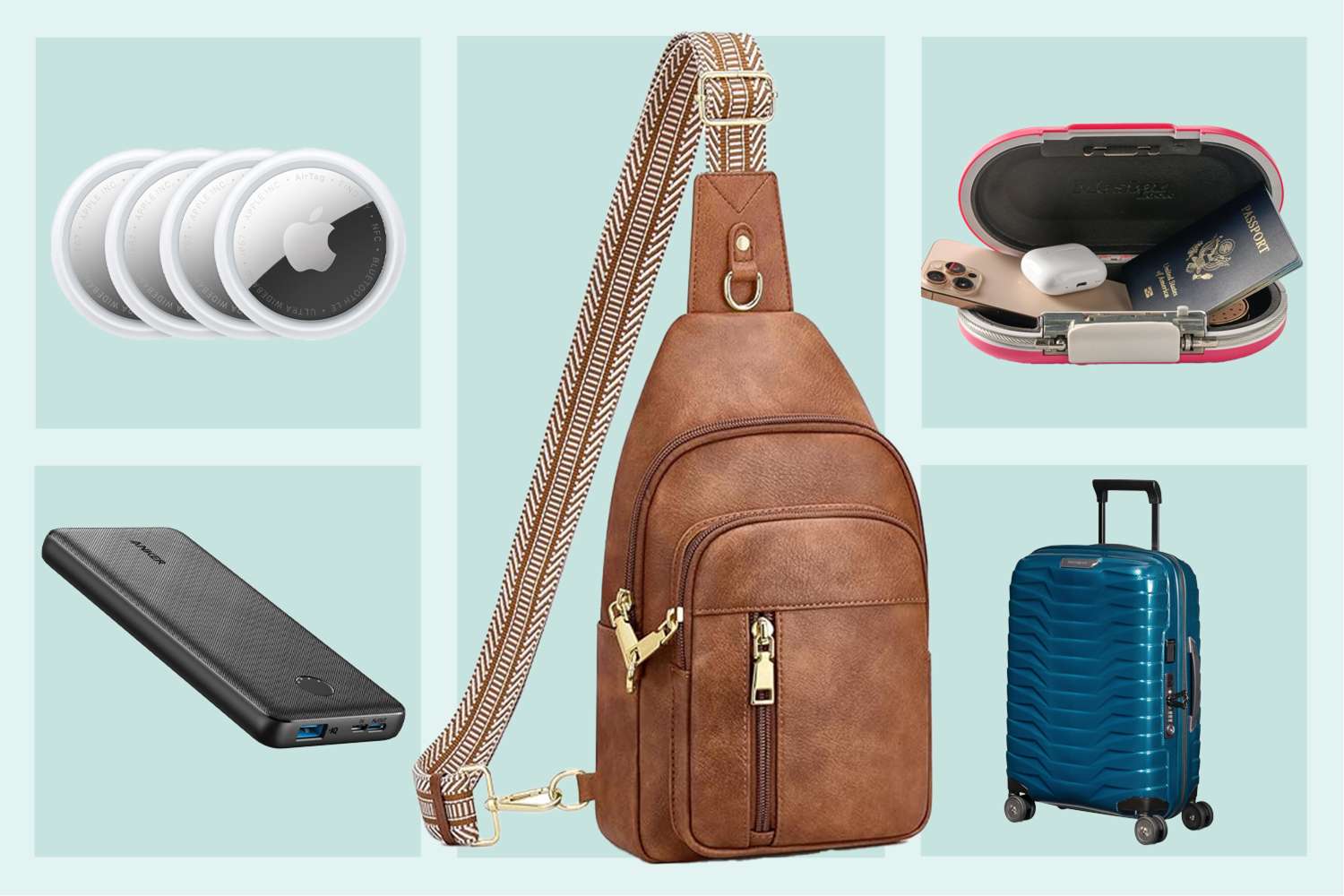
Your phone is your map, your bank, and your lifeline. A cheap 5000mAh charger won't cut it. To avoid travel mishaps, I carry an INIU or Anker 20000mAh 65W power bank. It’s powerful enough to charge a laptop and can juice up a phone multiple times, ensuring you never run out of battery capacity while navigating an unfamiliar city at night.
Pro Tip: Always carry a physical backup charging cable in a separate pocket. If your main cable frays or breaks, you won't be left stranded looking for a tech store in a foreign language.
Mistake 10-12: Environmental Awareness and Scams
The final layer of solo travel is situational awareness. Being alone makes you a target, but only if you look like one.
10. Staying on the Ground Floor
When booking accommodations, always request a room away from the ground floor. Ground floor rooms are statistically more vulnerable to break-ins. I usually aim for the third or fourth floor—high enough to deter casual intruders, but low enough for fire ladders to reach.
11. Using Vulnerable Luggage
Carrying an open-top tote or a backpack with easy-to-reach zippers is an invitation for trouble. Pickpocketing prevention starts with the right bag. The best anti theft gear for solo travelers includes bags with locking zippers and RFID protection to prevent digital skimming of your credit cards.
12. Over-Sharing with Strangers
It feels good to be friendly, but never tell a stranger you are traveling alone. I often mention a "friend waiting at the hotel" or a "husband meeting me for dinner." Additionally, using luggage trackers for solo travel peace of mind is a game changer. If your bag goes missing or is moved without your knowledge, you can track it via Bluetooth/GPS from your phone immediately.
Essential Solo Travel Emergency Checklist
- Digital Documentation: Encrypted cloud backup of passport and visas.
- Security Gear: RFID-blocking wallet and portable door lock.
- Connectivity: Active International eSIM and pre-downloaded offline maps.
- Financials: Two separate bank cards and $200 in hidden "emergency cash."
- Health: Basic first-aid kit including antihistamines and rehydration salts.
Doing your neighborhood research before arrival is the best way to avoid travel scams when traveling alone. Know which areas the locals avoid. If a deal sounds too good to be true—like a free tuk-tuk tour or a "closed" museum—it almost certainly is a scam.
FAQ
What are the biggest mistakes solo travelers make?
The biggest mistakes include overpacking heavy items that reduce mobility, failing to have a digital connectivity backup, and not researching the specific safety nuances of a neighborhood before arriving. Many travelers also fail to maintain a sufficient financial safety net for emergencies.
How do I stay safe while traveling solo for the first time?
Safety starts with preparation. Always maintain an International eSIM for constant data, use a battery bank to keep your phone alive, and never share your solo status with strangers. Choosing a hotel room above the ground floor and using anti-theft bags are also high-impact safety steps.
What are common packing mistakes for solo travelers?
Common errors include bringing too many clothes "just in case" and not using compression zippers to save space. Many also forget to prioritize footwear that is both supportive and lightweight, leading to fatigue and blisters that can ruin a trip.
How do you deal with emergencies when you are traveling alone?
Dealing with emergencies requires having a pre-established communication plan with someone back home and easy access to digital documentation. You should also have travel insurance that covers medical evacuation and keep an emergency cash reserve hidden in your gear.
Is it a mistake to not have a set itinerary when traveling alone?
It is not necessarily a mistake to be flexible, but you should always have your first two nights booked and a general idea of transport links. Total spontaneity can lead to stress or ending up in unsafe areas because you didn't have time to research accommodations thoroughly.
The road is wide and full of wonder, and while these solo travel mistakes are common, they are completely avoidable with a little grit and the right gear. See you out there.