Quick Facts
- The No. 1 Habit: Utilizing white bath towels to wipe away oil-based makeup such as waterproof mascara or heavy foundation.
- The Financial Toll: Persistent cosmetic damage contributes to a 40% to 60% premature retirement rate for premium hotel towels.
- The Maintenance Myth: High-concentration chlorine bleach is not a remedy for makeup; it often leads to yellowing and severe fiber degradation over time.
- The Operational Impact: Only 10% of hotel linen products are retired because they are genuinely worn out, while 90% are discarded due to avoidable damage or loss.
- The Lifespan Reality: A hospitality survey found that 50% of linens last less than three months when they have the potential for a two-year lifespan if treated correctly.
- The Solution: Guests should prioritize the use of dark washcloths or bring personal microfiber pads to preserve the integrity of hotel towel stains on white terry cloth.
Modern guests often use white towels for makeup removal, but oil-based cosmetics like foundation and mascara create permanent hotel towel stains. Industrial laundering, optimized for speed and volume, cannot remove these chemical pigments, forcing hotels to discard ruined linens and contributing to massive textile waste.
As a travel critic, I spend several months a year living out of suitcases in some of the world’s most renowned properties. During my discussions with hospitality managers from Paris to New York, one recurring operational headache consistently overshadows issues like late check-outs or room service complaints: the permanent damaging hotel linens. While most travelers view a small smudge of bronzer as a minor laundry task, the reality for housekeeping departments is far more complex and costly.
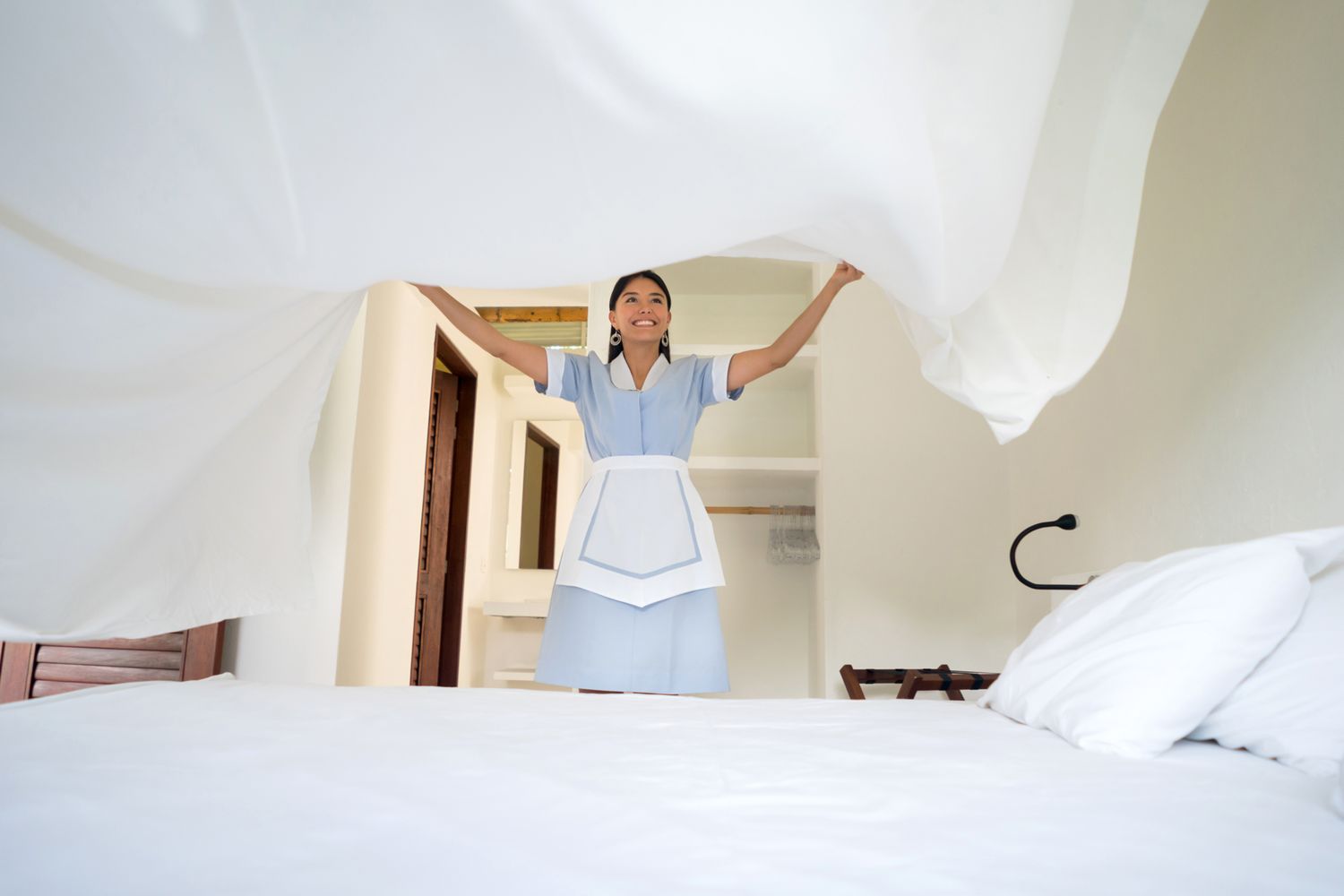
The Industrial Reality: Why Hotel Laundry Can't Just Wash It
There is a common misconception among travelers that because hotels use industrial-grade washers and strong chemicals, any mark can be erased. This could not be further from the truth. Industrial laundering systems are marvels of efficiency, designed to handle hundreds of pounds of linen in rapid cycles, but they lack the delicate, manual pretreatment necessary for oil-based cosmetics.
Industrial machines typically operate on a fixed workflow. They rely on standardized water temperatures and pH levels of 7 to 8 to maintain textile durability. When a towel arrives at the laundry facility with deep-set mascara or waterproof eyeliner, it enters a high-volume system that doesn't "see" specific spots. Unlike home washing, where you might spot-treat a stain and let it soak, these machines prioritize speed. When oil-based pigments hit hot water without specific pretreatment, the heat often serves to seal the chemistry of the cosmetic into the cotton. Housekeepers simply do not have the labor capacity to hand-scrub every washcloth, leading to a massive volume of linen being removed from the guest-ready inventory.
| Feature | Residential Washing | Industrial Laundering |
|---|---|---|
| Primary Goal | Individual garment care | Massive volume and sanitation |
| Heat Treatment | Variable by user | Optimized for high-volume drying |
| Chemical Use | Gentle detergents | Targeted alkaline and sanitizing agents |
| Stain Treatment | Manual spot-checking | Automated batch processing |
| Result for Makeup | Likely to lift with pre-treatment | Often permanently "set" by heat |
The Fiber Science: The Permanent Bond of Terry Cloth
To understand why removing makeup with hotel towels is so difficult, we have to look at the anatomy of the fabric itself. Most luxury hotel towels are made of high-quality terry cloth, characterized by thousands of tiny loops designed to maximize surface area for absorbency. While these loops are excellent for drying your skin after a shower, they act as miniature traps for foundation and self-tanners.
Oil-based cosmetics are formulated to be long-lasting and water-resistant. When these products are wiped onto a towel, the pigments migrate deep into the core of the cotton fibers. During the laundering process, the combination of high-heat drying and standard detergents creates a chemical bond between the pigment and the cellulose of the cotton. This causes fiber degradation if aggressive chemicals are used to try and "strip" the color.
Furthermore, the myth of bleaching makeup out of white towels is a dangerous one for hotel budgets. While bleach is vital for sanitization, it is often ineffective against the complex synthetic oils found in modern cosmetics. Excessive use of chlorine bleach weakens the fabric, making it brittle and prone to tearing, effectively shortening the linen lifespan from several years to just a few weeks. What was once a plush, white Grade A towel quickly becomes a yellowed, scratchy Grade C rag used only for cleaning the hotel's lobby floors.
The True Financial Impact: $1.20 vs $0.09
In the world of hospitality overhead, every penny counts. The difference between a guest practicing good linen habits and one who ruins a towel is staggering when viewed through the lens of Return on Investment (ROI).
Consider the life of a single guest towel. In a perfect world, a high-quality commercial towel costs the property roughly $15 to $18 and is expected to last for approximately 200 washes. This brings the cost of the towel down to about $0.09 per use. However, when damaging hotel linens becomes the norm, towels are often retired after only 15 or 20 uses because of permanent hotel towel stains. This drives the cost-per-use up to $1.20 or more.
When you multiply this across a 300-room property, the "leakage" in the budget is enormous. This is why you may notice hotel rates creeping up or "sustainability fees" appearing on your bill. The hotel is essentially subsidizing the 90% of linen loss caused by damage, loss, or theft rather than actual wear and tear. Housekeepers hate this habit not just because it creates more work, but because it represents a massive waste of resources that could be better spent on guest amenities or staff wages.
Smart Solutions: Using Hotel Makeup Removal Cloths
As the industry evolves, many savvy hotel managers are implementing psychological nudges to help guests make better choices. The most effective of these is the introduction of dedicated hotel makeup removal cloths. These are typically smaller, dark-colored washcloths—often grey or black—embroidered with the word "Makeup."
These dark linens are a win-win for both the guest and the property. For the traveler, there is no anxiety about leaving a mark on a pristine white surface. For the hotel, these cloths are designed to hide stains and can withstand the more aggressive washing cycles needed to break down oils without showing ghosting or discoloration.
If you find yourself in a room that does not provide these amenities, there are several professional ways to handle your skincare routine without ruining the property's assets:
- Pack Microfiber Pads: Reusable microfiber pads take up zero space in a carry-on and effectively remove makeup with just water.
- Use Micellar Water: Instead of scrubbing your face with a towel, use micellar water on a cotton round to lift the pigments first.
- Request a Dark Cloth: If you don't see one in your bathroom, call the front desk. Many hotels keep a stock of dark linens specifically for guests who ask.
- Travel Wipes: While not the most eco-friendly, a single-use wipe is far better for the environment than a high-quality cotton towel being thrown into a landfill after one stay.
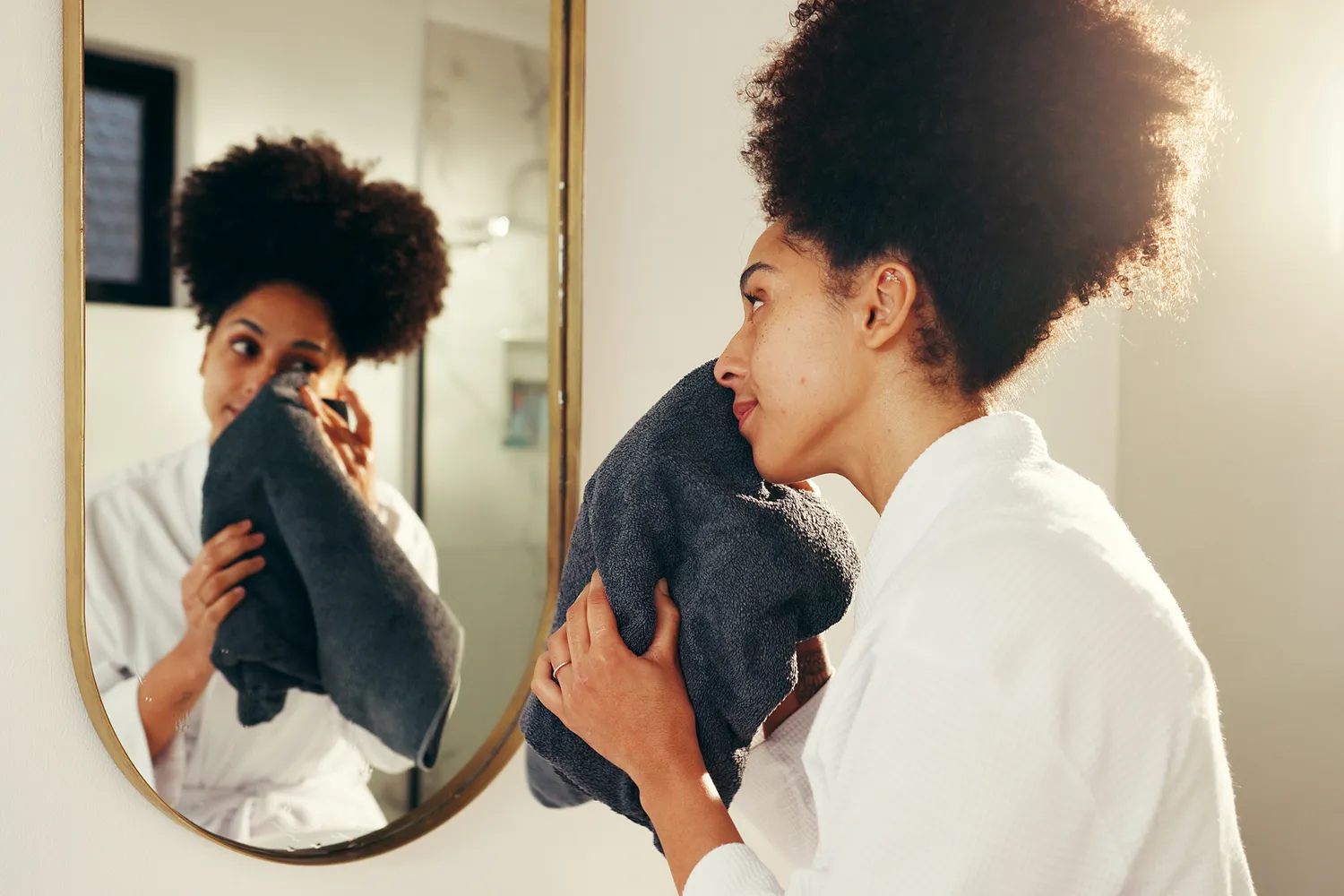
By adopting these common guest habits that ruin hotel linens, we can help reduce the massive textile waste produced by the travel industry. A little mindfulness goes a long way in ensuring that the plush white towels we all love remain a staple of the hotel experience.
FAQ
What happens if you accidentally stain a hotel towel?
Most hotels expect a certain level of standard soil, such as dirt or food spills, which are easily removed. However, if you leave significant hotel towel stains from permanent hair dye or heavy oil-based cosmetics, the towel will be inspected by housekeeping. If it cannot be salvaged after a heavy-duty wash cycle, it is moved to a "rag" pile and removed from the room inventory.
How much do hotels charge for stained or ruined towels?
While many mid-range hotels absorb the cost as part of their overhead, luxury properties or boutique linens may charge your credit card on file. Fees can range from $20 to $50 per item, depending on the quality of the linen. It is always better to be honest with the front desk if a major accident occurs.
Do hotels throw away towels with permanent stains?
Yes, high-end properties maintain a strict "Grade A" standard for guest rooms. Any towel with visible ghosting, grey shadows, or cosmetic spots is downgraded. While some become cleaning rags (Grade C), many are simply discarded, contributing to the hospitality industry’s significant textile waste problem.
How to remove makeup stains from hotel towels?
If you realize you have stained a towel, do not try to wipe it further. The best move is to let a housekeeper know immediately so they can treat it with a specialized de-greaser before it sent to the industrial laundry. At home, you would use a pre-treatment like dish soap to break down the oils, but hotel systems are automated and need early intervention.
Should I try to wash a stained hotel towel myself?
No, it is generally advised not to wash hotel linens in a guest-accessible laundry or in the sink. Standard hotel soaps are not formulated for heavy stain removal, and the high-heat dryers in many guest laundries will simply set the stain permanently.
Is it possible to avoid being charged for a stained towel?
The best way to avoid fees is to prevent the damage entirely by using hotel makeup removal cloths. If an accident happens, notifying the staff immediately shows good faith. Most hotels only charge guests for "negligent" damage, so using a white bath towel as a floor mat or a makeup rag is more likely to result in a fee than a genuine accident.