Quick Facts
- Best for Luxury: Positano & Forte dei Marmi
- Best for Families: San Vito Lo Capo & Vieste
- Best Hidden Gem: Atrani & Carloforte
- Best Logistics: Sperlonga (90 min from Rome)
- 2026 Trend: The 'Via Verde' cycling path in Abruzzo
- Certifications: 487 Blue Flag beaches nationwide
Planning an Italy summer itinerary for 2026? Italy beach towns offer everything from rugged cliffs to sandy shores, and our selection covers the essential coastal towns in Ischia and Sardinia for boat tour excursions along with mainland classics. From the vertical glamour of the Amalfi Coast to the sapphire waters of the Adriatic, these are the best Italian seaside villages to bookmark for your next Mediterranean escape.
Dramatic Cliffs and Glamour: The Tyrrhenian West Coast
The western edge of the Italian peninsula is defined by dramatic verticality. Here, the Tyrrhenian Sea meets the Lattari Mountains, creating a landscape that has inspired poets from Virgil to Steinbeck. For 2026, the demand for this region remains high, but savvy travelers are looking beyond the postcard-perfect facades to find deep historical context and unique agricultural traditions.
Positano remains the undisputed queen of the coast. Its pastel houses seem to defy gravity as they tumble down toward the water. If you are planning a 2026 Italy summer itinerary for beach towns, Positano is the place for luxury beach holidays in Italy with private beach clubs where the Aperitivo culture is elevated to an art form. Just down the road, the town of Amalfi offers a more substantial historical weight. The 9th-century Duomo di Sant'Andrea, with its Arab-Norman architecture, stands as a reminder of the town’s past as a powerful maritime republic.
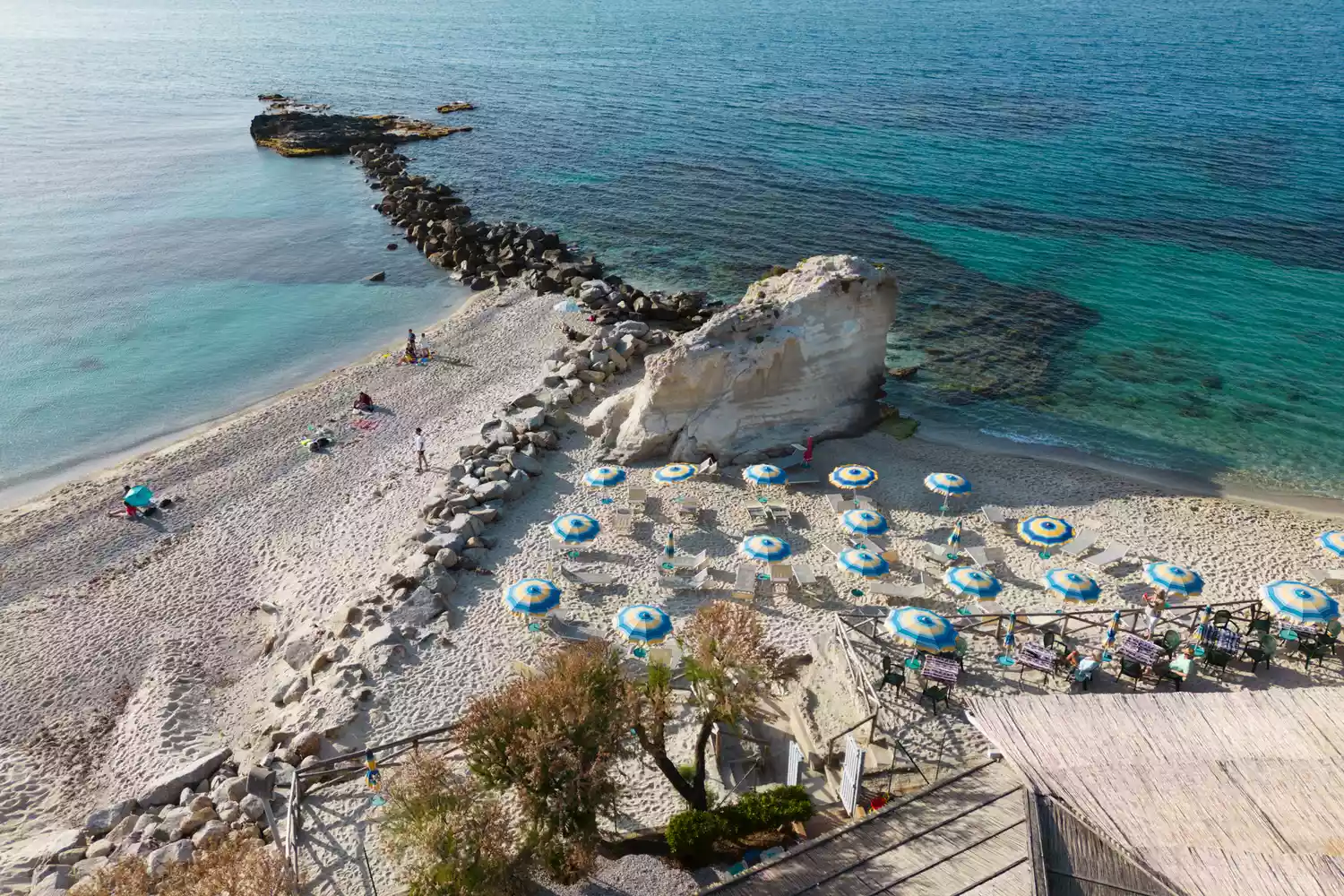
For those seeking hidden gems on the Italian coast, the tiny village of Atrani is an essential stop. It is officially the smallest municipality in southern Italy, tucked into a narrow valley just a ten-minute walk from Amalfi. It retains a local atmosphere that its larger neighbor sometimes loses in the peak of summer. Further south in Calabria, Tropea offers a different kind of drama. The town is built on a sandstone cliff overlooking a white sand beach and the Santa Maria dell'Isola monastery.
Quick Profile: Positano
- Best for: High-end fashion, cliffside dining, and luxury boat charters.
- Avoid If: You struggle with steep stairs or are traveling on a strict budget.
- Local Flavor: Delizia al Limone (lemon sponge cake).
- Nearest Airport: Naples International (NAP).
Hidden Gems and Local Flavors: Puglia and the Adriatic
While the west coast is about heights, Puglia and the Adriatic coast are about the relationship between white stone and the deepest turquoise water. Puglia has become one of the most sought-after destinations for authentic local food and a slower pace of life.
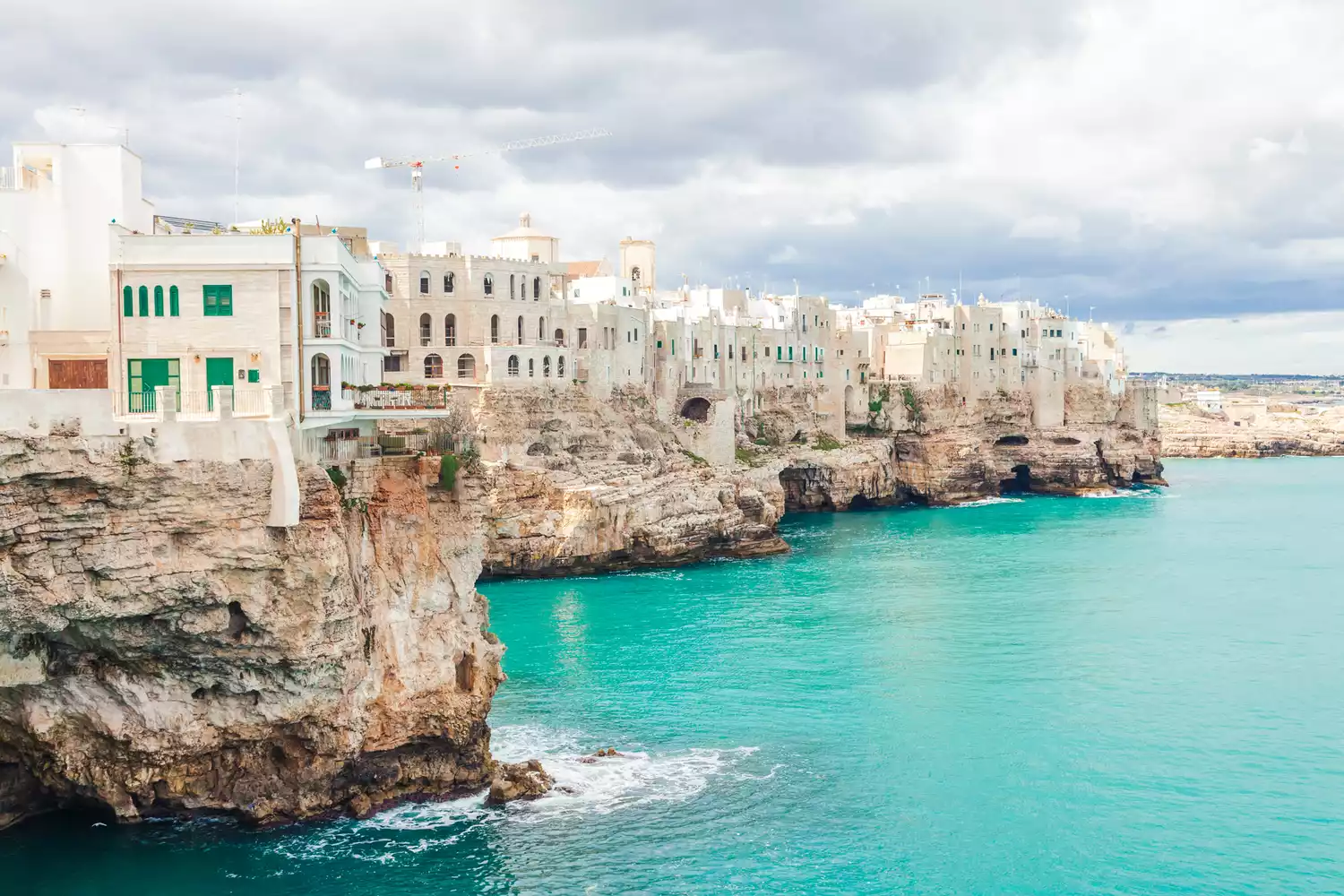
Polignano a Mare is the crown jewel of the region. Perched on limestone cliffs riddled with sea caves, it is famous for the Lama Monachile beach—a small, pebbled cove framed by Roman-era bridge foundations. The town’s historic center is a maze of whitewashed alleys where poetry is written on the walls. Just south sits Monopoli, which offers a more authentic harbor experience. Here, you can watch traditional gozzi (blue and red wooden boats) bring in the daily catch.
As we look toward 2026, the Abruzzo region is gaining momentum thanks to the expansion of the Via Verde. This 42-kilometer cycling and pedestrian path follows a former railway line along the Trabocchi Coast. In towns like San Vito Chietino, travelers can dine on trabocchi—ancient wooden fishing structures that stretch out into the sea like massive spiders, now converted into unique restaurants. This area is among the best Italian beach towns for families with small children due to the flat terrain and safe, accessible beaches.
Quick Profile: Polignano a Mare
- Best for: Swimming in sea caves and dramatic sunset views.
- Avoid If: You want vast sandy stretches (it is mostly rocky).
- Local Flavor: Tiella (a baked dish of rice, potatoes, and mussels).
- Nearest Airport: Bari Karol Wojtyła (BRI).
Baroque Beauty and Island Life: Sicily and Sardinia
Italy’s islands offer a distinct cultural experience shaped by centuries of various Mediterranean influences. Sicily, in particular, is a masterclass in the intersection of maritime history and Baroque architecture.
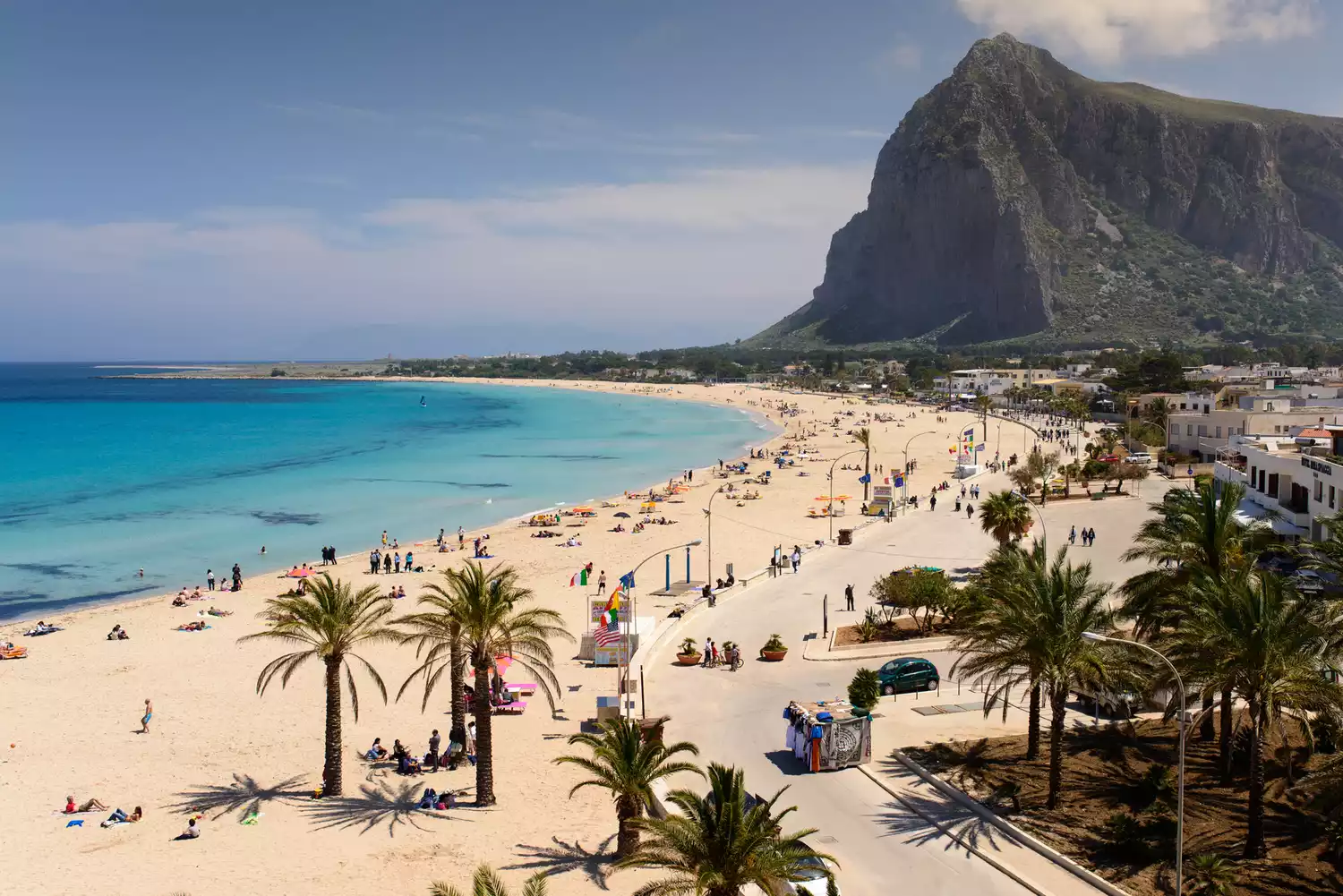
A Sicily coastal road trip route through baroque beach towns should always include San Vito Lo Capo. Located in a bay protected by the towering Monte Monaco, it feels more like the Caribbean than the Mediterranean. The town is famous for its annual Couscous Fest, a nod to North African influences. Further east, Cefalù combines a sandy crescent beach with a magnificent Norman Cathedral, a UNESCO World Heritage site that houses 12th-century Byzantine mosaics.
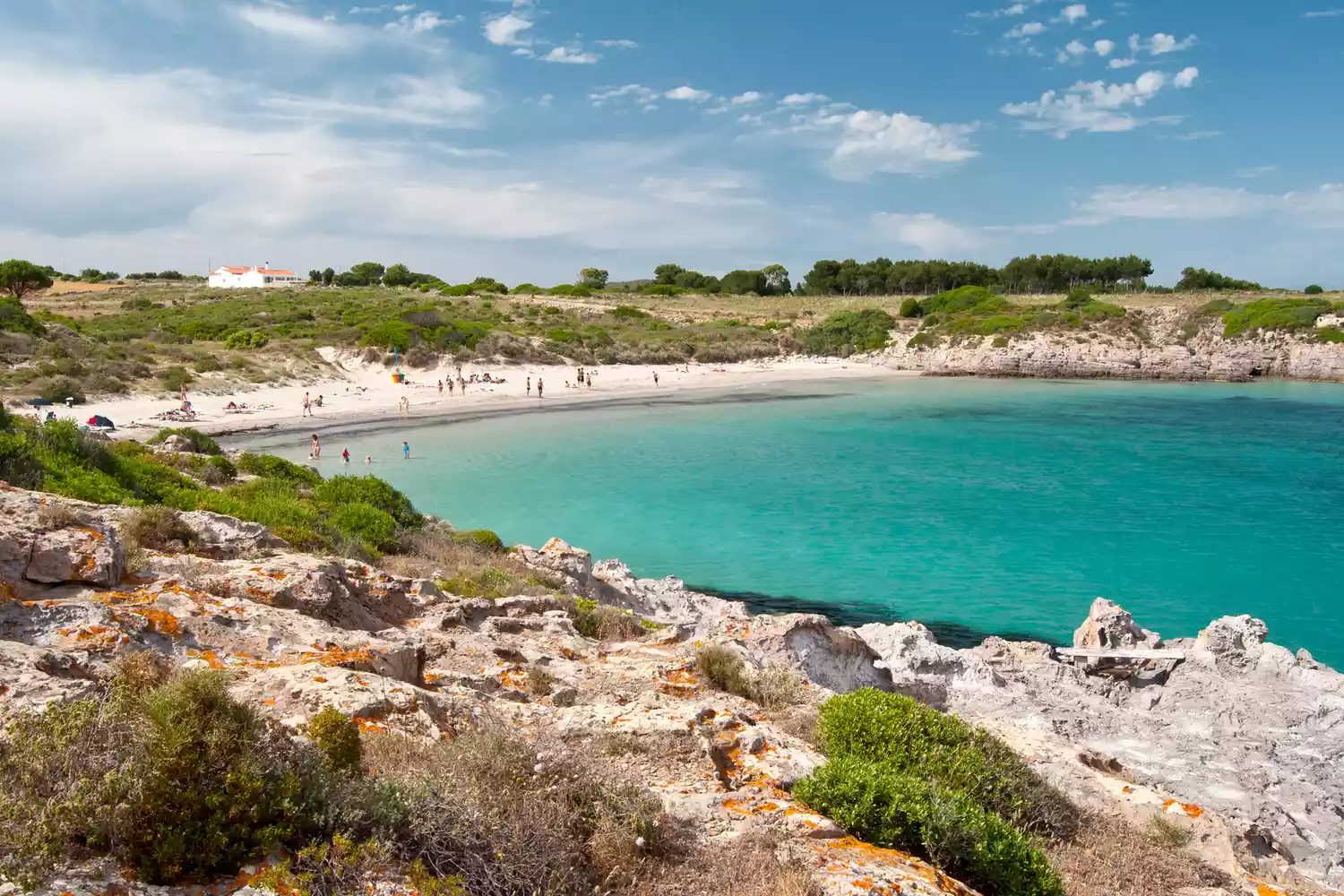
In Sardinia, the experience is more about rugged seclusion. Carloforte, located on the Isola di San Pietro, is a fascinating linguistic and cultural anomaly. Its residents speak a Genoese dialect, and the town is famous for its sustainable tuna fishing traditions. Sardinia remains the gold standard for water quality; for the 2025-2026 travel cycle, Italy has reached a record 487 Blue Flag beach certifications across 246 municipalities, with the island consistently leading in pristine water ratings.
Quick Profile: San Vito Lo Capo
- Best for: Shallow waters, fine sand, and vibrant summer festivals.
- Avoid If: You prefer quiet, secluded rocky coves.
- Local Flavor: Couscous alla Trapanese (fish-based couscous).
- Nearest Airport: Palermo (PMO) or Trapani (TPS).
Pastel Perches: The Ligurian Riviera and the North
The Ligurian Riviera, or better known as the Italian Riviera, is home to some of the most famous best Italian seaside villages. While Portofino draws the mega-yachts, Camogli offers a more grounded and swimmable alternative.
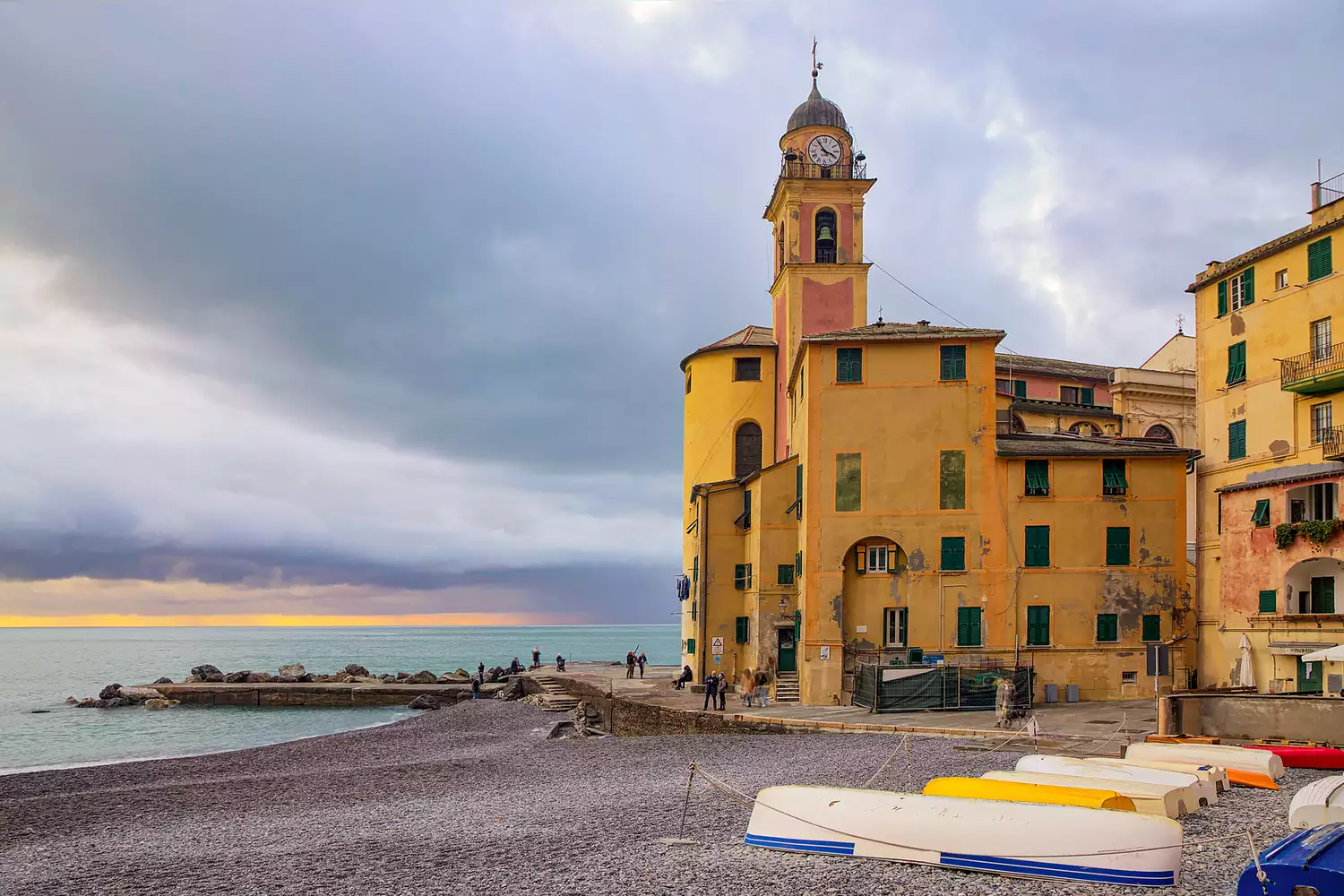
Camogli is famous for its tall, trompe-l’œil-painted buildings that line the pebble beach. It is a hub for sustainable travel, with excellent high-speed rail connections from Milan and Genoa. Travelers can hike from Camogli through the Portofino Regional Park to reach the hidden San Fruttuoso Abbey, accessible only by foot or boat. This region is also the birthplace of Sciacchetrà, a rare sweet wine produced through heroic viticulture on the steep terraces of the nearby Cinque Terre.
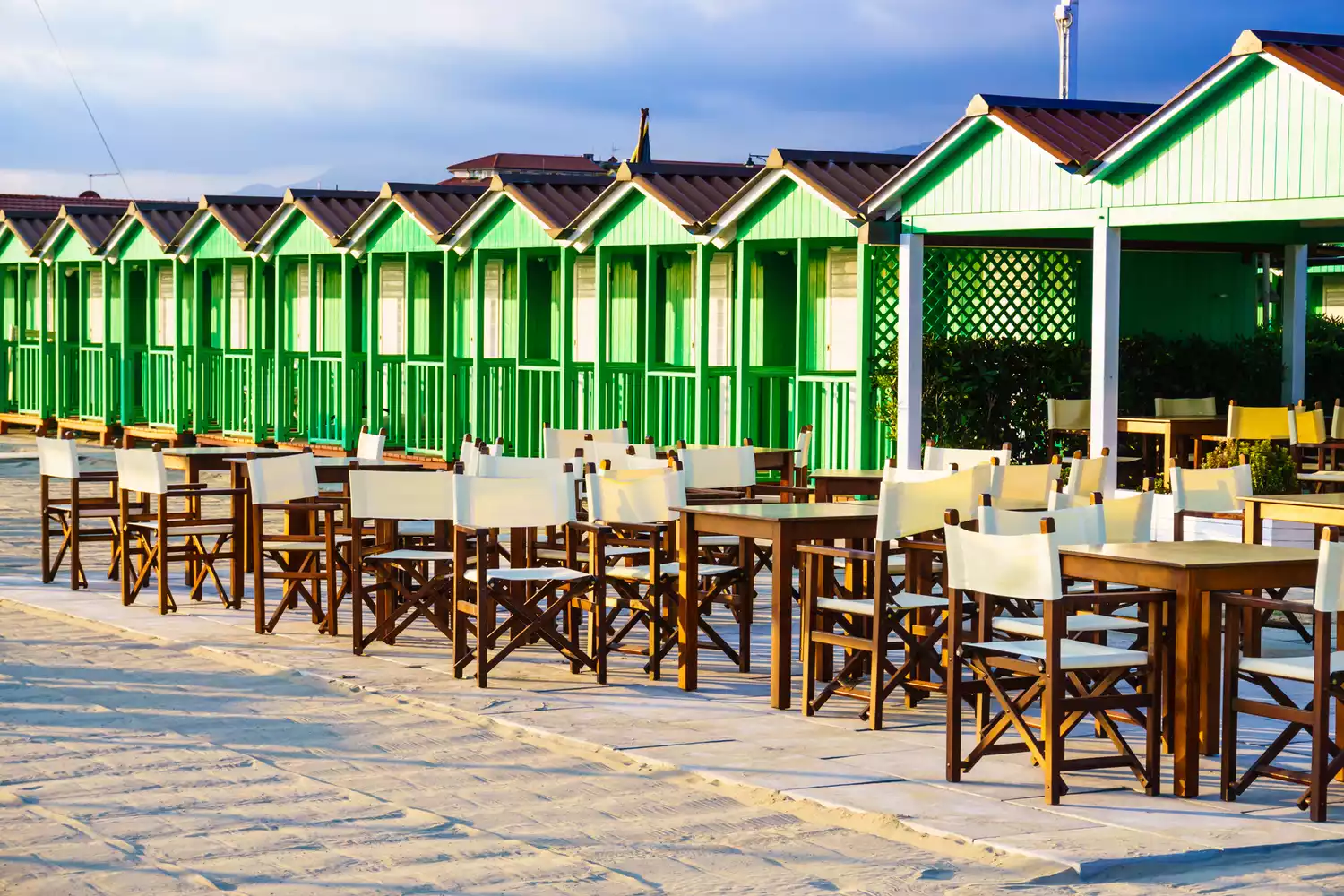
In Tuscany, the town of Forte dei Marmi represents the pinnacle of the Italian lido culture. Here, the beaches are wide and sandy, lined with meticulously maintained private beach clubs that have been family-run for generations. It is a prime example of the coastal luxury that continues to drive Italy’s tourism economy.
Quick Profile: Camogli
- Best for: Hiking, authentic Riviera atmosphere, and rail accessibility.
- Avoid If: You are looking for nightlife or sandy beaches.
- Local Flavor: Focaccia di Recco (thin dough filled with melted cheese).
- Nearest Airport: Genoa Cristoforo Colombo (GOA).
2026 Travel Logistics & Planning Tips
The tourism landscape in 2026 is expected to be more robust than ever. Italy is projected to receive approximately 141.2 million tourist arrivals in 2026, which is a 2.1 percent increase from the previous year. This growth means that planning ahead is no longer optional—it is a necessity. Tourism spending in Italy is estimated to reach 132.7 billion euros in 2026, reflecting a market that is increasingly geared toward high-quality, specialized experiences.
For the best results, book your accommodation in the Amalfi Coast or the Italian Riviera at least 6 to 9 months in advance. If you are looking for underrated coastal destinations in Italy for budget-friendly summer trips, consider the Marches or Abruzzo regions, where the Adriatic coast offers better value for money than the Tyrrhenian side.
Understanding transportation is key to a smooth trip. Knowing how to reach coastal Italy towns by train from Rome or Naples can save you hours of traffic on narrow winding roads. For instance, towns like Sperlonga and Santa Severa are easily accessible via the regional rail lines from Rome, making them perfect day trips or weekend escapes. For the Amalfi Coast, take the high-speed rail to Salerno and hop on a ferry; it is faster and more scenic than the bus.
Editor's Note: The shoulder seasons of May and September offer the best balance of Mediterranean climate and manageable crowds. Many seasonal ferries operate from early April through late October, so check schedules before finalizing your transit.
FAQ
What are the most beautiful beach towns in Italy?
While beauty is subjective, Positano is widely considered the most visually stunning due to its vertical architecture. However, Polignano a Mare in Puglia and Tropea in Calabria are equally breathtaking for their dramatic cliffside settings and crystal-clear water.
Which part of Italy has the best coast and beaches?
Sardinia consistently wins for the best water quality and natural beauty, often compared to the Maldives. Puglia is the best for rocky coves and unique seaside architecture, while the Amalfi Coast is preferred for its glamorous atmosphere and world-class dining.
Which beach towns in Italy are best for families?
San Vito Lo Capo in Sicily and Vieste in Puglia are excellent for families because they feature wide, sandy beaches with shallow entries and gentle waves. Additionally, Forte dei Marmi in Tuscany offers highly organized beach clubs and amenities suitable for children.
What is the cheapest coastal town to stay in Italy?
While the major hubs are expensive, towns along the Abruzzo and Molise coast, such as Termoli or San Vito Chietino, offer much lower prices for accommodation and dining. Additionally, coastal towns in the Marches region like Grottammare are underrated coastal destinations in Italy for budget-friendly summer trips.
Are there sandy beaches in Italy?
Yes, though much of the famous coast is pebbled or rocky. You can find vast sandy stretches in Sicily (San Vito Lo Capo), Sardinia (Costa Smeralda), Tuscany (Forte dei Marmi), and the southern parts of Puglia (Salento).