Our Top Picks
- Best Overall Hardshell: iKamper Skycamp 3.0 Mini — A masterclass in space-saving engineering with a lightning-fast 60-second setup.
- Best for Multi-Sport Athletes: Thule Tepui Foothill — A unique narrow profile that saves half your roof rack for bikes, kayaks, or surfboards.
- Best for Extreme Weather: 23Zero Kabari — Heavy-duty build with industry-leading light suppression technology for the ultimate 4-season experience.
- Best Family Value: Tepui Autana 4 with Annex — Massive sleeping area plus a private ground-level room for changing or gear storage.
Upgrade your off-grid adventures with our guide to the 7 best rooftop tents for 2026. Whether you need a quick setup for solo trips or a large family tent, we’ve tested the top models for durability, comfort, and aerodynamics.
| Model | Type | Capacity | Weight | Best For |
|---|---|---|---|---|
| iKamper Skycamp 3.0 Mini | Hardshell | 2 Person | 125 lbs | Quick setups & small cars |
| Thule Tepui Foothill | Softshell | 2 Person | 108 lbs | Mounting extra gear |
| Roofnest Falcon 3 EVO | Hardshell | 2 Person | 140 lbs | Maximum fuel efficiency |
| 23Zero Kabari | Hardshell | 2 Person | 185 lbs | Serious 4-season overlanding |
| Roofnest Meadowlark | Softshell | 2 Person | 100 lbs | Lightweight compact cars |
| Tepui Autana 4 | Softshell | 4 Person | 190 lbs | Large families & basecamps |
| TentBox Classic 2.0 | Hardshell | 2 Person | 143 lbs | Beginner-friendly value |
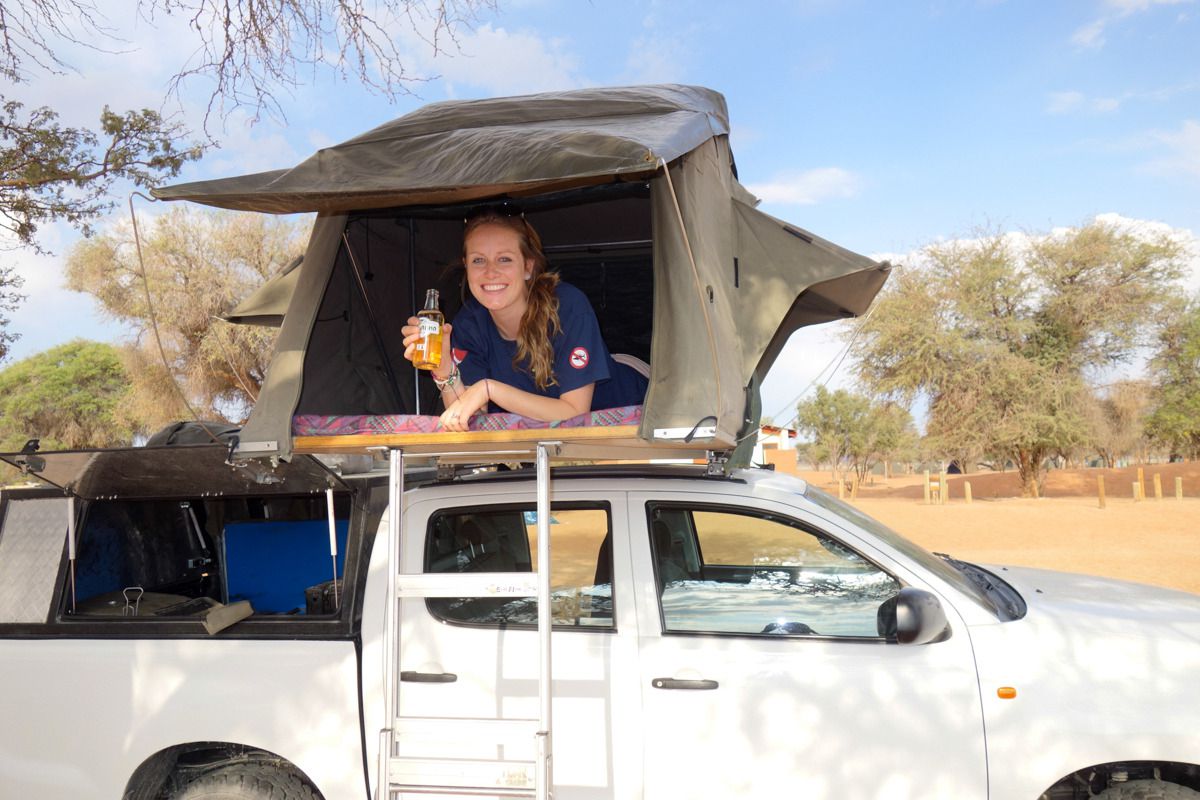
Before You Buy: The Compatibility Checklist
Back when I started overlanding, I made the classic rookie mistake: I assumed my roof rack could handle anything. It cannot. Before you invest in one of the best rooftop tents, you must understand the math of your vehicle's roof.
Most vehicles have a dynamic weight limit, which refers to the weight the roof can safely carry while the vehicle is moving. Many compact cars and SUVs are rated for around 165 pounds. This is why lightweight rooftop tents are essential for crossovers. However, the static load rating—the weight the roof can hold when parked—is much higher, usually enough to support the tent plus two or three adults.
You also need to account for your crossbar compatibility. Factory bars are often too flimsy; I always recommend heartier aftermarket bars from Yakima or Thule. Finally, be prepared for a slight hit to your wallet at the pump. Even the most low profile rooftop tents to save fuel will cause an aerodynamic drag that typically results in a 2-4 MPG reduction.
Pro Tip: Static vs. Dynamic Weight Always check your vehicle owner's manual for the dynamic weight capacity. If your tent weighs 130 lbs and your limit is 150 lbs, you are safe to drive. Once parked, the static load rating (often 3-4x the dynamic limit) takes over to support your body weight.
1. Best Overall Hardshell: iKamper Skycamp 3.0 Mini
When I’m heading out for a solo expedition where time is my most precious resource, the iKamper Skycamp 3.0 Mini is my go-to. It uses a clever side-folding clamshell design that provides a footprint nearly as large as a standard hardshell but takes up half the space on your roof. This makes it one of the most durable hardshell rooftop tents for overlanding when you are driving a shorter vehicle like a Jeep Wrangler or a Toyota RAV4.
The Details
- Weight: 125 lbs
- Dimensions (Closed): 55” x 57.5”
- Material: Polycotton canvas with a fiber-reinforced plastic shell
- Setup Time: 60 seconds
The polycotton canvas is remarkably breathable, which is a lifesaver for condensation management in humid environments. I've spent nights in this tent during PNW rainstorms and stayed bone-dry. The telescoping ladder is integrated perfectly, and the fact that you can leave your bedding inside when closing it is a game-changer for quick setup rooftop tents for beginner campers.
Should You Buy It? If you value a 60-second setup and have a smaller vehicle, this is arguably the best rooftop tents option on the market today. It’s premium, but the build quality justifies the price.
Pros
- Insanely fast setup and pack-down
- Compact footprint allows for accessories on larger rigs
- King-size mattress feel in a small package
Cons
- Expensive compared to softshell rivals
- Limited interior head height for taller campers
2. Best for Multi-Sport Athletes: Thule Tepui Foothill
I often find myself torn between taking the mountain bikes or taking the rooftop tent. The Thule Tepui Foothill solves that problem by using a narrow profile. At just 24 inches wide when closed, it’s one of the few narrow rooftop tents for mounting extra gear. I can mount my tent on one side of the crossbars and my kayak or bike rack on the other.
The Details
- Weight: 108 lbs
- Dimensions (Closed): 83” x 24”
- Material: 600D Polyester
- Setup Time: 5-7 minutes
Despite its skinny appearance on the road, it folds out into a spacious two-person sleeping area. This is one of the best lightweight rooftop tents for compact cars because it doesn't overwhelm the roof's silhouette. While it's a softshell and takes a few more minutes to set up than a clamshell, the internal storage pockets and high-density foam mattress make it feel like a luxury basecamp.
Should You Buy It? If your weekend involves more than just sitting by the fire—think paddling, cycling, or surfing—this is the only tent that lets you bring all your toys without a trailer.
Pros
- Best-in-class narrow profile
- Relatively lightweight for easy installation
- Stunning views through the massive windows
Cons
- More complex setup than hardshells
- Softcover can be tedious to zip on in the cold
3. Best Ultra-Low Profile: Roofnest Falcon 3 EVO
Fuel economy is a major concern when you’re driving 500 miles to reach a trailhead. The Roofnest Falcon 3 EVO is designed specifically to fight aerodynamic drag. It sits just 8 inches tall when closed, making it one of the best low profile rooftop tents to save fuel. Its aluminum hardshell is tough as nails, and it features accessory channels on the sides where I’ve mounted everything from shovels to axe brackets.
The Details
- Weight: 140 lbs
- Dimensions (Closed): 85” x 50”
- Material: Honeycomb aluminum shell
- Setup Time: Under 60 seconds
This tent is a dream for off-grid adventures. The clamshell design pops up instantly with gas struts, and the interior features a comfortable mattress paired with a specialized anti-condensation mat. Because of its aluminum construction, it’s one of the most durable hardshell rooftop tents for overlanding in rugged, branch-heavy terrain.
Should You Buy It? If you want a tent that looks sleek, doesn't kill your gas mileage, and allows you to mount gear directly to the shell, the Falcon 3 EVO is the winner.
Pros
- Extremely thin profile
- Accessory rails for mounting extra gear
- Incredible wind resistance
Cons
- Heavy for its size
- Aluminum shell can get hot in direct summer sun
4. Best for Extreme Weather: 23Zero Kabari
I’ve camped in the Rockies in November, and let me tell you, thermal management is everything. The 23Zero Kabari is a beast in the 4-season rooftop tents category. It features Light Suppression Technology (LST), which keeps the tent pitch black even in midday sun—perfect for catching up on sleep after a long dawn hike.
The Details
- Weight: 185 lbs
- Dimensions (Closed): 85” x 52”
- Material: 280GSM Polycotton Ripstop with LST
- Setup Time: 60 seconds
The insulation in the Kabari is what sets it apart. It’s built for winter overlanding, holding heat far better than thinner nylon tents. The high-density foam mattress is covered in a plush wrap, and the heavy-duty polycotton canvas provides a barrier against the elements that feels more like a house than a tent. This is a premier choice for 4-season rooftop tents for winter camping.
Should You Buy It? If you are a year-round adventurer who isn't afraid of snow or high winds, the Kabari is the fortified bunker you need on your roof.
Pros
- LST fabric stays cool and dark
- Superior insulation for cold nights
- Rugged build quality
Cons
- Very heavy; requires a high dynamic weight limit
- Bulky footprint
5. Best for Stargazing: Roofnest Meadowlark
For those just dipping their toes into the rooftop camping world, I often recommend the Roofnest Meadowlark. It is one of the lightest best rooftop tents available, weighing in at just 100 lbs. This makes it compatible with almost any vehicle, including small sedans. But the real draw here is the "Skyview."
The Details
- Weight: 100 lbs
- Dimensions (Closed): 47” x 44”
- Material: 600D Polyester
- Setup Time: 3 minutes
The Meadowlark feels like a convertible for the woods. It features massive rooftop tents with skyview windows for stargazing, giving you an unobstructed view of the night sky from the comfort of your high-density foam mattress. It’s simple, effective, and won’t break your back (or your car’s suspension) during the install.
Should You Buy It? If you drive a small car and want a simple, lightweight rooftop tents for compact cars experience without the $4,000 price tag, start here.
Pros
- Easiest install due to low weight
- Incredible 360-degree views
- Very affordable
Cons
- Not rated for heavy snow or extreme wind
- Mattress is thinner than high-end models
6. Best Family Tent: Tepui Autana 4 with Annex
When I take the whole crew out, the Tepui Autana 4 is the undisputed king. It takes the concept of best large rooftop tents for family camping and adds a ground-level room. The included annex room attachment creates a private "downstairs" area where you can stand up, change clothes, or even set up a small table for the kids.
The Details
- Weight: 190 lbs
- Dimensions (Closed): 72” x 48”
- Material: 360g Polycotton Canvas
- Setup Time: 15 minutes (with annex)
The sleeping area is massive—larger than a king-sized bed. The materials are incredibly rugged, designed to withstand years of family abuse. While it’s not a quick setup rooftop tents for beginner campers due to the folding mechanism and annex, the livable space it provides is unmatched.
Should You Buy It? Families of four who plan on staying at one campsite for a few days will find the Autana 4 to be a luxurious home away from home.
Pros
- Massive interior volume
- Annex room provides much-needed privacy
- Extremely durable fabrics
Cons
- Longest setup and pack-down time
- Significant impact on gas mileage and wind noise
7. Best Value All-Rounder: TentBox Classic 2.0
The TentBox Classic 2.0 is a "pop-up" style hardshell that offers a fantastic balance of price and performance. Unlike clamshells that hinge on one side, this pops straight up, giving you equal head height on both ends. This design is excellent for air circulation and makes it feel much roomier than its footprint suggests.
The Details
- Weight: 143 lbs
- Dimensions (Closed): 83” x 50”
- Material: ABS Hardshell with ribbing
- Setup Time: 60 seconds
The value here is hard to beat. It’s rated for winds up to 39mph, making it a reliable partner for coastal camping. It includes a cargo net for storage and a telescoping ladder that stores right inside. It is a solid, no-nonsense choice for those who want the hardshell lifestyle without the boutique price tag.
Should You Buy It? If you want a hardshell that is easy to use and durable enough for most weekend warriors, the TentBox Classic is a smart investment.
Pros
- Pop-up design creates more usable internal space
- Great wind resistance
- Competitive pricing
Cons
- More boxy profile creates more drag than the Falcon
- Heavier than some premium clamshells
Hardshell vs. Softshell: Which is Right for You?
The rooftop tent market is booming, and for good reason. The global rooftop tent market was valued at approximately 2.1 billion in 2024 and is projected to reach 4.8 billion by 2033, expanding at a compound annual growth rate (CAGR) of 9.5%.
When deciding between hardshell vs softshell rooftop tents, you are essentially choosing between convenience and cost. Currently, soft-shell rooftop tents dominate the market with a revenue share of over 55% because they are more affordable and generally offer more sleeping space.
However, hard-shell models are the fastest-growing segment with an expected CAGR of 11.4% through 2034. This growth is driven by people like me who value the 60-second setup and the improved aerodynamic drag that hardshells offer. In North America, which accounts for nearly 40% of global revenue, the trend is shifting heavily toward these rapid-deployment models as overlanding becomes more mainstream.
Hardshell Tents Pros:
- Setup in under 60 seconds
- Better fuel economy due to low profile
- More durable against trail debris
- Generally quieter in high winds
Softshell Tents Pros:
- Half the price of most hardshells
- Larger sleeping footprints (folding designs)
- Lighter weight for smaller vehicles
- Annex room options for living space
FAQ
Are rooftop tents worth the money?
If you camp more than five times a year, absolutely. The time saved on setup, the comfort of a real mattress, and being off the cold, uneven ground significantly improves the camping experience. It turns your car into an instant RV.
What are the disadvantages of a rooftop tent?
The primary downsides are the cost, the 2-4 MPG drop in fuel efficiency, and the fact that you have to pack up your tent every time you want to drive your vehicle to a trailhead or for a supply run.
Can any car support a rooftop tent?
Not every car. You must check your vehicle’s dynamic roof load limit. While lightweight rooftop tents can work on many compact cars, some smaller vehicles have plastic roof rails that are not designed to carry any weight at all.
How much weight can a rooftop tent typically hold?
Once parked (static load), most rooftop tents and rack systems can hold between 600 and 800 pounds, which is more than enough for two to three adults and the tent itself.
Do rooftop tents significantly affect gas mileage?
Yes, you should expect a 10% to 20% decrease in fuel economy. Using low profile rooftop tents to save fuel can mitigate this, but any large box on your roof will create drag.
Which is better: a hard shell or soft shell rooftop tent?
It depends on your priorities. A hard shell is better for frequent movers and those who value quick setups. A soft shell is better for families on a budget who need maximum sleeping space and don't mind a 10-minute setup.
Final Verdict
The "best" tent is the one that actually gets you out into the wild. For me, that’s the iKamper Skycamp 3.0 Mini because it removes the friction of setup. If you’re just starting your off-grid adventures, don't overthink the technical specs too much—focus on your vehicle's weight limit and how many people you need to fit.
As we move into 2026, the technology is only getting better. We are seeing lighter materials, better insulation for 4-season rooftop tents, and even more aerodynamic shapes. Pick your rig, mount your tent, and I'll see you at the trailhead.