Quick Facts
- Top Developed Choice: Cedar Pass Campground (96 sites, RV electric)
- Top Primitive Choice: Sage Creek Campground (free, first-come-first-served)
- Best Backcountry Spot: Deer Haven via Conata Picnic Area
- Water Rule: Pack in all water; 1 gallon per person, per day minimum
- Fire Rule: No wood fires permitted; backpacking stoves only
- Best View Sites: Butte Loop 41-66 for sunrise and sunset vistas
- Primary Benefit: Milky Way visibility and world-class morning photography
Badlands National Park camping offers two established campgrounds alongside extensive backcountry options—Cedar Pass features seasonal amenities and RV hookups, while Sage Creek is a free, primitive site; backcountry camping is also permitted park-wide if you stay 0.5 miles from roads and trails.
I have spent many nights in high-altitude basins and deep canyons, but there is something uniquely haunting about waking up in the South Dakota prairie. The landscape here does not just sit still; it glows. When you are planning a trip to the rugged South Dakota prairie, Badlands National Park camping offers an otherworldly experience beneath a Bortle Class 2 sky. Whether you are looking for Cedar Pass RV hookups or a primitive night at Sage Creek, this guide covers every detail from water requirements to bison safety. In 2023, the park saw 1,046,400 total visitors, yet only 28,164 overnight campers stayed within its borders. Those few thousand people were the only ones to see the rugged geologic formations turn blood-red at dawn without the crowds.
Cedar Pass vs Sage Creek: Choosing Your Basecamp
Deciding where to pitch your tent or park your rig depends entirely on how much of the modern world you want to leave behind. The park manages two distinct front-country areas, and your choice here determines your access to water, electricity, and even cell signal.
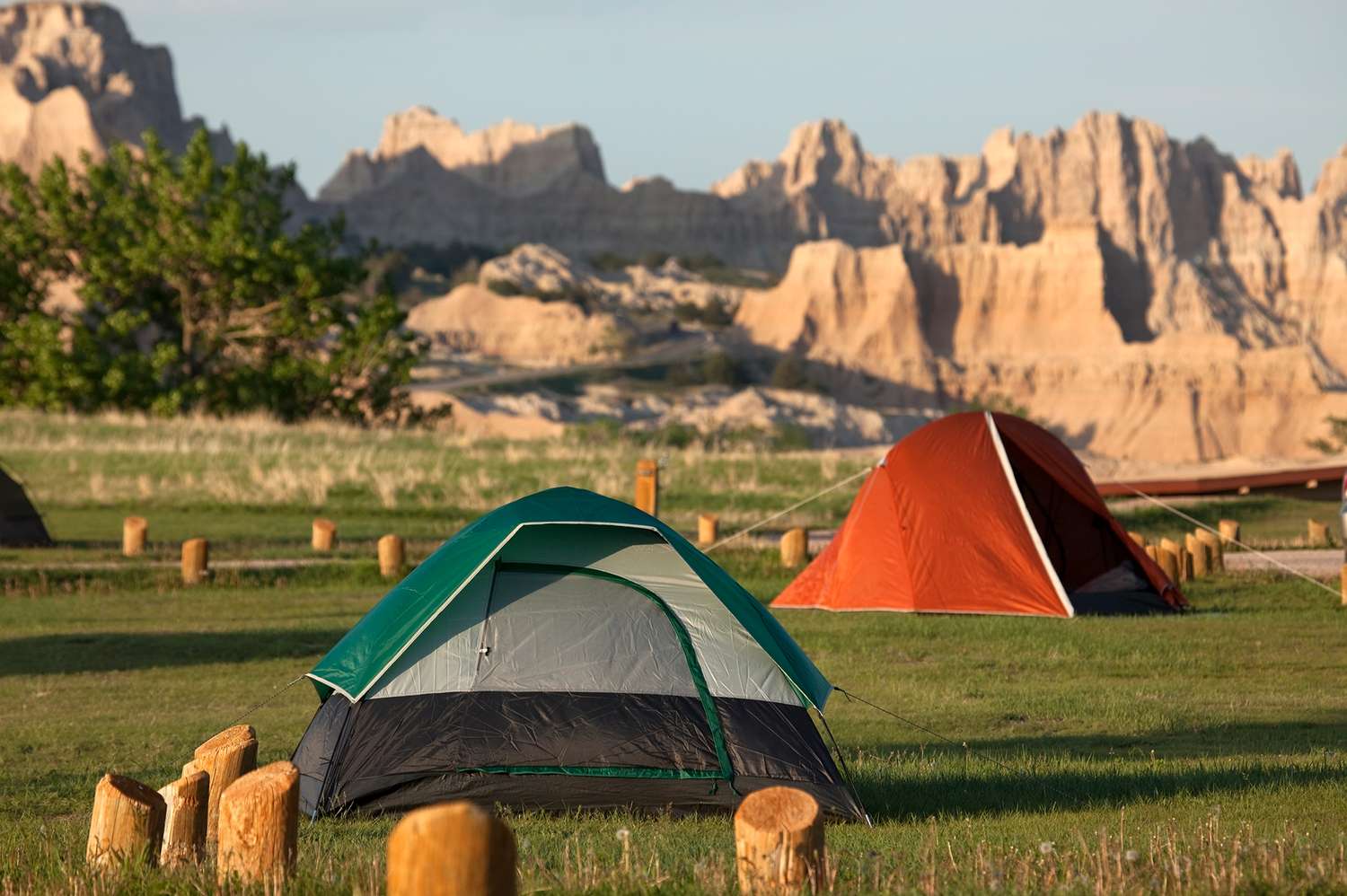
Cedar Pass Campground is the developed heart of the park, located near the Ben Reifel Visitor Center. It is the only option for those seeking Badlands National Park RV camping with hookups. With 96 sites including both pull-through and back-in spots, most of the area offers seasonal amenities like running water and flush toilets. If you are looking for the absolute best view, target the Butte Loop 41-66. These sites sit on the outer edge, offering an unobstructed view of the sharp ridges. Keep in mind that Cedar Pass is cashless and requires reservations during the peak season; it is a popular spot that fills up months in advance.
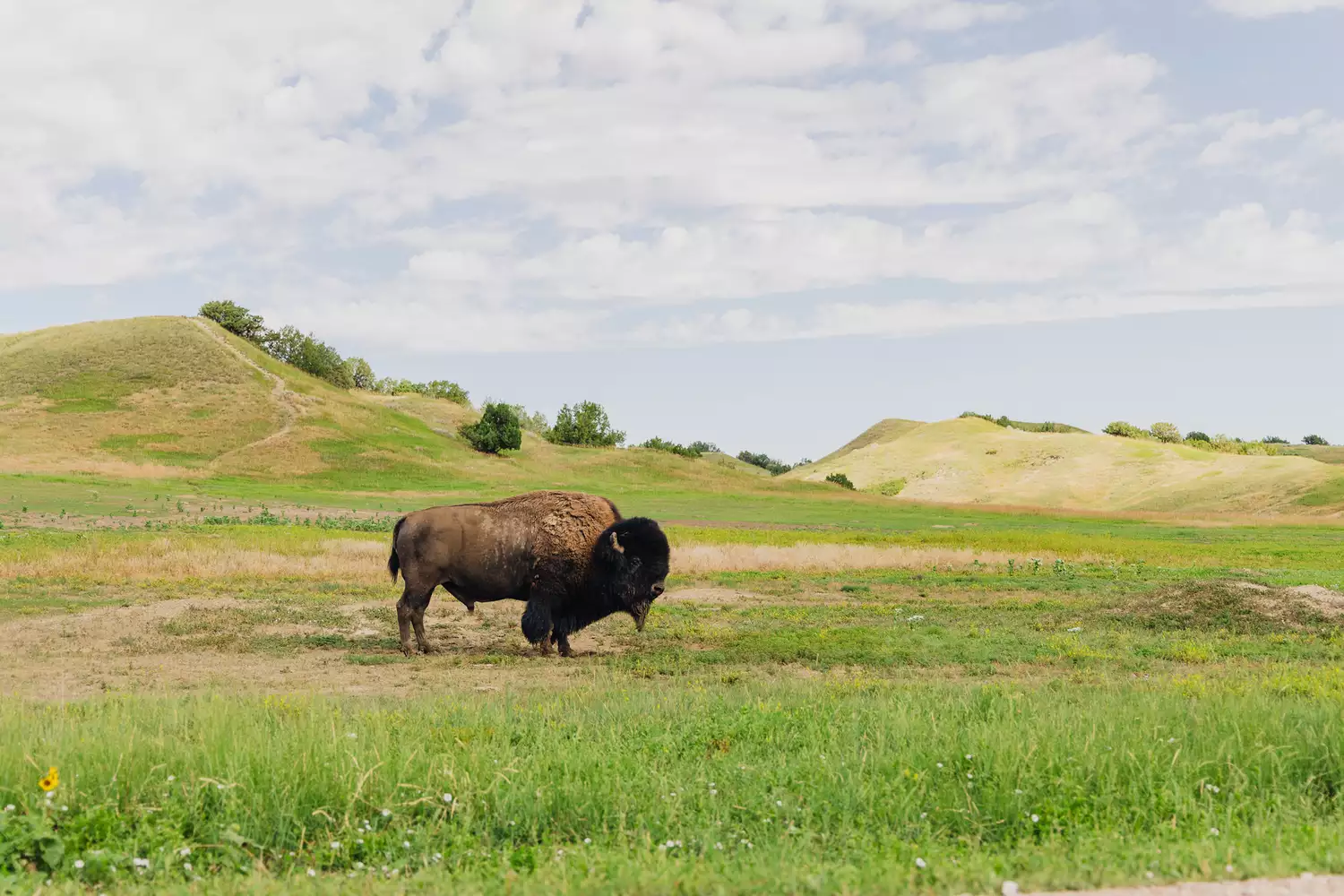
On the other side of the spectrum lies Sage Creek Campground. If you are looking for first come first serve camping Badlands Sage Creek is your destination. This primitive area is free of charge and offers a much wilder experience. You will be sharing your space with dozens of wildlife residents, from prairie dog colonies to massive bison that often wander right through the camp. There are 22 sites available, but there is a catch: the road into the area is unpaved and can become hazardous after rain. Additionally, there is a strict 18-foot vehicle limit, making it unsuitable for large rigs. Unlike Cedar Pass, there is no on-site water, so you must arrive fully prepared.
| Feature | Cedar Pass Campground | Sage Creek Campground |
|---|---|---|
| Sites | 96 sites | 22 sites |
| Reservations | Required/Highly Recommended | First-come, first-served |
| Price | Paid (Approx. $23-$38) | Free |
| RV Amenities | Electric hookups available | No hookups (limit 18ft) |
| Water | Seasonal running water | No water available |
| Vibe | Social, organized, near visitor center | Wild, primitive, wildlife-heavy |
The Rugged Frontier: Backcountry Camping Regulations
For the true explorers, the park offers an open hike policy that is increasingly rare in the National Park System. Badlands backcountry camping regulations are designed to protect the fragile soil while giving hikers freedom. The primary rule is simple: you must be at least a half-mile away from any road or trail, and your site should not be visible from public pathways.
There is no formal permit required for backcountry camping at Deer Haven Badlands or elsewhere in the park, but I always recommend checking in at the Ben Reifel Visitor Center or the Pinnacles Entrance Station to let them know your plans. Deer Haven is one of the few places in the park with a concentration of juniper trees, providing a rare bit of shade and shelter. To get there, you follow a social trail roughly 2.5 miles from the Conata Picnic Area.
Safety in the backcountry is paramount. You are in a landscape with virtually no natural shelter from the sun or wind. Furthermore, safety tips for camping near bison in Badlands emphasize that you must maintain at least a 100-foot distance. These animals appear slow, but they can move faster than you can run. Finally, remember the No-campfire policy. The dry grasses of the prairie are an extreme fire risk. I always pack a reliable backpacking stove for coffee and meals, as wood fires are strictly prohibited park-wide to prevent catastrophic wildfires.
When to Go: Weather and Window of Opportunity
Timing is everything in South Dakota. This park is a land of extremes where temperatures can swing wildly. The best time of year to camp in the Badlands is almost certainly late spring or early autumn. Specifically, September and October offer a goldilocks window where the summer heat has faded, the bugs have disappeared, and the violent thunderstorms of July have passed.
During the peak of summer, temperatures frequently exceed 100 degrees Fahrenheit, making tent camping grueling during the day. Conversely, winter can see temperatures well below freezing, accompanied by high winds that make the prairie feel even colder. If you visit in May or June, you will witness the bighorn sheep sightings as the young lambs begin to navigate the peaks, but you must be prepared for rain and mud that can make the bentonite clay roads impassable.
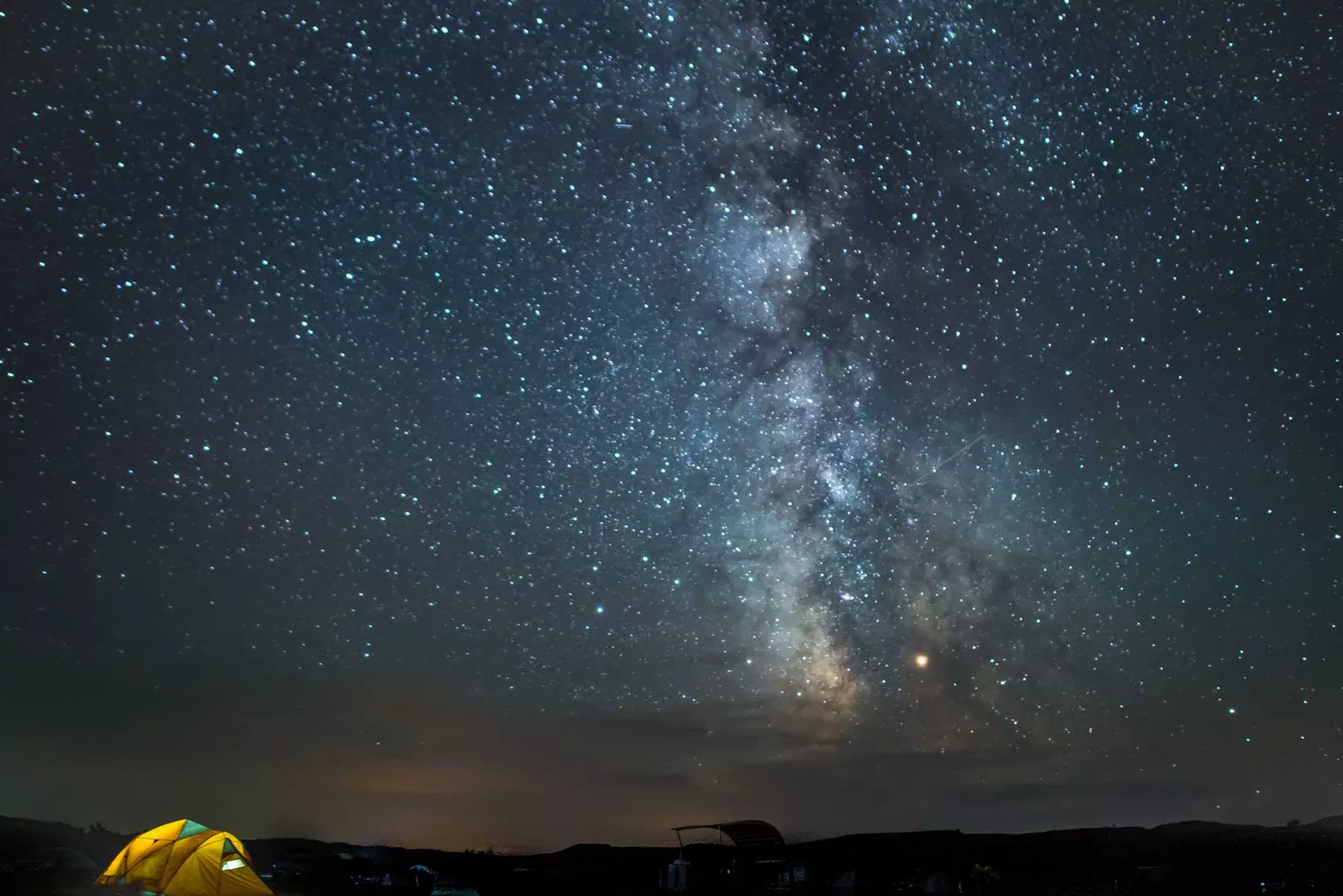
One of the biggest draws for staying overnight is the stargazing at Badlands National Park campgrounds. The park protects roughly 244,000 acres of land and maintains a Bortle Class 2 dark-sky location status. This means on a clear night, you can see the Milky Way with startling clarity, appearing as a thick, luminous cloud stretching across the horizon.
Survival Logistics: Water, Waste, and Gear
Survival in the Badlands requires a different set of skills than forest or mountain camping. The most critical factor is the water. Badlands National Park camping water requirements are non-negotiable because the natural water sources in the park have high sediment content. This fine, silty mud will clog even the most advanced water filters within seconds, rendering them useless. You must carry in every drop you need—at least one gallon per person per day, and more if you are hiking heavily.
Survival Warning: Never rely on park streams or potholes for hydration. The sediment is so fine it stays suspended in the water, and it can cause severe internal distress or ruin your gear.
When packing, I follow a dual-pack strategy. Because the terrain is so photogenic, I often carry heavy camera gear, which means I have to be extremely efficient with the rest of my weight. I rely on Leave No Trace principles for waste management, carrying out everything I bring in. The rugged geologic formations are easily damaged; even a single footprint off-trail can last for years in certain areas of the crust.
For gear, bug protection is essential. I always treat my clothes with Permethrin to ward off ticks and flies, which can be relentless in the tall grass near Sage Creek. A high-quality backpacking stove is my most used piece of gear, providing hot meals without breaking the fire ban. Lastly, bring layers. Even if the forecast calls for 90 degrees, the open prairie allows heat to escape rapidly once the sun goes down, and you will want a jacket while viewing the stars.
FAQ
Do you need a reservation for camping in Badlands National Park?
Reservations are highly recommended for the Cedar Pass Campground, especially during the peak summer months. You can book these online in advance. However, the Sage Creek Campground is entirely first-come, first-served and does not accept reservations. If you plan to stay at Sage Creek, especially on a weekend, try to arrive before noon to secure a spot.
Can you camp for free in the Badlands?
Yes, camping at the Sage Creek Campground is free of charge. Additionally, backcountry camping throughout the park is free and does not require a paid permit, though you should still register your location at one of the visitor centers for safety reasons.
Does Badlands National Park have RV hookups?
The Cedar Pass Campground offers RV sites with electric hookups. There are no water or sewer hookups at the individual sites, though a dump station and water filling station are typically available nearby on a seasonal basis. Sage Creek Campground has a strict 18-foot vehicle length limit and offers no hookups or paved pads.
Is backcountry camping allowed in Badlands National Park?
Backcountry camping is permitted and encouraged for those seeking a more solitary experience. You must remain at least 0.5 miles from any road or trail and ensure your campsite is not visible from any developed areas. Hikers are free to explore the 244,000 acres of the park, provided they follow Leave No Trace principles and the fire ban.
Is it safe to tent camp in the Badlands?
Tent camping is safe provided you respect the environment and wildlife. The primary risks are weather-related (extreme heat, wind, and lightning) and wildlife-related. You must keep a clean camp to avoid attracting animals and maintain at least 100 feet from bison and bighorn sheep. Always secure your tent well, as evening wind gusts on the prairie can be surprisingly strong.