Quick Facts
- Estimated Cost: A premium Philippines destination wedding typically ranges from ₱300,000 to over ₱500,000 for luxury setups.
- Top Regional Sourcing: The MIMAROPA region is the leader in production, providing 35.9 percent of the country’s annual calamansi harvest.
- Logistical Hub: Mactan-Cebu International Airport provides direct access to luxury resorts within a 5-mile radius.
- 2026 Theme Color Palette: Mustard Yellow, Emerald Green, and Citrus White for a botanical minimalist aesthetic.
- Legal Ease: Most high-end resorts offer on-site chapels for multi-faith and Catholic ceremonies to simplify administrative hurdles.
- Primary Harvest: Calamansi ranks as the fourth largest fruit crop in the archipelago, ensuring year-round availability for decor and dining.
Planning a Philippines destination wedding with a botanical theme is best executed in Cebu due to its direct international accessibility and density of high-end resorts. Couples should allow 12 months for planning a destination wedding in the Philippines remotely, utilizing local provenance menus and the custom Barong Tagalog to ground the luxury experience in authentic Filipino culture.
Why Cebu is the Gateway to Your Philippines Destination Wedding
There is a particular kind of magic that unfolds when the sun dips below the horizon in the Central Visayas. The air turns velvety, hummed by the rhythm of the tide against white sand. For the modern couple seeking a Philippines destination wedding, the choice of location is the most critical pillar of the experience. While the ivory sands of Boracay possess undeniable charm, the logistical complexities of multiple transfers can often strip away the serenity of a luxury event.
Cebu, by contrast, offers the sophisticated infrastructure required for a seamless international gathering. The beauty of this region lies in Mactan-Cebu airport accessibility, which allows your guests to transition from a long-haul flight to a poolside cocktail in under thirty minutes. This ease of movement is essential when hosting guests who may be traveling from across the globe.
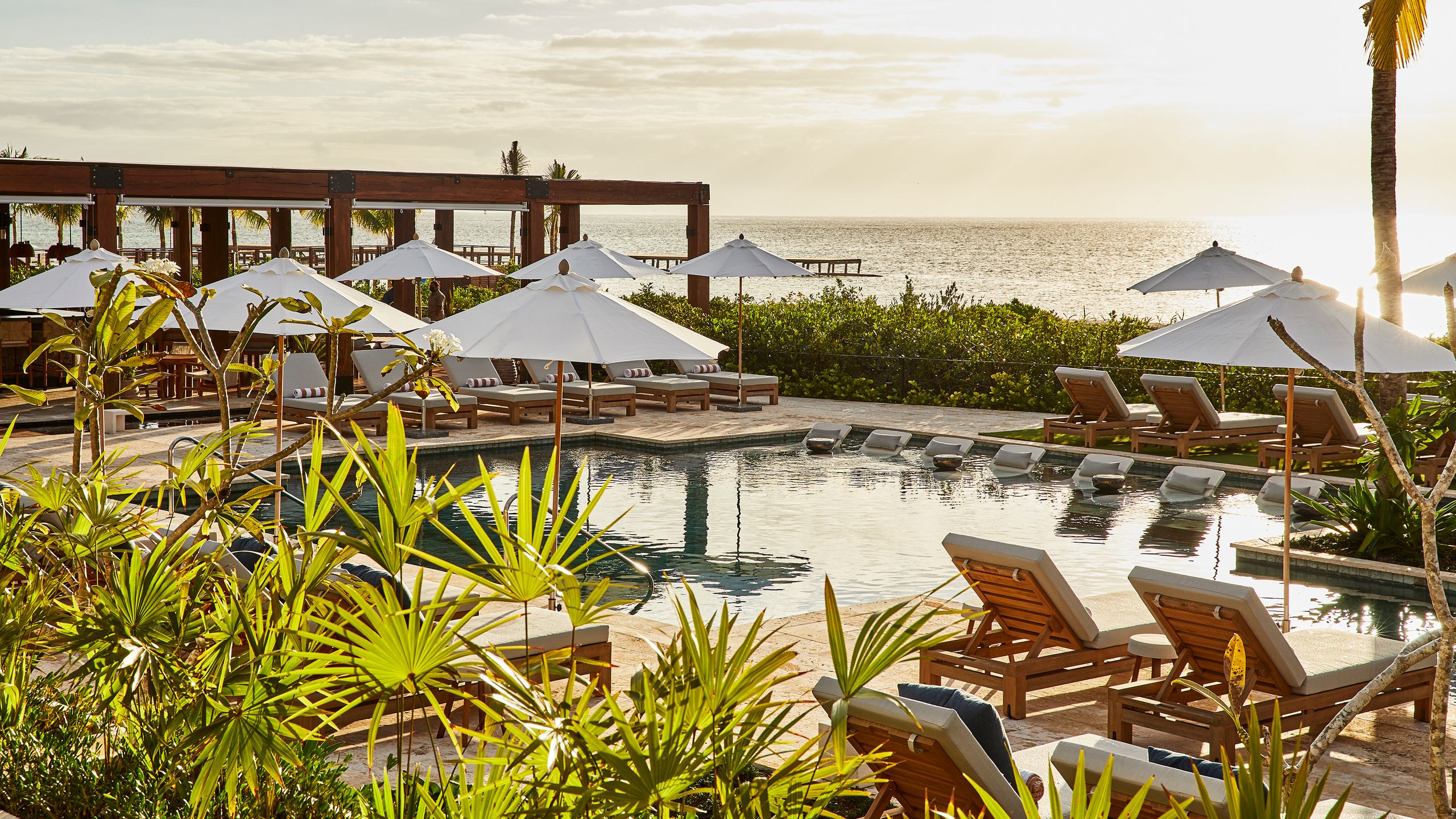
In our experience, the best luxury beach resorts in Cebu for international weddings are those that act as self-contained sanctuaries. Resorts along the coast of Mactan Island provide more than just a backdrop; they offer an ecosystem of service. From dedicated wedding concierges to private white-sand coves, these Mactan Island resorts ensure that every touchpoint of your wedding weekend is handled with the precision of a Swiss timepiece but the warmth of Filipino hospitality. When you choose a Cebu destination wedding guide-approved venue, you are choosing a location where the botanical minimalist tropical wedding theme inspiration feels like a fundamental part of the landscape rather than a temporary installation.
Scent & Sight: The Calamansi Botanical Minimalist Aesthetic
To walk into a reception hall and be greeted by the zesty, bright aroma of freshly sliced citrus is to immediately reset the emotional state of your guests. We are seeing a significant shift toward sensory-led design for 2026. A calamansi-themed wedding is not merely about the fruit itself, but about a botanical minimalist aesthetic that celebrates the greenery and textures of the archipelago.
Calamansi is the fourth most significant fruit crop in the Philippines, trailing only behind the banana, mango, and pineapple. By centering your design on this vibrant fruit, you are tapping into a deep-rooted cultural symbol of freshness and hospitality. The MIMAROPA region contributes approximately 35.9 percent to the national production, and we recommend working with vendors who source directly from these groves to ensure the highest aromatic oil content in the fruit used for your scent-branding.
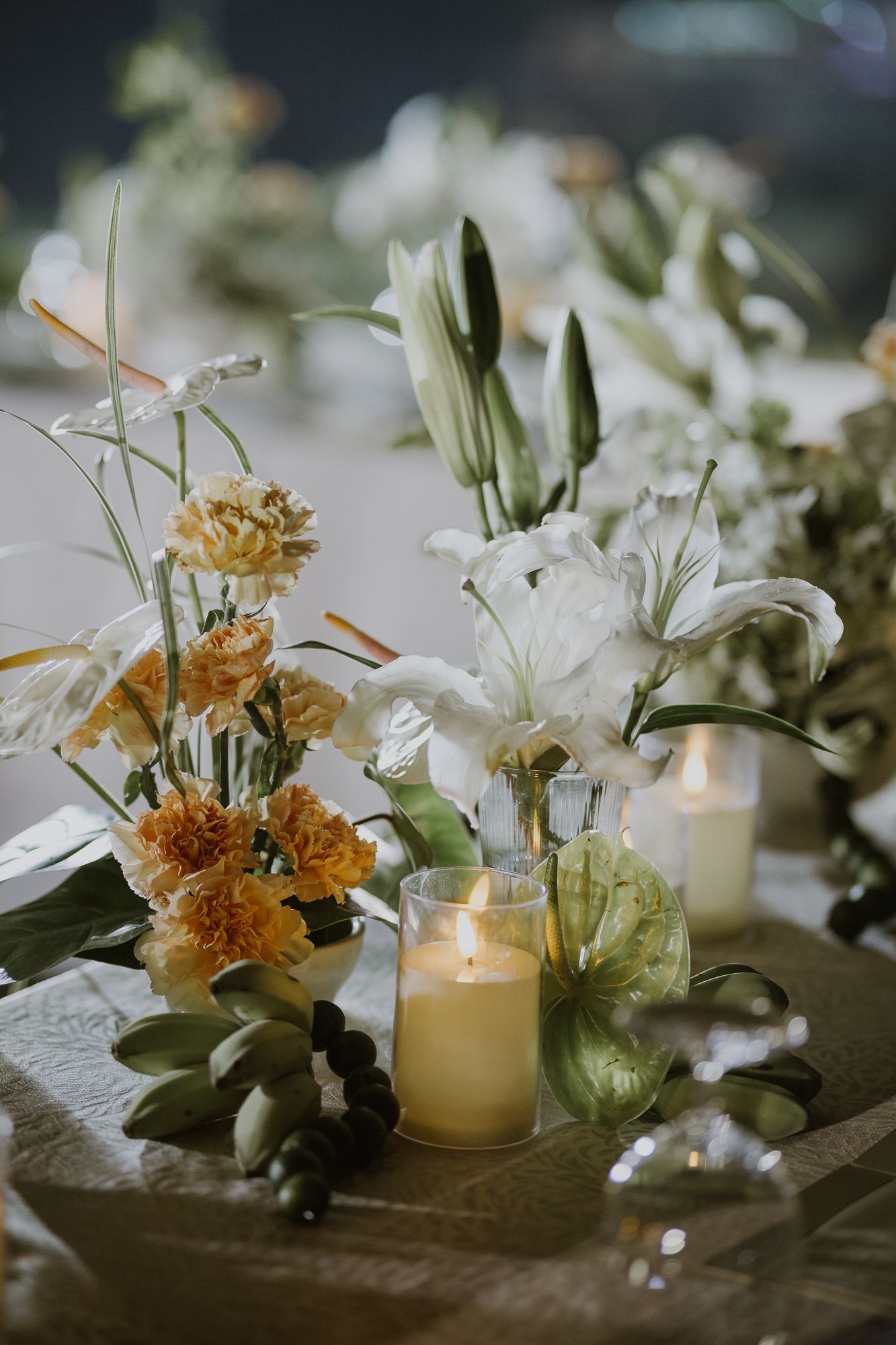
Consider citrus-themed tablescapes that favor white linens and emerald-green foliage. Instead of heavy, imported floral arrangements, lean into indigenous Filipino flora. Think of trailing jasmine (sampaguita), lush coconut palm leaves, and white orchids. For calamansi themed wedding decor ideas for tropical receptions, we love the idea of using the fruit as natural place card holders or scattering them in glass vessels filled with water and floating candles. The Mustard Yellow of the ripe calamansi provides a sophisticated pop of color against the deep greens of tropical palm leaves, creating a visual palette that feels both grounded and celebratory.
A Taste of 2026: Calamansi-Infused Wedding Menus
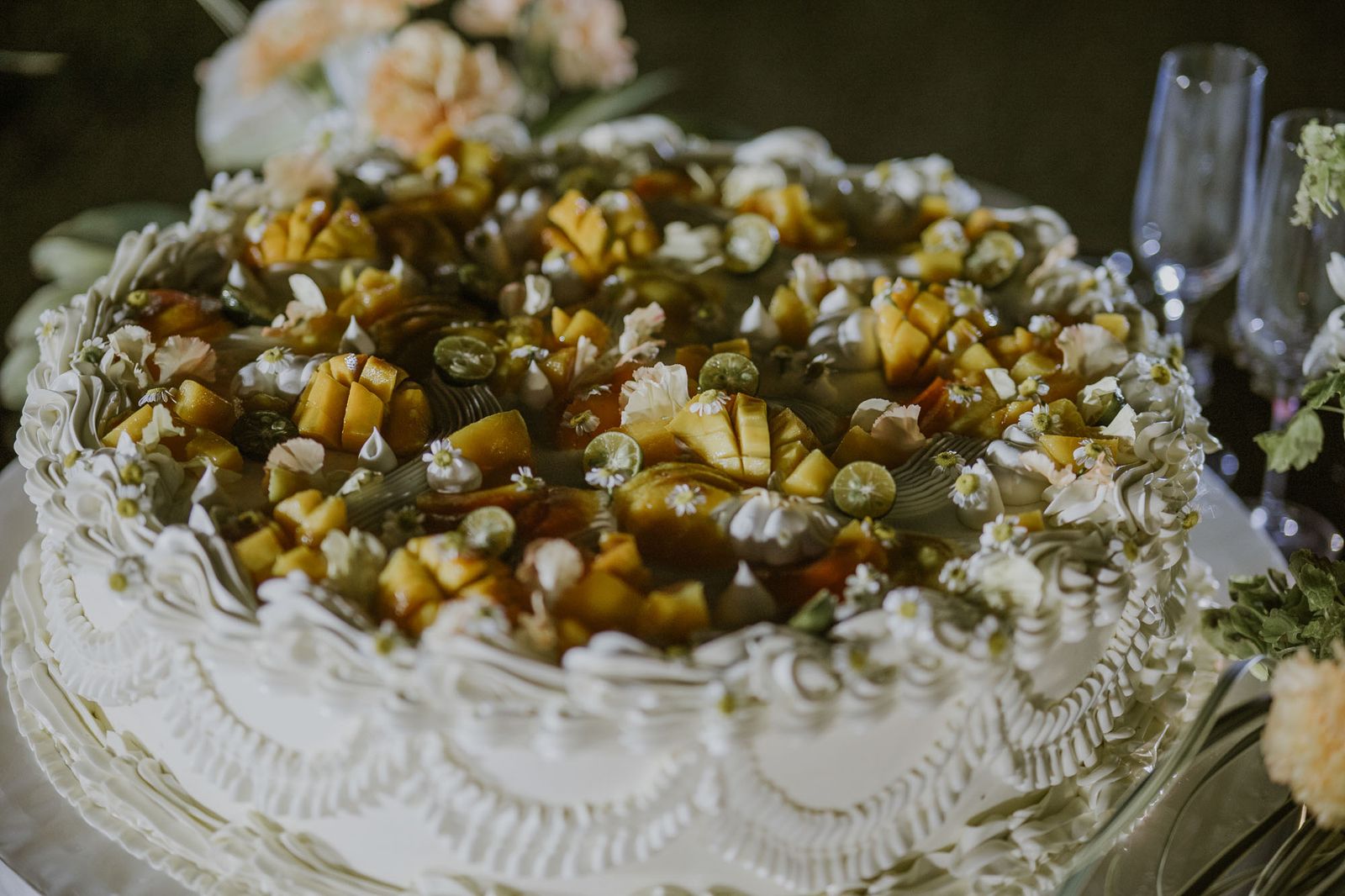
The heart of any Filipino celebration lies in the feast. For a sophisticated destination wedding, the challenge is to elevate traditional flavors into a contemporary fine-dining experience. We suggest a Filipino fusion wedding menu themes approach that balances the salty and fatty richness of the local cuisine with the bright acidity of the calamansi.
No Cebuano feast is complete without the traditional roasted lechon. In Cebu, the pig is stuffed with lemongrass, scallions, and ginger, resulting in a flavor so deep it requires no sauce. However, a modern Filipino fusion wedding menu with lechon and tropical fruits might feature a calamansi-infused gastrique to cut through the richness of the crackling skin. This interplay of sweet, sour, and salt is the hallmark of the Philippine palate.
As we move into 2026, the trend of the sober-curious guest continues to rise. We recommend a signature cocktail program that highlights the versatility of local spirits alongside elevated mocktails. A calamansi-gin fizz made with artisanal local gin is a refreshing classic, while a calamansi and honey-infused sparkling water served in crystal flutes offers a refined non-alcoholic alternative. These beverages serve as more than just refreshment; they are an extension of the botanical theme, garnished with sprigs of local herbs and dehydrated citrus wheels.
Editor’s Tip: When planning your menu, ask your catering team about the seasonality of the calamansi harvest. While available year-round, the fruit is particularly vibrant during the cooler months of the Central Visayas weather patterns, typically from November to February.
Traditional Attire & Cultural Nuances
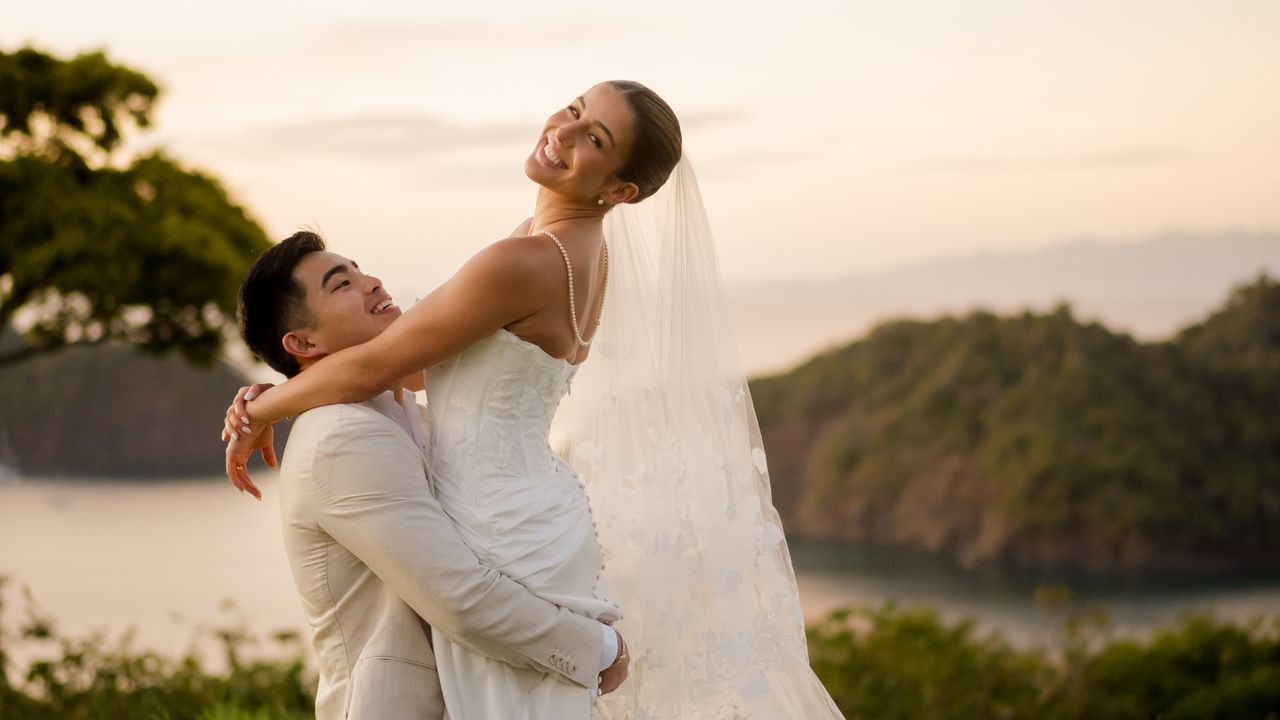
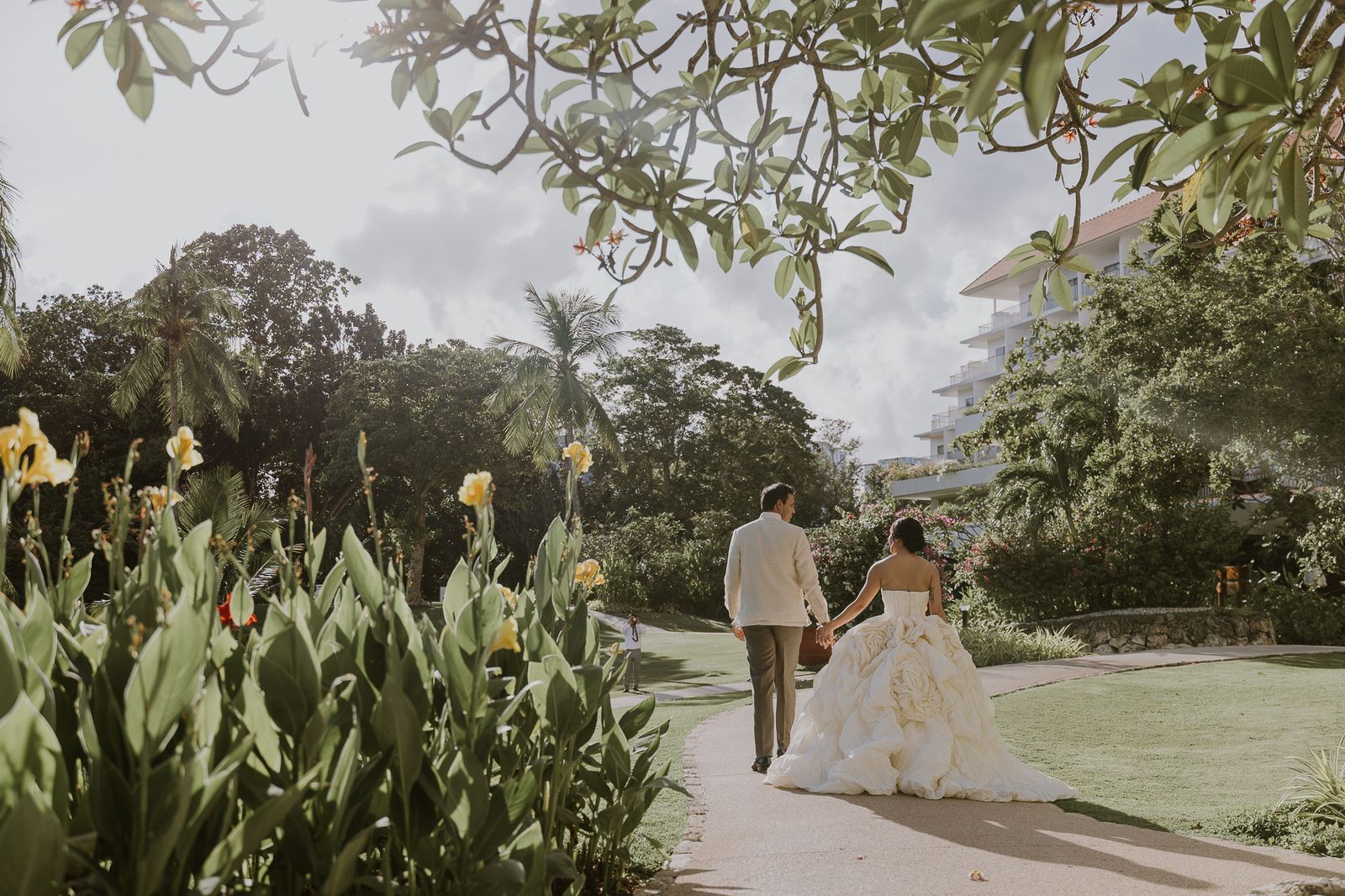
There is an ethereal quality to traditional Filipino wedding attire that perfectly complements a tropical beach setting. For the groom, the Barong Tagalog is the ultimate expression of Filipino elegance. Traditionally made from piña (pineapple fiber) or jusi (silk-blend), the Custom Barong Tagalog is a sheer, embroidered shirt worn over a plain white undershirt. Its breathability makes it ideal for the Philippine humidity, allowing the groom to remain cool while looking impeccably formal.
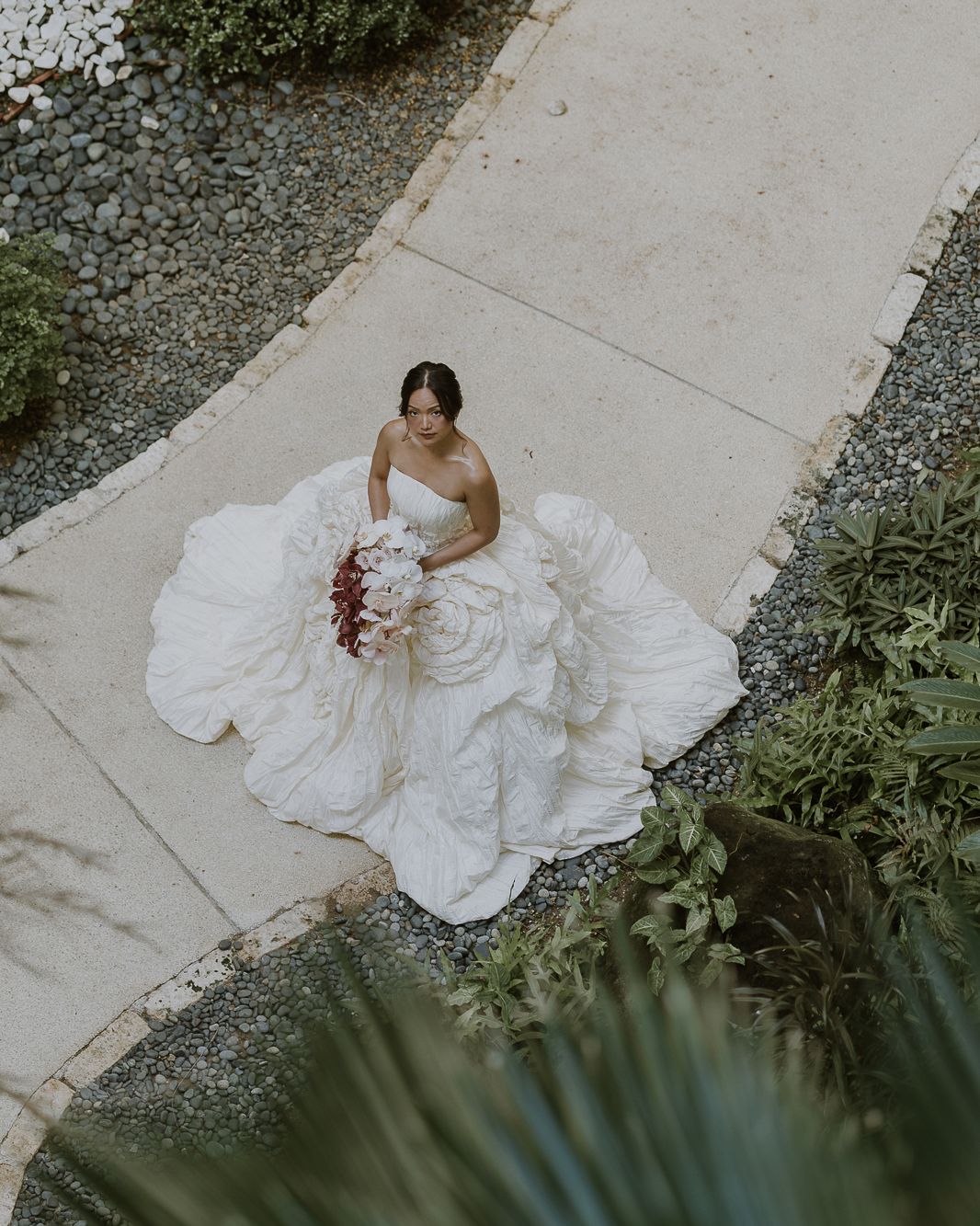
For the bride, a modern take on the Filipiniana gown, featuring the iconic butterfly sleeves, creates a silhouette that is both regal and romantically nostalgic. Many contemporary designers are experimenting with lighter weaves and minimalist embroidery to suit a botanical minimalist theme. Integrating these local artisanal couture pieces into your wedding wardrobe supports local craftsmanship and adds a layer of authentic storytelling to your day.
Handling the logistics of these garments requires careful planning when planning a destination wedding in the Philippines remotely. Local artisans often require several months for custom embroidery and fittings. Furthermore, we must address the reality of international vendor payments. Many boutique designers or smaller local vendors may not accept international credit cards. We suggest arranging bank transfers or using established local payment coordinators well in advance to avoid any technical delays that could stall the production of your bespoke attire.
Navigating Local Realities: Weather, Water, and Laws
While the romance of an island wedding is intoxicating, the practicalities of the Philippines require a steady hand. Central Visayas weather patterns are generally more stable than the northern islands, but one must always account for the tropical climate. The most idyllic months are between December and March when the air is dry and the temperatures are slightly lower.
A significant hurdle for international couples is the legal and religious requirements for marriage. For those seeking a Catholic ceremony, the non-resident Catholic wedding requirements in Philippines chapel settings can be rigorous. You may need to provide proof of baptism, confirmation, and attend pre-marital counseling in your home country. To simplify this, we often recommend that couples hold a legal ceremony in their home country first, followed by a beautiful, symbolic multi-faith ceremony in a resort chapel. Many Mactan Island resorts feature stunning glass-walled chapels that offer the aesthetic of a traditional church without the administrative complexity.
One often overlooked detail is the local noise ordinances. In many areas of Mactan, there are evening noise ordinances that require outdoor music to cease or be significantly lowered by 10 p.m. To keep the celebration going, we suggest moving the after-party into one of the resort’s soundproofed ballrooms or lounges. This ensures your event remains respectful of the local community while allowing your guests to dance the night away.
Finally, consider the financial landscape. A modest wedding in the Philippines can cost between ₱150,000 and ₱300,000, but for those seeking the luxury experience we describe here, budgets often exceed ₱500,000. Clear communication regarding payments is key, as local friction with international banking can be a common stressor during the final weeks of planning.
Local Realities Sidebar: Always ensure your resort has a backup generator (often called 'gensets'). The Philippines can experience occasional power fluctuations, and a luxury resort's ability to maintain air conditioning and lighting during a gala dinner is a non-negotiable requirement for your peace of mind.
FAQ
What is the average cost of a destination wedding in the Philippines?
The cost varies significantly based on the level of luxury. A standard wedding typically ranges from ₱150,000 to ₱300,000, while a high-end destination wedding in locations like Cebu or Palawan frequently exceeds ₱500,000 to account for premium catering, international-standard decor, and resort venue fees.
Which month is best for a wedding in the Philippines?
The optimal time for a wedding is during the dry season, specifically from December to February. During these months, the humidity is lower, and the risk of tropical storms is minimized, providing the best conditions for outdoor beach ceremonies and receptions.
Can foreigners legally marry in the Philippines?
Yes, foreigners can legally marry in the Philippines, but the process involves obtaining a Legal Capacity to Contract Marriage from their respective embassies, followed by a local marriage license which has a mandatory ten-day waiting period. Many couples choose a symbolic ceremony to avoid these administrative hurdles.
How do I start planning a destination wedding in the Philippines?
Begin by selecting a logistical hub like Cebu to ensure guest accessibility. Once the venue is secured, hire a local wedding planner who specializes in international clients to navigate remote vendor payments and coordinate local artisanal talent for attire and decor.
What documents do I need for a wedding in the Philippines?
Essential documents include valid passports, birth certificates, and a Certificate of Legal Capacity to Contract Marriage. If you are planning a Catholic ceremony, you will also need baptismal and confirmation certificates, as well as a permit from your home parish.