Quick Facts
- Location: Joe Batt’s Arm, Fogo Island, Newfoundland and Labrador, Canada
- Ownership: 100% community-owned social business under the Shorefast Foundation
- Architecture: A modernist X-shape designed by Todd Saunders, elevated on stilts
- Impact: 100% of operating surpluses are reinvested into the local community
- Employment: 50% of guest stay costs go directly to local wages
- Culinary: 80/20 rule (80% of ingredients are fished, farmed, or foraged locally)
- Price Range: $1,805 - $3,000+ CAD per night (all-inclusive model)
Fogo Island Inn is a luxury hotel designed by architect Todd Saunders that serves as a benchmark for regenerative design, using local craftsmanship and a social business model to sustain the Newfoundland outport fishing culture. This modernist monument on the edge of the North Atlantic does more than provide a bed; it acts as a cultural engine, proving that high-end hospitality can be a primary tool for environmental and economic renewal.
The Shorefast Vision: From Cod Moratorium to Social Entrepreneurship
To understand why Fogo Island Inn exists, one must look back at the collapse of the northern cod fishery in 1992. For centuries, the outport fishing culture of Newfoundland relied on a barter-based economy. When the fish disappeared, the economic soul of the island was at risk. Enter Zita Cobb, a Fogo Island native who returned home with a vision to translate the island’s heritage into a place-based economy that could survive in a globalized world.
Cobb co-founded the Shorefast Foundation to ensure the islanders would remain the beneficiaries of their own geography. The Inn is not just a hotel; it is a social business where 100% of its operating surpluses are reinvested into the community of Fogo Island through the Shorefast Foundation. This model challenges the traditional extractive nature of luxury travel, where profits often leave the destination.
One of the most radical tools used here is the Economic Nutrition Label. Much like the label on a food packet, this transparency tool shows guests exactly where their money goes. For those wondering is Fogo Island Inn worth the price for luxury travelers, the data provides a compelling answer. At the Fogo Island Inn, 50% of the cost of a guest stay goes directly to the people involved in providing the service, which is a significantly higher percentage than the hospitality industry average of 30%. By staying here, you are not just purchasing a vacation; you are funding the preservation of a way of life.
Architectural Vernacular: Contemporary Stilts & Traditional Stages
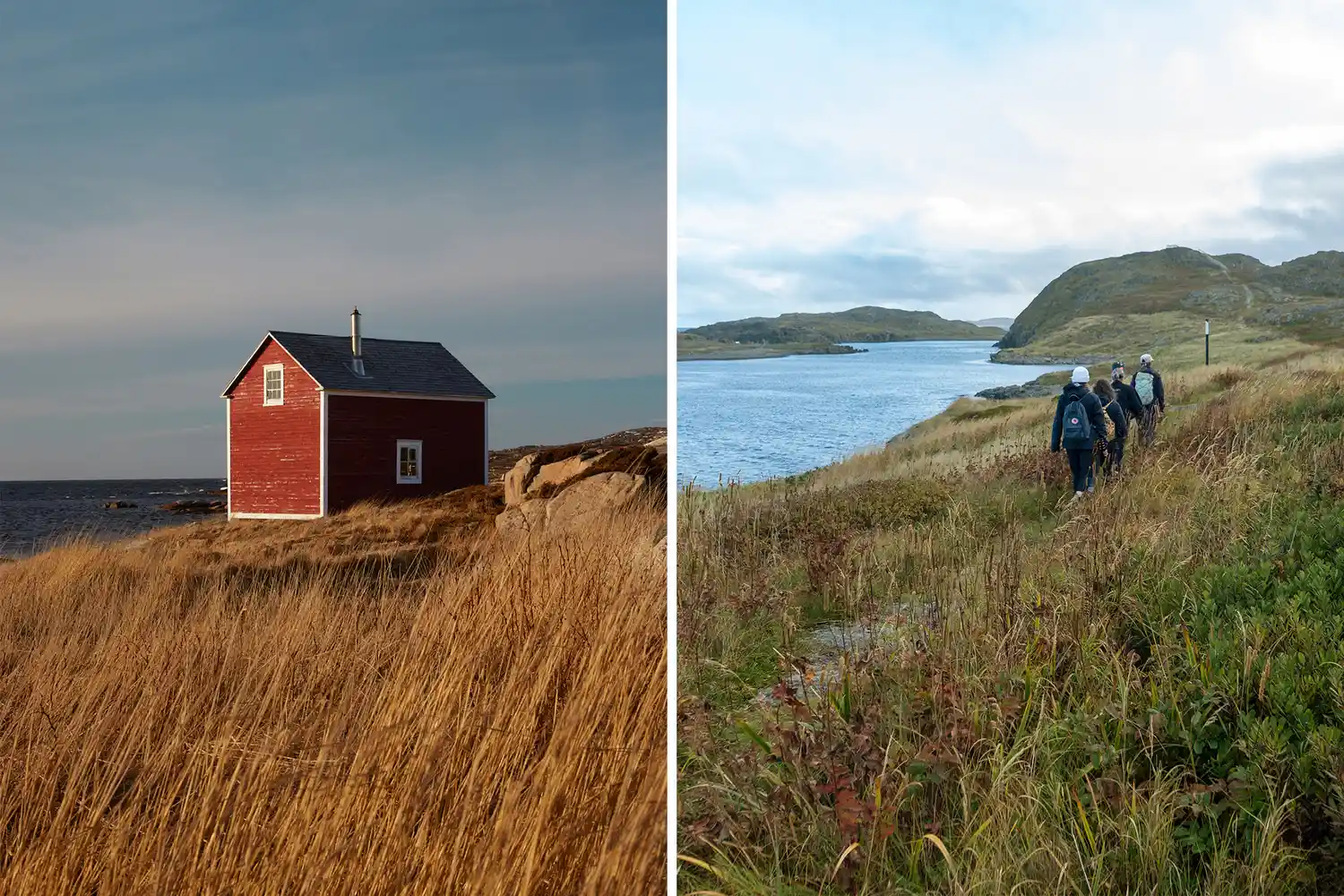
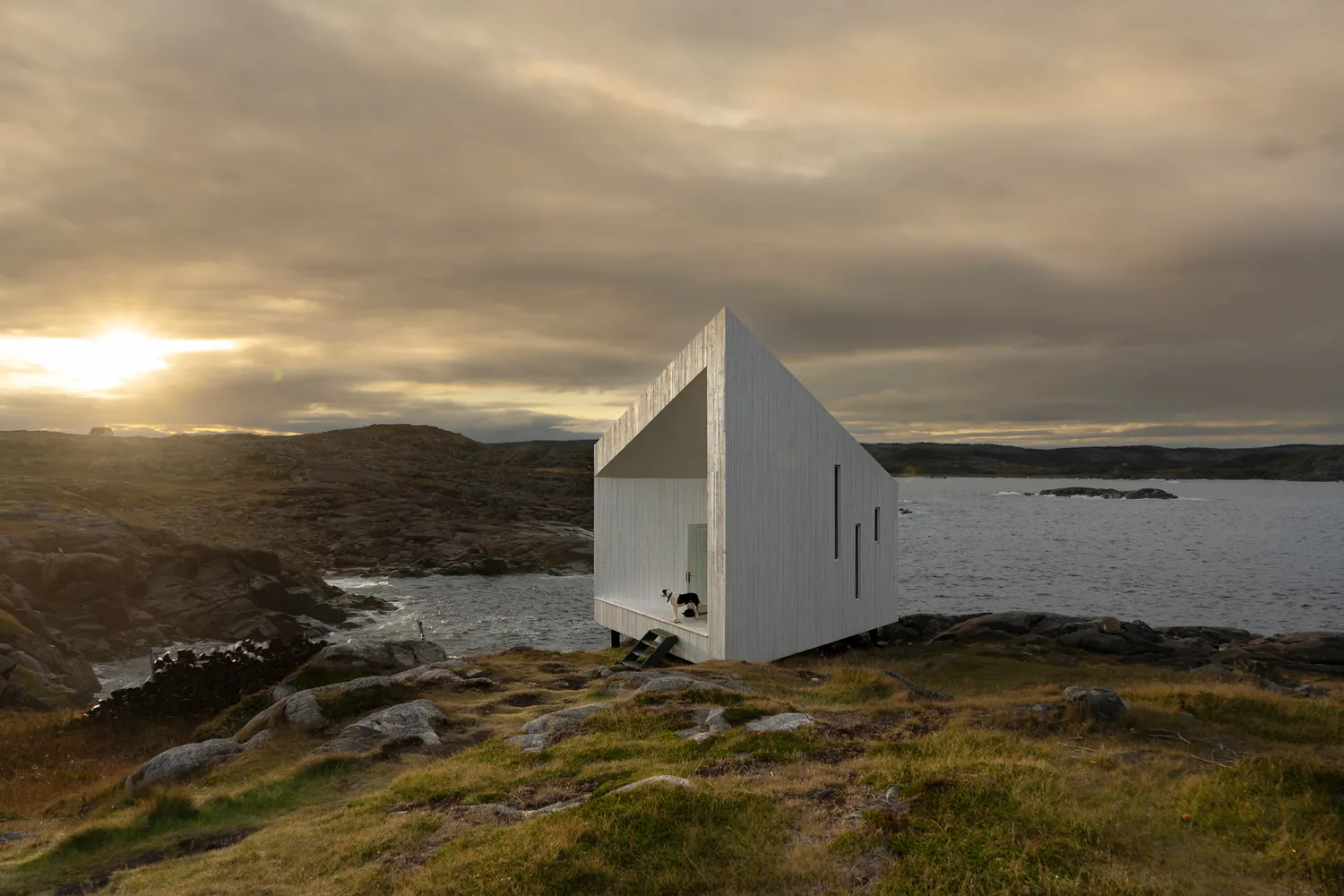
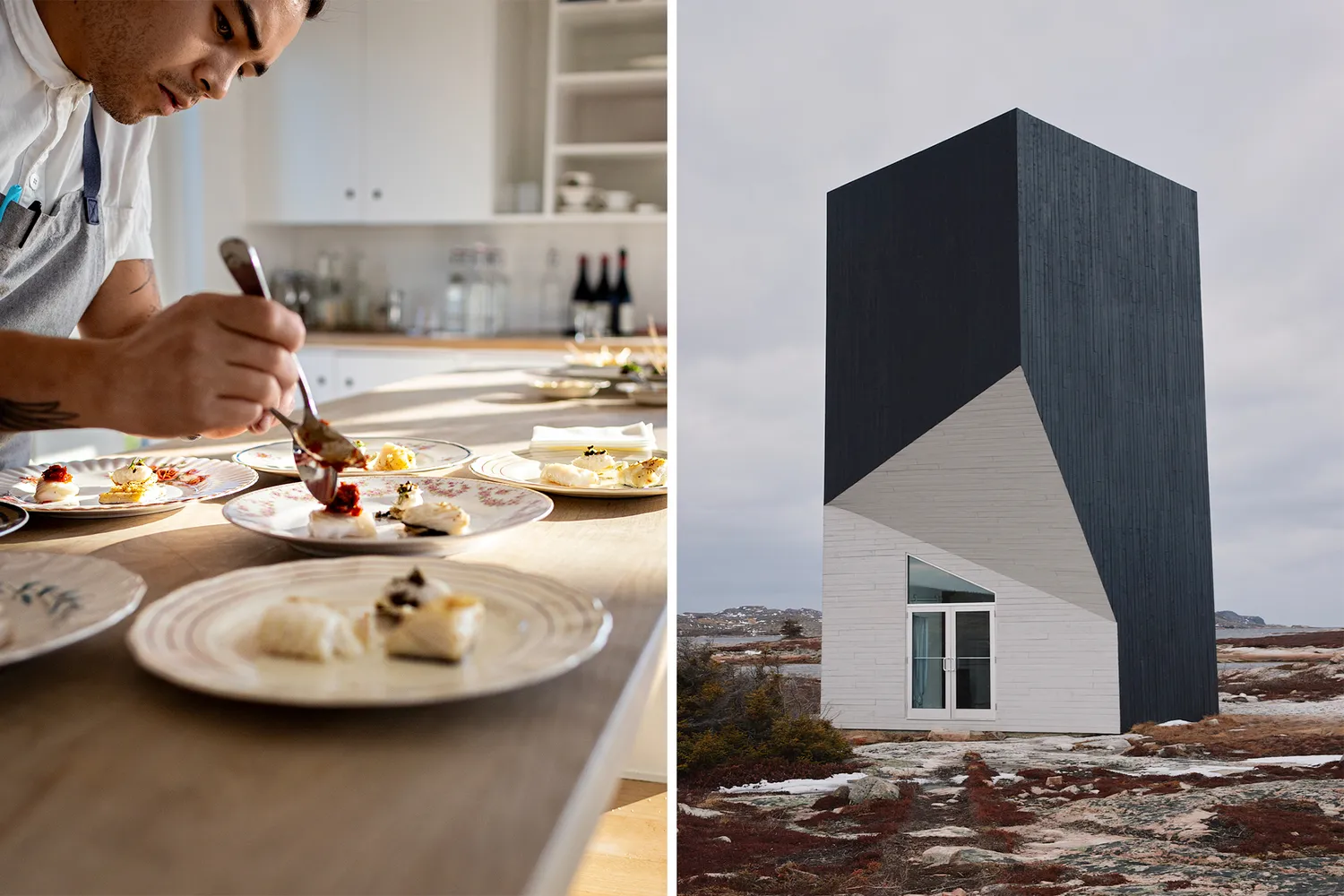
The Fogo Island Inn architecture and regenerative design features are perhaps the most photographed elements of the property, but every line serves a purpose. Architect Todd Saunders, a native Newfoundlander based in Norway, created a structure that feels both impossibly modern and deeply ancient. The building is an X-shaped volume that sits on the jagged rocks of Joe Batt’s Arm, with a portion of the structure elevated on slender stilts.
These stilts are a direct nod to the Newfoundland outport vernacular. Traditionally, local fishermen built wooden "stages" (fishing sheds) on stilts over the water to process their catch. By elevating the Inn, Saunders minimized the physical footprint on the fragile lichen-covered landscape while ensuring that the wind and sea spray could pass underneath. It is a striking example of maritime heritage meeting avant-garde design.
The construction itself was a community effort. Local shipbuilders and carpenters used their knowledge of wood and weather to erect the building, ensuring the craftsmanship was born of the island itself. It is a stunning visual metaphor for the Shorefast mission: standing tall and looking toward the future while being firmly supported by the foundations of the past.
Regenerative Luxury: Inside the Guest Rooms
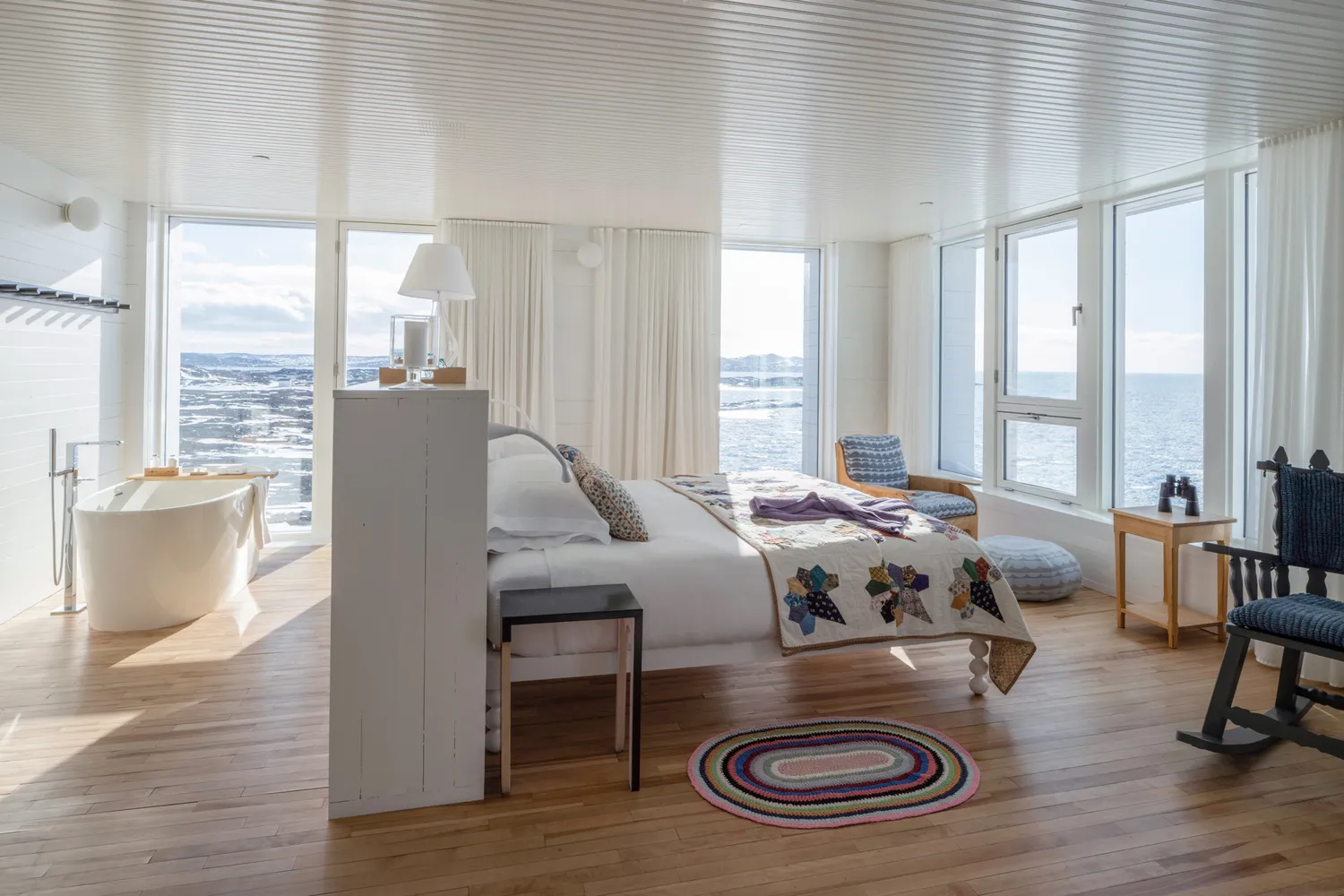
The interior of the Fogo Island Inn feels like an extension of the island’s living rooms. There is no corporate beige here. Instead, visitors find a vibrant celebration of local skill. The 29 guest rooms are filled with objects that tell stories: hand-tied quilts made by the local Guild, the iconic Punt Chair crafted by island woodworkers, and custom-designed furniture that reimagines the traditional outport aesthetic.
The Daybreak Basket Ritual
One of the most cherished Fogo Island Inn guest room amenities and daybreak basket rituals occurs every morning. Before you even head down for breakfast, a wooden basket is quietly left outside your door. Inside, you’ll find a thermos of hot coffee or tea and fresh-baked pastries. It is designed to be enjoyed while watching the North Atlantic waves crash against the rocks through floor-to-ceiling windows, providing a moment of quiet contemplation before the day begins.
Craftsmanship in Every Detail
Every room features traditional wood craftsmanship, from the solid wood floors to the bespoke cabinetry. The textures are tactile and warm—think natural wools and locally sourced wood. Many rooms also feature wood-burning stoves, which are essential for the colder months, adding a layer of cozy "hygge" to the remote wilderness setting. The bathroom amenities are also selected with an eco-conscious lens, reflecting the regenerative tourism Fogo Island ethos.
Seven Seasons and Local Immersion: What to Do
The island does not follow the standard four-season calendar. Instead, Fogo Island Seven Seasons offer a more nuanced understanding of the ecological rhythms of the North Atlantic. This seasonality is a key part of the regenerative tourism Fogo Island experience, encouraging guests to appreciate the island in all its moods.
- Pack Ice (March): Witness the majestic arrival of the ice floes from the Arctic.
- Spring (April-May): A time of awakening, where the first flowers emerge and the ice begins to break.
- Trap Berth (June): The start of the fishing season, steeped in local history and tradition.
- Summer (July-August): Mild temperatures and long days, perfect for coastal hiking and whale watching.
- Berry (September-October): The hills turn orange and purple as the island becomes a carpet of edible berries.
- Late Fall (November-December): A season of wind and wild weather, ideal for storm watching by the fire.
- Winter (January-February): A crisp, snowy landscape perfect for snowshoeing and outdoor fires.
When planning a three-night stay at Fogo Island Inn, the activity schedule is deeply rooted in the community. Through the Community Host program, guests are paired with local residents who provide an orientation to the island. These aren't polished tour guides; they are neighbors sharing their personal history, taking you to see Brimstone Head (reputedly one of the four corners of the flat earth) or pointing out the best spots for wildcrafting and foraging.
For those interested in the arts, the island is home to several modernist artist studios. These structures, also designed by Todd Saunders, serve as sites for cultural exchange. Guests can visit these studios and see how the rugged landscape of Iceberg Alley inspires contemporary creators from around the world.
The Culinary Program: An 80/20 Philosophy
Eating at the Inn is a lesson in geography. To ensure food security and support local producers, the Inn’s culinary program adheres to an '80/20' rule, ensuring 80% of all food ingredients are fished, farmed, hunted, or foraged from Newfoundland and Labrador.
Depending on the season, you might find snow crab, salt cod, partridgeberries, or greens foraged from the shoreline on your plate. This approach significantly reduces the carbon footprint associated with long-distance food transport while pumping money directly into the pockets of local harvesters. It is a sensory manifestation of the place-based economy that Zita Cobb and Shorefast have worked so hard to build.
Getting There: Logistics of Remote Travel
Reaching this remote sanctuary is part of the experience. Fogo Island is located off the northeast coast of Newfoundland, and the journey requires patience and planning.
- Fly to Gander: Most travelers fly into Gander International Airport (YQX).
- The Drive: From Gander, it is about a 1.5-hour drive to the ferry terminal at Farewell.
- The Ferry: Take the ferry to Fogo Island (approximately 45 minutes to 1 hour). Note that the ferry schedule varies by season and weather conditions.
- Final Leg: Once on the island, it is a scenic 30-minute drive to the Inn in Joe Batt’s Arm.
The Inn typically requires a three-night minimum stay, which is essential to truly decompress and engage with the local community. Given the logistical effort involved, most guests find that a short weekend is simply not enough time to absorb the island's rhythm.
FAQ
How do you get to Fogo Island Inn?
Travelers usually fly into Gander International Airport (YQX) in Newfoundland. From there, you take a car to the ferry terminal at Farewell and board a boat to Fogo Island. Once on the island, a short drive across the rugged landscape leads you to Joe Batt’s Arm, where the Inn is located.
Is Fogo Island Inn worth the price?
For those who value regenerative design and social impact, the answer is a resounding yes. While the rates are high, the transparency of the Economic Nutrition Label shows that a significant portion of the cost goes toward fair local wages and community reinvestment, making it a responsible choice for conscious luxury travelers.
Is Fogo Island Inn all-inclusive?
Yes, the Inn operates on an all-inclusive model. This includes your guest room, all meals (excluding alcoholic beverages), a daybreak basket, a community host orientation and unique activities and tours at Fogo Island Inn, and full access to all facilities like the rooftop saunas and cinema.
What is the best time of year to visit Fogo Island?
The best season to visit Fogo Island Inn for wildlife is often Summer for whales or Pack Ice season for seals. However, each of the seven seasons offers something unique. Berry season is fantastic for foodies who enjoy foraging, while the winter months offer a stark, peaceful beauty.
Who owns the Fogo Island Inn?
The Inn is a community-owned social business. It was established by the Shorefast Foundation, a federally registered charity founded by Zita Cobb and her brothers. All profits from the Inn are returned to the foundation to fund community projects on Fogo Island.