Quick Facts
- The Essence: Maritime scotch whisky is defined by its maturation in coastal environments, which imparts unique briny scotch whisky flavors.
- Geographic Pillars: The most iconic regions for these spirits include Islay, Campbeltown, and the Northern Highlands, specifically around the town of Wick.
- The Mechanism: Sea salt and iodine are absorbed during the maritime whisky maturation process as the barrels breathe the coastal air.
- 2026 Trend: Industry experts predict a surge in demand for unpeated maritime malts that highlight saline finish profiles over heavy smoke.
- Economic Scale: In 2024, the Scotch Whisky Association reported that 1.4 billion 70cl bottles of Scotch were exported globally, which breaks down to 44 bottles shipped every second.
- Top Performance: The distillery Laphroaig, famed for its seaside character, is currently the sixth-best-selling single malt whisky brand in the world.
Maritime scotch whisky acquires its distinct briny character through a maturation process influenced by the coastal ecosystem. As evaporation—known as the angel’s share—occurs within the warehouse, the surrounding sea air is drawn into the wooden casks, infusing the spirit with salt, iodine, and seaweed notes over years of aging.
The Alchemy of Air: How Sea Salt Enters the Barrel
Standing on the edge of the pier in Wick, the air is thick enough to taste. It is a cool, damp mist that clings to your coat and leaves a fine crystalline residue on your lips. This is the environment where maritime scotch whisky is born. Many newcomers ask if the salt is added during distillation, but the truth is far more poetic. The brine is a gift from the atmosphere, a byproduct of the maritime whisky maturation process that transforms a sharp, clear spirit into a complex amber liquid.
Inside the dunnage warehouses, where casks are stacked no more than three high on damp earthen floors, a physical exchange occurs. Because oak is a porous material, the barrels "breathe." Each year, approximately 2% of the liquid inside evaporates into the surrounding air—a phenomenon famously called the angel’s share. However, nature abhors a vacuum. As the alcohol and water vapor escape, the dense, humid warehouse humidity, saturated with the North Sea influence, is drawn into the wood.
This oceanic terroir is not just about temperature; it is about the chemistry of the coast. The salt does not evaporate with the water, but sea spray and microscopic salt particles settle on the exterior of the barrels and eventually permeate the staves. Over a decade or more, this constant respiration integrates saline and iodine notes directly into the spirit. When matured in ex-bourbon barrels, this saltiness balances the natural vanilla and honey sweetness of the oak, creating a profile that feels both rugged and refined.
Regional Profiles: Smoke vs. Brine
When exploring briny scotch whisky flavors, it is essential to distinguish between the different coastal personalities of Scotland. Not all salt is created equal in the glass. For those identifying sea spray notes in maritime whisky, the experience can range from a delicate seaside breeze to a full-on Atlantic storm.
In the south, Islay provides the most intense version of this profile. The island is famous for its peat, which is composed of ancient marine matter. When the barley is dried over this peat smoke, it picks up medicinal brine and seaweed and kelp characteristics even before it enters the barrel. Laphroaig, situated right on the water's edge, is the master of this style. Its spirit is famously described as having a medicinal, iodine-heavy profile that evokes bandages and ship decks.
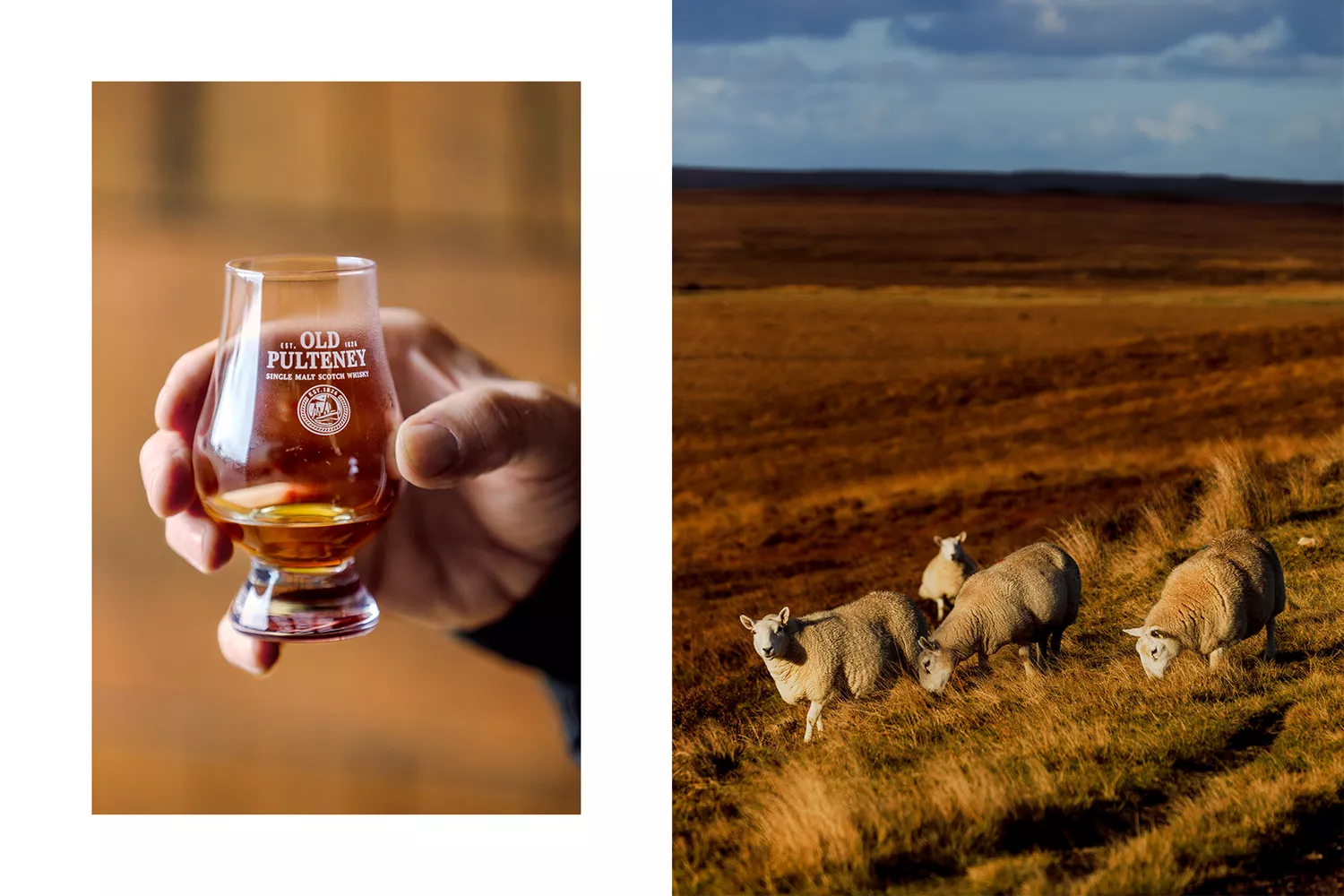
Contrast this with the Northern Highlands and the "Maritime Malt" of Old Pulteney. Here, you will find salt without the smoke. The focus is on a clean, sharp brine that cuts through notes of green apple and honey. Meanwhile, the legendary region of Campbeltown offers a different sensation entirely. Distilleries like Glen Scotia or Springbank are known for an oily mouthfeel and a certain "seashore funk" that combines salt with industrial, mechanical notes of engine oil and wool.
Product Spotlight: Laphroaig 10 Year Old
- Region: Islay
- ABV: 40% - 43%
- Cask Type: Refill Bourbon
- Profile: Intense peat smoke, medicinal iodine notes, and a long, seaweed-heavy finish.
Product Spotlight: Old Pulteney 12 Year Old
- Region: Highlands (Wick)
- ABV: 40%
- Cask Type: Ex-bourbon
- Profile: Honeyed sweetness, bright citrus, and a distinctive saline finish that lingers like sea spray.
Planning Your 2026 Coastal Distillery Tour
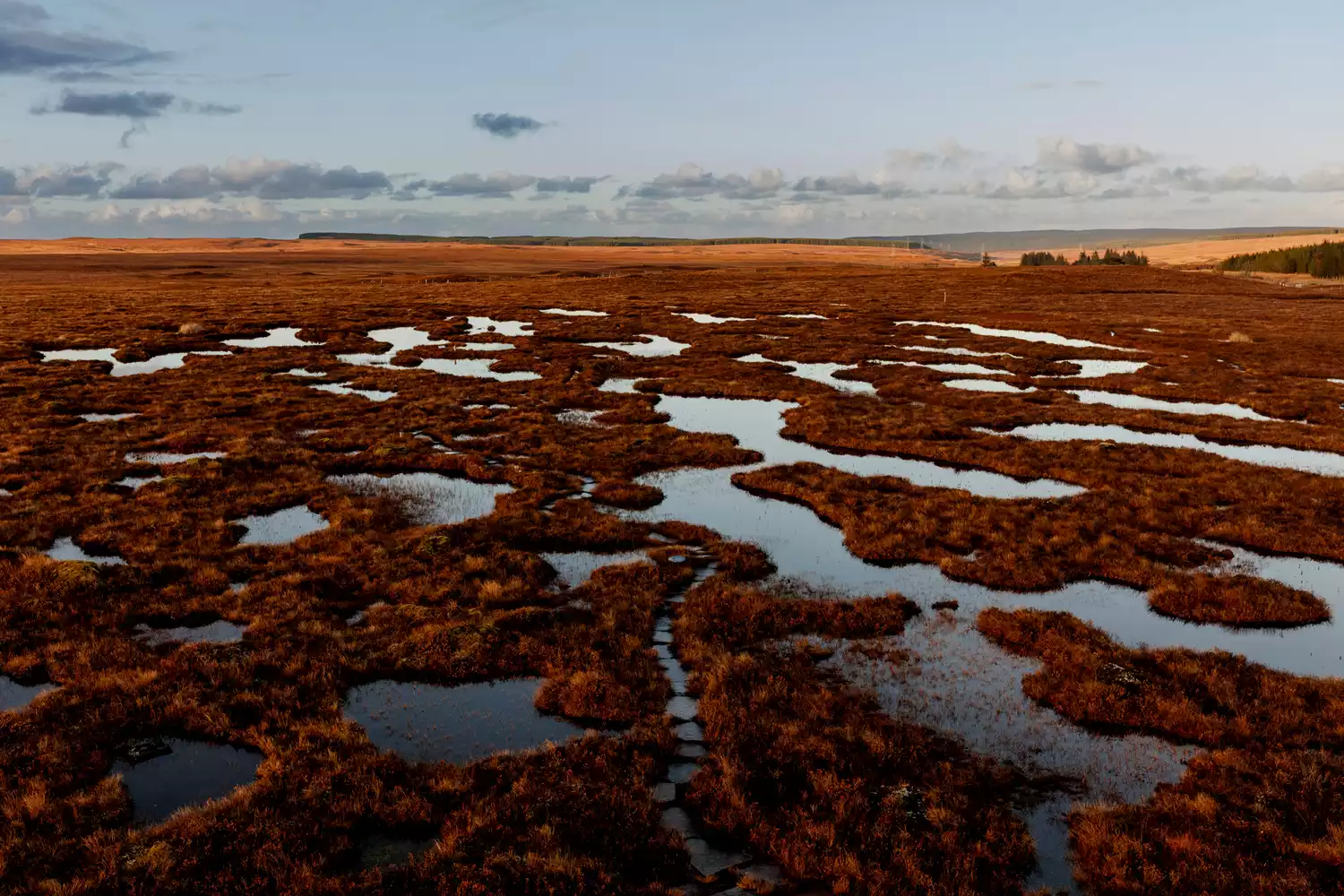
For the adventurous traveler, planning a 2026 coastal distillery tour in scotland offers more than just tastings; it is a pilgrimage through some of the world's most dramatic landscapes. The most rewarding route remains the North Coast 500, a circuit that winds through the rugged Highlands and stops at historic maritime icons.
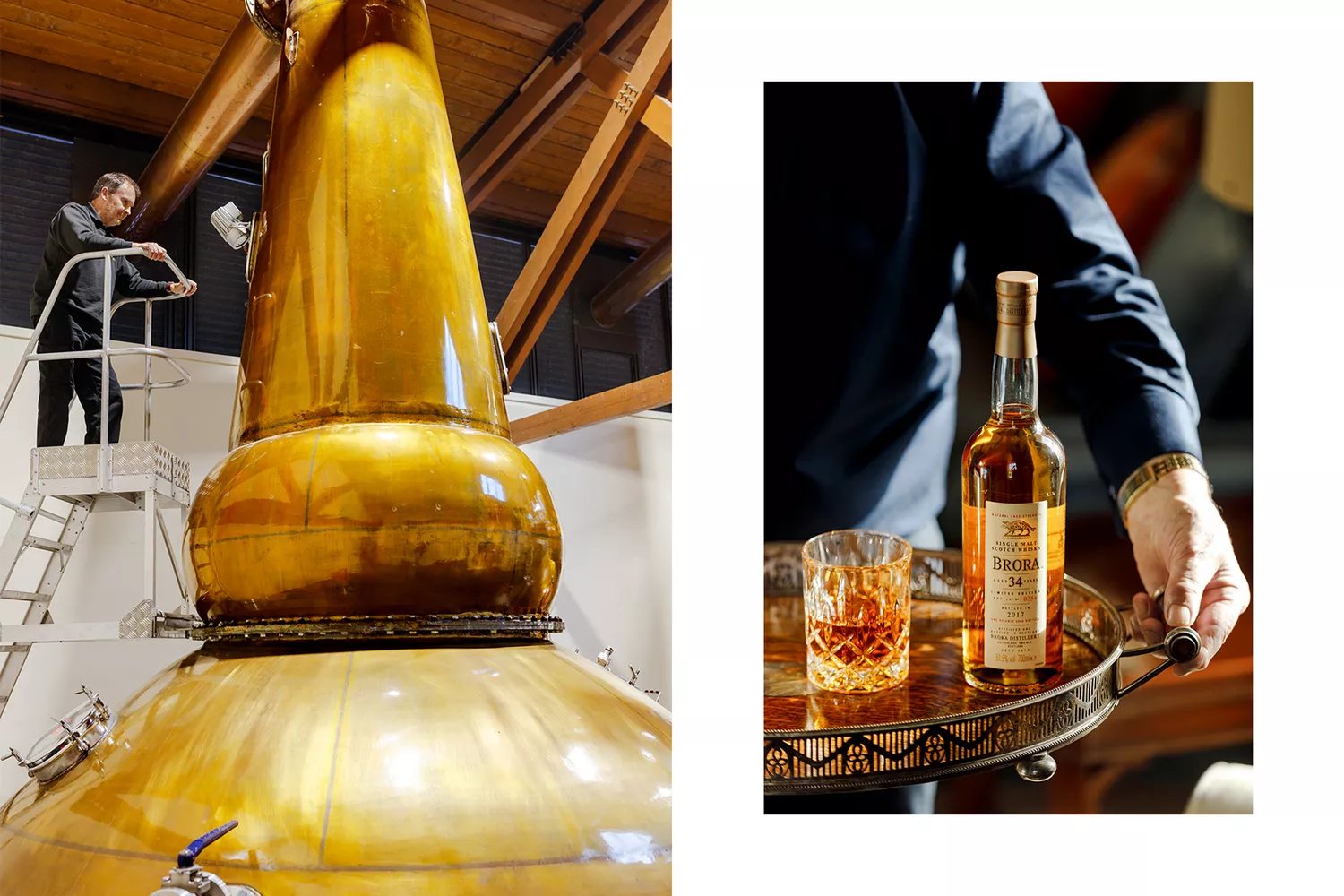
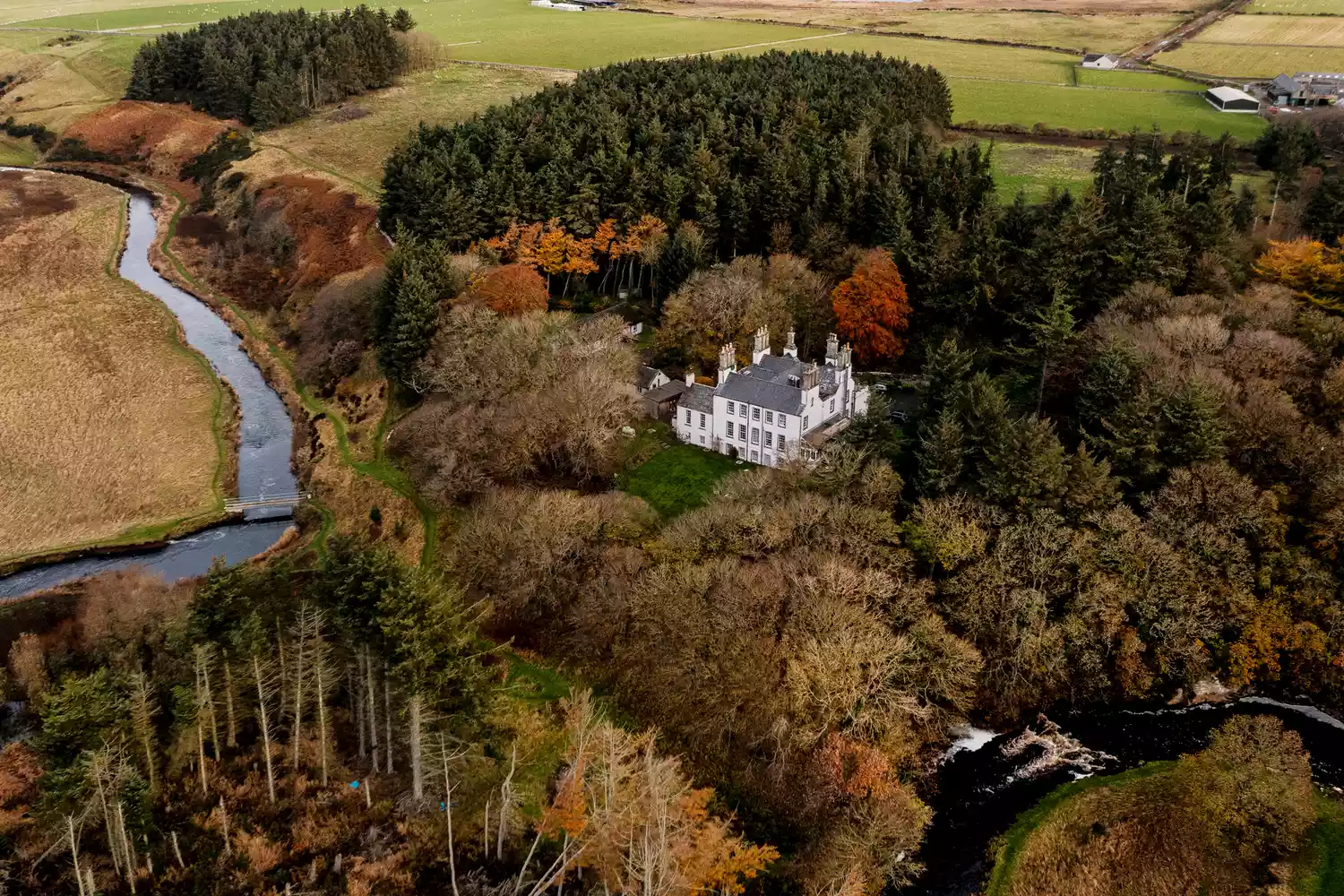
In 2026, the highlight for many will be the newly resurrected Brora distillery, which sat silent for decades but is now producing spirit once again. Further north, a stop at Old Pulteney in Wick is essential to understand why this town was once the herring capital of Europe. When visiting these sites, I recommend staying in local boutique retreats to truly soak in the atmosphere.
Planning logistics for these remote areas requires foresight. The Scottish islands and northern reaches are subject to the whims of the weather and limited transport capacity.
| Service | Recommended Booking Lead Time | Why It Matters |
|---|---|---|
| CalMac Ferries | 3-4 months in advance | Essential for reaching Islay; spaces for cars fill up rapidly in peak season. |
| Islay Taxis | 4-6 weeks in advance | There are very few drivers on the island; walking between distilleries is not always feasible. |
| Distillery Tours | 2-3 months in advance | Premium tastings, like the warehouse-exclusive sessions at Port Charlotte, have limited spots. |
| NC500 Accommodation | 6-8 months in advance | 2026 is expected to be a record year for North Coast 500 travel. |
Beyond the Glass: Pairing and Culture
To truly appreciate maritime scotch whisky, one must look at the plate as well as the glencairn. The culinary tradition of coastal Scotland is built on the same elements found in the glass. For centuries, the town of Wick relied on the herring trade. These "Silver Darlings" were salted and exported by the millions, creating a culture where salt was the currency of life.
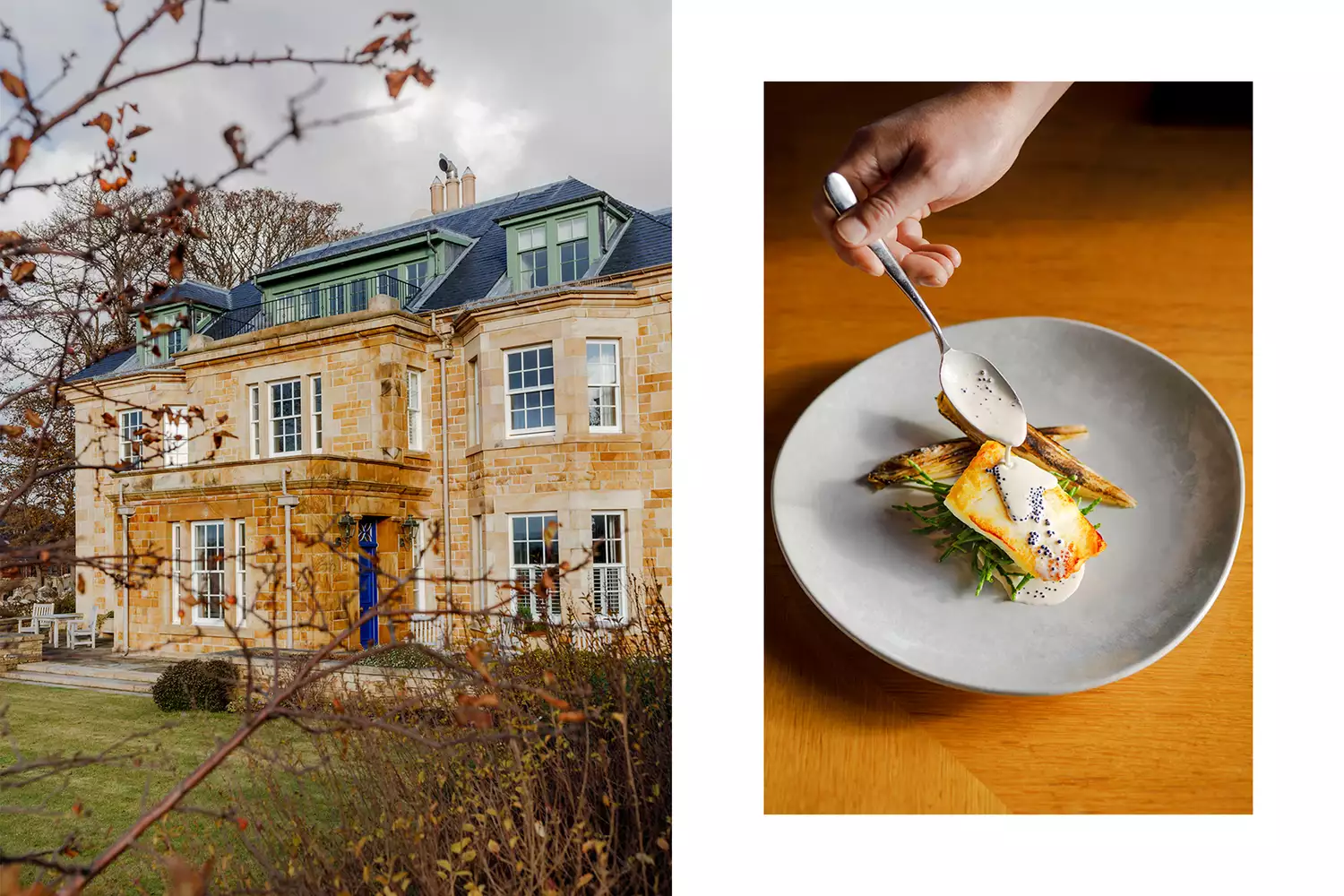
When considering best maritime scotch whiskies for beginners, try pairing them with local seafood. The sharp, briny kick of an Old Pulteney acts much like a squeeze of lemon over a fresh oyster or a piece of smoked herring. The saline finish of these whiskies cuts through the fat of oily fish, while the salt in the spirit enhances the sweetness of the seafood.
I recently enjoyed a glass of coastal malt alongside a lobster roll on the shores of Islay. The iodine notes in the whisky mirrored the mineral flavors of the shellfish, while the malt's sweetness provided a beautiful counterpoint to the buttery brioche. This connection to the land and sea is what makes maritime malts so resonant—they are not just drinks; they are liquid records of a specific time and place.
FAQ
What defines a maritime Scotch whisky?
A maritime Scotch whisky is defined by its maturation in a coastal environment where the sea air directly influences the spirit. While the whisky can be peated or unpeated, the hallmark of the category is a distinct saltiness or briny character acquired from the oceanic terroir of the warehouse location.
Does Scotch aged by the sea taste salty?
Yes, many whiskies aged near the coast exhibit a perceptible saltiness. This is not because salt is added to the mash, but because the sea spray and humid, saline air are absorbed into the wooden casks over many years. This results in a saline finish and notes of sea spray that are clear to the palate.
Which Scotch regions are known for maritime flavors?
The primary regions for maritime flavors are Islay and Campbeltown. Islay is famous for a combination of peat smoke and medicinal brine, while Campbeltown is known for oily, salty whiskies. Coastal Highland distilleries, such as Old Pulteney in the far north and Talisker on the Isle of Skye, are also definitive examples of the style.
How does the ocean affect the flavor of whisky?
The ocean affects the flavor through the maritime whisky maturation process. As the spirit evaporates inside the barrel, the salt-saturated air from the coast is drawn in. This creates high warehouse humidity levels that slow down evaporation and allow for a slow integration of sea salt, iodine, and seaweed notes into the liquid.
Why do some whiskies have a briny taste?
The briny taste comes from two main sources: the coastal air during aging and, in some cases, the peat used to dry the barley. Coastal peat often contains decomposed marine matter like kelp and sea shells, which provides a briny, medicinal taste even before the spirit is placed in a barrel.