Quick Facts
- The Numbers: A remarkable 90% increase in luxury hotel capacity since 2015 defines the city's new golden age.
- Top Stay: Portella or Sant Francesc Hotel Singular for authentic historic palace restorations.
- Must-Visit Shop: Gordiola Glass (est. 1719) for world-renowned Mediterranean craftsmanship.
- Textile Standard: Seek out Roba de llengües, the iconic Mallorcan Ikat weaving.
- Cultural Anchor: Fundació Miró Mallorca, preserving the island's deep artistic legacy.
- The Draw: Palma is the third largest municipality in Spain for luxury arrivals, capturing over 27% of its international tourist spending from the high-end segment.
Palma artisan shops offer world-class Mediterranean craftsmanship, particularly within the historic Casco Antiguo. For visitors today, the best artisan shops in Palma de Mallorca Old Town include PK Studio for ceramics and Arquinesia for botanical scents. These are best paired with stays in design hotels in Palma de Mallorca like Portella or Nobis, which showcase stunning historic palace restorations.
The New Wave of Historic Stays: Design Hotels in Palma
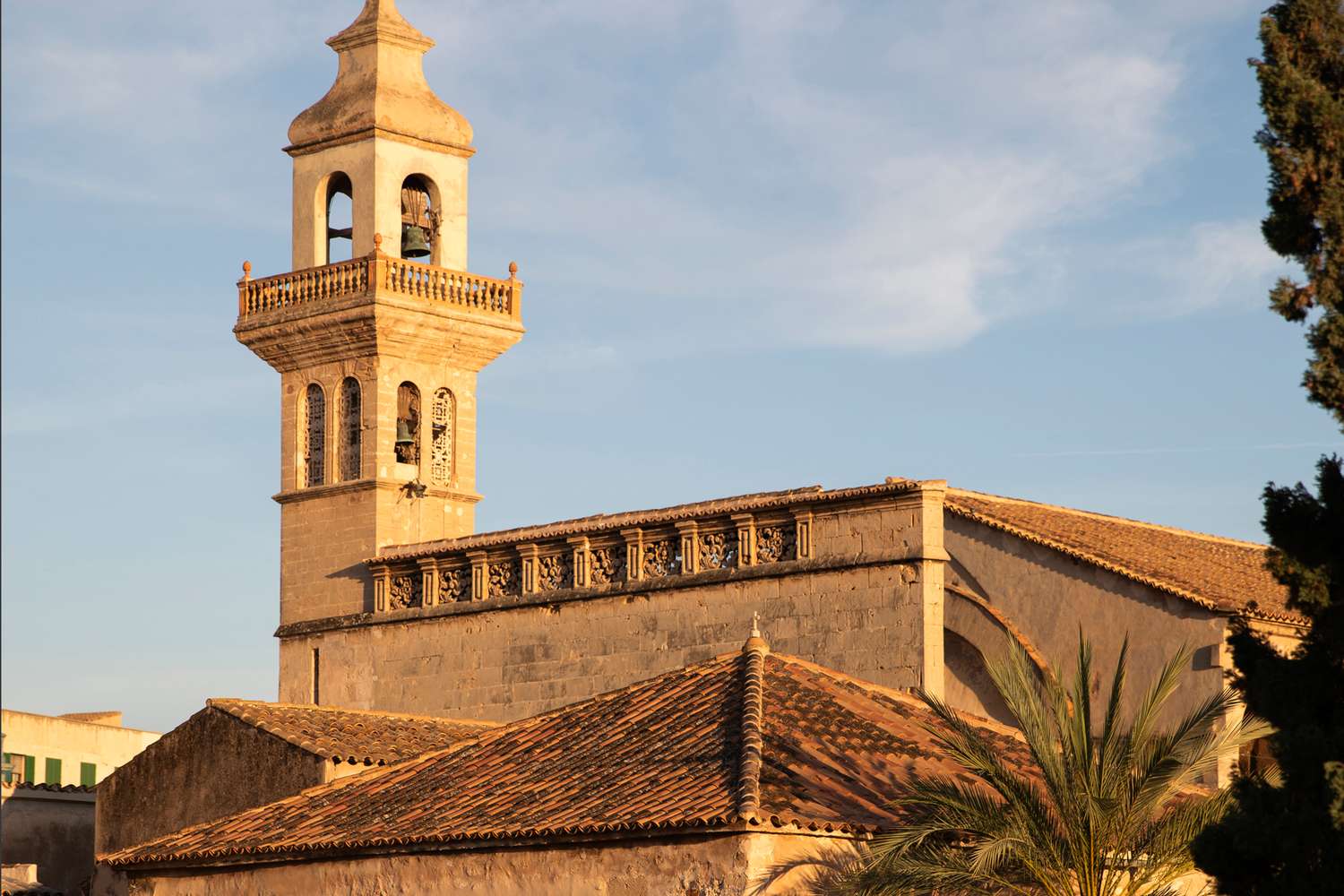
Walking through the sun-dappled alleys of the Casco Antiguo, you can feel the weight of history in the cooling shadows of the stone walls. In recent years, Palma has whisper-quietly transformed these aging structures into some of the most sophisticated boutique design hotels in Palma with art collections in Europe. This evolution is backed by data: the number of four- and five-star hotels on the island has grown by nearly 90% since 2015, signaling a move away from mass tourism toward a deeply refined hospitality model.
The current landscape is defined by adaptive reuse. Architects are no longer just renovating; they are excavating the soul of these buildings. Take Nobis Hotel Palma, for instance. Set within a former medieval Islamic palace that later served as a Gothic residence, the 37-room sanctuary was designed by the Swedish firm Wingårdhs. Here, 12th-century stone arches meet contemporary Nordic minimalism, creating a sensory experience that feels both ancient and vanguard.
Further into the labyrinthine streets, Sant Francesc Hotel Singular remains a benchmark of Balearic heritage. Housed in a 19th-century neoclassical manor built upon the foundations of a 13th-century settlement, it offers a monastic-chic aesthetic. The service here is unhurried, focusing on the emotional moments of a stay—the way the afternoon light hits the courtyard or the scent of local citrus in the morning air.
For those who prefer a more intimate residence, Portella stands out. This is a hotel that feels like the home of a very cultured friend. It features original artworks and local Gordiola glass, celebrating the textures of the island within its meticulously restored 17th-century walls. It is the quintessential example of how design hotels in Palma de Mallorca have become the guardians of the city's architectural narrative.
At a Glance: Leading Design Stays in Palma
| Hotel Name | Building Style | Century | Best Known For |
|---|---|---|---|
| Nobis Hotel Palma | Islamic & Gothic | 12th - 15th | Striking lobby fountain & Wingårdhs design |
| Portella | Restored Palace | 17th | Intimate Mediterranean aesthetic & local art |
| Sant Francesc | Neoclassical | 19th | Rooftop pool overlooking the Basilica |
| Posada Terra Santa | Gothic Palace | 16th | Secluded library and tranquil wellness area |
| Summum Boutique Hotel | Quintessential Manor | 16th | High-end Victorian-influenced sophistication |
The Thread of Tradition: Mallorcan Designer Boutiques & Textiles
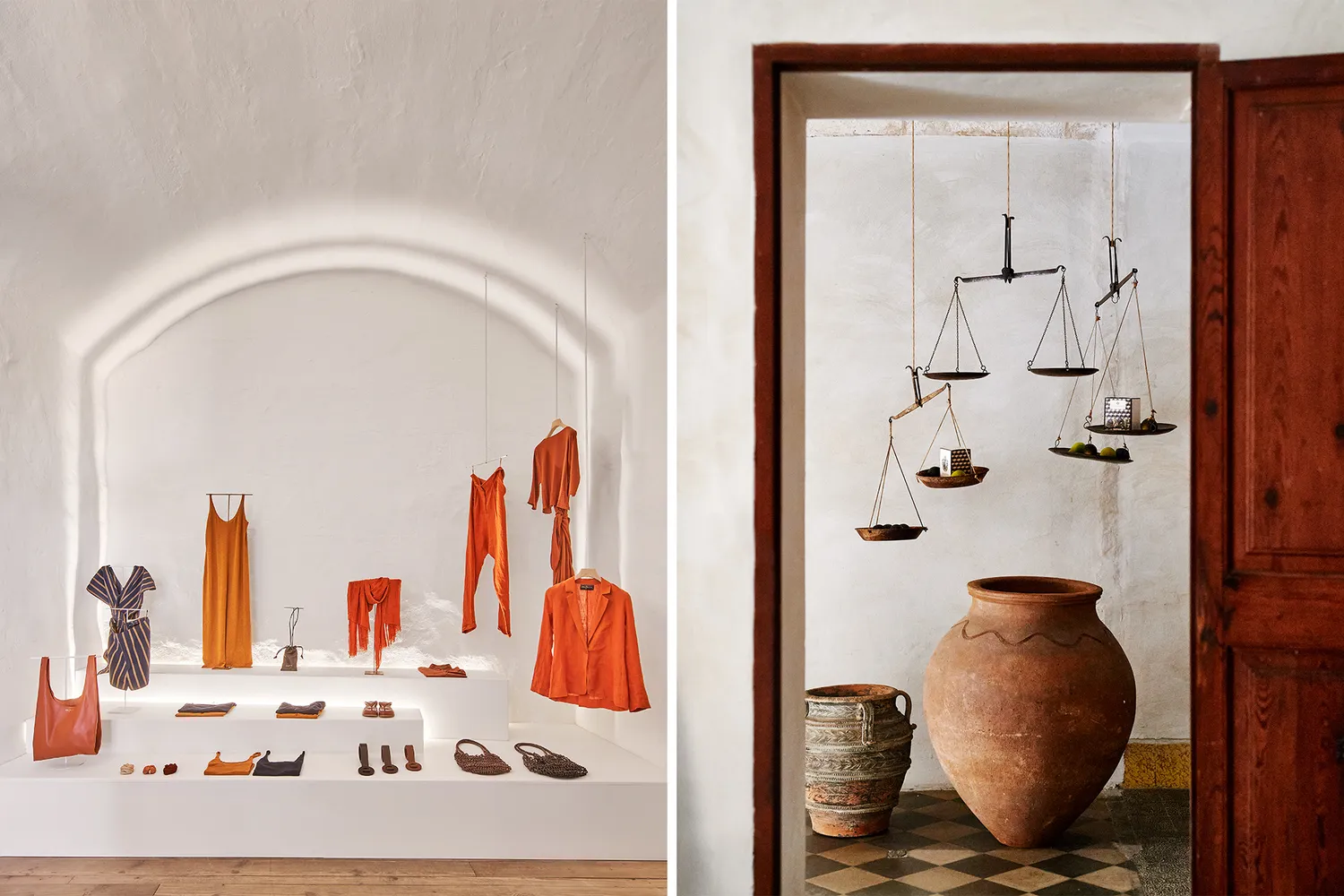
Beyond the limestone facades lies a vibrant world of slow fashion movement and heritage weaving. In 2024, visitors to Mallorca generated a record €16.17 billion in spending, with approximately 15% of visitor budgets allocated to shopping, including traditional crafts. The most coveted souvenir remains the Roba de llengües, or "cloth of tongues"—Mallorca’s version of Ikat weaving.
The technique involves tie-dyeing the warp threads before they are woven, resulting in a blurred, geometric pattern that has decorated island homes for centuries. Today, Mallorcan designer boutiques are reimagining these textiles for a modern audience. At boutiques like Rialto Living, you can find these fabrics curated into high-end home decor that blends the island's rustic past with contemporary elegance.
For those seeking Mallorcan designer clothing boutiques in Palma for unique fashion, Cortana is an essential stop. Founded by island-born Rosa Esteva, the brand focuses on ethereal silhouettes and natural silks that mirror the Mediterranean landscape. The clothing isn't just fashion; it is a philosophy of slow living. Similarly, Jaime Llambias offers bespoke tailoring that honors old-world craftsmanship while maintaining a modern edge. These spaces often participate in events like 'Xtant,' which brings global textile artists to the island, cementing Palma’s reputation as a hub for intentional, craft-centered design.
Woven & Blown: Ceramics, Glass, and Basketry Shops
The sensory richness of Palma is perhaps most evident in its artisan workshops. The city’s historic center is home to several 'Comercios Emblemáticos'—traditionally recognized shops that have preserved the island’s vocational soul.
Gordiola glass is the pinnacle of this tradition. Established in 1719, the glassworks produces hand-blown pieces that are as delicate as they are spirited. A visit to their workshop or showroom allows a glimpse into a 300-year-old process. Each piece carries the slight irregularities that only human hands can produce, a far cry from the uniformity of mass production.
Nearby, the art of esparto-grass weaving continues at Mimbreria Vidal. Since 1915, they have produced the iconic senallas (baskets) and sun curtains that are ubiquitous in Mallorcan life. The shop smells of dried grass and earth—a grounding olfactory experience in the heart of the city.
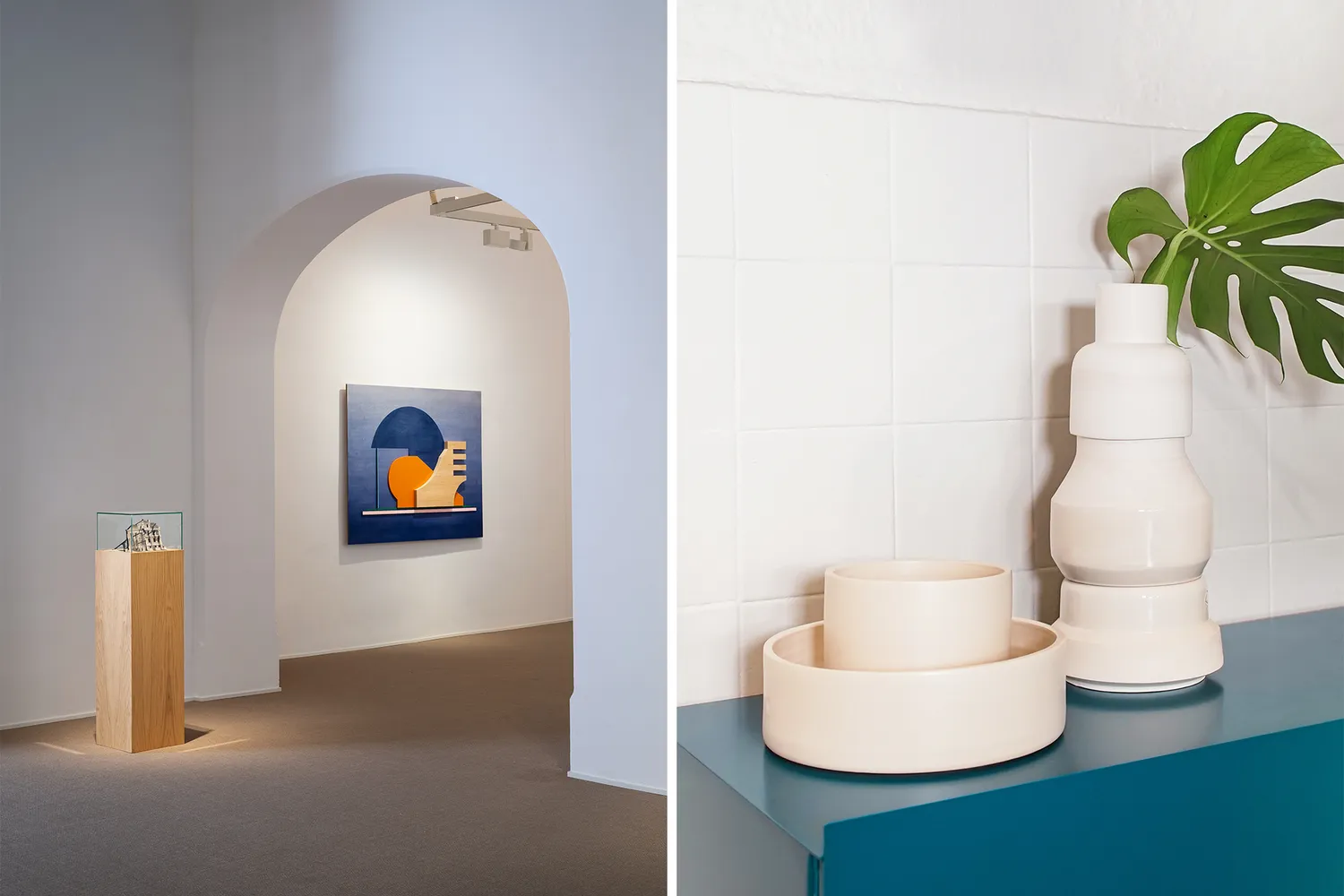
For a more modern interpretation of Mediterranean craftsmanship, the city’s ceramic scene is thriving. PK Studio and the workshop of Roberto Paparcone create minimalist ceramics that play with the island's natural textures. These pieces are not just functional objects but sculptures that capture the essence of Balearic heritage.
What to Buy: A Curator’s List
- Textiles: A hand-woven silk scarf or linen cushion in authentic Ikat weaving.
- Scent: Handcrafted perfumes from Arquinesia, specifically those using local botanicals like orange blossom or sea salt.
- Glasswork: A set of jewel-toned tumblers from the legendary Gordiola furnaces.
- Accessories: A bespoke leather bag from any of the city's master leather-workers, known for their centuries-old tradition.
Stepping into Art: Contemporary Galleries for the Modern Collector
Palma’s rise as a luxury destination is inextricably linked to its art scene. The city has long been a refuge for creators, most famously Joan Miró, who spent the latter part of his life here. The Fundació Miró Mallorca, designed by Rafael Moneo, is a pilgrimage site for those who value artistic legacy. It preserves the artist’s studio exactly as he left it, complete with paint-splattered floors and unfinished canvases.
For the modern collector, the best art galleries in Palma provide a bridge between local history and international trends. Galería Pelaires is the city's longest-running contemporary space and was a frequent haunt for Miró himself. Located in a converted historic building, the gallery hosts world-class exhibitions that challenge and inspire.
More adventurous collectors should seek out Kewenig Gallery. Tucked inside a converted 13th-century chapel, the space is as much a work of art as the pieces it holds. The juxtaposition of international contemporary curation against the ancient stone walls creates a profound emotional moment that defines the Palma experience. For a more curated lifestyle approach, Gallery Red blends high-end art with iconic mid-century furniture, catering to a sophisticated demographic that treats art as an essential component of the home.
FAQ
Where are the best artisan shops in Palma?
The most authentic Palma artisan shops are concentrated in the historic Casco Antiguo, particularly around the streets of Jaume III and the narrow alleys leading toward the Cathedral. Keep an eye out for the white-and-red 'Comercio Emblemático' plaques, which signify heritage businesses of high cultural value.
What unique souvenirs can I buy from local makers in Palma?
Look for Roba de llengües textiles, hand-blown glass from Gordiola, and woven esparto-grass baskets known as senallas. Another luxurious choice is handcrafted perfume shops in Palma using local botanicals like almond blossom and citrus, which capture the olfactory memory of the island.
Where can I find handmade ceramics in Palma de Mallorca?
Contemporary ceramics are best found at PK Studio or through various boutique design hotels in Palma with art collections that showcase local artists. Many contemporary art galleries in Palma for collectors also feature ceramicists who bridge the gap between functional craft and fine art.
Where can I buy authentic Mallorcan leather goods in the city?
Mallorca has a world-famous leather-working heritage centered in the town of Inca, but you can find the best of it in Palma at shops like Jaime Llambias for bespoke accessories or high-end boutiques that stock island-made boots and bags.
How do I identify authentic Mallorcan-made products?
Look for specific craftsmanship signatures such as the Ikat weaving technique in fabrics or the distinct irregularities in hand-blown glass. Many authentic makers are part of the 'Artesania de Mallorca' certification program, which ensures the products are made on the island using traditional methods.