Quick Facts
- Market Trend: There has been a recorded 74% growth in solo polar bookings since 2022, signaling a massive shift in adventure travel habits.
- Top Demographic: Women aged 40 and older currently represent the largest group of solo explorers seeking wildlife encounters and personal milestones.
- Peak Season: The prime window for the Svalbard archipelago and the High Arctic is from June to September for optimal wildlife and ice conditions.
- Solo Infrastructure: Expedition lines like Aurora Expeditions and HX now offer up to 10 dedicated solo staterooms per ship to meet growing demand.
- Financial Hack: Savvy travelers should look for specific no single supplement expedition cruises during the early booking windows for the 2026/2027 seasons.
- Expert Insight: Reaching high latitudes is no longer just about the destination; it has become a profound act of personal empowerment for independent female explorers.
The Arctic is no longer a 'waiting room' for female travelers. More women are booking solo female expedition cruises than ever before, driven by a desire for independence and the rise of solo-friendly polar infrastructure. Whether you're chasing the Northern Lights or spotting polar bears, the High Arctic offers a unique balance of solitude and community. This shift is fueled by a desire for total independence and the convenience of modern small-ship environments where safety and educational engagement are prioritized.
Leaving the Waiting Room: Why Women Are Going North Alone
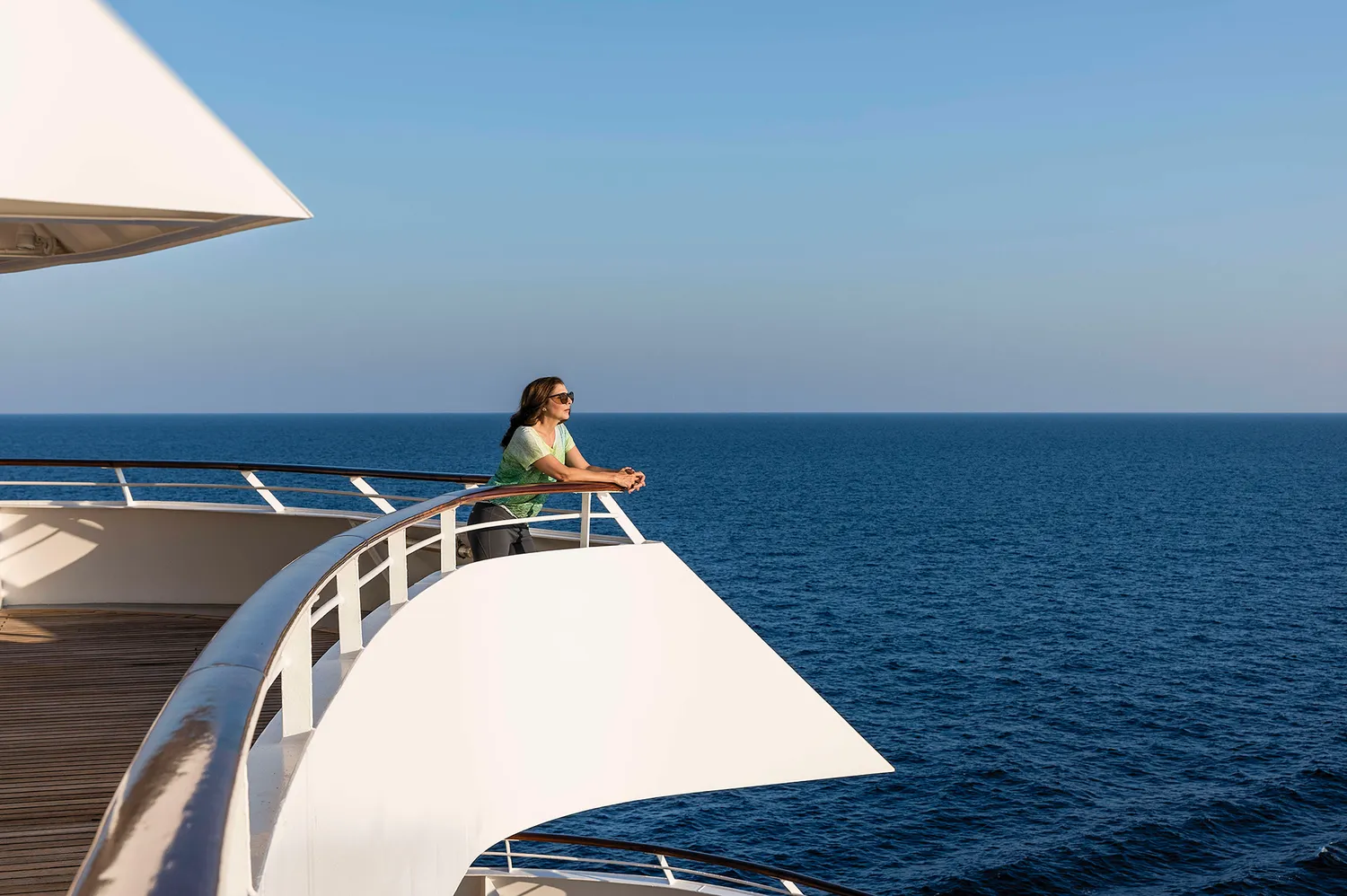
In all my years covering the outdoors, I’ve seen a lot of trends come and go, but the rise of the independent female explorer in the polar regions is one of the most inspiring shifts I’ve witnessed. For a long time, there was this unspoken idea that a trip to the Arctic was a 'some-day' goal—something you’d do once you had the perfect partner or a group of friends who were equally brave and equally wealthy. We are officially leaving that 'waiting room' behind.
Today, women are prioritizing their personal bucket lists over the convenience of others. Reaching the high latitudes has become a form of empowerment, a way to prove that your sense of adventure isn't dependent on anyone else's schedule. It’s not just a feeling; the numbers back it up. According to the Adventure Travel Trade Association, women now represent an average of 57% of adventure travel clients, a demand that has contributed to a 230% increase in travel companies catering specifically to female travelers.
When I’m out on a ship in the Svalbard archipelago, I now see a near 50/50 gender parity among solo travelers. Many of these women tell me the same thing: they wanted the silence of the ice and the thrill of the hunt for polar bears, and they didn't want to wait another decade to experience it. Market research from Future Partners indicates that nearly 40% of female travelers expressed interest in taking a solo vacation in 2025, reflecting an 8% increase from the previous year as women prioritize experiences over material possessions. These solo female expedition cruises aren't just about the destination; they are about reclaiming time and space in one of the world's last true wildernesses.
The Financial Revolution: Navigating Solo Cabins and Supplements
One of the biggest hurdles I used to hear about from solo travelers was the dreaded 'single supplement.' In the old days of cruising, if you traveled alone, you essentially paid double to occupy a double room. For a high-ticket item like an Arctic expedition, that 50% to 100% surcharge was a deal-breaker. Fortunately, the industry has finally caught up to the reality of the modern traveler.
The financial landscape for solo female expedition cruises has been revolutionized by two main factors: the introduction of dedicated solo cabins on polar cruise ships and roommate matching programs. Operators like Aurora Expeditions and HX (Hurtigruten Expeditions) are leading the charge. For example, Aurora Expeditions reported a 22% year-over-year increase in solo travelers in 2024, with a significant portion being women aged 40 and older. To accommodate this, their newer vessels are designed with specific staterooms that carry no supplement fee.
If you are currently engaged in Arctic expedition planning for women, you should compare your options carefully. Here is a breakdown of how the costs usually shake out:
| Feature | Dedicated Solo Cabin | Roommate Matching Program | Traditional Double Cabin |
|---|---|---|---|
| Availability | Limited (usually 5-10 per ship) | High availability | High availability |
| Cost | Standard per-person rate | Standard per-person rate | 1.5x to 2x per person rate |
| Privacy | 100% private | Shared with same-gender guest | 100% private |
| Best For | Introverts and photographers | Social butterflies and budget-conscious | Those who book last minute |
My top tip is to look for no single supplement expedition cruises during the shoulder seasons or early-bird booking windows. For 2026 and 2027, many lines are waiving the supplement on select itineraries in Greenland and Svalbard to fill ships early. It’s the best way to get a premium experience without the premium tax.
Safety and Socializing: The Small Ship Advantage
I often get asked by readers: "Marcus, is it safe for a woman to be that far out in the wild alone?" The answer is a resounding yes, primarily because of the intimate ship environment created by modern expedition vessels. These aren't 5,000-passenger mega-ships where you’re just a number. Most Arctic expedition ships carry between 100 and 200 passengers. This scale naturally fosters a sense of passenger camaraderie and ensures a high guide-to-passenger ratio.
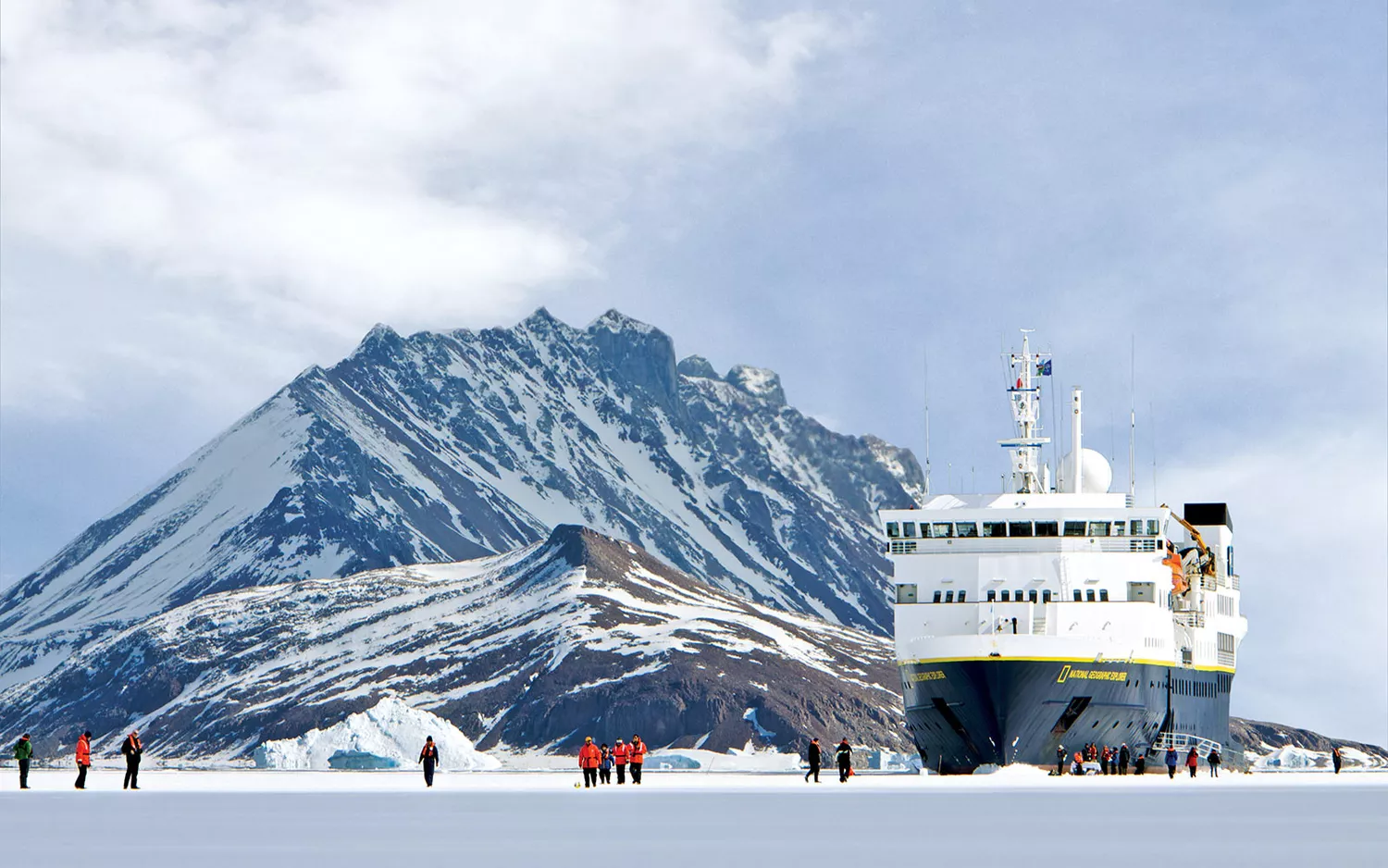
Safety tips for solo female travel to the Arctic often focus on the logistics of the environment. Because these trips are highly regulated, you are never truly 'alone' when you are off the ship. Whether you are participating in Zodiac excursions to see calving glaciers or doing shore landings to visit remote research stations, you are always part of a managed group led by expert guides.
Social isolation is rarely an issue on these journeys. Small ships are designed with communal spaces that act as social hubs. Many operators facilitate connections through dedicated solo traveler meet-ups on the first night or communal dining tables where guests can swap stories about their day. Furthermore, the shared sense of purpose found in citizen science projects—where you might help count whale sightings or sample sea microplastics—provides a natural ice-breaker. You aren't just a tourist; you are part of a mission, and that shared goal makes it incredibly easy when considering how to find like-minded travelers on solo cruises.
Destination Spotlight: Choosing Your Arctic Adventure
Choosing the right Arctic itinerary for a solo trip depends entirely on what you want to see when you look out your cabin window. I’ve spent time in all these regions, and each offers a distinct vibe for the solo traveler.
The Svalbard Archipelago: The Wildlife Capital
If this is your first time heading north, I always recommend Svalbard. These itineraries usually depart from Longyearbyen and focus on polar wildlife encounters. Because the wildlife density is so high—think walruses, reindeer, and the majestic polar bear—there is always something to talk about at dinner. It’s an action-packed choice that keeps you busy from dawn till dusk.
Greenland: Culture and Colossal Ice
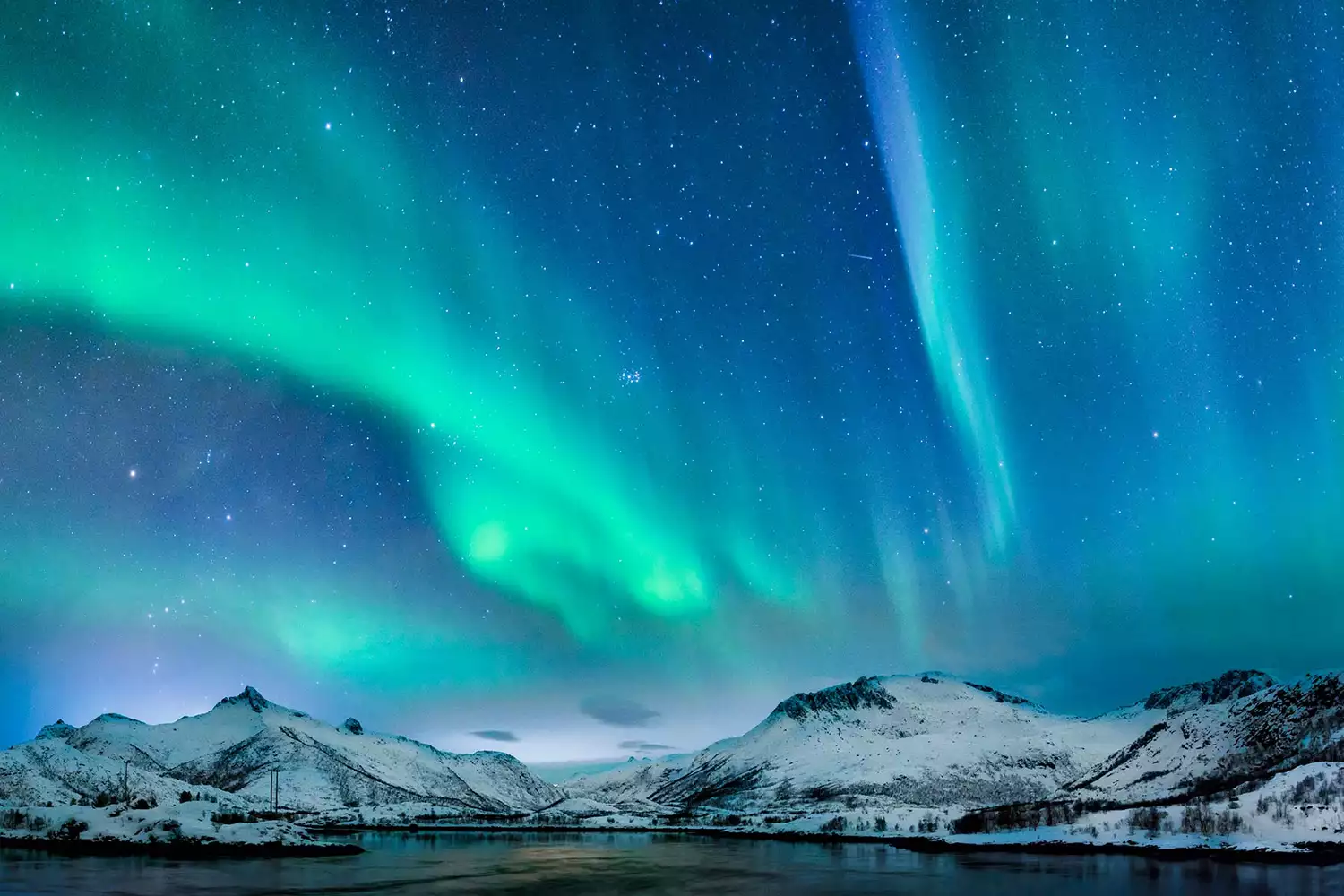
For the solo traveler who enjoys a mix of history and nature, Greenland is unparalleled. You’ll visit remote Inuit communities and witness the massive icebergs of Disko Bay. These trips often feel more like a cultural immersion than a standard cruise. Greenland is also one of the best spots to catch the Northern Lights if you travel in the late summer or early autumn.
The Northwest Passage: The Ultimate Milestone
This is the big one. It’s a longer, more expensive journey that traverses the top of the Canadian Arctic. It’s perfect for the solo traveler who has already 'seen it all' and wants a true milestone achievement. The sense of achievement in completing this transit is something you’ll share with a small, elite group of fellow explorers.
Packing Checklist for the Solo Expeditionist
Being solo means being self-reliant. Here is what I never leave without:
- High-quality Binoculars: You don't want to wait to share a pair when a bear is on the horizon.
- Dry Bag: Essential for keeping your camera gear safe during Zodiac excursions.
- Moisturizer and Lip Balm: The Arctic air is incredibly dry; your skin will thank you.
- A Journal: Solo travel provides a lot of "thinking time." Capture it.
- Base Layers: Merino wool is your best friend.
FAQ
Are expedition cruises safe for solo female travelers?
Expedition cruises are exceptionally safe for solo female travelers because of the small ship community and the highly structured nature of the activities. You are escorted by professional guides during every landing and excursion, and the onboard environment is intimate and secure. Most solo travelers find that they feel much safer on an Arctic ship than they do traveling alone in a major global city.
How do I avoid paying a single supplement on expedition cruises?
The most effective way to avoid the supplement is to book no single supplement expedition cruises during promotional periods, usually 12-18 months in advance. Alternatively, many expedition lines offer roommate matching programs where they pair you with another solo traveler of the same gender. If they can't find a match for you, many companies will let you have the cabin to yourself without the extra charge.
Are there dedicated solo cabins on expedition ships?
Yes, many of the newer, purpose-built polar ships now feature dedicated solo cabins on polar cruise ships. These are specifically designed for one person, meaning you aren't paying for 'unused' space. Lines like Aurora Expeditions and Lindblad Expeditions have paved the way by including these staterooms in their ship designs to cater to the growing solo market.
Is it easy to meet people on a solo expedition cruise?
It is incredibly easy to meet people because of the shared interests and small group sizes. Most ships have open-seating dining, allowing you to sit with different people every night. Additionally, the daily briefings, educational lectures, and group Zodiac outings provide constant opportunities for passenger camaraderie with other independent female explorers.
What is the best time of year for a solo woman to cruise?
When considering best small ship Arctic cruises for solo travelers, June through August is ideal. This is when the ice has melted enough for ships to navigate and the wildlife is most active. If your goal is to see the Northern Lights, aim for late August or September when the nights begin to get dark enough for the aurora to be visible in regions like Greenland or Northern Norway.
Stop Waiting and Start Exploring
The Arctic is a place that changes you. I’ve seen it happen time and again: a traveler arrives a bit nervous about their first solo journey and leaves with a new sense of confidence and a dozen new friends from around the globe. The industry has finally made it easier and more affordable to go it alone, so there’s no longer any reason to wait for someone else’s permission to see the world. 2026 and 2027 are going to be massive years for polar travel—make sure you're on the boat.