Quick Facts
- Philosophy: Spanish natural wine focuses on low-intervention methods, spontaneous fermentation with native yeasts, and zero additives.
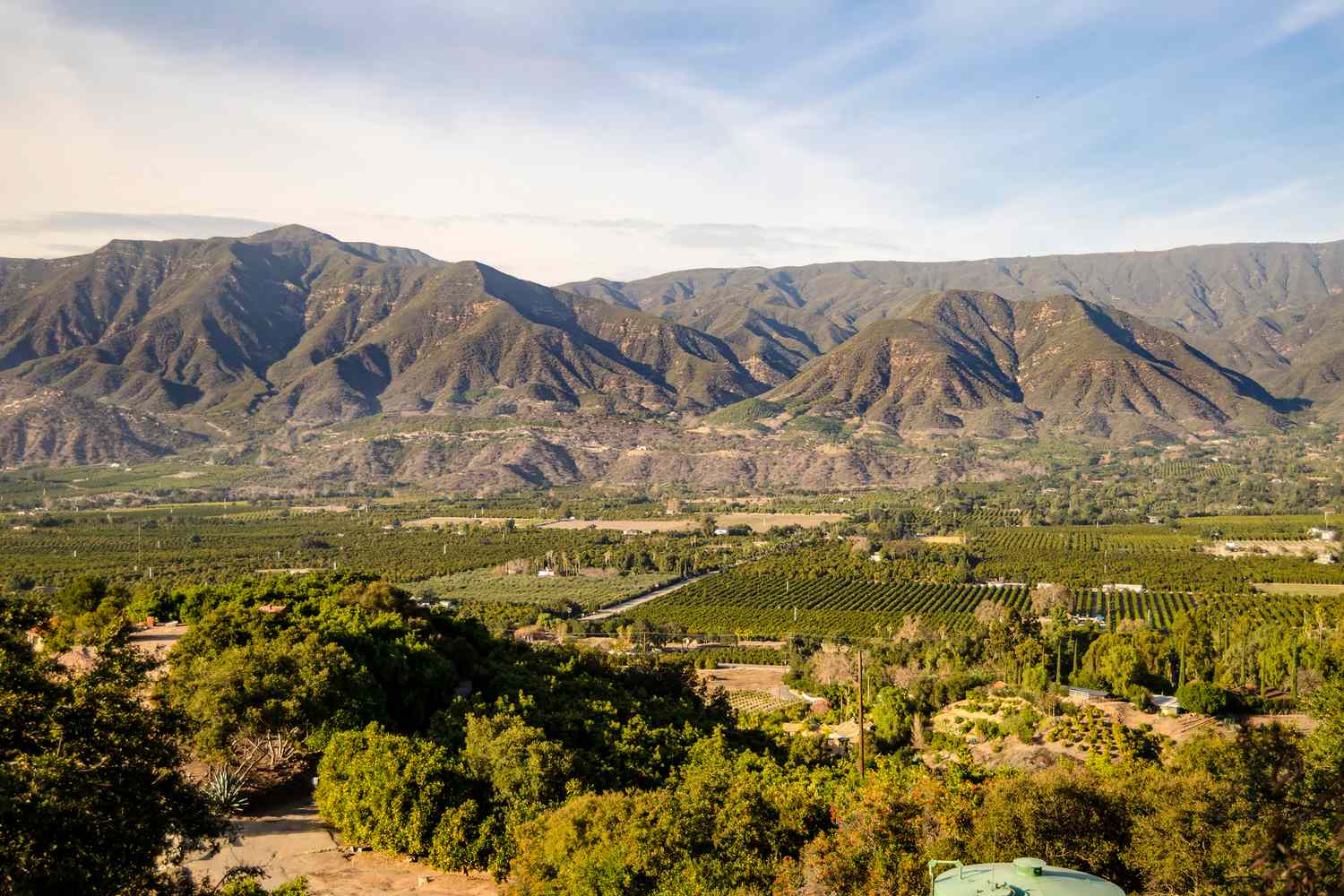
- Key Regions: The move toward high-altitude viticulture has centered in the Sierra de Gredos and the vast plains of Castilla y León.
- The Market Shifters: Boutique importers like Selections de la Viña are the cultural bridge connecting micro-vintners to a global audience.
- Consumption Trends: In 2024, the domestic wine consumption in Spain increased by 2.5%, as more locals choose premium, terroir-driven bottles.
- Elevation & Freshness: Vineyards at 800+ meters provide crucial diurnal temperature shifts of 20°C, preserving acidity in a warming climate.
- The Third Channel: Expert platforms and online registries for small-batch wines saw a 5% growth in volume in 2024, even as traditional hospitality sectors dipped slightly.
Spanish natural wine is a low-intervention expression of Iberian terroir, crafted by artisanal winemakers who prioritize organic viticulture and avoid chemicals, commercial yeasts, or filtration. These wines reflect a cultural shift toward high-altitude, small-batch production that celebrates the raw character of the grape.
For decades, the story of Spanish wine was written in the ink of industrial volumes and the heavy oak of traditional bodegas. But walking through the sun-drenched vineyards of the Meseta today, you feel a different rhythm. There is a quiet revolution taking place, led by a generation of artisanal winemakers who have turned their backs on synthetic pesticides and industrial machinery. They are reaching back into the past to find a future for Spanish natural wine, prioritizing the health of the soil and the purity of the fruit over the predictable consistency of the laboratory. This movement isn't just about what is in the glass; it is about the stories of the people who put it there and the boutique importers who ensure their voices are heard globally.
The Gatekeepers: Why Boutique Importers Matter
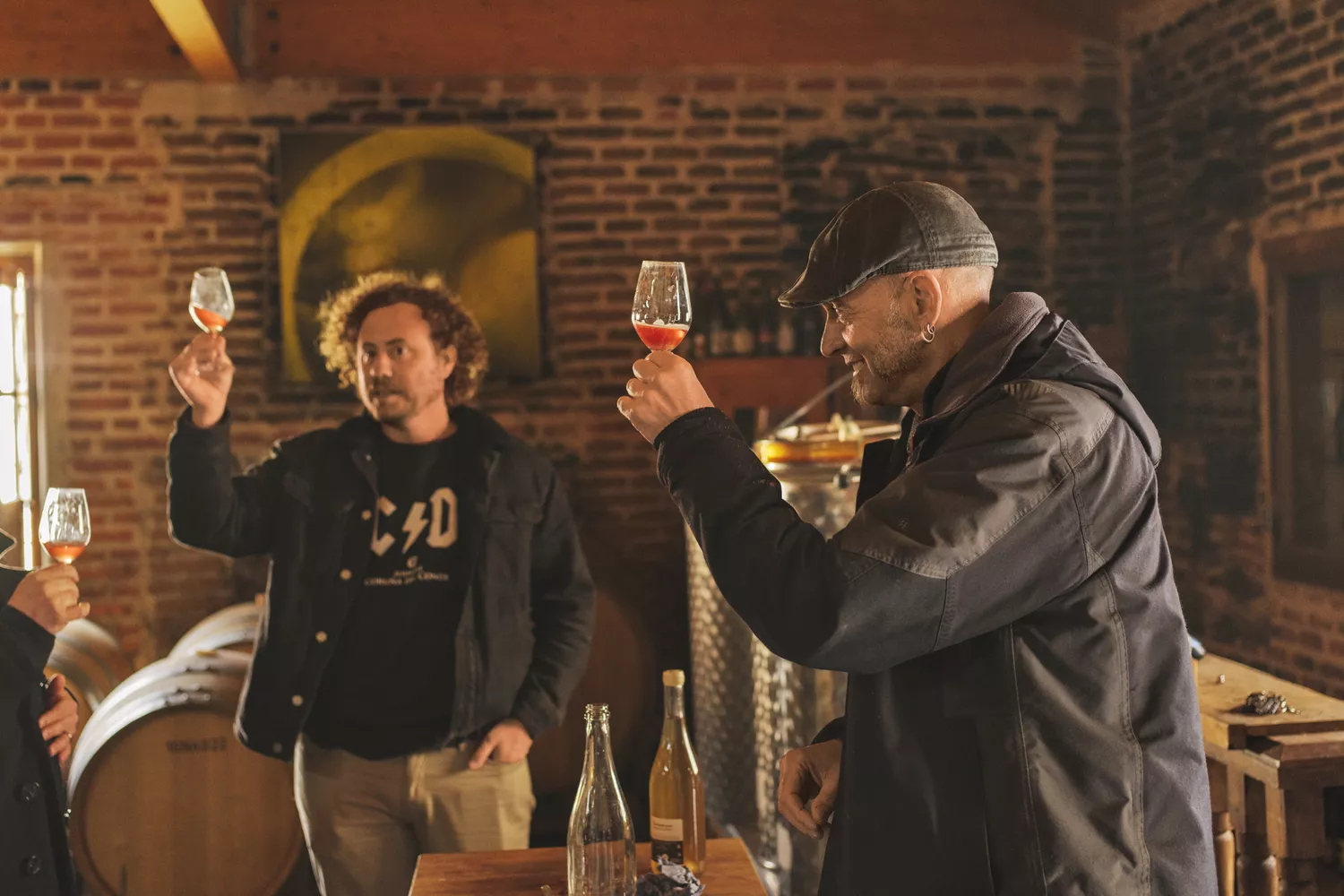
The journey of a bottle from a remote hillside in Spain to a dining table in London or New York is rarely direct. In the world of low-intervention Spanish wines, the importer is far more than a middleman; they are a cultural curator. When dealing with artisanal Spanish winemakers who might only produce three thousand bottles a year, traditional large-scale distribution models shatter. This is where boutique importers like Selections de la Viña step in.
By focusing on history and the people behind the bottles, these importers provide a gateway for enthusiasts to discover authentic, high-altitude Spanish wines that are often overlooked by large-scale distributors. They look for independent families—dynasties of the dirt—who have farmed the same plots for generations but are now embracing biodynamic farming and spontaneous fermentation. These importers are the reason we now have access to wines that taste of wild herbs, sun-baked stones, and the electric acidity of high-elevation nights.
In 2024, the landscape of the industry showed that while mass-market wine faced challenges, the appetite for specialty imports remained strong. Total Spain's wine imports reached approximately €335 million in 2024, reflecting a sophisticated exchange of ideas and labels across European borders. This curated exchange ensures that the best boutique importers for Spanish low-intervention wines are not just selling a product, but a philosophy of land stewardship.
Castilla y León: The Heart of the Modern Movement
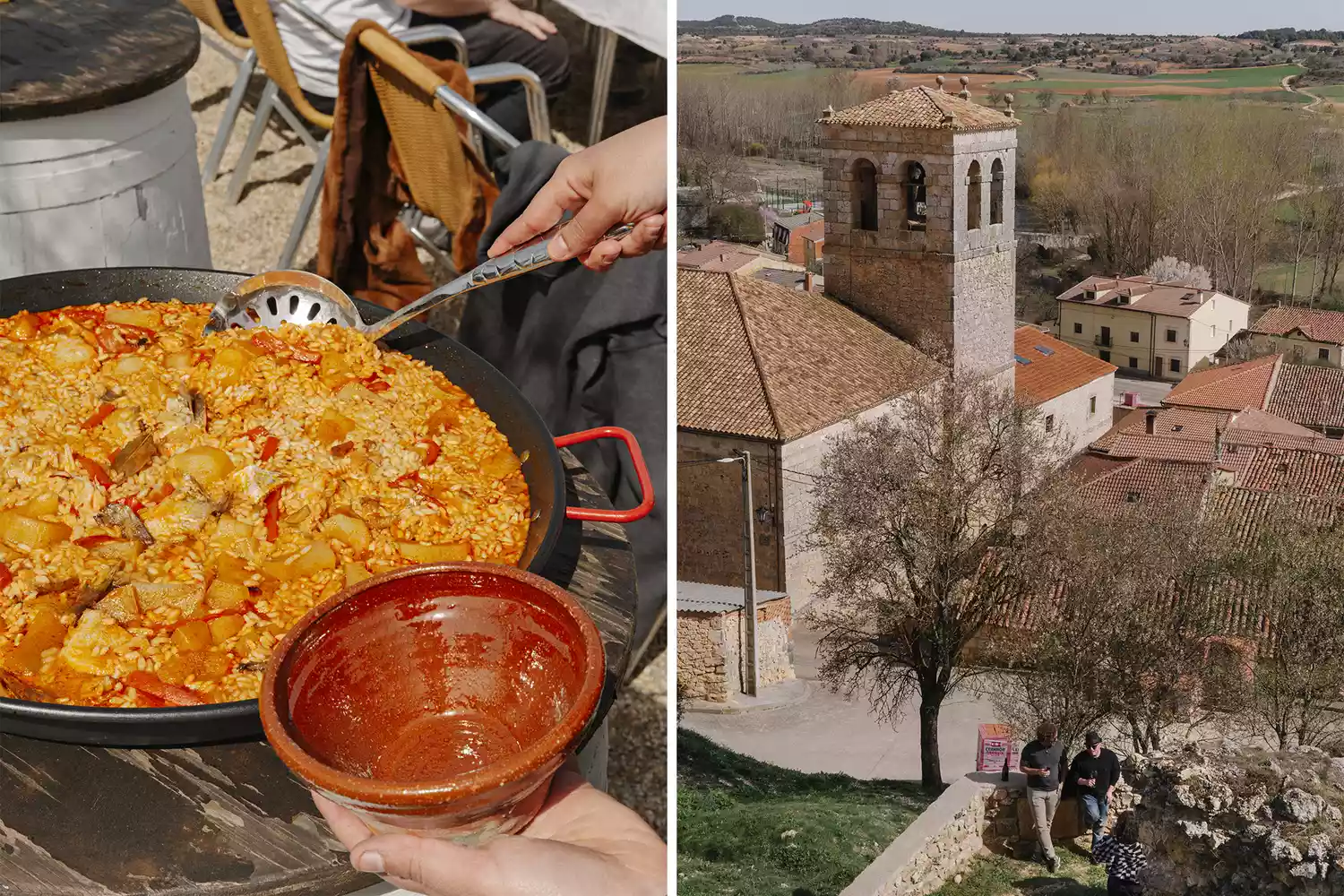
As you travel northwest from Madrid, the landscape levels out into the high, sweeping plains of Castilla y León. This region has become a prominent hub for artisanal Spanish winemakers, particularly in areas like Ribera del Duero, Toro, and Rueda. It is a land of extremes—bitterly cold winters and summers that bake the earth until it cracks. Yet, it is this very harshness that makes it a perfect Castilla y Leon wine region guide for those seeking character over polish.
The region's high elevation and significant diurnal temperature variations create an ideal environment for maintaining the acidity and freshness essential for natural wine production. Innovative estates such as MicroBio Wines, Bodegas Bigardo, and Daniel Ramos utilize old-growth vines and ancestral methods to produce exceptional Tempranillo, Verdejo, and Garnacha wines. Unlike the heavy, over-extracted styles of the past, these low-intervention Spanish wines feel alive, often utilizing amphorae aging or skin contact for white varieties to emphasize the unique terroir of the Iberian Peninsula.
| Attribute | Traditional Spanish Style | Modern Low-Intervention Style |
|---|---|---|
| Fermentation | Commercial yeasts for consistency | Spontaneous fermentation with native yeasts |
| Aging | Heavy new oak (Crianza, Reserva) | Neutral oak, amphorae, or concrete tanks |
| Additives | Acidification and high sulfur levels | Zero or minimal added sulfur; no fining |
| Vineyard | Conventional farming, higher yields | Organic or biodynamic farming; old-growth vines |
| Character | Vanilla, tobacco, and high tannin | Primary fruit, herbal notes, and high acidity |
In Toro, Bodegas Bigardo is redefining expectations. Traditionally known for producing wines with massive alcohol and tannins, they are now proving that the Tinta de Toro grape can be nimble. By moving toward organic viticulture and shortening maceration times, they produce a Tempranillo that breathes.
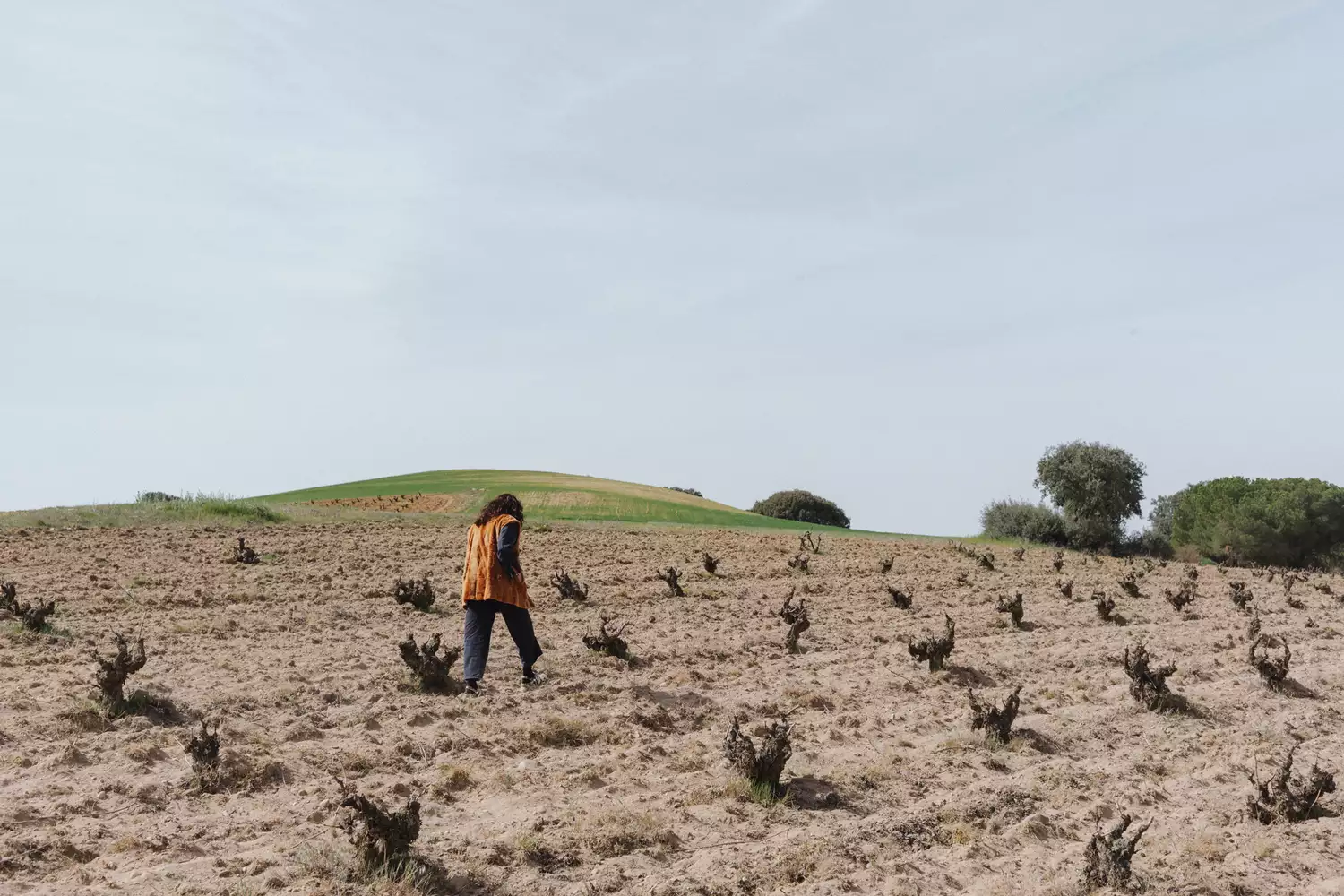
Meanwhile, MicroBio Wines in Rueda is a testament to the power of the Verdejo grape when it isn't stripped of its soul by industrial filters. Here, the focus is on biodynamic farming and allowing the wine to rest on its lees for extended periods. The result is a glass that carries the weight of history and the zest of the high plateau.
Higher Grounds: Sierra de Gredos and the Garnacha Revival
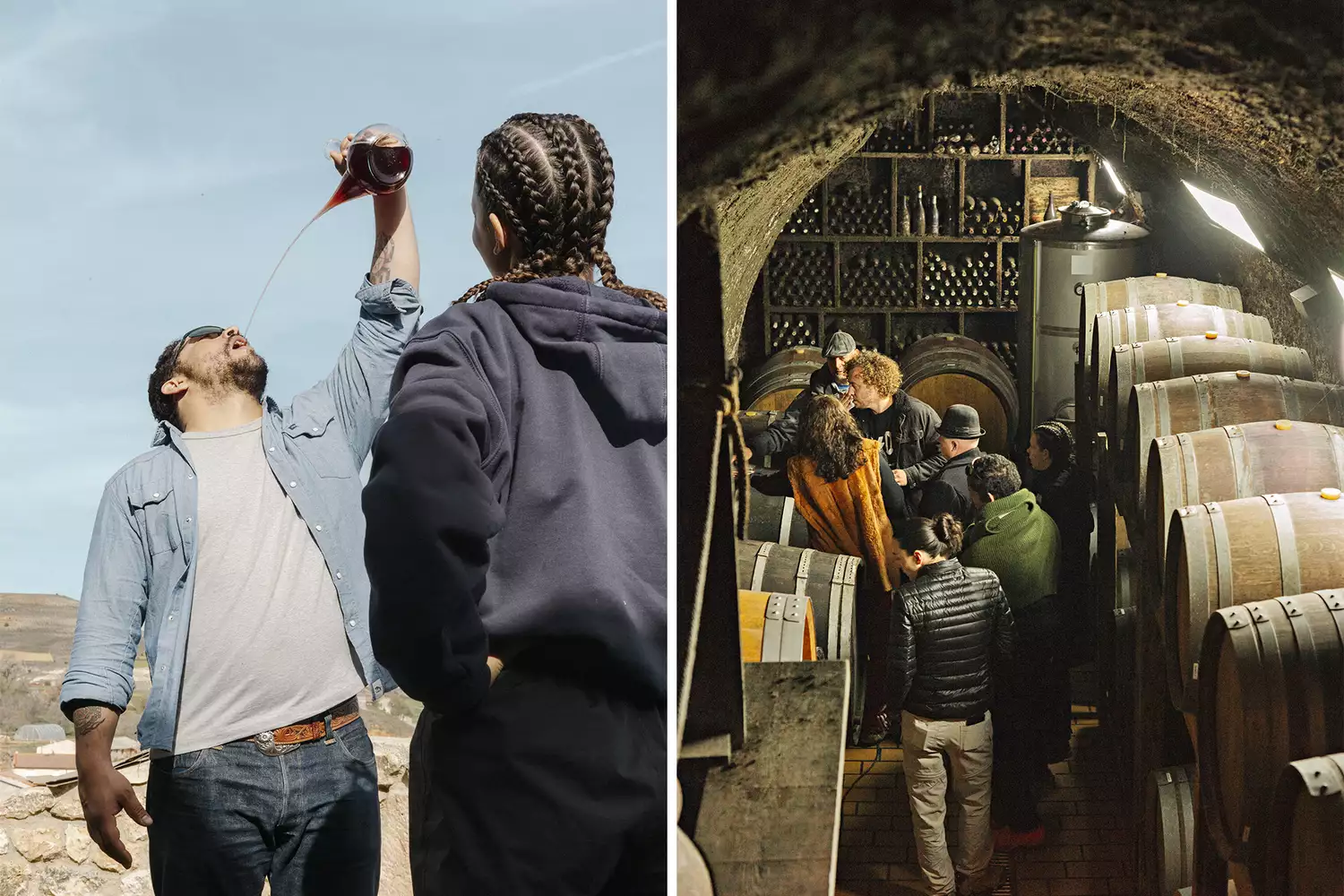
If Castilla y León is the heart, the Sierra de Gredos is the soul of the Spanish natural wine movement. Located just west of Madrid, these granite mountains house some of the most spectacular high-altitude viticulture in the world. For decades, the Garnacha vines here were used for cheap bulk wine or simply abandoned because the terrain was too difficult to farm with machines.
Today, those old-growth vines are the most sought-after fruit in Spain. The granite and slate soils, combined with an elevation reaching up to 1,200 meters, produce a Garnacha that is light in color but deep in complexity. It is often compared to the ethereal qualities of Pinot Noir or the wines of the Northern Rhône, yet it retains a distinctly Spanish rusticity.
The rise of the Gredos label has become a hallmark for high-altitude elegance. Producers like Daniel Ramos have been instrumental in finding small-batch Spanish wines from high-altitude vineyards and showing the world their potential. By using skin-contact whites and long infusions rather than heavy pressing, these winemakers are capturing the scent of the mountain—rosemary, thyme, and cool stone—in every bottle. For those looking for a buying guide for Garnacha wines from Gredos mountains, the key is to look for labels that emphasize site-specific bottling and minimal sulfur.
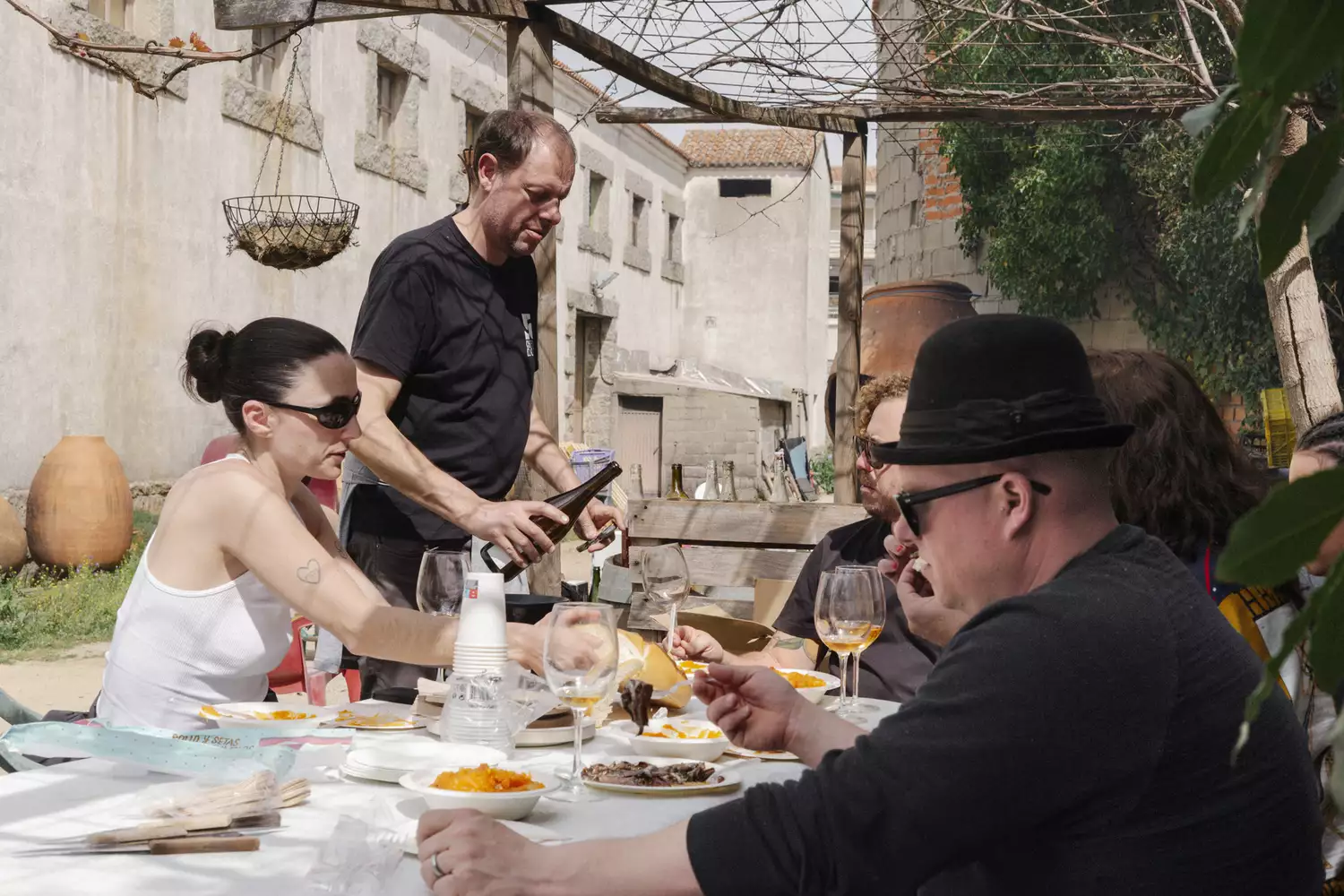
Sensory Experience: Sobremesa and Food Pairing
To truly understand Spanish natural wine, one must understand the concept of Sobremesa. Translated literally as "over the table," it is the sacred time spent lingering after a meal, where the food is gone but the conversation and wine continue to flow. This cultural ritual demands a certain type of wine—something that evolves in the glass and doesn't fatigue the palate.
A hazy, unfiltered natural Verdejo from Castilla y León is the perfect companion for a long afternoon. Its slight tannic grip from skin contact makes it a versatile partner for the region’s famous milk-fed lamb, cutting through the richness with its saline acidity. On the other hand, the bright red fruit and floral aromatics of a Gredos Garnacha are a revelation when paired with local cheeses or simple grilled octopus.
The market has responded to this lifestyle-driven consumption. As we look at the figures for 2024, domestic wine consumption in Spain reached 9.9 million hectoliters, powered by consumers who increasingly favor premium labels and terroir-driven wines. They aren't just drinking wine; they are drinking a sense of place. Whether it is the surge in Gastro-Cava at wine festivals or the proliferation of natural wine bars in Madrid and Barcelona, the shift is clear. The Spanish public is reclaiming its vinous heritage, one low-intervention bottle at a time.
FAQ
What makes a wine a Spanish natural wine?
A wine earns this distinction through a philosophy of non-intervention. This means starting with organic or biodynamic grapes, using only spontaneous fermentation from native yeasts, and avoiding all additives, including sugar, acids, or commercial clarifying agents. Most are bottled without filtration or fining, which may result in a slightly cloudy appearance.
Which regions in Spain are known for natural wine?
While the movement is spreading, the most prominent regions include the Sierra de Gredos for high-altitude Garnacha, Castilla y León for complex Tempranillo and Verdejo, and parts of Catalonia, particularly Penedès, where innovative producers are reimagining sparkling wines and indigenous white varieties.
Is Spanish natural wine different from organic wine?
Yes. While all natural wine is made from organically grown grapes, not all organic wine is natural. Organic wine can still be processed using heavy machinery, commercial yeasts, and various additives during the winemaking process. Natural wine takes organic principles into the cellar, ensuring the winemaking itself remains as raw and intervention-free as possible.
Why has Spanish natural wine become popular?
The popularity stems from a growing consumer desire for authenticity, transparency, and health-conscious choices. Additionally, the unique flavor profiles—which are often more vibrant and diverse than mass-produced wines—appeal to a younger generation of drinkers looking for a deeper connection to the land and the maker.
What are the best grape varieties for Spanish natural wine?
Indigenous varieties shine best in this format. Look for Garnacha from the mountains, Tempranillo from the high plateaus, Verdejo from Castilla y León, and Mencía from the slate soils of Bierzo. These grapes have adapted to the local climate over centuries, making them resilient enough for high-quality organic viticulture.