Quick Facts
- Seamless Logistics: 80% of travel advisors cite city-center access as the top reason to choose river cruises over land.
- Cultural Shift: 78% of modern travelers now prioritize immersive cultural experiences over standard sightseeing tours.
- Expertise at Sea: The 2026 season introduces over 33 Smithsonian Journeys departures featuring world-class academic lecturers.
- Pricing Tiers: Daily inclusive costs range from $400 for value-tier lines to over $800 for ultra-luxury experiences.
- Adult Environment: Viking River Cruises remains the top choice for those seeking an 18+ environment without the distraction of children.
- Geographic Efficiency: Travelers can visit 3 to 5 countries in a single 8-day journey while only unpacking their luggage once.
European river cruises have evolved into floating boutique hotels, offering a superior alternative to traditional land-based travel for those seeking deep immersion. By 2026, the shift toward educational-led partnerships and city-center docking has made river cruising the primary choice for cultural travelers wishing to see Europe without the logistical friction of constant packing.
Logistics Redefined: Why Dockside Access Beats Bus Tours
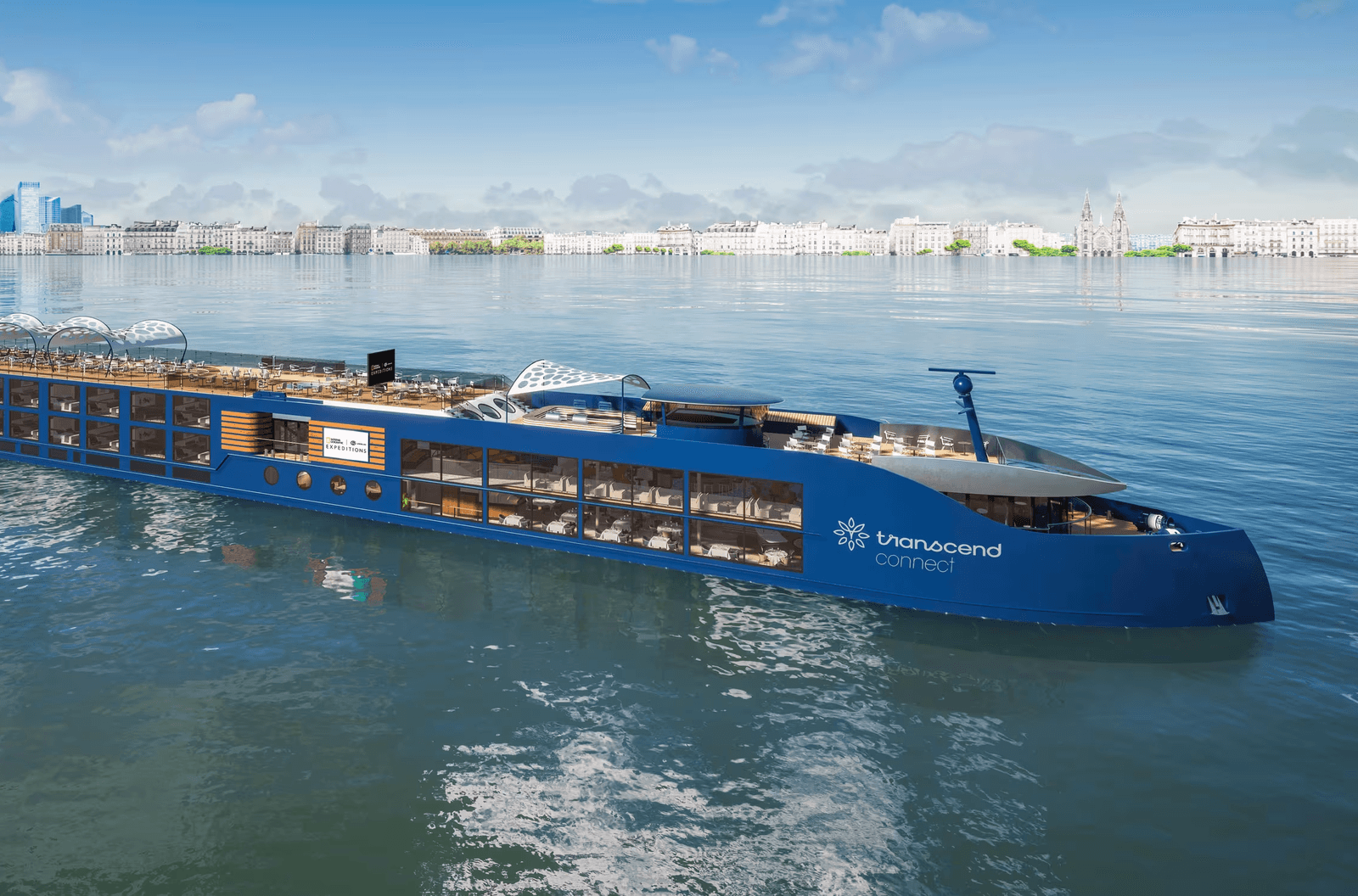
Imagine waking up to the gentle chime of a local cathedral bell, the scent of freshly baked rye bread wafting through your cabin window. This is the reality of the river traveler. Traditional land tours often involve a relentless cycle of hotel hopping, where significant portions of the day are consumed by packing, check-outs, and the monotonous view of a highway from a bus window. In contrast, European river cruises act as floating boutique hotels that move with you, turning transit time into leisure time.
The logistical advantage is not merely a matter of comfort; it is a matter of access. Industry data shows that 80% of travel advisors identify ease of access to historic city centers as the primary driver for choosing water over land. While large bus tours are often relegated to peripheral hotels due to urban traffic restrictions, river ships frequently dock in the heart of the action. You can step off the gangway and find yourself on the cobblestone streets of a UNESCO World Heritage site within minutes.
For those who value independence alongside structure, this pedestrian proximity is a revelation. You might spend your morning on a guided heritage walk exploring the gothic secrets of Cologne, but your afternoon is free for a spontaneous visit to a local kaffeehaus or a quiet sketch by the riverbank. This balance is nearly impossible to achieve on a rigid land tour. Brands like Viking are particularly celebrated for their adults-only city-center docking, ensuring that your transition from ship to shore is as sophisticated as the destination itself.
Academic Enlightenment: Beyond Standard Sightseeing
The modern cultural traveler is no longer satisfied with a cursory glance at a monument or a rehearsed script from a seasonal guide. We are seeing a profound shift in demand; current market analysis indicates that 78% of travelers are now seeking immersive cultural experiences that offer intellectual depth. This demand has birthed a new era of academic travel on the water.
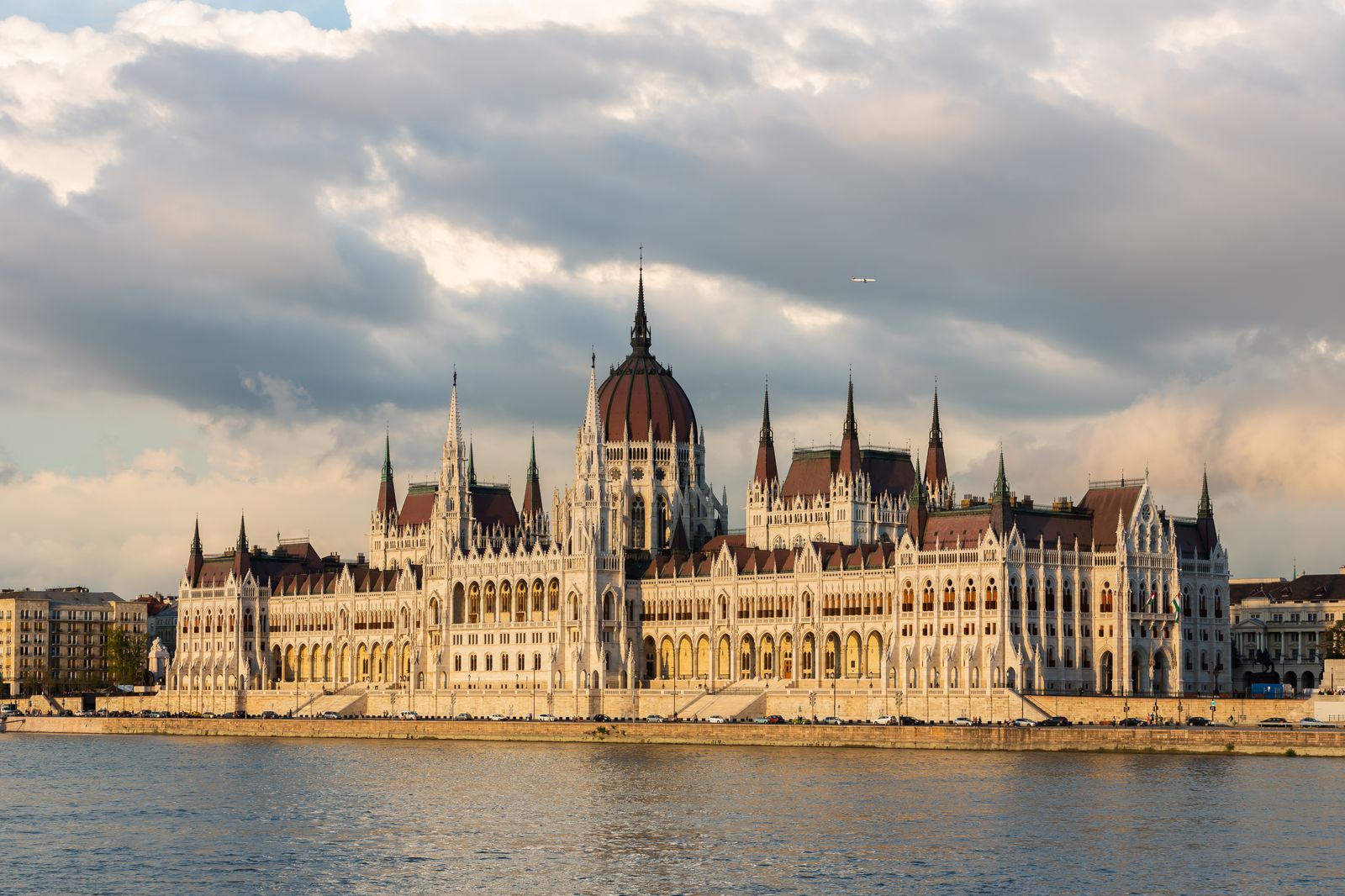
Educational programs have become the cornerstone of high-end itineraries. Partnerships with prestigious institutions, such as the collaboration between AmaWaterways and Smithsonian Journeys, bring a level of historical context to the journey that land tours rarely match. Instead of a generalist guide, you might find yourself sharing a glass of Riesling with a Cold War historian or an expert in Renaissance art who provides a private lecture before you visit the Louvre or the Hungarian Parliament Building.
These curated shore excursions offer exclusive access that independent land travel simply cannot facilitate. Imagine a private classical concert at a Viennese palace after the crowds have dispersed, or an expert-led tour of a private vineyard in the Douro Valley that isn't open to the public. For the 2026-2027 season, these educational river cruises and history tours are expanding their focus to include more niche subjects, from the mathematical architecture of the Moors in Spain to the post-war industrial revival of the Ruhr Valley.
Thematic Rivers: Matching Interest with the Right Waterway
Choosing the right river is much like choosing the right book; the narrative depends entirely on the setting. Each European waterway offers a distinct cultural flavor, and matching your specific interests to the route is key to a meaningful journey.
- The Rhine: Historically significant waterways don't get much more evocative than this. Ideal for those fascinated by medieval history and Gothic architecture, the Rhine offers a parade of hilltop castles and timber-framed villages.
- The Danube: This is the artery of Imperial Europe. If your heart beats for classical music, Hapsburg history, and the architectural grandeur of Vienna and Budapest, the Danube is your destination.
- The Seine: For the art lover, the Seine is a pilgrimage. Following the river from Paris to Normandy allows for a deep dive into Impressionism, visiting the very landscapes that inspired Monet’s water lilies.
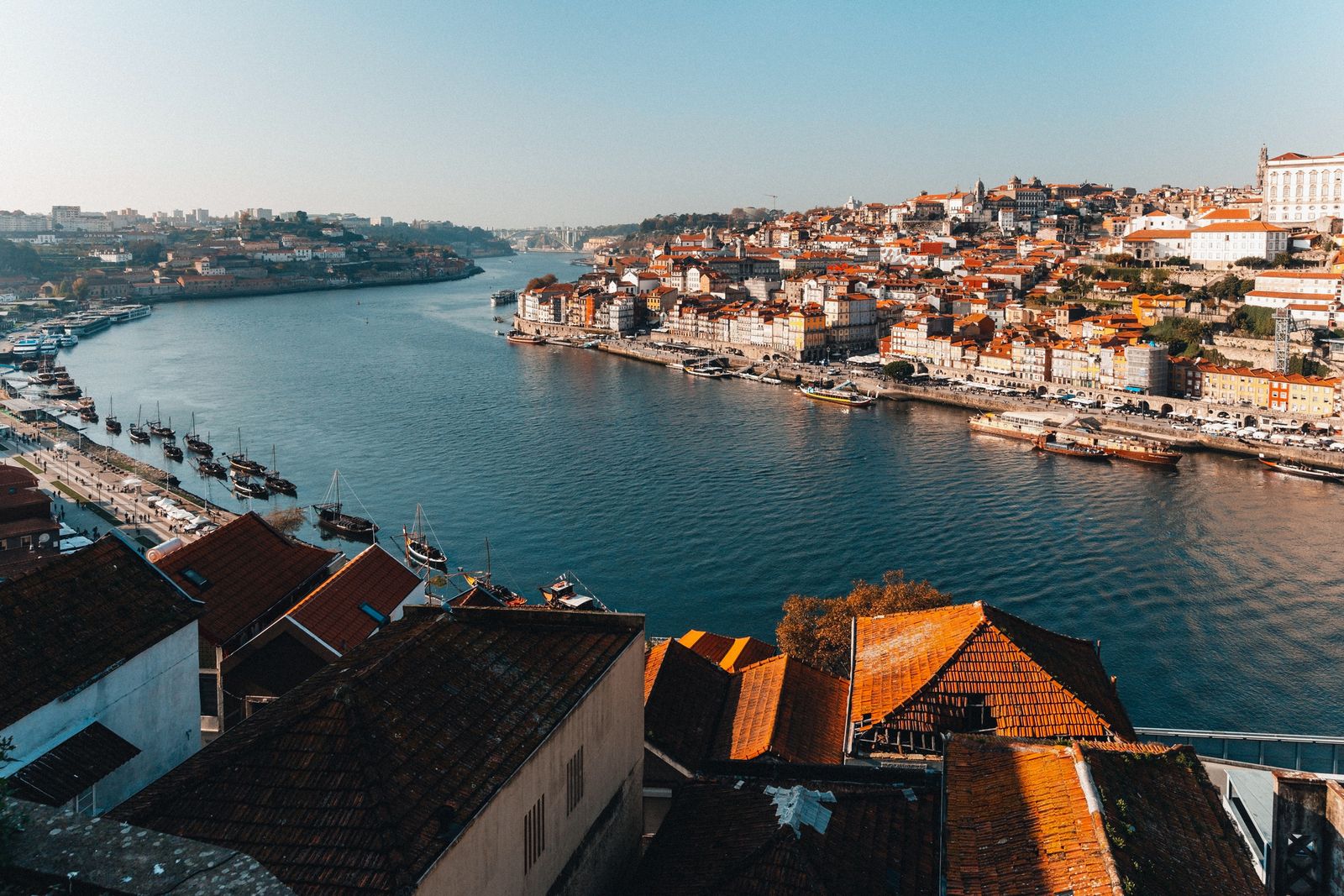
- The Douro: A slower, more sensory route focused on viticulture and rugged landscapes. It is perfect for the traveler who wants to understand the ancient traditions of port wine production.
For solo travelers, ships like the MS George Eliot offer a sense of small group intimacy that prevents the isolation often felt during independent land travel. The communal atmosphere of a small ship ensures that while you have your own sanctuary, you are never far from a conversation with a like-minded explorer.
The Value Equation: Is River Cruising Actually More Expensive?
At first glance, the price tag of a premium river cruise can seem daunting compared to the piecemeal costs of a self-planned land tour. However, the benefits of river cruising for cultural travelers become clear when you look at the daily cost logic. When you factor in the high cost of European rail tickets, the surcharge for city-center hotels, and the escalating price of restaurant dining, the "all-inclusive" nature of a cruise begins to shine.
According to 2024 industry data, 69% of travel advisors report that their clients consider a river cruise to be a superior choice compared to traditional guided land tours when all costs are considered. Below is a breakdown of what the true daily cost looks like for a luxury experience.
| Expense Category | Typical Land Tour (Per Day) | Premium River Cruise (Per Day) |
|---|---|---|
| Accommodation | $250 - $400 (4-star City Center) | Included (Floating Boutique Hotel) |
| Daily Meals | $100 - $150 (Three courses + wine) | Included (Regional Gastronomy) |
| Transportation | $50 - $100 (Train/Taxi/Bus) | Included (The Ship is the Transit) |
| Guided Tours | $50 - $120 (Museum fees/Guides) | Included (Daily Excursions) |
| Wines & Gratuities | $40 - $60 | Frequently Included |
| Total Daily Cost | $490 - $830 | $400 - $800 |
By removing the hidden costs and the mental load of managing a budget in multiple currencies, river cruising allows you to focus entirely on the cultural immersion. Onboard regional dining further enhances the value, as the chefs often source ingredients from the morning's port, allowing you to taste the terroir of the Wachau Valley or the Alsace region without even leaving the ship.
Looking Ahead: 2026 New Launches and Solo Travel Trends
The future of river travel is defined by refinement rather than expansion. As we look toward 2026, the industry is witnessing the launch of vessels designed with even more specialized intent. The arrival of the Tauck MS Lumiere, for instance, signals a move toward even more space-per-guest and a focus on intimate, small-group excursions that cater to the sophisticated independent traveler.
A notable trend for 2026 is the rise of solo-friendly ship designs. Historically, river cruising was a couple's game, but new designs are incorporating more dedicated solo cabins and removing the dreaded "single supplement" on select sailings. This reflects a growing segment of the market: the independent scholar who wishes to explore Europe's art and history at their own pace while enjoying the safety and community of a small ship.
Planning a multi-country European history cruise for 2026 or 2027 requires early action, especially for these specialized itineraries. Whether you are choosing AmaWaterways vs Viking for cultural immersion or selecting an ultra-luxury niche line, the transition from road to river represents more than just a change in transport—it is a change in how we perceive the very heart of Europe.
FAQ
Which is the best European river to cruise for first-timers?
The Danube is widely considered the best choice for first-timers. Its route through Vienna, Budapest, and Salzburg offers a high density of iconic landmarks, imperial history, and world-class musical heritage, making it the perfect gateway to the river cruising experience.
Are European river cruises all-inclusive?
While definitions vary by line, most premium river cruises include all meals, regional wines and beers with lunch and dinner, daily shore excursions, and Wi-Fi. Luxury lines often include gratuities and round-trip airport transfers as well, providing a truly seamless financial experience.
What is the difference between a river cruise and an ocean cruise?
The primary difference is scale and access. River ships are intimate, typically carrying 100 to 190 guests, allowing them to dock in small towns and city centers where ocean liners cannot go. River cruises focus on the destination and cultural immersion, whereas ocean cruises often focus more on onboard entertainment and ship amenities.
How much does a European river cruise cost?
Prices generally range from $3,000 to $7,000 per person for a 7-night journey. This equates to a daily cost of approximately $400 to $1,000 depending on the season, cabin category, and level of luxury. When compared to the cost of luxury land travel, the value is often superior.
Do you get seasick on a European river cruise?
No, it is extremely rare to experience seasickness on a river cruise. Unlike the open ocean, rivers are calm and narrow, with no significant waves or swells. The ships move slowly and are highly stable, making them an excellent choice for those sensitive to motion.