Quick Facts
- Top Ranked: Cuzco, Peru (Reader Score: 90.33)
- Gastronomy Leader: Lima, Peru (Barranco District)
- 2026 Event Highlight: Rock in Rio (September 2026)
- Best Weather: June–August for clear skies in the Andes and Amazon
- Logistics Warning: 60-day advance booking required for Machu Picchu entry
- Visa Update: Brazil e-visa required for US, Canadian, and Australian citizens in 2026
As we look toward 2026, the best South American cities are evolving from traditional tourist stops into immersive cultural hubs. Whether you are chasing UNESCO World Heritage sites in the Andean highlands or the vibrant urban nightlife of Brazil, this year rewards the prepared traveler. Based on reader surveys and upcoming events like Rock in Rio, here are the must-visit destinations and essential planning tips for the region. Establishing a comprehensive South America travel planning 2026 strategy allows you to balance high-altitude explorations with coastal relaxation efficiently.
The best South American cities to visit in 2026 are led by Cuzco for its archaeological heritage, Lima for gastronomy, and Rio de Janeiro for its vibrant 2026 festival scene. Travelers seeking a blend of history and modernity will find that these urban centers offer the most robust logistical infrastructure and cultural depth for the upcoming travel season.
2026 Traveler Alert: If your 2026 itinerary includes Brazil, ensure your e-visa is processed at least 30 days before departure. Additionally, Peru has implemented stricter daily caps on archaeological site visits; booking your train and entry tickets 60 days in advance is now a necessity rather than a suggestion.
Historical Crowns: The Andean Highlands & Colonial Icons
The spine of the Andes mountains houses cities where time seems to fold in on itself. Here, Spanish colonial architecture sits directly atop the precision-cut stone foundations of the Incan Empire. These are the top cultural cities in South America for history lovers, offering a tangible connection to a pre-Columbian past that remains active in the daily dress, language, and rituals of the local population.
Cuzco, Peru
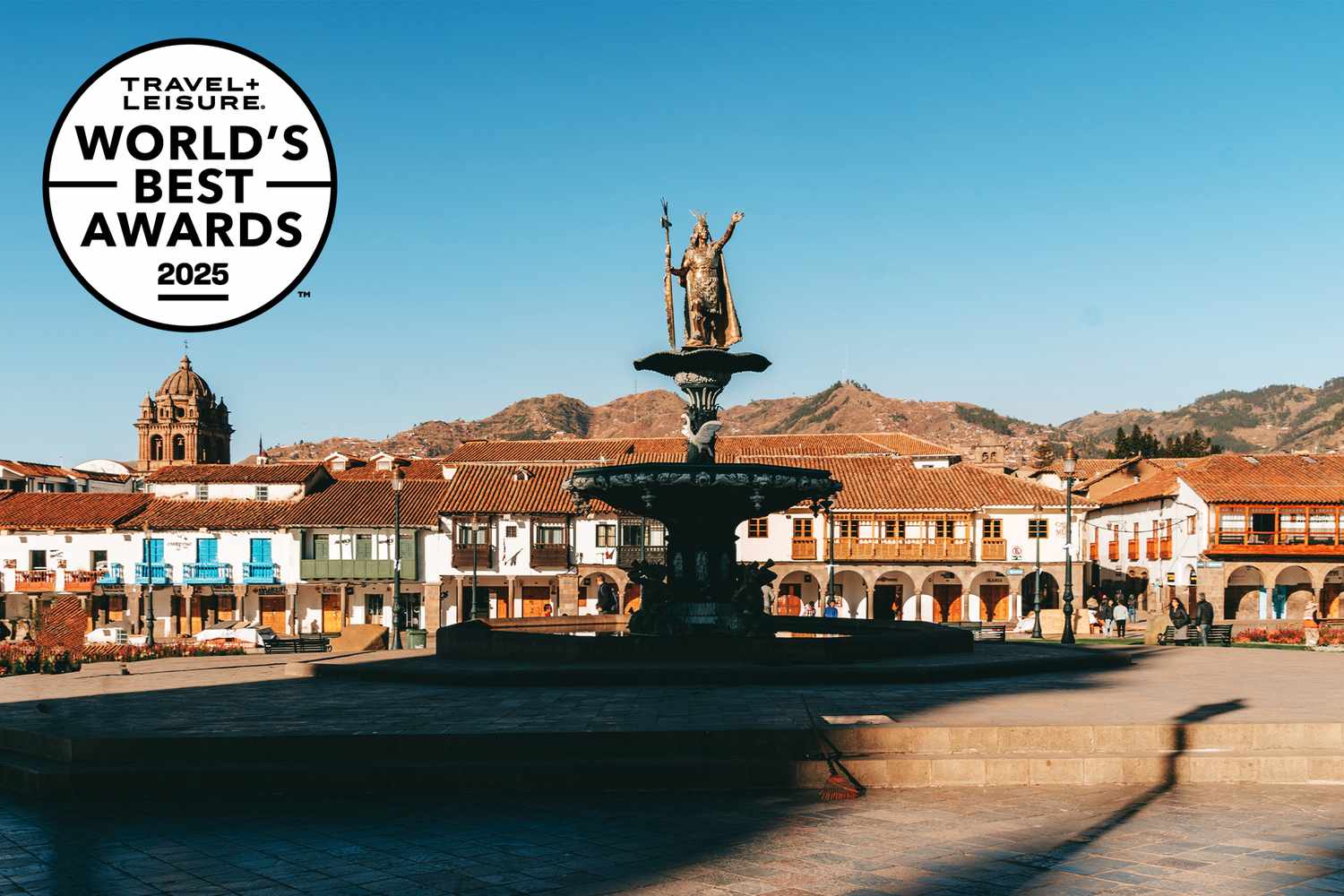
Cuzco remains the undisputed heavyweight of regional travel. In recent surveys, it was featured prominently in the 2024 Travel + Leisure World's Best Awards with three properties ranked among the top ten city hotels in Central and South America. The city serves as a living museum, but the real magic lies in the small details: the scent of eucalyptus wood smoke in the morning air and the steep, cobblestoned climbs of the San Blas neighborhood. For those interested in archaeological exploration, the massive stone ramparts of Sacsayhuamán are just a 15-minute uphill walk from the main plaza, offering a preview of the scale seen at Machu Picchu.
- Daily Cost: $45 - $85
- Altitude: 11,152 ft (3,399 m)
- Best Month: July (Dry season)
Antigua Guatemala
While technically in Central America, Antigua is a vital stop for any continental deep-dive. Known for its volcanic landscapes and Mayan heritage, it offers a rare level of preservation among UNESCO World Heritage sites. The city is essentially a grid of pastel-colored ruins and restored convents. It is one of the top cultural cities in South America and its neighbors, where indigenous culture is woven into the high-end boutique hotels that occupy former colonial estates.
Quito, Ecuador
Often overlooked in favor of the Galapagos, Quito’s historic center is one of the largest and best-preserved in the Americas. It is a city of verticality, where gold-leafed baroque churches like La Compañía de Jesús contrast with the rugged green peaks surrounding the valley. For those seeking the best south american cities for hiking and outdoor adventure, Quito serves as the perfect base camp for day trips to the Cotopaxi volcano or the cloud forests of Mindo.
La Paz, Bolivia
La Paz offers the most dramatic urban topography in the region. To navigate the city, you don’t use a subway; you use the Mi Teleférico cable car system, which provides bird’s-eye views of the sprawling markets and the snow-capped Illimani mountain. At 11,940ft, it requires a strict 48-hour acclimatization period. It is a budget-friendly destination where street food markets sell salteñas for less than two dollars, making it a favorite for those seeking an authentic, less-manicured experience.
The Flavor Capitals: Gastronomy and Nightlife
In the last decade, the culinary map of the world has shifted toward the Southern Hemisphere. We are seeing a move away from European-centric dining toward south american cities with the best gastronomic experiences, where biodiversity meets ancient cooking techniques.
Lima, Peru
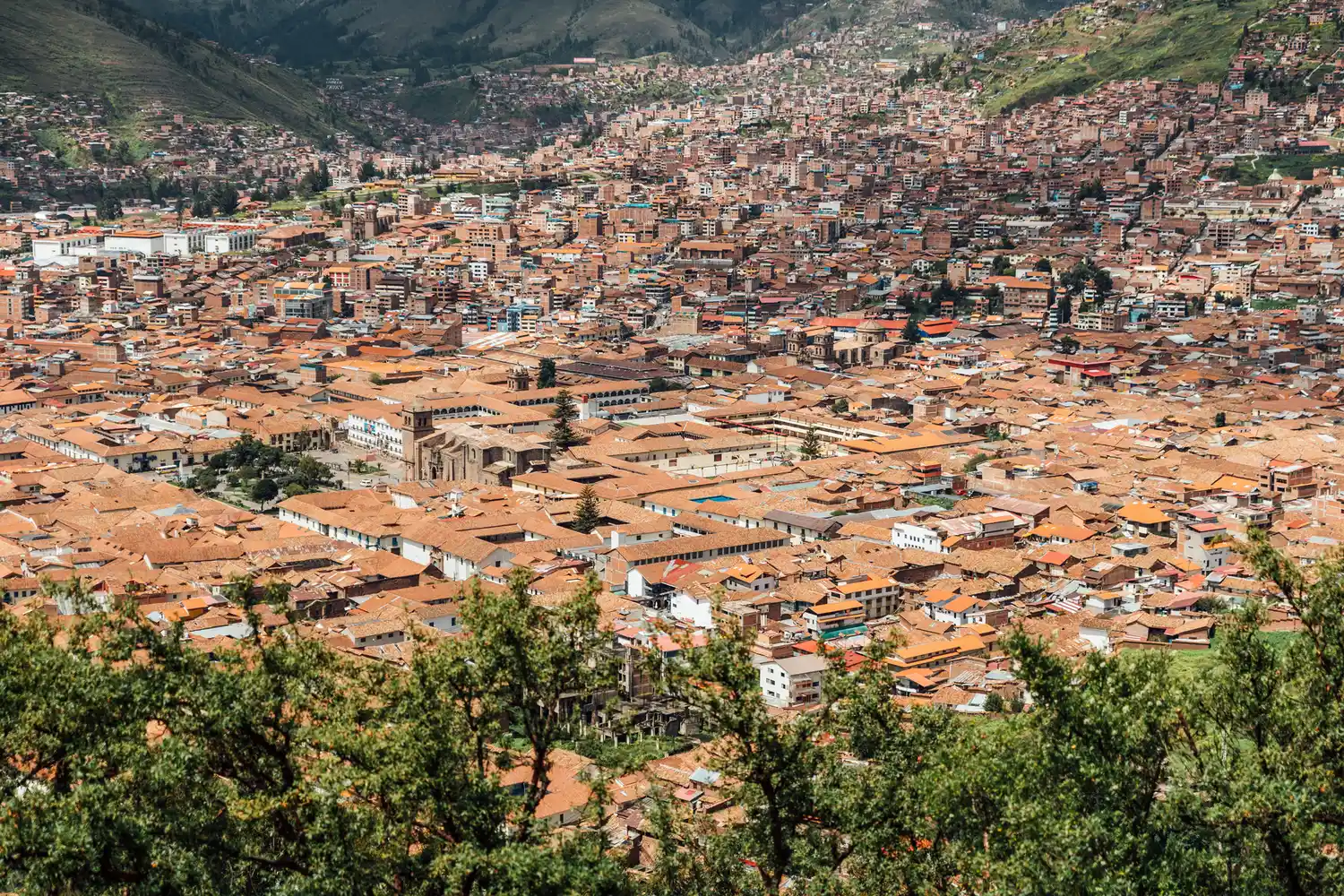
Lima has moved from being a layover city to a primary destination. The Barranco district, with its artsy murals and hidden bars, is the epicenter of this shift. Here, you can find world-ranked restaurants like Central alongside budget-friendly south american cities with top culinary scenes hidden in the local mercados. The city’s geography is unique; it is a desert city built on cliffs overlooking the Pacific, where the damp sea mist adds a particular atmosphere to the urban nightlife.
- Daily Cost: $60 - $110
- Altitude: Sea Level
- Best Month: February (Summer sunshine)
Buenos Aires, Argentina
Buenos Aires feels like a European capital that has been reimagined with Latin passion. The city’s architecture resembles Paris, but the soul is pure tango and parrilla. For a 2026 trip, focus on the Palermo Soho and Chacarita neighborhoods, where a new wave of chefs is moving beyond the traditional steakhouse to explore regional Argentine ingredients. It remains one of the must-visit South American urban destinations for those who value wine regions, as the Malbec of Mendoza is never more than a short flight or a well-stocked wine bar away.
Mendoza, Argentina
If Buenos Aires is the party, Mendoza is the long, sophisticated lunch. Nestled at the foot of the Andes, this is the heart of South American wine culture. Most travelers spend their days cycling between vineyards in Luján de Cuyo or the Uco Valley. The city itself is famous for its wide, tree-lined avenues and massive parks, offering a slower pace of life that prioritizes hospitality and service.
Urban Energy: Festivals and Coastline Hubs
For travelers who want their 2026 journey to include white sand and world-class music, the Atlantic and Caribbean coasts offer a different kind of intensity.
Rio de Janeiro, Brazil
Rio is preparing for a massive 2026, with the Rock in Rio festival set to draw millions to its shores in September. Beyond the festivals, Rio’s natural setting is unparalleled—nowhere else does a rainforest-covered mountain range drop so precipitously into a major metropolis. It is worth noting that in the 2024 Travel + Leisure World's Best Awards, Hotel Fasano Rio de Janeiro was ranked as the top city hotel in Central and South America, earning a reader score of 97.65. This reinforces Rio’s status as a leader in luxury coastal resorts.
- Daily Cost: $70 - $130
- Altitude: Sea Level
- Best Month: September (For festivals and mild heat)
Cartagena, Colombia
Cartagena is a sensory explosion. The humidity, the bright bougainvillea hanging from balconies, and the rhythms of champeta music define the experience. While the Walled City is the tourist heart, the Getsemaní neighborhood is where you find the true local spirit. It is celebrated for its well-preserved Old Town and vibrant local hospitality, where neighbors sit outside their colorful homes every evening, contributing to the strong sense of community that makes Cartagena one of the best south american cities for cultural immersion.
São Paulo, Brazil
If Rio is the beauty, São Paulo is the brain. This is a sprawling megalopolis that offers the most diverse dining and arts scene on the continent. From the Japanese heritage of the Liberdade district to the high-end galleries of Jardins, it is a city that never stops. It is the top choice for music and arts seekers who want an urban experience that rivals New York or London in scale.
2026 Itinerary Planning: Routes and Transitions
The secret to success when you learn how to plan a multi-city south america itinerary 2026 is clustering. The continent is too vast to see in one go, so smart travelers choose a thematic circuit. The Andean Trail usually groups Bogota, Quito, Lima, and Cuzco, while the Southern Cone circuit focuses on Santiago, Buenos Aires, and Montevideo.
Navigating the seasonal weather patterns is the most critical logistical hurdle. The best time of year to visit south american cities for clear skies in the mountains is the austral winter (June through August), while the southern beaches of Brazil and Uruguay are at their best in January and February.
When calculating your budget, remember that local regional airlines like LATAM and JetSmart have expanded their routes, making multi-city hops more affordable. However, public safety remains a consideration; always use registered radio taxis or ride-sharing apps, and keep an eye on local news for any regional travel advisories. Interestingly, while Costa Rica was named Travel + Leisure’s 2024 Destination of the Year, many of the most successful 2026 itineraries are blending one Central American hub with a South American deep-dive for the ultimate regional contrast.
| City | Primary Draw | 2026 Vibe | Avg. Daily Budget |
|---|---|---|---|
| Cuzco | History | Archaeological mastery | $55 |
| Lima | Food | World-class fusion | $80 |
| Rio | Beaches | High energy/Festivals | $95 |
| Buenos Aires | Culture | European elegance | $70 |
| Cartagena | Aesthetic | Caribbean colonial | $90 |
FAQ
What is the most beautiful city in South America?
Beauty is subjective, but Rio de Janeiro is widely considered the most visually stunning due to its dramatic integration of granite peaks, lush rainforests, and Atlantic beaches within an urban landscape. For architectural beauty, Cuzco and Cartagena offer the most consistent colonial and historical aesthetics.
Which South American city is the safest for tourists?
Currently, cities like Montevideo, Uruguay, and Santiago, Chile, are frequently cited as the safest urban destinations in the region. Within larger cities, staying in well-trafficked tourist districts like Miraflores in Lima or Palermo in Buenos Aires significantly enhances personal security.
What is the best city in South America for food lovers?
Lima, Peru, is the undisputed culinary capital. It holds the highest concentration of restaurants featured on the World’s 50 Best lists and offers a unique fusion of indigenous Incan, Spanish, African, and Asian flavors, particularly evident in its world-famous ceviche and Nikkei cuisine.
Which South American city has the best nightlife?
Buenos Aires and São Paulo offer the most robust and diverse nightlife. Buenos Aires is famous for its "boliches" (clubs) that don't get busy until 2:00 AM, while São Paulo offers everything from subterranean techno clubs to sophisticated rooftop jazz bars in its sprawling financial districts.
What are the best South American cities for digital nomads?
Medellín, Colombia, and Buenos Aires, Argentina, are the top choices for digital nomads in 2026. Both offer a low cost of living, high-speed internet infrastructure, a large community of remote workers, and a high quality of life with plenty of cafes and co-working spaces.