I’ve spent the better part of a decade hacking through dense jungles and navigating remote mountain passes, but honestly, nothing is more exhausting than fighting a sea of selfie sticks in Venice or jostling for a square inch of sand in Mallorca during July. As an editor who lives for the off-grid and the authentic, I’ve seen the toll overtourism takes on both the traveler and the local soul. But there is a shift happening. For 2026, we are looking at a new map of Europe—one that prioritizes breathing room, cooler northern latitudes, and those B-side cities that have kept their magic hidden just out of sight.
Quick Facts
- The 2026 Shift: 55% of travelers now prioritize off-the-beaten-path spots to avoid extreme heat and crowds.
- Top Affordable Pick: Plovdiv, Bulgaria, featuring the 2026 PhilGood Festival and ancient Roman ruins.
- Best Nature Escape: Lake Thun, Switzerland for world-class alpine hiking and crystal-clear water.
- Top Beach Alternative: Terracina, Italy, offering an authentic coastal experience as the ultimate Amalfi Dupe.
- Car-Free Luxury: La Graciosa in the Canary Islands, where paved roads don't exist and peace is the priority.
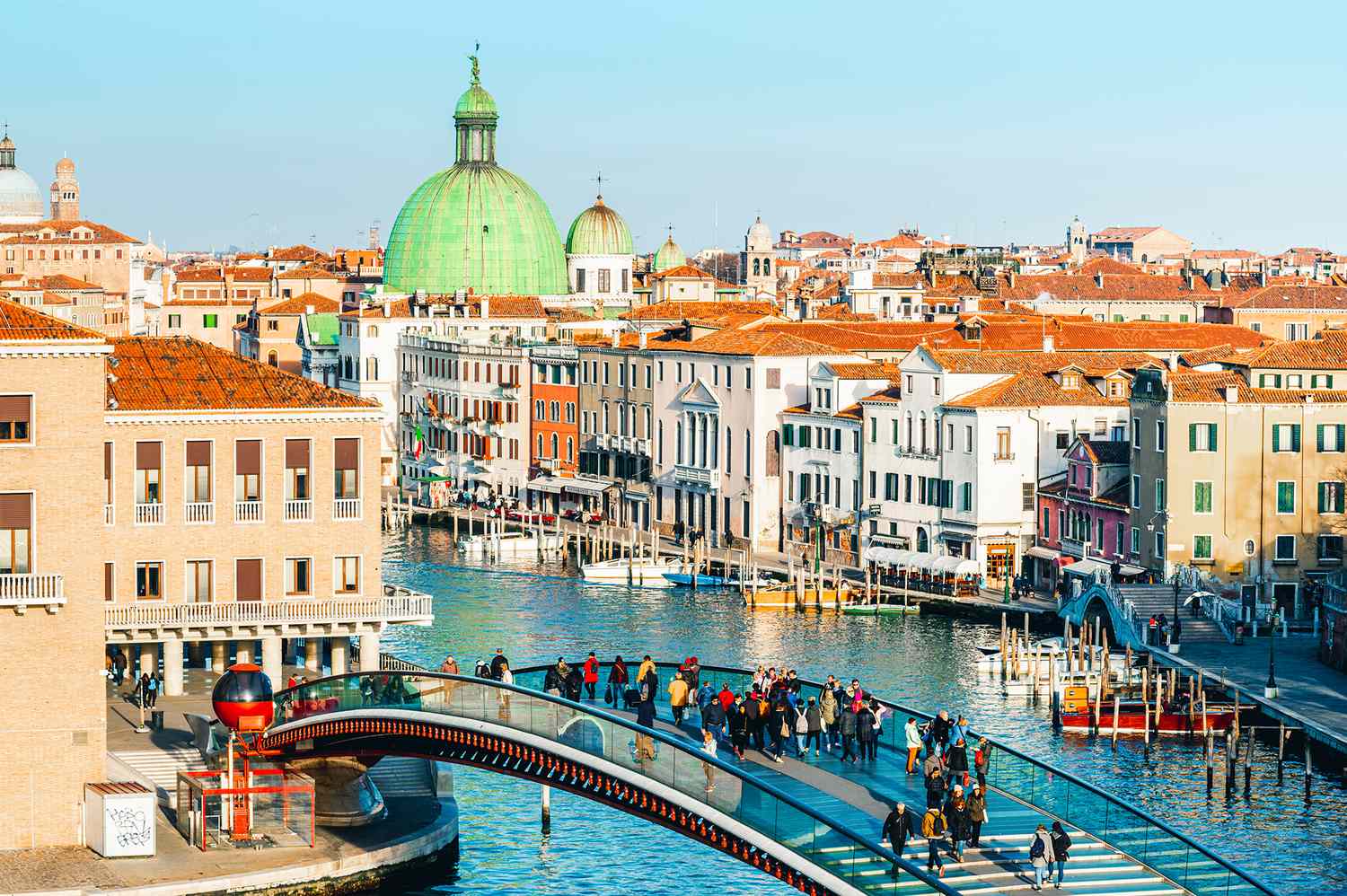
- The Proximity Hack: Padua acts as the perfect alternative to Venice, located just a 15-minute train ride away.
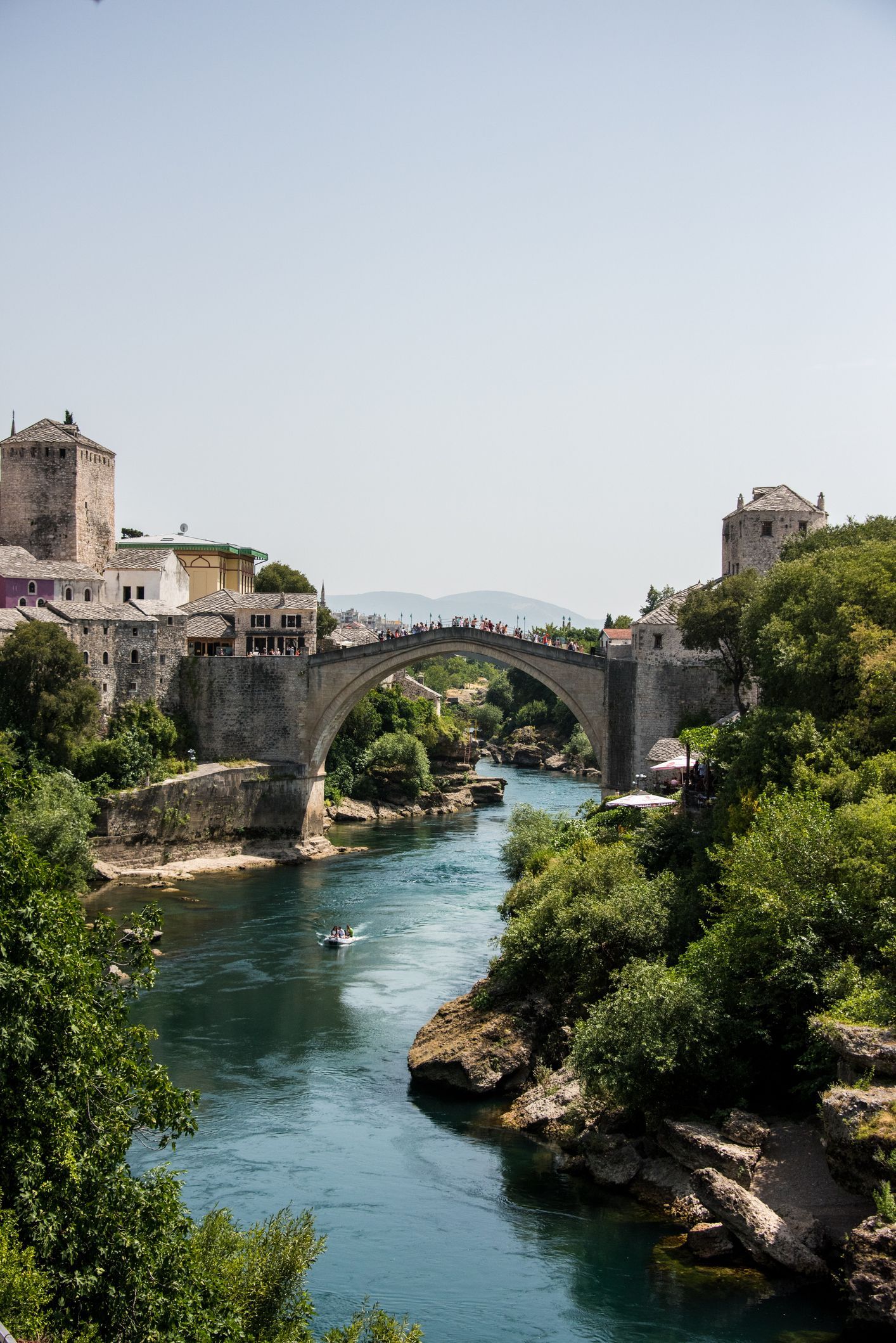
The best underrated European destinations for summer 2026 include Mostar in Bosnia and Herzegovina, the car-free island of La Graciosa in the Canary Islands, and the fjord-adjacent city of Bergen, Norway. These locations, alongside historic hubs like Ourense, Tallinn, and Braga, provide travelers with authentic local culture and pristine landscapes without the crushing congestion found in major holiday circuits.
Why Escape the Tourist Mob in 2026?
We have reached a tipping point. The European Travel Commission reported in 2025 that 55% of travelers are now choosing off-the-beaten-path locations, up from 48% earlier in the year. People are tired of the heatwaves and the "Disneyfication" of classic capitals. When you look at the raw data from Eurostat, the disparity is staggering: Mallorca recorded over 51.1 million overnight stays in 2024, while a hidden gem like Liechtenstein welcomed fewer than 230,000 visitors.
It’s no wonder we are seeing a mass migration toward what I call B-side cities. Travelers are voting with their feet, looking for sustainable tourism and genuine moments rather than curated tourist traps. In fact, a recent industry report indicates that summer bookings to Slovenia jumped 473% year-over-year as explorers reroute to alternative Alpine and Adriatic destinations. This isn't just about saving money; it’s about reclaiming the sense of discovery that travel is supposed to be about.
The Destination Dupe Guide: Coastal & Island Escapes
If you love the vertical cliffs and turquoise waters of the Amalfi Coast but hate the 20-euro lemonades and shoulder-to-shoulder foot traffic, look no further than Terracina. Nestled between Rome and Naples, this town offers a pristine maritime atmosphere and a massive Temple of Jupiter Anxur overlooking the sea. It’s where the locals go, and that’s always the ultimate endorsement.
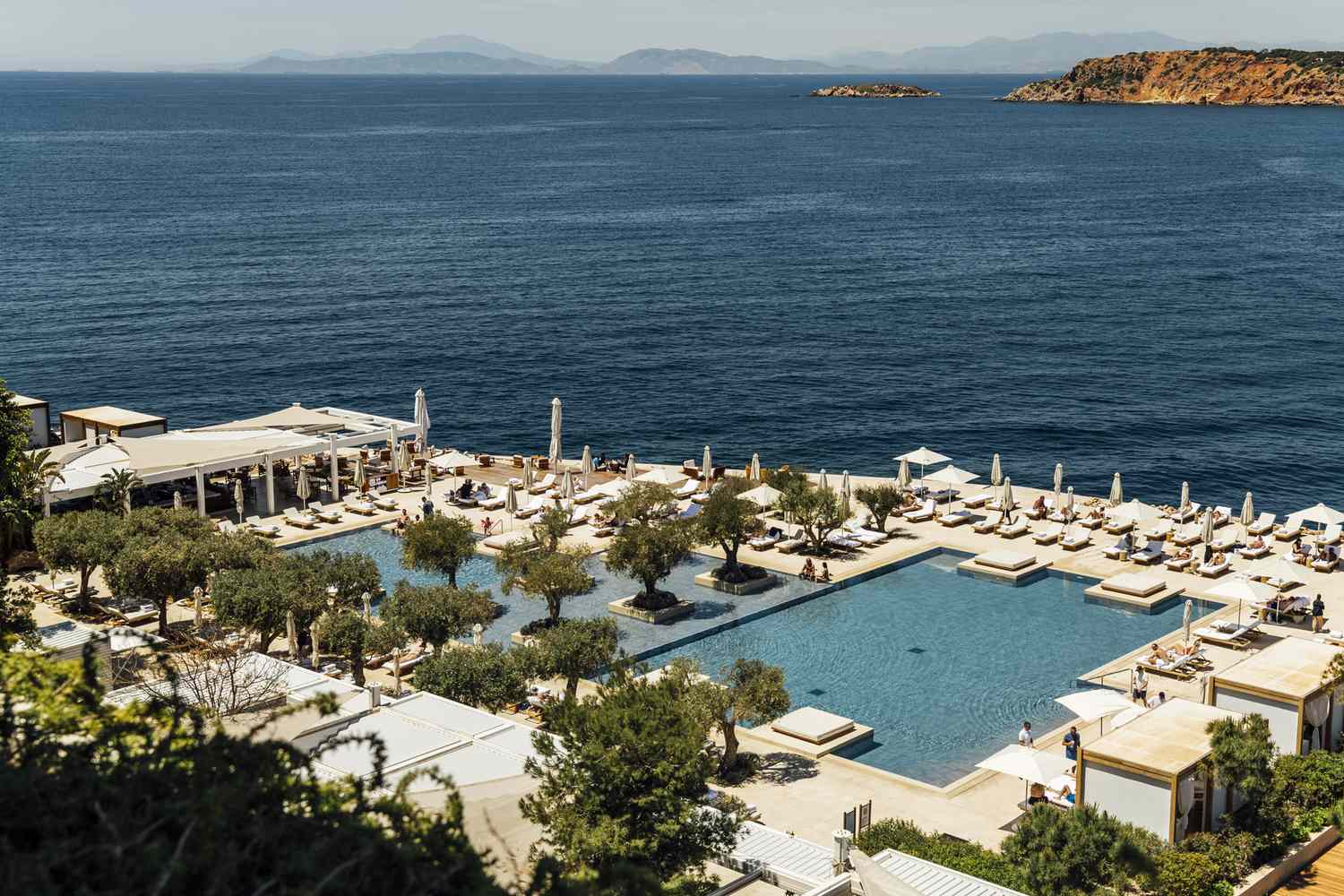
For those craving an island escape that feels truly remote, La Graciosa in the Canary Islands is the elite choice. It is one of the few places in Europe with no paved roads. You arrive by ferry, rent a mountain bike, and navigate sandy tracks to reach secluded beaches like Playa de las Conchas. This is sustainable tourism in its rawest form. While its neighbor Lanzarote deals with mass tourism, La Graciosa preserves its pristine coastlines by simply being inaccessible to the casual tourist mob.
Coastal Comparison: Popular vs. Underrated
| Popular Spot | The Dupe | Why It’s Better |
|---|---|---|
| Amalfi Coast | Terracina, Italy | Same volcanic cliffs, half the price, authentic food. |
| Santorini | Milos, Greece | More dramatic geology and far fewer cruise ship crowds. |
| Mallorca | La Graciosa, Spain | Car-free, silent, and entirely unpaved. |
| French Riviera | Altea, Spain | White-washed streets and boutique boltholes without the VIP prices. |
Historical B-Side Cities: Beyond the Capitals
In my travels, I’ve found that the best history isn't always in the biggest museums. It’s in the streets of cities like Plovdiv, Bulgaria. As one of the oldest continuously inhabited cities in the world, Plovdiv is a masterclass in regional gastronomy and ancient layers. In 2026, the city will host the PhilGood Festival, celebrating its thriving arts scene amidst 2,000-year-old Roman theaters. It’s a pedestrian-friendly choice that feels alive rather than preserved in amber.
Further west, Ourense in Spain is the secret thermal capital of Galicia. While the crowds are battling for a spot in Madrid, you could be soaking in 2,000-year-old thermal springs along the Minho River. The city is a hub of medieval architecture, but it’s the slow travel movements here that really win me over. You take your time, you eat the octopus, and you wander the UNESCO heritage streets without once checking your watch.
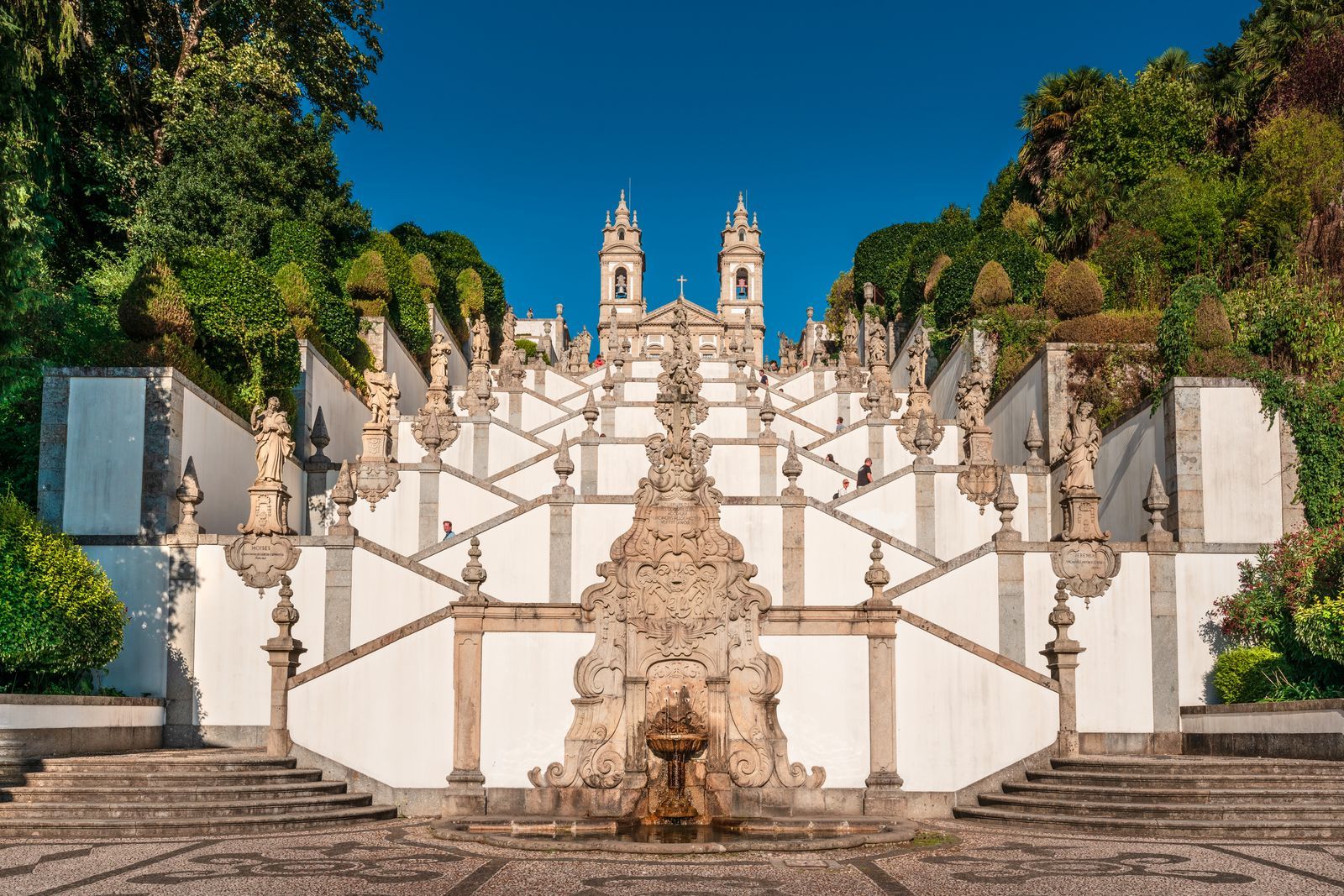
Then there is Braga, Portugal. Often overshadowed by Porto, Braga is deeply historic—its cathedral dates back to 1070—but it feels youthful thanks to a large student population. It’s the perfect spot for families seeking family friendly hidden gems in Europe for summer travel because it’s walkable, safe, and rich with parks.
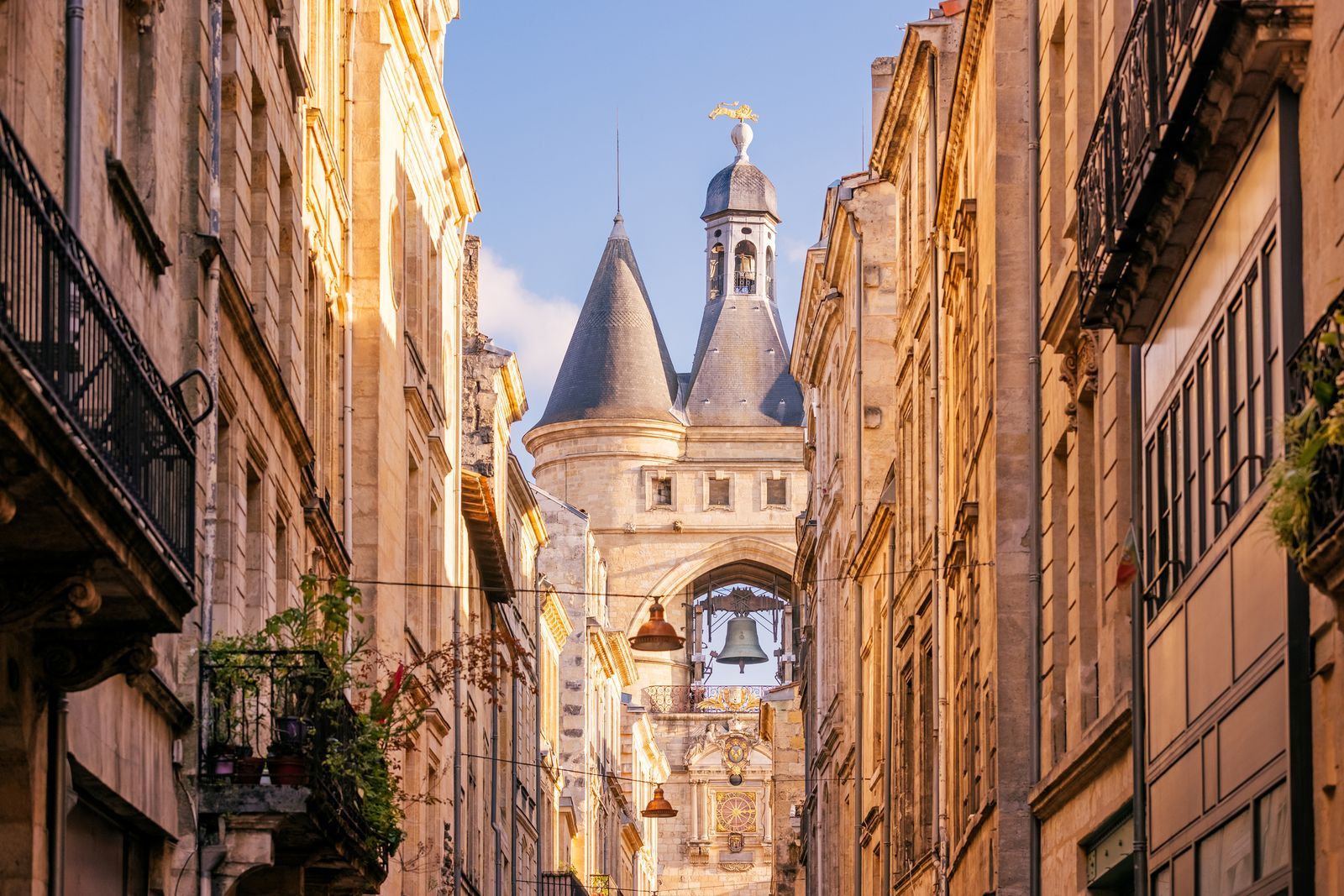
Expert Tip: In historical cities like Bordeaux or Braga, skip the hop-on-hop-off buses. These are pedestrianized centers designed for wandering. The best wine bars and artisan shops are usually found three alleys deep away from the main square.
Alpine Freshness: Mountains & Lakes to Beat the Heat
As the Mediterranean gets hotter each year, the smart money for summer 2026 is moving north or climbing higher. Lake Thun in Switzerland is my top recommendation for anyone needing a reprieve from the sun. While Lake Como is busy looking at itself in the mirror, Lake Thun is actually doing things. We’re talking world-class alpine hiking, sailing, and exploring the five castles that ring the water.
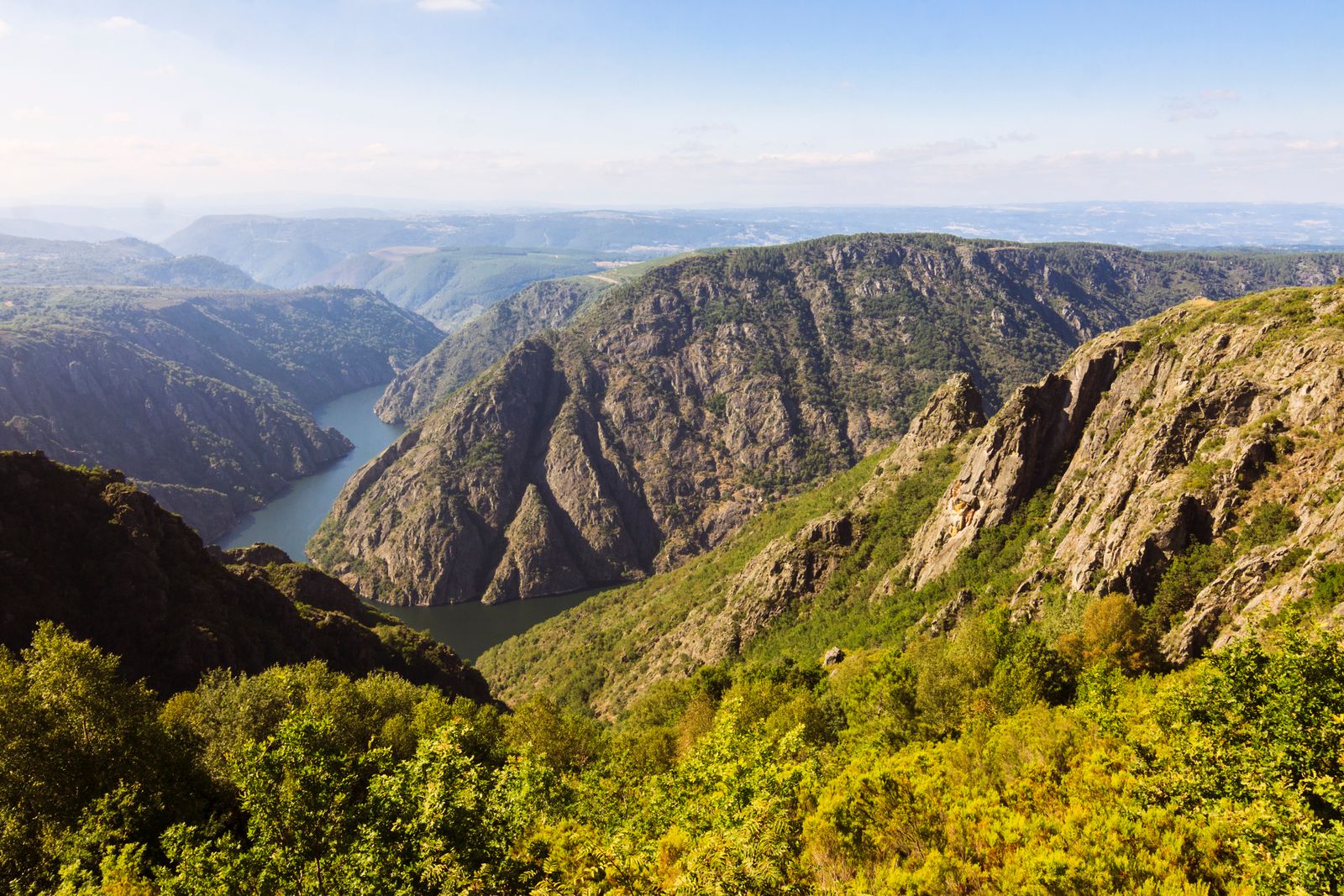
If Switzerland feels too steep for your wallet, head to the Julian Alps in Slovenia. It offers most of the same highland vistas and boutique boltholes for a fraction of the cost. The focus here is entirely on nature and outdoor adventure, from kayaking the emerald Soca River to hiking the Triglav National Park. This is where you find the quiet alternative beach holidays in Europe to avoid crowds—except the "beach" is a pristine alpine lakeshore.
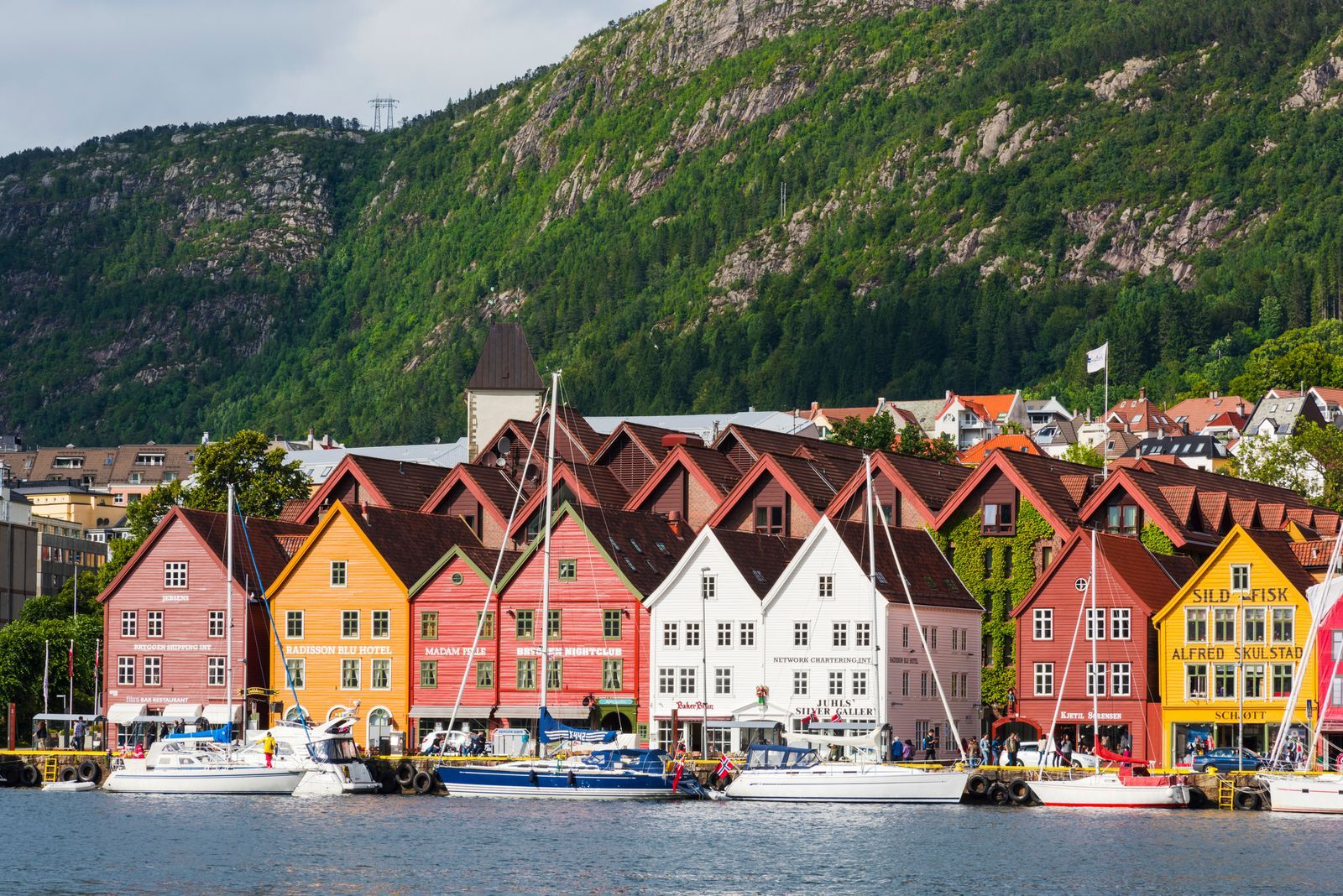
For a completely different vibe, look at Bergen, Norway. It’s the gateway to the fjords, but the city itself is a marvel of maritime atmosphere. Even in the height of July, you’ll find cool breezes and fjord landscapes that make the heatwaves of Southern Europe feel like a distant memory.
Essential Logistics for Off-grid Travel
Going off-grid requires a little more planning, but the payoff is immense. When visiting remote spots like La Graciosa or the fjords of Norway, I always ensure I have a digital eSIM loaded before I arrive; signal can be spotty in the volcanic shadows or deep valleys.
Transport is also part of the adventure. In Europe, the best crowd-free summer destinations Europe has to offer are often just a short hop from a major hub. For example:
- Padua: 15 minutes by train from Venice.
- Braga: 55 minutes by train from Porto.
- Vestmannaeyjar (Iceland): A 45-minute ferry ride that transports you to a different world.
By staying in these secondary cities, you support smaller economies and enjoy a much more relaxed pace of life. You get to see the local bakery at 7:00 AM without a line of fifty people in front of you. That, to me, is the real luxury.
FAQ
Which European cities are similar to popular spots but less crowded?
Many underrated European destinations serve as excellent dupes for famous cities. Padua is an incredible alternative to Venice, offering similar canals and historic charm without the extreme foot traffic. Similarly, Braga provides a more authentic Portuguese experience than Porto, and Terracina offers the dramatic coastline of Amalfi with a much more local, laid-back vibe.
What are the most affordable hidden gems in Europe?
Plovdiv in Bulgaria stands out as one of the best cheap underrated destinations in Europe for summer 2026, offering ancient history and high-quality dining at very low price points. Mostar in Bosnia and Herzegovina and Ourense in Spain also provide exceptional value for travelers looking to stretch their budgets while enjoying UNESCO-level architecture and culture.
How do I find off-the-beaten-path destinations in Europe?
Finding alternative European vacation spots requires looking just beyond the major hubs. Use transit maps to identify towns within an hour's reach of major airports that aren't listed on standard "top 10" lists. Following travel reports from organizations like the European Travel Commission can also help you spot emerging trends before a destination becomes mainstream.
What are the top underrated beach destinations in Europe?
For those seeking a less touristy southern European islands for summer sun, La Graciosa in the Canary Islands is a top-tier choice due to its car-free status and remote feel. Milos in Greece and the coast of Terracina in Italy are also fantastic for travelers who want pristine water and maritime atmosphere without the massive resort crowds.
Are underrated cities in Europe safe for tourists?
Yes, most underrated European destinations are just as safe, if not safer, than their more famous counterparts. Because these areas are less targeted by professional pickpockets and scammers who frequent high-density tourist zones, travelers often report feeling more relaxed. However, standard travel precautions should always be taken, especially when exploring remote wilderness areas like Gerês or the Julian Alps.