Quick Facts
- The Vibe: Intimate, traditional, and locally-focused
- The Location: Jongno 3-ga Station (Lines 1/3/5), Exits 3-6
- Peak Hours: Post-midnight (1 AM to 6 AM)
- The Anchor: Bar Friends (est. 2004)
- Must-Try: Soju and street food at a traditional pocha tent
- Social Style: Community-centric spaces favoring discreet connections over flashy clubbing
While Itaewon's 'Homo Hill' offers flashy clubs and international crowds, the true heart of the Seoul gay scene beats in Jongno 3-ga. For those seeking authentic connections and local dating culture, Jongno gay bars provide an intimate, community-centric alternative centered around traditional street food and discreet pubs.
Itaewon vs. Jongno: Choosing Your Seoul Nightlife Vibe
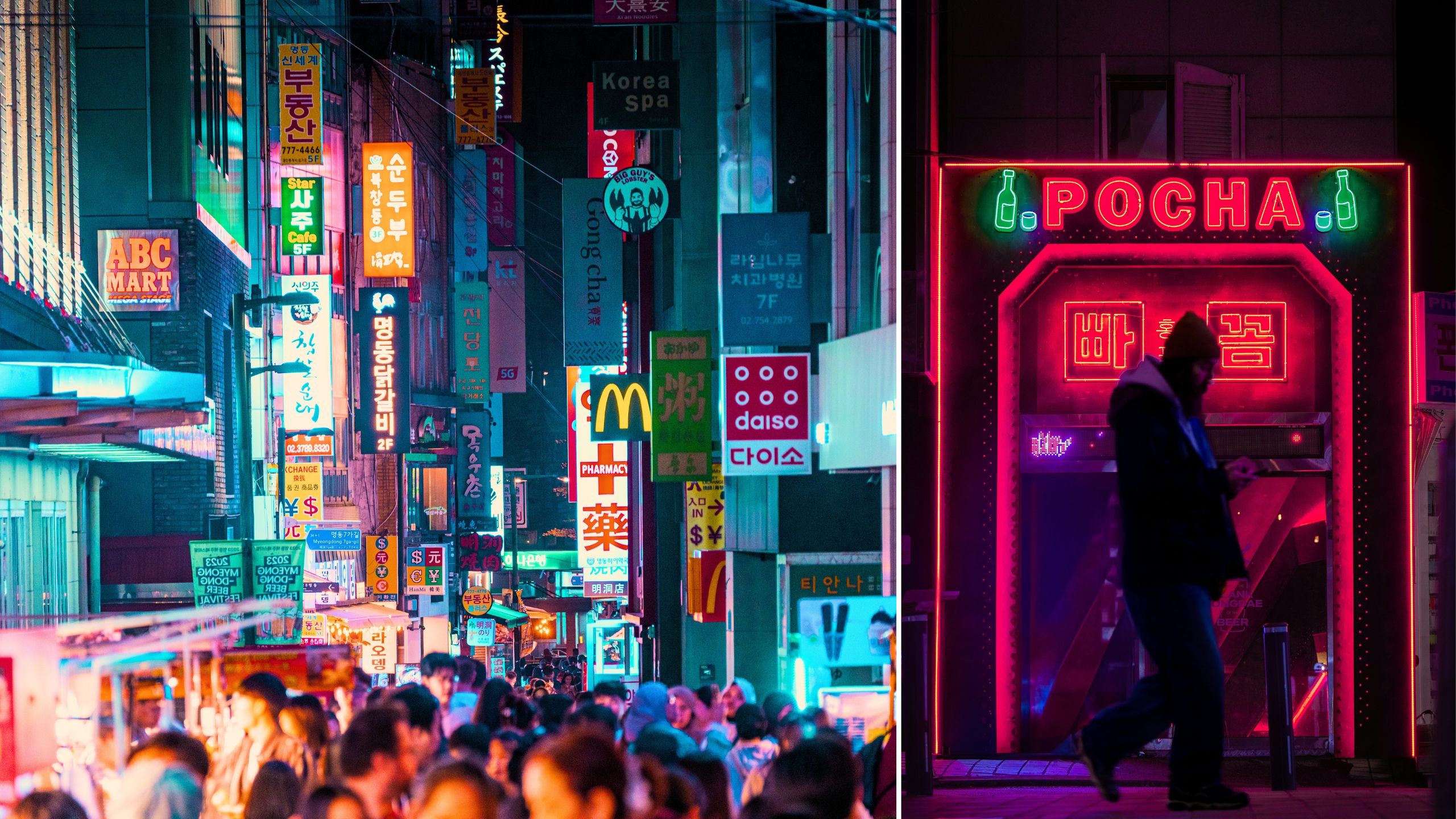
For decades, the narrative of queer life in Seoul has been split between two distinct poles. On one side, you have Itaewon, a district born from international military presence and high-octane nightlife. It is the Seoul most tourists see—a place of neon lights, drag shows, and pulsing pop music. However, if you are looking for the soul of the city, or perhaps a more meaningful connection, you need to head north to the historic center.
A comprehensive Seoul gay neighborhood comparison reveals that while Itaewon is where the city parties, Jongno is where the city lives. This area, anchored by the legendary Tapgol Park enclave, represents the eundoon (secluded) culture of South Korea. It is a world where the primary mode of social interaction is not a dance floor, but a small table shared over a bottle of soju.
This architectural and social contrast is partly driven by the changing demographics of the city. As of 2024, single-person households have become the most common household type in Seoul, totaling nearly 1.66 million and accounting for approximately 40 percent of the city's total households. This shift toward solo living has reinforced the need for community-centric spaces where people can find companionship away from the heteronormative gaze of the traditional family structure.
| Feature | Itaewon | Jongno 3-ga |
|---|---|---|
| Primary Vibe | International & High-Energy | Traditional & Intimate |
| Ideal For | Dancing and clubbing | Conversation and dating |
| Language | English-friendly | Primarily Korean |
| Age Range | Early 20s to 30s | Wide range (20s to 50s+) |
| Music | Top 40, EDM, K-Pop | Ballads, 90s K-pop, Quiet jazz |
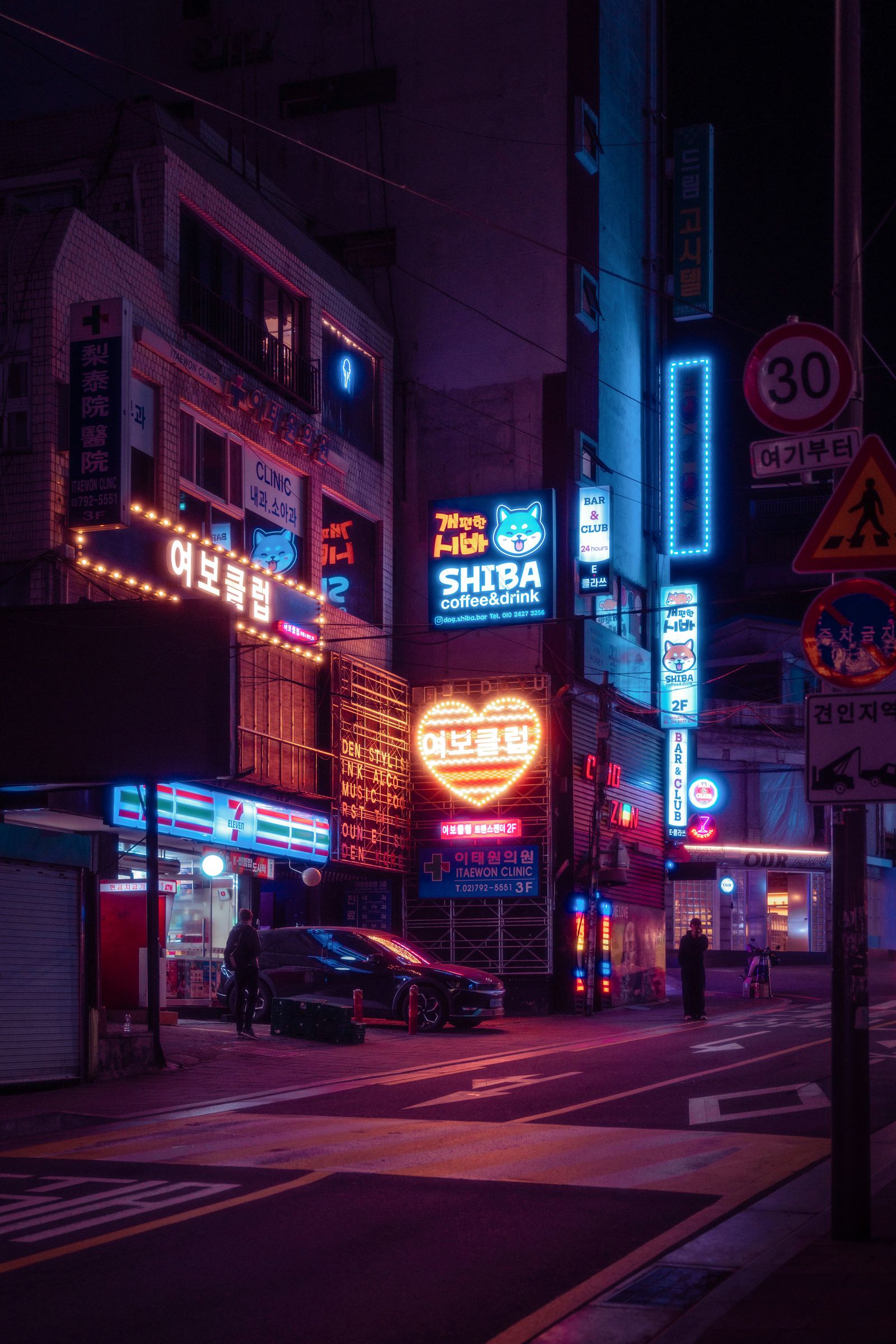
When considering the itaewon vs jongno gay scene for dating, the difference is one of pace. Itaewon is transactional and fast; Jongno is observational and slow. In Jongno, the traditional pocha tents invite long-form storytelling, making it the preferred choice for locals who want to actually hear what their date is saying.
Hidden in Plain Sight: Navigating the Jongno 3-ga Gay Scene
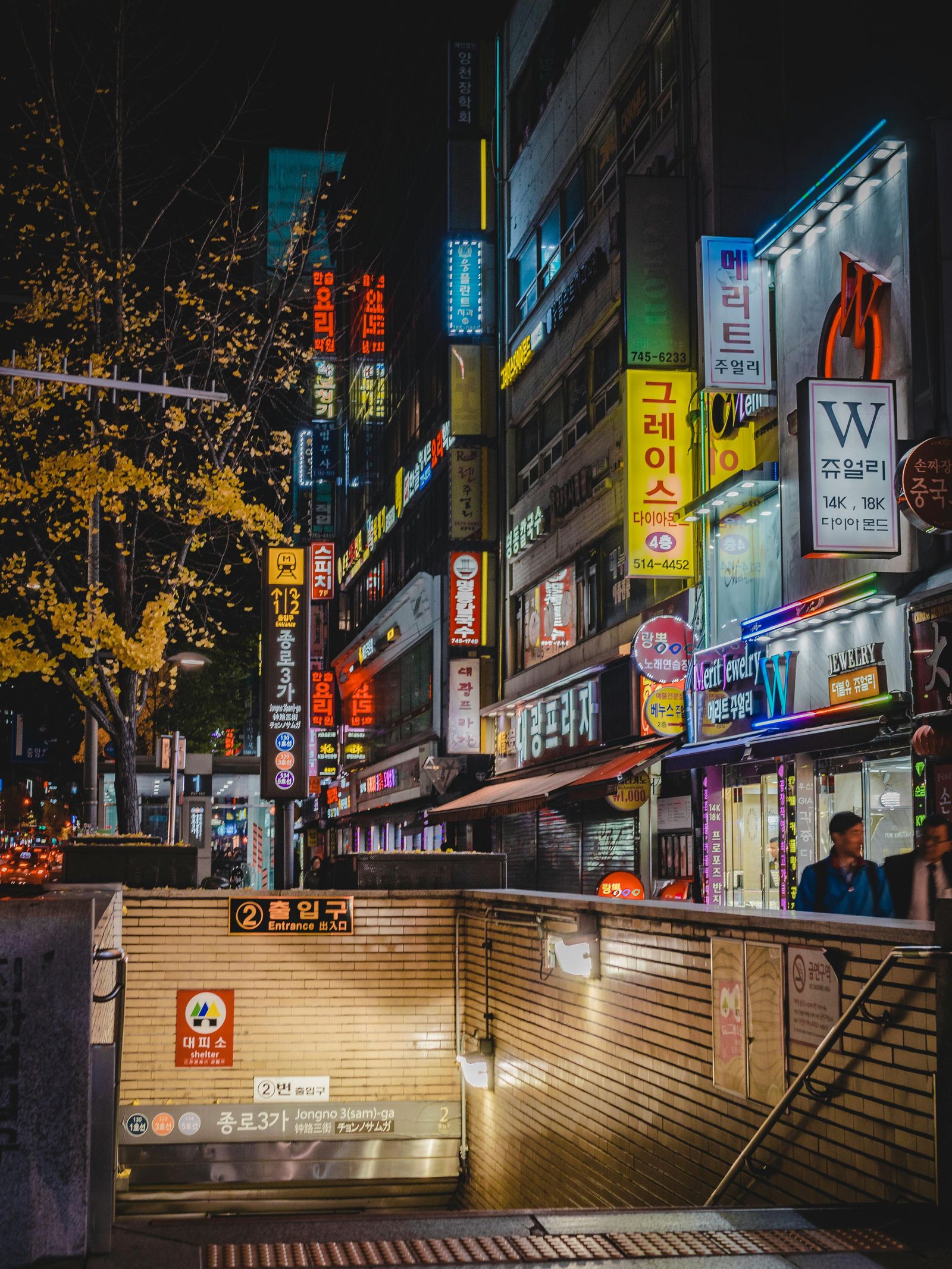
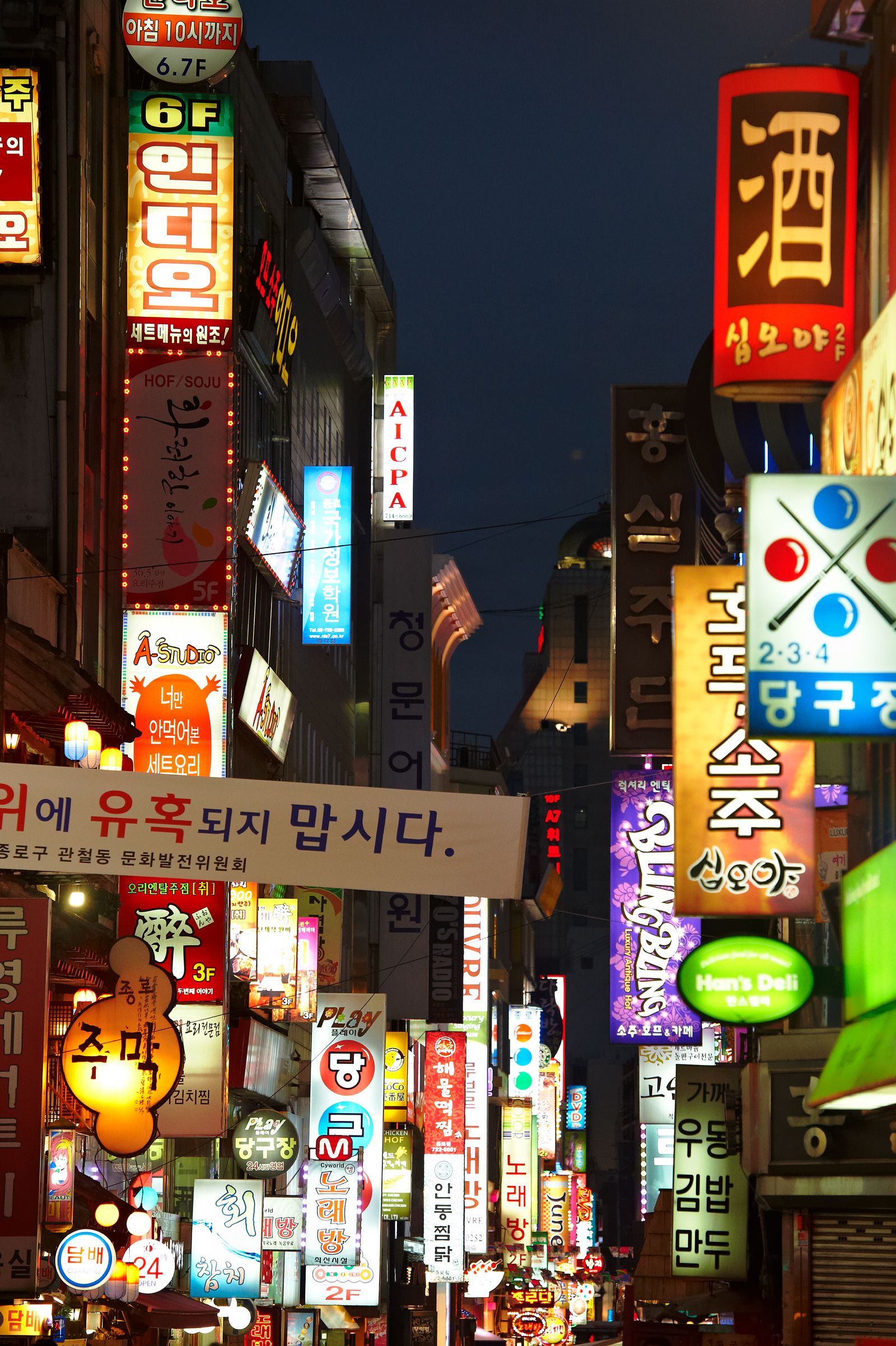
Stepping out of Jongno 3-ga Station is like entering a time machine. The soaring glass skyscrapers of Gangnam feel a world away, replaced by the low-slung rooftops of the Ikseondong Hanok Village. Understanding the Jongno 3-ga gay scene requires a keen eye for detail and an appreciation for the discreet urban signage that defines the neighborhood.
Unlike the rainbow-clad entrances of Western gayborhoods, the venues here are deliberately tucked away. This is not out of shame, but as a protective measure to ensure the comfort of their patrons. To find the best spots, you should follow these steps:
- Locate the area between Jongno 3-ga Station Exits 3, 5, and 6. This is the geographic heart of the district.
- Walk along Donhwamunro 11-gil, the main artery where traditional architecture meets modern nightlife.
- Look up. Many of the most respected Jongno gay bars are located on the second or third floors of nondescript merchant buildings.
- Watch for small, rectangular signs. Instead of "GAY BAR" in flashing lights, look for poetic names of one or two syllables, often in Korean or simple English.
- Identify subtle rainbow flags or stickers, though these are often small and placed near eye level by the door rather than on the street.
The eundoon culture is most visible here. It represents a history where the queer community had to thrive in the shadows of "Old Seoul" history. Today, even as the city becomes more progressive, the preference for these secluded, intimate pub scene environments remains. For solo travelers, the best gay bars in jongno for solo travelers are often those where the bar counter is the focal point, allowing for easy conversation with the bartender and other regulars.
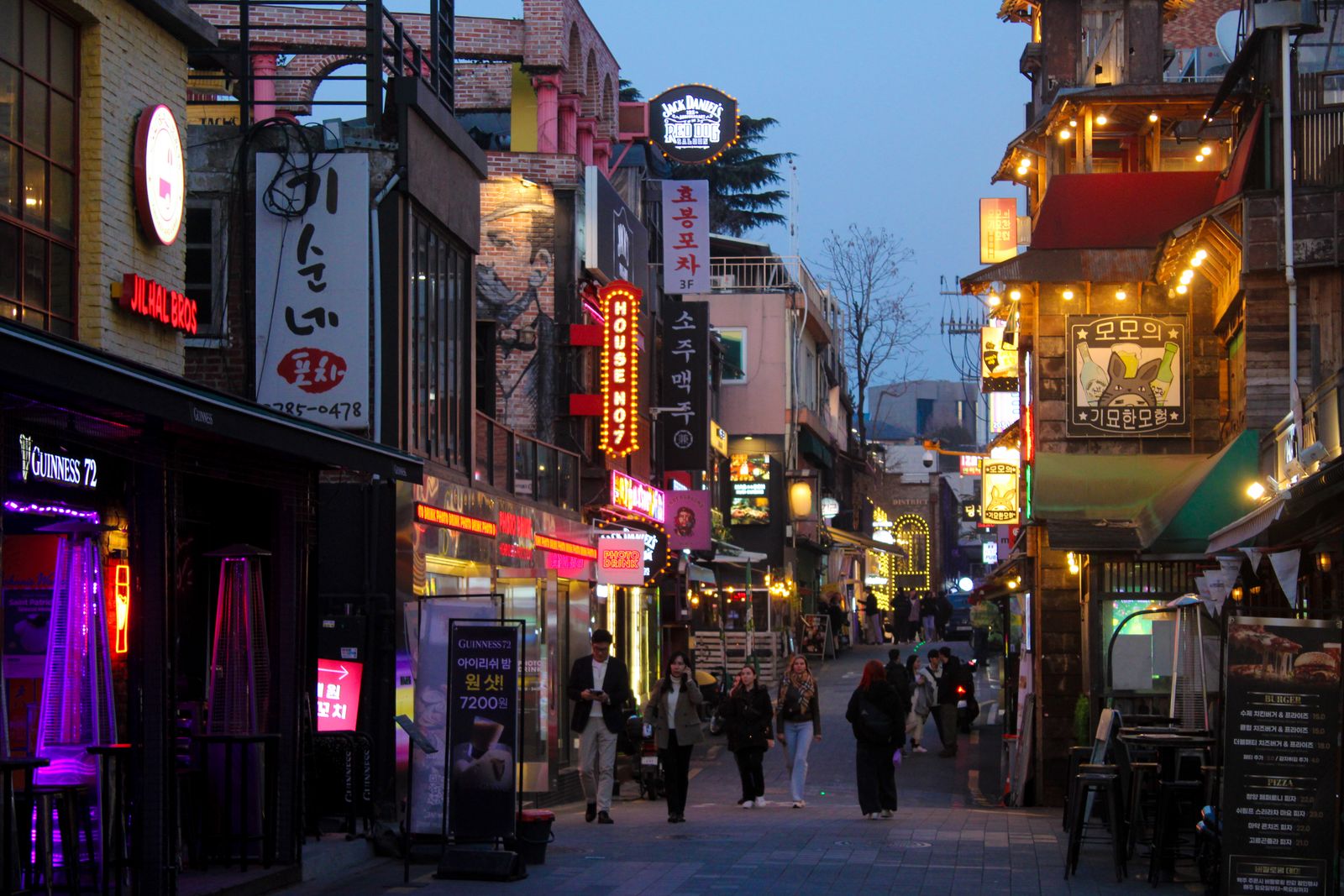
If you are wondering how to find hidden gay bars in jongno, start at the famous Bar Friends. Established in 2004, it acts as a gateway for many. It is welcoming, easy to find, and serves as an excellent home base before you venture further into the maze of alleys near Tapgol Park.
The Art of the Pocha: Drinking and Dating Like a Local
If the second-floor bars are the lungs of Jongno, the street tents are its heart. Any Jongno Pocha Street guide must begin with the word pojangmacha—literally "covered wagon." These orange or yellow plastic tents provide a sense of warmth and privacy that you simply won't find in a sterile club.
The social dynamics here are fascinating. Around 1 AM, the energy shifts. The salarymen head home to the suburbs, and the tables fill with gay men arriving from other parts of the city. The Jongno Pocha Street guide experience is centered on sharing. You don't just order a drink; you order soju and street food—typically spicy rice cakes, grilled chicken skewers, or seafood pancakes—meant to be picked at by the whole table.
For those interested in jongno 3-ga gay bars for meeting locals, the pocha is the ultimate icebreaker. It is common for nearby tables to exchange nods or even share a bottle of soju. It is a community-centric spaces culture where the "ajummas" (older women) who run the tents often act as the neighborhood anchors, knowing their regulars' names and dating histories.
Dating in this environment is about the subtle art of the "eye contact marathon." Because public displays of affection are still relatively rare in Korean society, the tension is built through conversation and shared meals. If you are a visitor, using a Jongno pocha street guide for gay travelers enables you to participate in a ritual that has remained largely unchanged for decades, offering a window into the local dating culture.
Logistics and Etiquette: The Jongno Survival Guide
To truly enjoy Jongno gay bars, one must understand the unwritten rules of the neighborhood. This is a residential and historical area, and the queer scene exists in a delicate balance with its surroundings.
The Jongno Survival Sidebar
- Cash is Essential: While larger bars take cards, many small pochas and older pubs are cash-only or require local bank transfers.
- The Bathroom Situation: Public facilities in the alleys are rare. Many bars share a single toilet on the landing of the stairwell. Always carry a small pack of tissues with you.
- Noise Levels: When walking between bars, keep your voice down. Many elderly residents live in the traditional houses nearby.
- Inclusion vs. Exclusivity: Some bars are "membership only" or focused strictly on regulars. If a place seems quiet or insular, respect that space and move to a more inclusive venue like Bar Friends.
Gay etiquette for jongno 3-ga bars emphasizes cultural discretion. Bringing a large group of non-queer friends to a small Jongno bar is often seen as a breach of the "safe space" atmosphere. This is a sanctuary for many who may not be out in their professional lives. By maintaining a low profile and observing local social cues, you help preserve the very atmosphere that makes Jongno special.
When it comes to public displays of affection, it is best to follow the lead of the locals. While the streets near Ikseondong are safer than most, Seoul remains a heteronormative society. Most couples save their intimacy for the privacy of the bars or the darker corners of the pocha alleys.
FAQ
How does the Jongno gay scene compare to Itaewon?
Itaewon is a cosmopolitan district with high-volume clubs, English-speaking staff, and a heavy international presence. Jongno is the traditional heart of the scene, characterized by second-story pubs and street tents where the focus is on conversation, Korean food, and local community. While Itaewon is for dancing, Jongno is for dating.
Which Jongno gay bars are foreigner-friendly?
Bar Friends is the most famous and welcoming entry point for foreigners, having operated since 2004. Other venues near the main strip of Donhwamunro 11-gil are generally welcoming if you approach with respect, though they may have limited English menus.
Do I need to speak Korean to visit bars in Jongno?
While not strictly necessary, knowing basic Korean phrases for ordering food and drinks will significantly enhance your experience. Many bartenders in Jongno are used to a local clientele, so having a translation app ready is a good idea for more complex interactions.
What kind of atmosphere can I expect at a Jongno pocha?
Expect a cozy, sometimes cramped, but very warm atmosphere. You will sit on plastic stools under a tent, surrounded by the smell of grilled food and the sound of clinking soju glasses. The peak hours are after midnight, and the vibe is social and relaxed rather than high-energy.
What are the best gay bars in the Jongno district?
In addition to Bar Friends, popular spots include Shortbus, 10-Percent, and various themed bars tucked away in the Ikseondong alleys. The best way to find them is to look for the discreet urban signage on the second floors of buildings near the Jongno 3-ga station exits.