Quick Facts
- Global Rank: Voted the #1 city in the world to raise a family in a 2026 global index.
- Cost Efficiency: Living expenses and housing are roughly 20% to 30% more affordable than in Sydney.
- Green Living: Highest density of green spaces per capita globally, with 84.89 parks and playgrounds per 100,000 residents.
- Climate: Subtropical climate offering 283 days of sunshine each year.
- Safety: Exceptionally high safety ratings supported by child-centric urban planning.
- Future Growth: Massive infrastructure investment linked to the Brisbane 2032 Olympics.
Brisbane for families is considered the premier choice due to its high density of green spaces, child-oriented cultural values like mateship, and significantly lower cost of living compared to other Australian capitals. This city promotes a balanced outdoor lifestyle characterized by unstructured play and a slower pace of life than other major global hubs.
The Brisbane Vibe: A Bluey-Inspired Family Lifestyle
There is a certain magic to the way children grow up in Queensland. If you have ever watched an episode of Bluey, you have seen the quintessential Brisbane outdoor family lifestyle in action: the wide verandas of a timber home, the towering poinciana trees, and a culture that values a game of backyard cricket over a frantic corporate commute. As a parent, what I find most refreshing about this city is the shift from hustle culture to a family-first society.
In Brisbane, the concept of mateship extends into the community. You will find that neighbors actually know each other, and weekends are spent in one of the city's 2,000+ public parks. This city was recently ranked as the best city in the world to raise a family in a 2026 global index, outperforming traditional heavyweights like London and New York. Much of this success is built on the sheer volume of space available for children to be children.
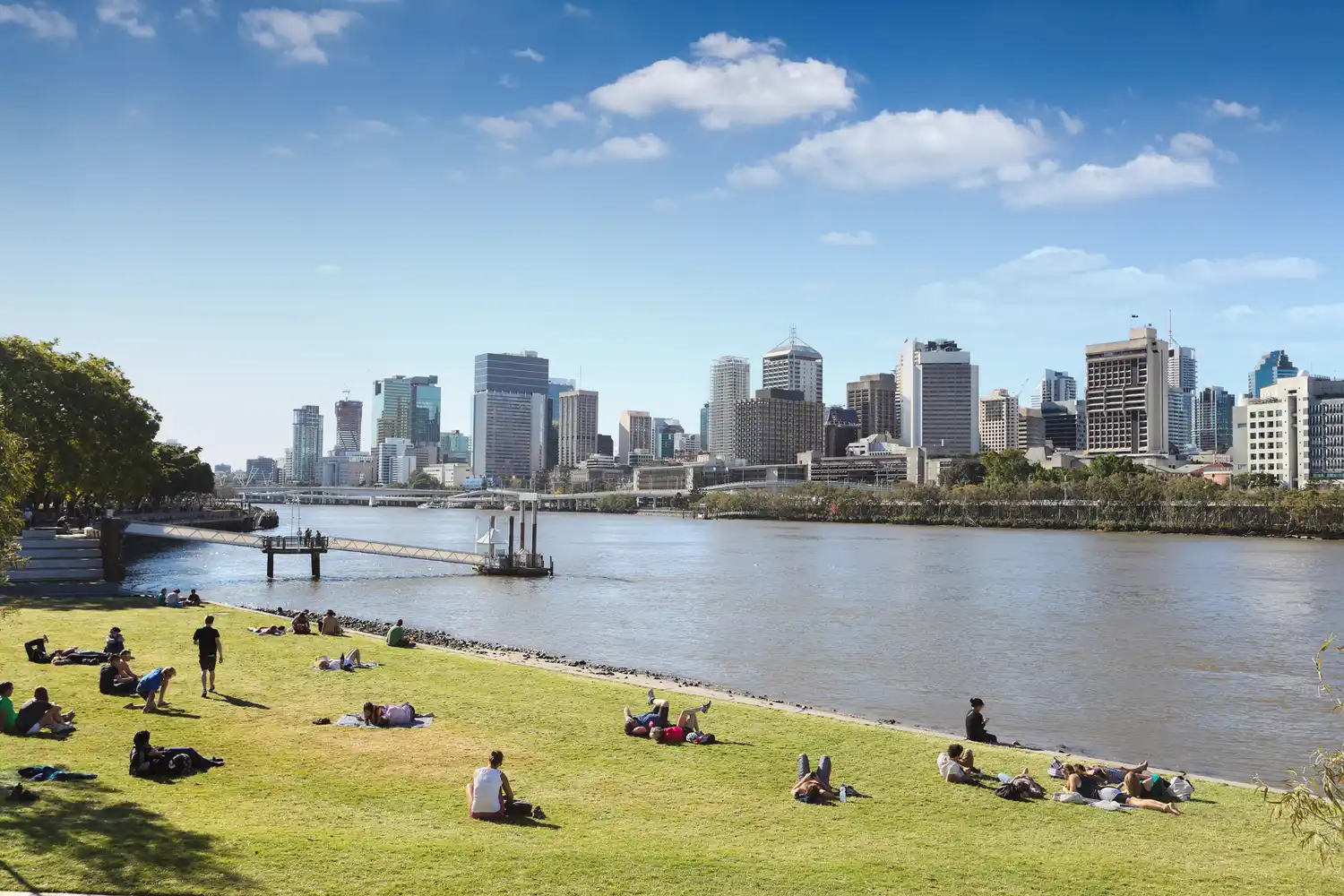
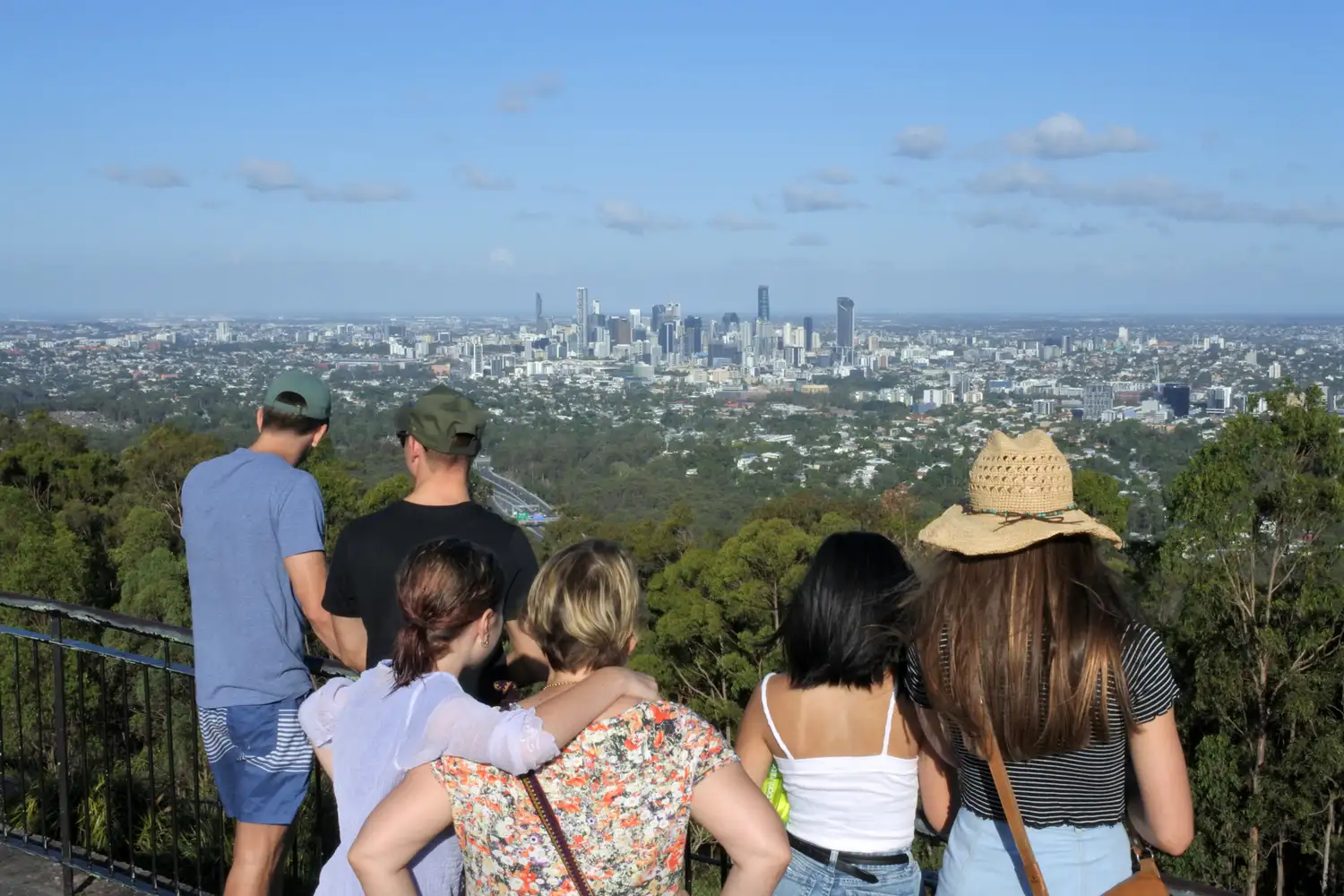
The subtropical climate encourages year-round outdoor play-based early education. With 84.89 parks and playgrounds per 100,000 residents, Brisbane provides the highest density of green spaces per capita among the world's most family-friendly cities. Living here means your children can spend their afternoons at the South Bank Lagoon or exploring the rainforest walks of Mt Coot-tha, all within a short drive from the CBD. It is about reclaiming time and prioritizing work-life balance in a way that feels sustainable for the long haul.
The Financial Reality Check: 2026 Cost Comparison
For many expats, the decision to move centers on the wallet. When comparing Brisbane vs Sydney for expat family lifestyle, the numbers tell a very clear story of affordability and better value for money. While Sydney may have the famous Opera House, Brisbane offers a quality of life that allows your paycheck to go much further.
The average monthly cost of living for a family of four in Brisbane is approximately AUD 4,827, excluding rent. This is more than 20% lower than the estimated monthly cost of AUD 6,176 for the same family size in Sydney. When you factor in the regional differences in the rental market trends, the savings become even more significant.
For those planning the cost of moving to Brisbane with family of four 2026, we recommend a first-year budget of approximately £88,000 (roughly AUD 160,000). This should cover international shipping, initial temporary accommodation, a deposit on a rental home, a reliable family vehicle, and the first few months of living expenses.
| Expense Category | Brisbane (Estimated Monthly) | Sydney (Estimated Monthly) |
|---|---|---|
| Basic Cost of Living (Family of 4) | AUD 4,827 | AUD 6,176 |
| 3-Bedroom Rental (Suburbs) | AUD 3,200 - 4,500 | AUD 4,800 - 7,000 |
| Schooling (Public - Voluntary Contribution) | Low | Low |
| Dining & Leisure | Moderate | High |
| Total Estimated Spend | ~AUD 8,500 | ~AUD 12,000 |
By choosing South East Queensland, you are not just saving money; you are buying back the stress-free evenings and weekend trips to the coast that are often out of reach in more expensive global capitals.
Neighborhood Scouting: Top Suburbs for Expats
Choosing where to plant your roots is the most important step in raising children in Brisbane. The city is famous for its Queenslander architecture—charming wooden homes on stilts that allow the breeze to flow through during the humid summer months.
Leafy Education Hubs: Kenmore vs Indooroopilly
If schools are your top priority, you will likely find yourself choosing between living in Kenmore vs Indooroopilly for expat families. Indooroopilly is more connected, featuring a major shopping center and a massive train hub. It is home to some of the most prestigious school catchment zones in the city. Kenmore, just a few minutes further out, offers a more "village" feel with larger blocks of land and more trees, making it one of the best Brisbane suburbs for expat families with school age kids who want a quiet, safe environment.
Character and Community: Paddington and New Farm
For those who want to be closer to the action, Paddington is a dream. It is hilly, filled with boutique cafes, and offers a strong sense of community. The primary schools here are excellent, though the streets can be narrow. New Farm is the choice for professional families who want to walk to the office or take the CityCat ferry. With New Farm Park as your "front yard," it is hard to beat for lifestyle, though property prices here are among the city's highest.
Proximity to the Water: Manly and Victoria Point
If you have always dreamed of a coastal lifestyle, look toward the bayside. Manly offers a beautiful marina, cooling sea breezes, and plenty of space for kids to ride bikes along the esplanade. It remains within the city limits, allowing for a manageable commute while providing a weekend atmosphere every single day.
Navigating the Logistics: Schools, Visas, and Healthcare
Moving across the world requires a high degree of organization. For most corporate expats, the journey begins with an employer sponsored visa 482 vs 186 for family relocation. The 482 visa is a temporary skill shortage visa that allows you to live and work for up to four years, while the 186 is a permanent residency pathway. Most families prefer the 186 for the long-term security it provides, particularly regarding healthcare and education costs.
Brisbane Primary School Enrollment Guide for International Expats
Securing a spot in a top-tier school is often tied to your home address. To help you navigate the process, keep this checklist in mind:
- Identify your "Home Zone": Use the Queensland government's school catchment maps to ensure your rental property falls within your preferred school's boundary.
- Documentation: You will need your visa details, proof of address (utility bills or a lease agreement), and your child’s immunization records.
- Budgeting for private vs public schools in Brisbane: Public schools are essentially free for residents and certain visa holders, though a "voluntary" contribution of AUD 500-1,000 per year is common. Private schools—both Catholic and Independent—can range from AUD 8,000 to over AUD 30,000 per year.
Healthcare and Other Essentials
One of the major perks of moving to Brisbane with family is the healthcare system. Medicare access for expats depends on your country of origin and your visa type. Residents from the UK, for example, often benefit from reciprocal healthcare agreements, but taking out private health insurance is highly recommended and often a visa requirement to avoid the Medicare Levy Surcharge.
Another local tip is the River Crossing Rule. Brisbane is divided by a winding river, and there are limited bridges. When picking your home and your office, try to stay on the same side of the river to avoid getting stuck in "bridge traffic" during the afternoon school run.
Future Outlook: The 2032 Olympic Dividend
When we look at the long-term prospects for families, the Brisbane 2032 Olympics stand out as a game-changer. This isn't just about two weeks of sports; it is about the decades of infrastructure investment that precede it. We are seeing a massive expansion of the "Metro" bus system, new green bridges, and the redevelopment of precincts like Victoria Park into a massive urban wilderness.
For families, this means better public transport, newer recreation facilities, and a booming job market in sectors like health, education, and construction. South East Queensland is no longer the "big country town" it was once labeled; it is a sophisticated, forward-thinking metropolis that hasn't lost its soul.
FAQ
Is Brisbane a good place for families?
Yes, it is currently ranked as one of the top cities globally for families due to its high safety ratings, lower cost of living compared to Sydney, and an abundance of parks and playgrounds that facilitate an active, outdoor lifestyle.
What are the best family-friendly suburbs in Brisbane?
Popular choices include Kenmore and Indooroopilly for their school zones, Paddington for community character, and Manly for its bayside location. Each offers a different balance of lifestyle, commute time, and housing style.
Is Brisbane or Gold Coast better for families?
Brisbane is generally better for stable employment and a wider range of educational opportunities, whereas the Gold Coast is ideal for those who prioritize immediate beach access and a more tourist-centric lifestyle. Many families live in Brisbane and visit the Gold Coast for weekend getaways.
What are the best things to do in Brisbane for families?
Top activities include swimming at the South Bank Streets Beach, visiting the Lone Pine Koala Sanctuary, exploring the Queensland Museum and Sciencecentre, and hiking the trails at Mt Coot-tha.
Are there free family activities in Brisbane?
Absolutely. Brisbane is famous for its free activities, including the CityHopper ferry (which is free for certain loops), the extensive network of public parks and splash pads, and the free events hosted at the State Library of Queensland.
Ready to Make the Move?
Deciding to move your life to the other side of the world is never easy, but if you are looking for a place where your children can run barefoot in the grass, attend world-class schools, and grow up in a safe, sunshine-filled environment, Brisbane is the answer. As we look toward the next decade of growth leading up to the Olympics, there has never been a better time to embrace the Queensland way of life. Brisbane for families isn't just a relocation; it is a lifestyle upgrade that your future self—and your kids—will thank you for.