Quick Facts
- No. 1 Global City: Tokyo (159 Identified Parks)
- Resident Satellite Score: Bath, UK (94%)
- Carbon Goal: Copenhagen (Net Zero by 2025)
- Top Nature Site: Shinjuku Gyoen (Tokyo)
- Policy Model: Tokyo's 2010 Green Plan (1,000 sqm mandate)
Tokyo has officially claimed the title of the greenest city in the world for 2025, boasting double the park numbers of London. From Shinjuku Gyoen to the lush Shiba Park, this 2026 travel guide explores how top-tier metropolitan biodiversity and urban canopy density are redefining nature-focused vacations.
Tokyo is currently recognized as a global leader for urban green spaces, boasting 159 parks and nature attractions including Shinjuku Gyoen and Shiba Park. Global rankings highlight the city's balance of high-density urbanism with tranquil, well-maintained gardens and accessible recreational public spaces.
Why Tokyo Leads: Exploring the Top Parks in 2025/2026
When we analyze the landscape of metropolitan infrastructure, Tokyo stands out not just for its efficiency, but for its profound commitment to ecological sustainability. For the 2025-2026 period, Tokyo was ranked as the world’s No. 1 city for green spaces in an analysis by Freepik. The study identified 159 parks and nature-related attractions within the city limits, a figure that drastically reshapes our perception of the Japanese capital.
To put this into a global perspective, Tokyo possesses more than double the number of parks and nature-related attractions found in London, which secured the second spot with 78 spaces. This isn't merely a matter of quantity; it is a matter of active public engagement. Tokyo currently ranks 11th globally for the most visited green space attractions, with its parks and nature sites receiving nearly 359,000 reviews on digital platforms.
For the modern traveler, the best parks in Tokyo for visitors offer more than just a bench and some grass. Shinjuku Gyoen, for instance, is a masterclass in landscape architecture, blending traditional Japanese, English Landscape, and French Formal garden styles. Meanwhile, Shiba Park offers a unique visual contrast where metropolitan biodiversity meets the iconic Tokyo Tower. Across the metro area, the city has achieved approximately 52% vegetation coverage, proving that nature-focused urban vacation planning can indeed center around one of the most densely populated cities on Earth.
Exploring these spaces requires a shift in mindset. Visiting Tokyo’s Shinjuku Gyoen and Shiba Park tips often include arriving early to avoid the mid-day crowds and utilizing the extensive network of public transit that drops you directly at the gates of these green corridors. As we look toward the best parks in Tokyo for visitors 2026 travel guide, the integration of digital mapping and real-time crowd data is making these expansive parks more accessible than ever.
The Blueprint of Success: Tokyo’s 2010 Green Plan & Vertical Strategy
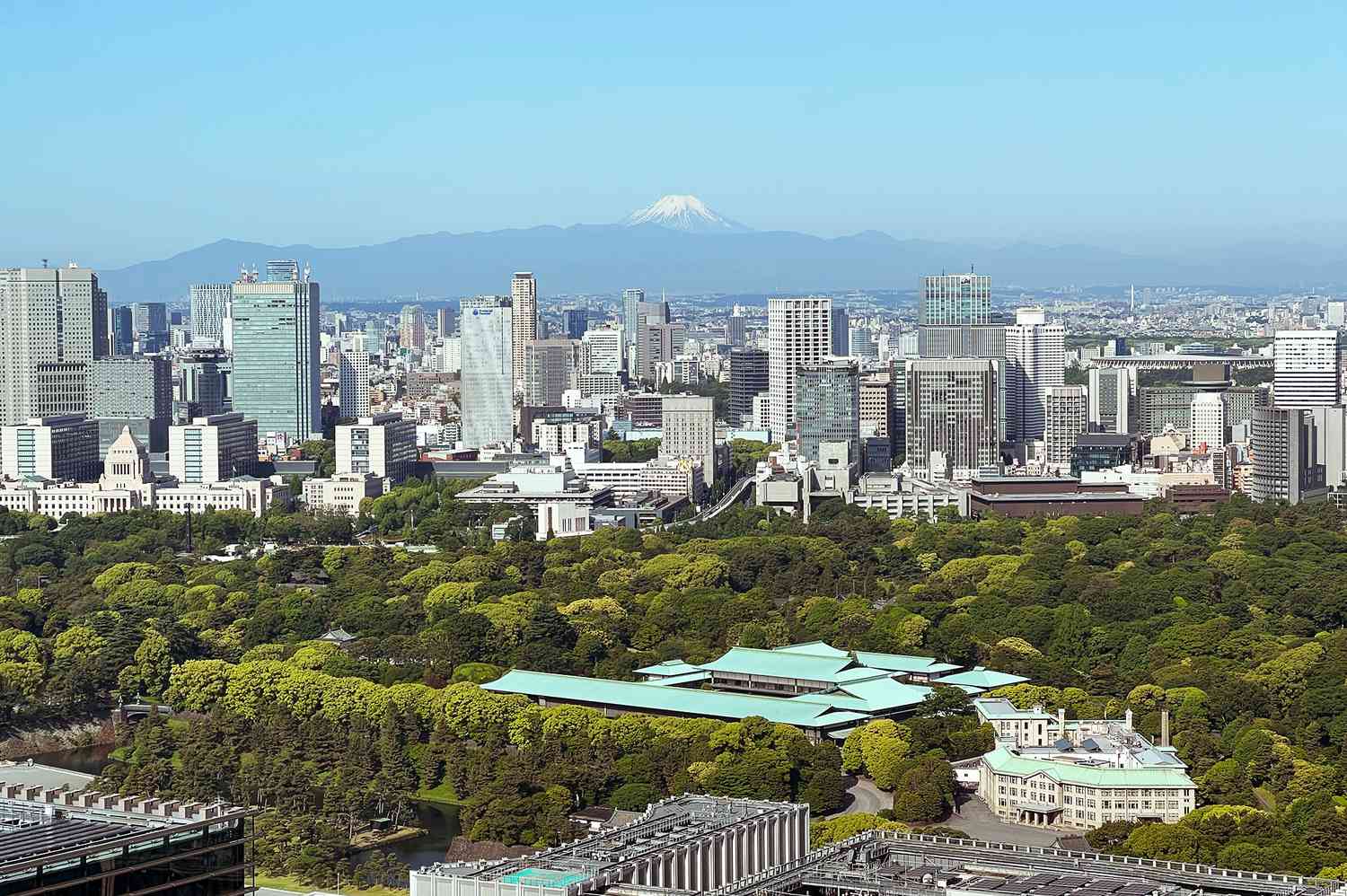
Tokyo’s ascent to the top tier of greenest cities in the world was not an accident of geography; it was a result of aggressive legislative mandates. The transition from the smog-filled 1970s, where visibility of Mt. Fuji was a rare event, to today’s clear horizons is a testament to the Tokyo 2010 Green Plan. A central pillar of this strategy is the 1,000 sqm threshold. This policy mandates that any new building development on a plot larger than 1,000 square meters must dedicate a specific percentage of the space to greenery.
This sustainable urban infrastructure has led to a rise in Green Curtains and Green Roofs. These aren't just aesthetic choices; they are functional tools for urban heat island mitigation. By covering building facades with climbing plants and rooftops with gardens, the city effectively lowers ambient temperatures and reduces the energy required for cooling. This approach helps the city maintain a high greenspace accessibility index, ensuring that even in the heart of the Ginza or Shibuya districts, a resident is rarely more than a few blocks from a natural respite.
Furthermore, Tokyo’s climate resilience planning utilizes these green spaces for disaster management. Large parks are designed to serve as evacuation areas, combining metropolitan biodiversity with critical public safety functions. This multi-layered utility of land is what characterizes the world's greenest cities for sustainable vacation planning today.
Global Leadership: Europe and Asia’s Richest Green Hops
While Tokyo holds the numerical lead, other cities offer compelling models for nature-focused urban trips. When comparing Tokyo and Singapore for nature-focused urban trips, we see two different philosophies. Singapore, often called the "City in a Garden," is pushing for its 2030 Green Plan, which aims for every resident to live within a 10-minute walk of a park. Singapore excels in blue and green corridors, seamlessly integrating water management with lush tropical flora.
In Europe, the focus shifts toward historical preservation and resident satisfaction. Bath, UK, frequently tops charts for resident-reported happiness regarding nature access, with 94% of locals praising the city's lush parklands. Similarly, Maribor, Slovenia, remains a hidden gem for those seeking cities with the most parks and gardens in a smaller, more walkable scale.
Below is a comparison of the top-performing green cities for 2025:
| City | Park Count (Identified) | Resident Satisfaction | Primary Strategy |
|---|---|---|---|
| Tokyo, Japan | 159 | High (Digital Sentiment) | 2010 Green Plan Mandates |
| London, UK | 78 | Moderate | Royal Park Preservation |
| Bath, UK | 42 | 94% | Historical Landscape Protection |
| Copenhagen, Denmark | 35 | High | Net Zero 2025 Goal |
| Singapore | 65+ | High | Garden City/10-Minute Walk |
Copenhagen serves as a global model for ecological sustainability, aiming to become the first carbon-neutral capital by 2025/2026. Their focus isn't just on the number of parks, but on creating a seamless, bike-friendly infrastructure that reduces the need for carbon-emitting transport. This integration of transport and nature is a key factor in determining which European cities are the most eco-friendly.
Planning Your Nature-Focused Urban Vacation
Choosing a destination among the greenest cities in the world requires looking beyond simple park counts. For travelers interested in family-friendly nature activities in the world's greenest cities, timing and variety are essential.
If you are planning a nature-focused urban vacation planning trip to Tokyo, consider the seasonal shift. While the cherry blossoms of late March are world-famous, the autumn maple season provides a more meditative experience in parks like Rikugien. For those visiting North America, the Wild Mile in Chicago offers a unique floating eco-park experience that brings metropolitan biodiversity back to the urban riverfront.
When selecting accommodations, use the greenspace accessibility index as a guide. Booking hotels near Shiba Park or the Imperial Palace East Garden allows travelers to integrate morning nature walks into their itinerary without leaving the city center. Additionally, cities like Amsterdam provide an excellent model for city cycling, where green belts are best explored on two wheels.
Ultimately, the rise of Tokyo as a global leader in urban greenery proves that density and nature are not mutually exclusive. As urban canopy density becomes a priority for metropolitan areas worldwide, the travelers of 2025 and 2026 stand to benefit from more breathable, livable, and beautiful urban environments.
FAQ
Which city is ranked as the greenest in the world?
Tokyo currently holds the top ranking as the greenest city in the world for 2025, specifically in terms of the number of identified parks and nature attractions, totaling 159 spaces within the metropolitan area.
What factors are used to determine if a city is green?
Metrics typically include the total number of parks, urban canopy density, percentage of vegetation coverage, air quality indices, and the presence of sustainable urban infrastructure such as green roofs and carbon neutrality goals.
Which European cities are the most eco-friendly?
Bath in the UK and Maribor in Slovenia are frequently cited for their high resident satisfaction and nature-rich infrastructure, while Copenhagen is recognized as a leader for its goal to achieve carbon neutrality by 2025.
How do green cities benefit their residents?
Green cities improve air quality, mitigate the urban heat island effect, provide essential spaces for mental and physical recreation, and enhance climate resilience through better stormwater management and disaster evacuation zones.
Which city has the most parks and green spaces?
In the most recent 2025 data, Tokyo leads with 159 parks and nature-related sites, significantly outpacing other major global hubs like London and Singapore in terms of identified green attractions.