There is a particular kind of alchemy that happens in the middle of the Pacific, where the trade winds carry the scent of salt spray and the faint, sweet perfume of kiawe wood smoke. For those of us who have spent years chasing the perfect bite across the globe, Hawaii has always felt like a secret whispered among connoisseurs—a place where the heritage of the land meets a restless, modern culinary spirit. In 2026, the secret is officially out. Hawaii has claimed the crown as the premier destination for flavor in the United States, proving that the heart of American gastronomy beats strongest on these volcanic shores.
Quick Facts
- 2026 Ranking: #1 Best Food Scene in America (Score: 100/100)
- Key Metric: 77.17% of establishments are independent restaurants
- Accessibility: 376:1 tourist-to-restaurant ratio
- Economic Power: 14% of state employment tied to the culinary industry
- Average Industry Salary: $81,200 for head cooks
- Cultural Legacy: Foundation of Hawaii Regional Cuisine (HRC) established over 20 years ago
- Event Dates: Waikiki SPAM JAM (April 18 – May 3, 2026), Honolulu Festival (March 13–15, 2026)
According to a 2026 study by Escoffier, the Hawaii food scene ranks #1 in the US based on high independent restaurant ownership and exceptional tourist-to-eatery density. This vibrant culinary culture blends local farm-to-table sustainability with global Pacific Rim fusion, offering a density of unique dining experiences that surpasses traditional hubs like New York or California.
The Data Behind the #1 Ranking: The 2026 Escoffier Study
To understand why the islands have surged to the top of the best food scenes in America, one must look at more than just the taste of a sun-ripened mango. The 2026 Escoffier study, which utilized extensive data from the USDA and the National Restaurant Association, found that Hawaii achieved a perfect 100/100 score. While cities like New York and Los Angeles boast sheer volume, Hawaii dominates in the metrics that truly matter to the discerning diner: density and soul.
The analysis indicates that Hawaii placed at or near the top in five out of seven evaluated categories, including economic impact and restaurant density. Perhaps the most striking figure is that Hawaii leads the nation in the tourist-to-restaurant ratio, which serves as a key metric for signaling a high demand for dining relative to the supply of restaurants. With only 376 visitors per establishment, the competition for quality is fierce, yet the accessibility for travelers remains unparalleled.
Furthermore, the 77.17% independent ownership rate is a testament to the state’s resistance to the homogenization of American dining. In the Hawaii food scene, the chef-owner is still the primary architect of the menu. This high percentage of Hawaii independent restaurants means that when you sit down for a meal, you are likely consuming a family’s heritage or a local chef’s personal interpretation of the land’s bounty, rather than a corporate-standardized recipe. This independence is bolstered by a robust economy where 14% of state employment is tied directly to the culinary field, ensuring that the next generation of talent is well-compensated and deeply invested in gastronomic tourism trends.
Luxury & Oceanfront: 2026 Honolulu Fine Dining
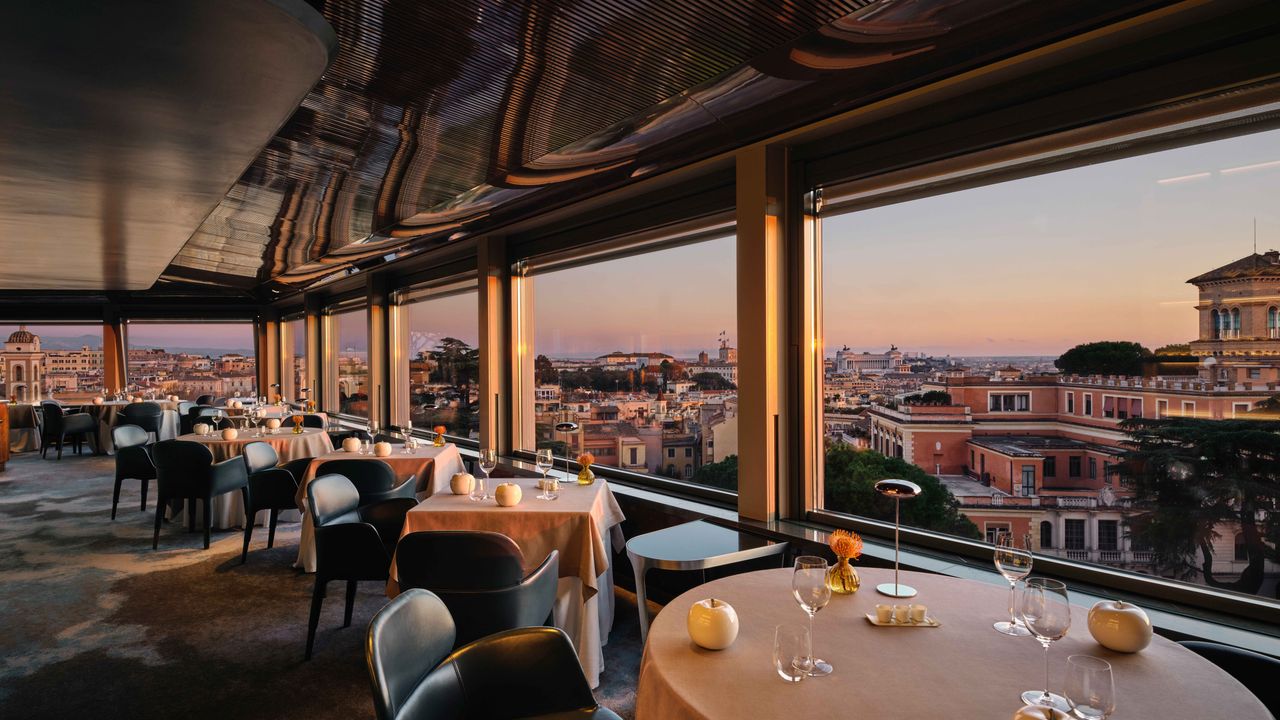
For those seeking the pinnacle of the Hawaii food scene, the journey often begins in Honolulu and Waikiki, where the tradition of Pacific Rim culinary fusion has evolved into something truly world-class. The landscape of Honolulu fine dining recommendations with ocean views is led by institutions that have mastered the art of "Ocean-to-Table" elegance.
At Michel’s at the Colony Surf, the experience is less like a dinner and more like a choreographed performance at the water's edge. Here, the sunset over the Pacific is more than a backdrop; it is an ingredient. The 2026 season has seen a refined focus on local ingredient sourcing, where Miyazaki beef imports are paired with vegetables pulled from the rich soil of the Ewa Plains. Similarly, 53 by the Sea offers a panoramic view of Diamond Head that rivals its meticulously plated multi-course menus.
Further into the heart of Waikiki, La Mer continues to hold its ground as a bastion of neoclassical French technique applied to Hawaiian ingredients. As a 2026 traveler, you will notice a growing trend toward Koa wood grilling, an ancient method that imparts a unique, slightly floral smoke to everything from deep-sea snapper to artisan-raised poultry. These establishments represent the crown jewels of Oahu culinary destinations, where the service is as warm as the tropical breeze and the wine lists are curated with global precision.
Authentic Local Staples: Beyond the Tourist Path
To truly understand how to experience the Hawaii food scene in 2026, one must venture beyond the white tablecloths of Waikiki. The soul of the islands is found in the "plate lunch" and the small, often cash-only, family-owned eateries that cater to those who know that the best flavors are often the most humble.
In the Kalihi neighborhood, Helena’s Hawaiian Food remains the gold standard for anyone seeking top-rated family-owned eateries in Honolulu. To eat here is to participate in a cultural ritual. The pipikaula (short ribs) are hung to dry in the trade winds, resulting in a smoke-kissed intensity that is unparalleled. When you order, remember the etiquette of the islands: poi, the fermented taro paste that is the staff of life for Native Hawaiian food traditions, is meant to be enjoyed as a cooling counterpoint to the salt-rich lomi-lomi salmon and the tender, smoky kalua pig.
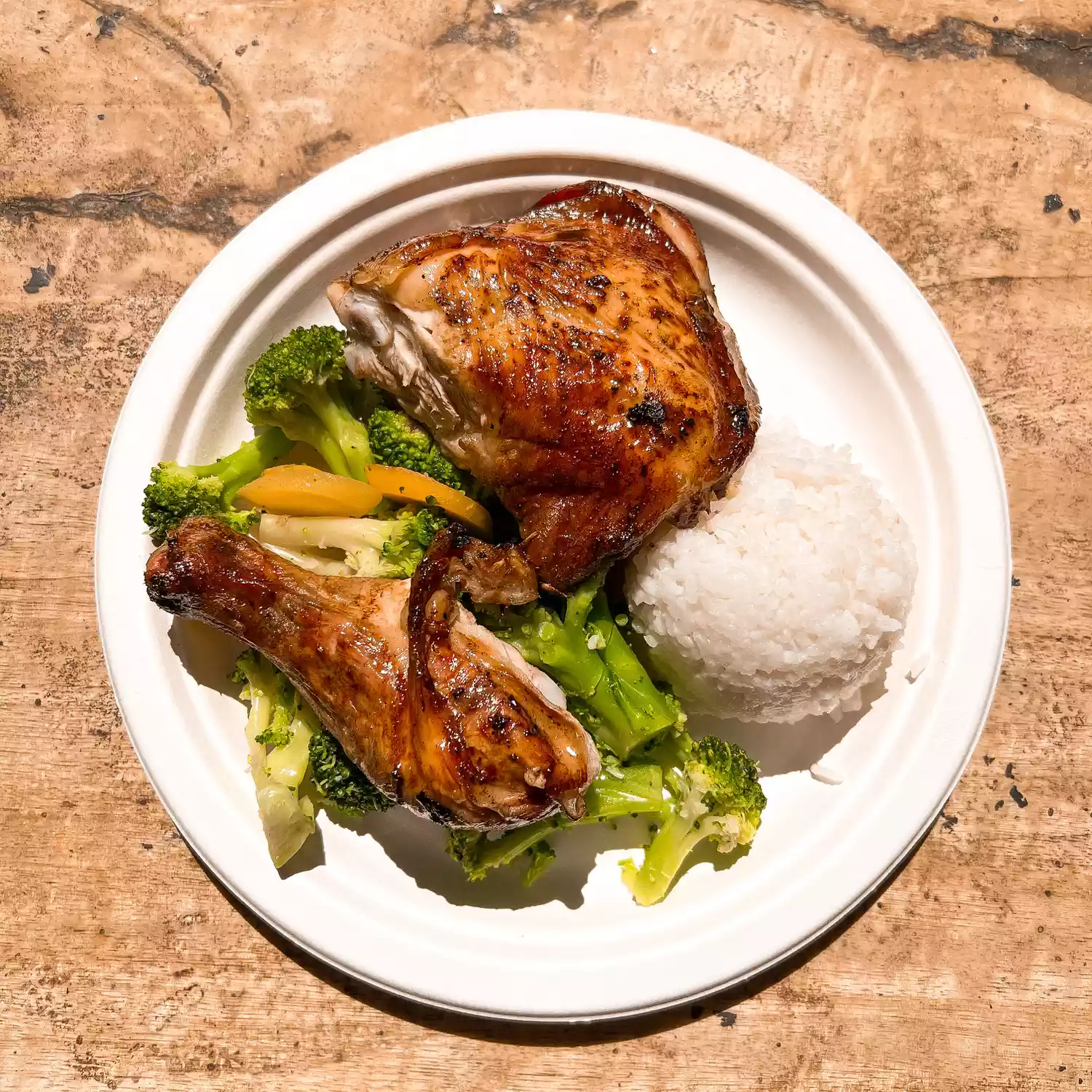
Further afield, the culinary map leads to the North Shore of Oahu and the rolling hills of Maui. On the road to Hana or the dusty stretches of Kahuku, the air changes. It becomes thick with the smell of huli huli chicken—spit-roasted over open flames and basted in a sweet-savory glaze of soy, ginger, and fruit juices.
The Maui food landscape is particularly rich in farm-to-table sustainability, where chefs work directly with Upcountry farms to source heirloom tomatoes and Kula onions that never see the inside of a shipping container. Whether it’s a shrimp truck on the North Shore or a roadside stand in Maui, these are the must-try local Hawaiian dishes in Honolulu and beyond that define the islands' identity.
Planning Your 2026 Visit: Culinary Festivals and Logistics
If you are planning your itinerary based on the Escoffier culinary study rankings best food states 2026, timing is everything. The Hawaii food scene is punctuated by several major festivals that allow you to sample the breadth of the islands' talent in a single location.
The Honolulu Festival, scheduled for March 13–15, 2026, is a magnificent bridge between the culinary traditions of Asia and the Pacific. However, for a truly local experience, the Waikiki SPAM JAM (April 18 – May 3, 2026) is an essential stop. While SPAM might seem like an oddity to the uninitiated, it is a quintessential part of the local palate, and seeing it transformed into high-end appetizers by the city's top chefs is a lesson in culinary creativity.
- Logistics Note: While the 2026 Hawaii food scene is increasingly digital, many of the best independent restaurants in Hawaii for foodies remain cash-only or use local payment apps. Always keep a small amount of cash for shrimp trucks and hole-in-the-wall bakeries.
- Reservations: For fine dining, the AAA 5 Diamond establishments now require booking at least 3-4 months in advance due to the surge in gastronomic tourism.
- Sustainability: Many restaurants now include a small "sustainability fee" or ask diners to participate in zero-waste initiatives. Embrace it; it’s part of the effort to preserve the very land that produces your meal.
FAQ
What is traditional Hawaiian food?
Traditional Hawaiian food refers to the indigenous dishes developed by the Native Hawaiian people before Western contact, predominantly using ingredients like taro (kalo), sweet potato, fish, and pork cooked in an underground oven called an imu. Key dishes include poi, laulau (meat wrapped in lu'au leaves), and lomi-lomi salmon.
What foods is Hawaii most famous for?
Hawaii is world-famous for its unique fusion of flavors, most notably Poke, Kalua Pig, Locomoco (a hamburger patty over rice, topped with gravy and an egg), and Malasadas (Portuguese-style doughnuts). Its association with SPAM and the refreshing Shave Ice also defines its culinary reputation.
What are the best food islands in Hawaii?
While Oahu is the epicenter of the Hawaii food scene with its high concentration of fine dining and historical eateries, Maui is renowned for its farm-to-table Upcountry produce. Kauai offers a more rustic, garden-to-plate experience, and the Big Island is the place to go for world-class Kona coffee and volcanic-soil-grown tropical fruits.
Why is the food in Hawaii so unique?
The uniqueness of the cuisine stems from the layers of history—the Native Hawaiian foundation, the arrival of plantation workers from China, Japan, Korea, the Philippines, and Portugal, and the modern influx of Pacific Rim culinary fusion. This creates a "melting pot" effect where different cultures share techniques and ingredients in a single bowl.
What is the difference between local food and traditional Hawaiian food?
Traditional Hawaiian food consists of the ancient dishes of the indigenous people. Local food is a broader term that encompasses the hybrid dishes created by the various immigrant groups during the plantation era, such as the plate lunch, saimin (noodle soup), and spam musubi.
The 2026 Escoffier culinary study rankings have finally validated what many of us have known for a lifetime: Hawaii is the most exciting place to eat in America. It is a place where the history is as rich as the gravy on a loco moco, and where every meal is an invitation to understand the deep connection between the people and the Pacific. If you are looking for the best food scenes in America, set your compass West. The islands are waiting.