Quick Facts
- Best Time to Visit: September to October, coinciding with the Le Vie dei Tesori festival.
- Top Neighborhoods: Kalsa for deep historical roots; Politeama for boutique shopping and safety.
- Must-See Site: The Royal Palace’s Cappella Palatina for its breathtaking Byzantine gold mosaics.
- Primary Transport: A highly walkable historic center; use the Trenitalia rail for airport transfers at €1.70.
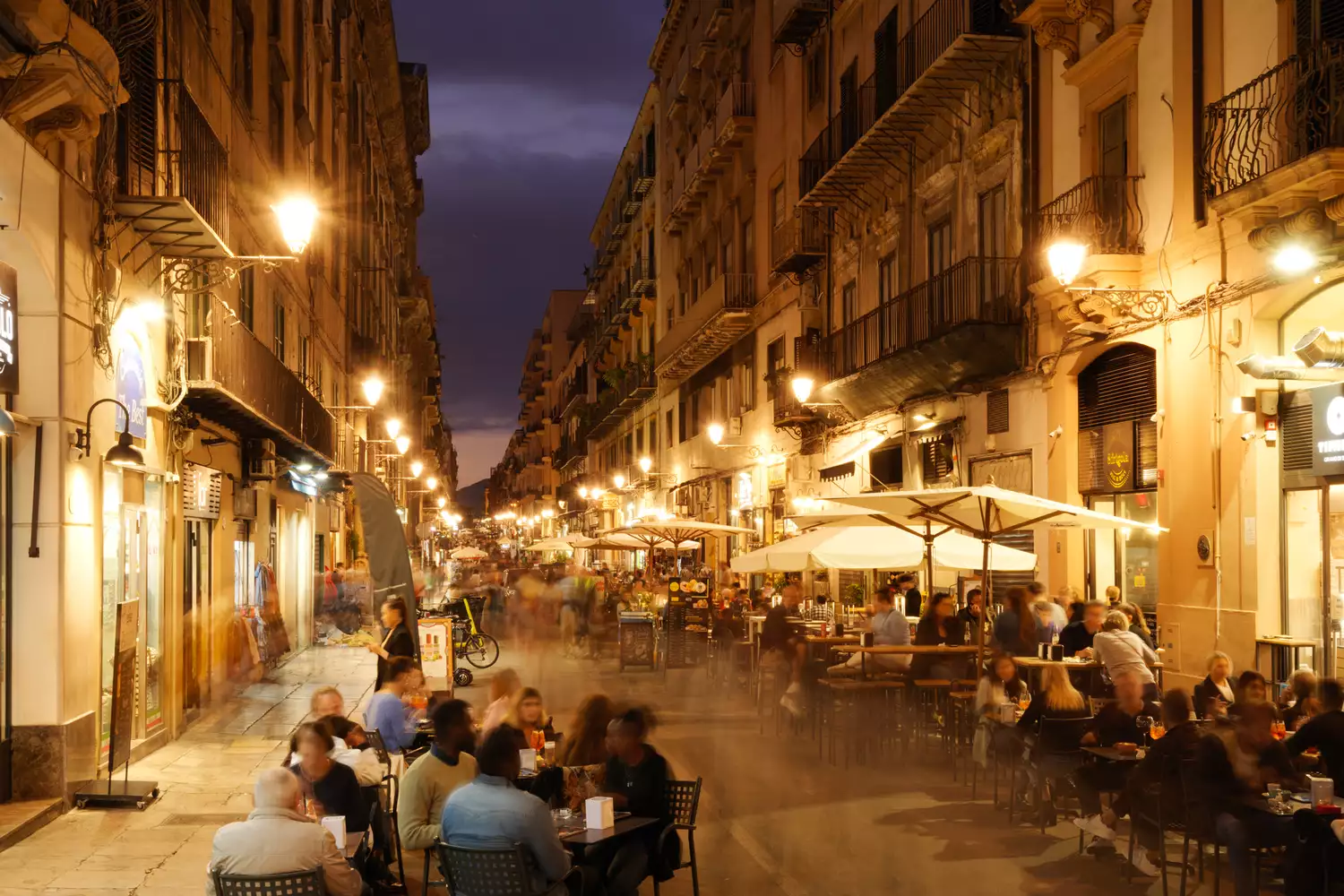
- Dining Culture: Most locals don't sit down for dinner until at least 21:00.
- Local Vibe: A high-energy Mediterranean melting pot defined by Arab-Norman architecture and chaotic beauty.
This Palermo travel guide recommends a 3 to 4-day stay to fully experience the city's Arab-Norman architecture, world-class street food scene, and historic markets like Ballarò. It serves as a safe, affordable, and culturally dense alternative to Rome, offering a more authentic glimpse into the soul of the Mediterranean.
Palermo is no longer Italy’s best-kept secret. In this definitive Palermo travel guide, we explore why this Mediterranean melting pot is surpassing Rome in 2026. From the Byzantine gold mosaics of the Cappella Palatina to the gritty charm of the Ballarò market culture, learn everything you need to plan your first visit to Sicily’s soul-stirring capital. There is a specific kind of light here—a dusty amber that catches the decaying baroque facades and turns them into something sacred. To walk through the streets of Palermo is to walk through centuries of conquest and reclamation, where every corner reveals a layer of its Arab, Norman, and Spanish past.
For those wondering how to plan a trip to palermo for the first time, start by letting go of your preconceptions. The city’s reputation for chaos has been replaced by a sophisticated cultural reawakening. Palermo's tourism reached a record high in 2025, with the city recording more than 2.1 million official overnight stays and over 916,000 arrivals. This surge in interest is well-deserved; Palermo offers a density of experience that higher-profile capitals often lack, blending raw energy with unparalleled artistic heritage.
Choosing Your Base: Best Neighborhoods in Palermo
Deciding where to drop your bags is the first step in unlocking the city. Palermo is a collection of villages, each with its own rhythm. The historic center is surprisingly compact, making the best neighborhoods in palermo sicily for walking and sightseeing easily accessible if you choose your base wisely.
- Kalsa: Once the Arab fortified quarter, Kalsa is now the heart of Palermo’s artistic revival. It is ideal for those who love winding alleys, boutique galleries, and proximity to the sea. It is perhaps the most evocative of the best neighborhoods in Palermo for travelers seeking soul over polish.
- Politeama/Libertà: If you prefer Wide boulevards and neoclassical architecture, this is the city's "uptown." It is home to high-end fashion houses and is generally considered the safest and most modern district.
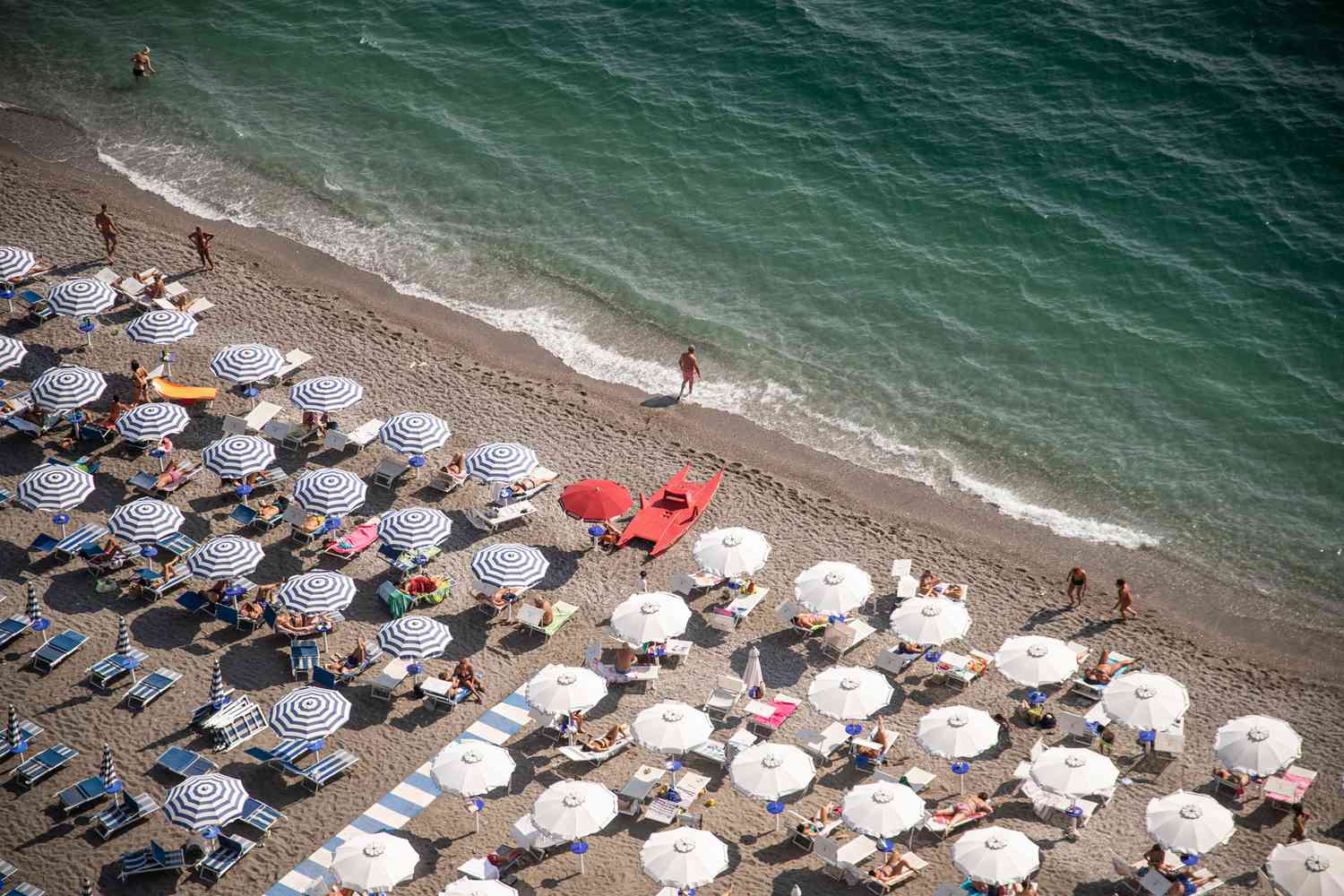
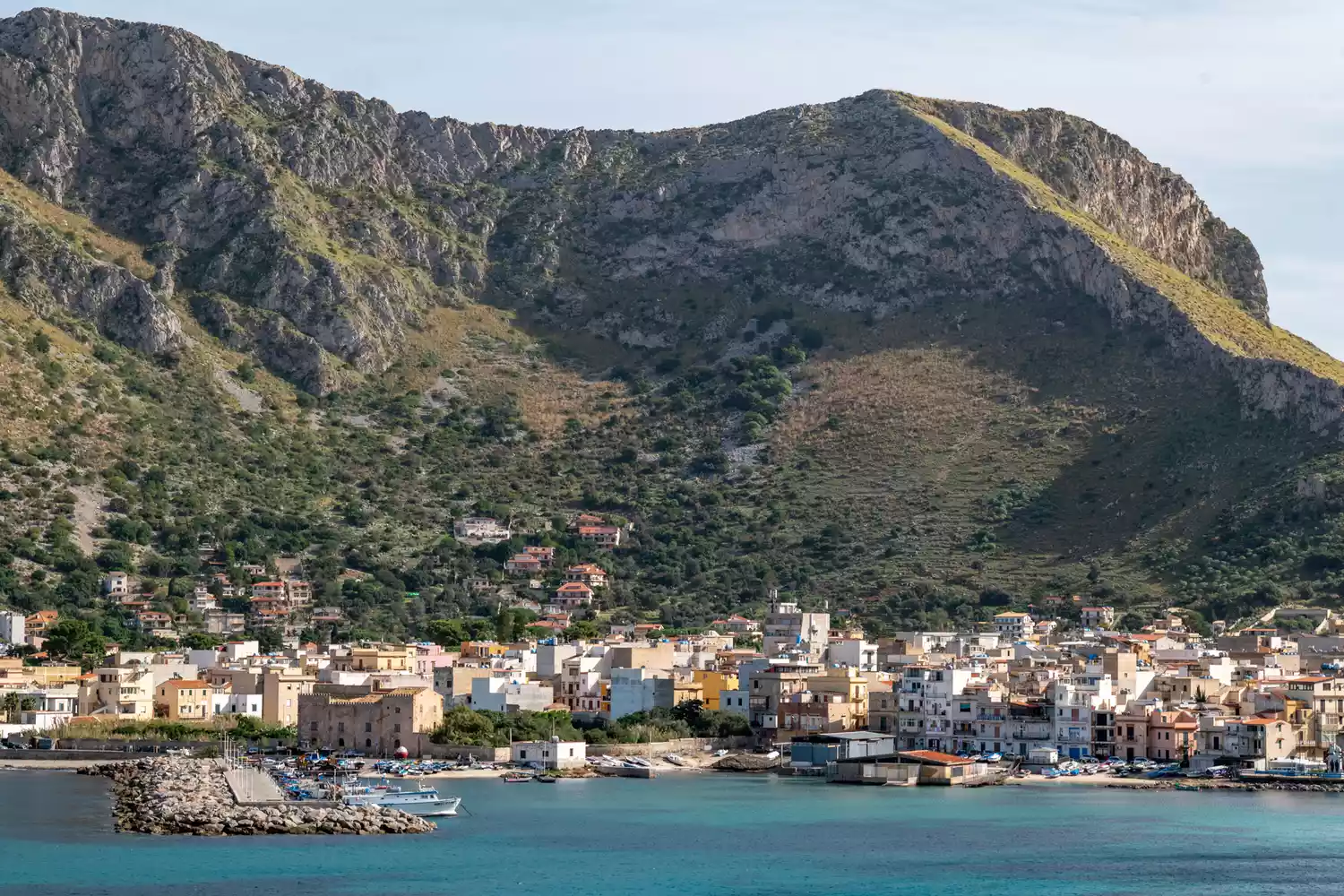
- Mondello: For those craving the Mondello seaside experience, staying in this former fishing village offers a vacation-within-a-vacation. It is a 20-minute bus ride from the center, characterized by Liberty-style villas and sparkling turquoise waters.
While the city's Falcone-Borsellino Airport handled 8.9 million passengers in 2024, representing a 10% increase in traffic, the center remains incredibly pedestrian-friendly. Most of the primary sights are located within a twenty-minute walk of each other, provided you can resist the smell of freshly fried panelle along the way.
The UNESCO Loop: Top Things to Do in Palermo
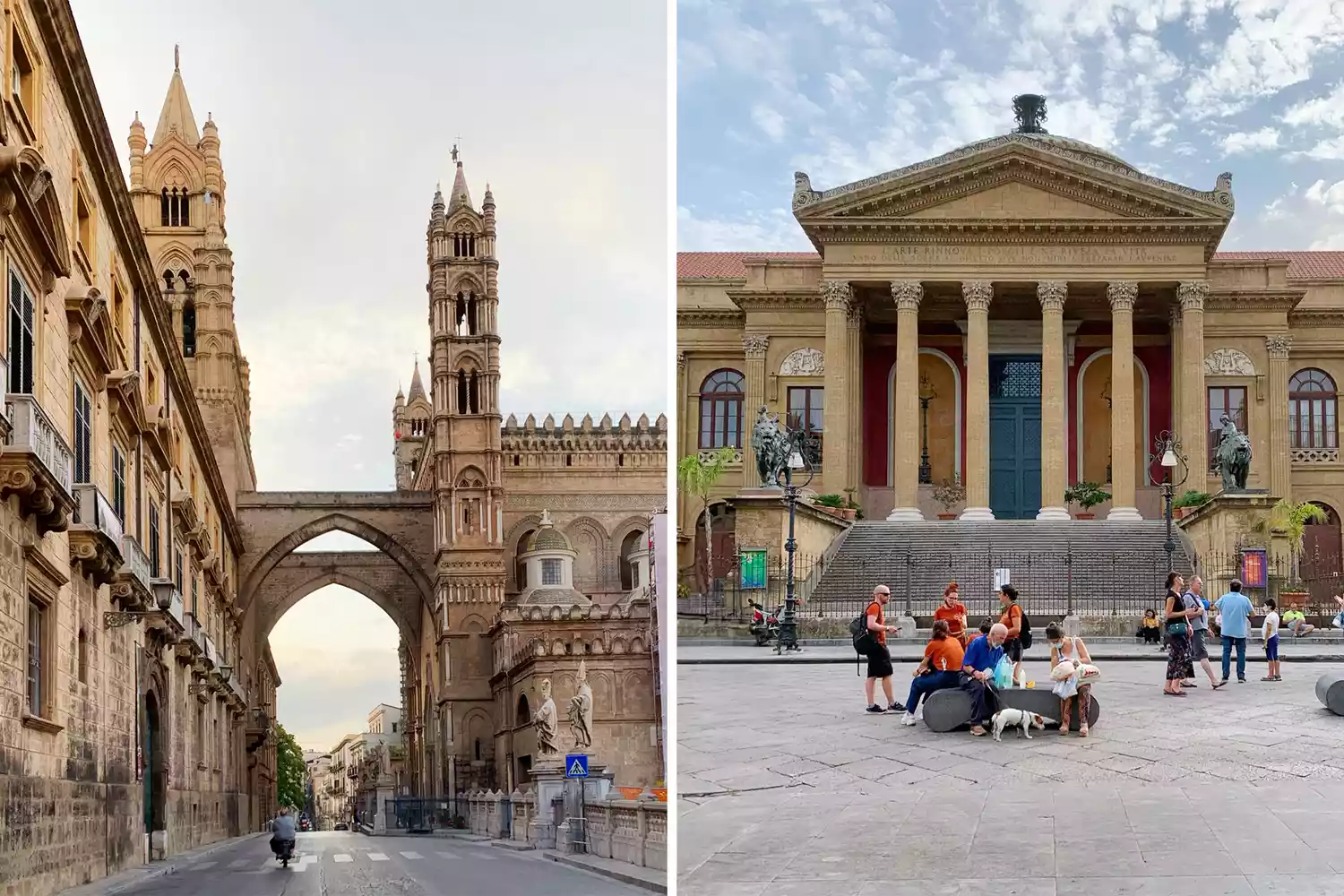
The architectural narrative of Palermo is best understood through its status as a UNESCO World Heritage site. The city of Palermo is home to seven of the nine historical structures that make up the Arab-Norman Palermo and the Cathedral Churches of Cefalù and Monreale.
At the summit of your itinerary should be the Palazzo dei Normanni. Formerly the seat of the Kings of Sicily, its Cappella Palatina is a masterpiece of cultural synthesis. Here, the Byzantine gold mosaics shimmer under a Fatimid-style carved wooden ceiling, a visual testament to a time when Christian, Muslim, and Jewish scholars lived in harmony. It remains one of the must-see historic landmarks in palermo for 2026.
Just a short walk away is the Palermo Cathedral, a sprawling fortress of a building that has served as a mosque and a church. If you have the stamina, pay the €14 entry to climb to the roof. The view over the terracotta tiles of the city toward the mountains is the most rewarding of the top things to do in Palermo. Finally, stand at the center of the Quattro Canti, the four-cornered intersection that marks the heart of the old city. It is a baroque theater in stone, each corner representing a season, a Spanish king, and a patron saint.
Markets & More: Best Restaurants in Palermo
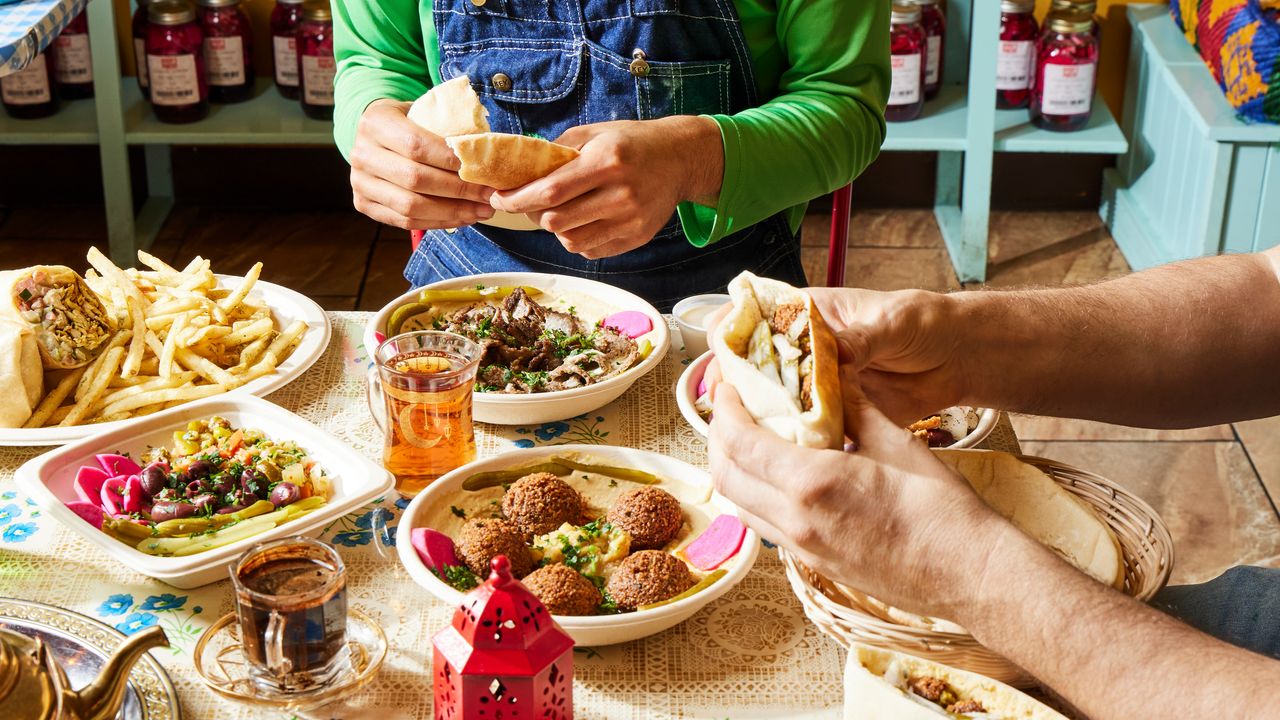
To eat in Palermo is to consume history. The street food culture here is not a trend; it is a thousand-year-old way of life. The city's three main markets — Ballarò, Capo, and Vucciria — each offer a different sensory experience.
| Market | Vibe | Best For |
|---|---|---|
| Ballarò | Raw, loud, and incredibly local. | Sfincione (Sicilian pizza) and fresh produce. |
| Capo | Winding, narrow, and cinematic. | Fried fish cones and street snacks. |
| Vucciria | Historic but now famous for nightlife. | Late-night drinks and street-grilled meats. |
When considering practical tips for navigating palermo street markets, remember that these are working environments. Wear closed-toe shoes and keep your bag close, not out of fear, but out of practicality in the crowded, wet alleys. For a more formal sit-down experience, the best restaurants in Palermo often hide behind unassuming doors.
Look for the best restaurants in palermo for traditional sicilian seafood, such as Corona Trattoria, where pasta con le sarde (pasta with sardines, wild fennel, and pine nuts) is elevated to an art form. This dish is the quintessential Mediterranean melting pot on a plate, blending the sweetness of raisins with the salt of the sea. For those seeking ethical dining, look for the Addiopizzo sticker on restaurant windows, indicating the establishment refuses to pay protection money to the mafia.
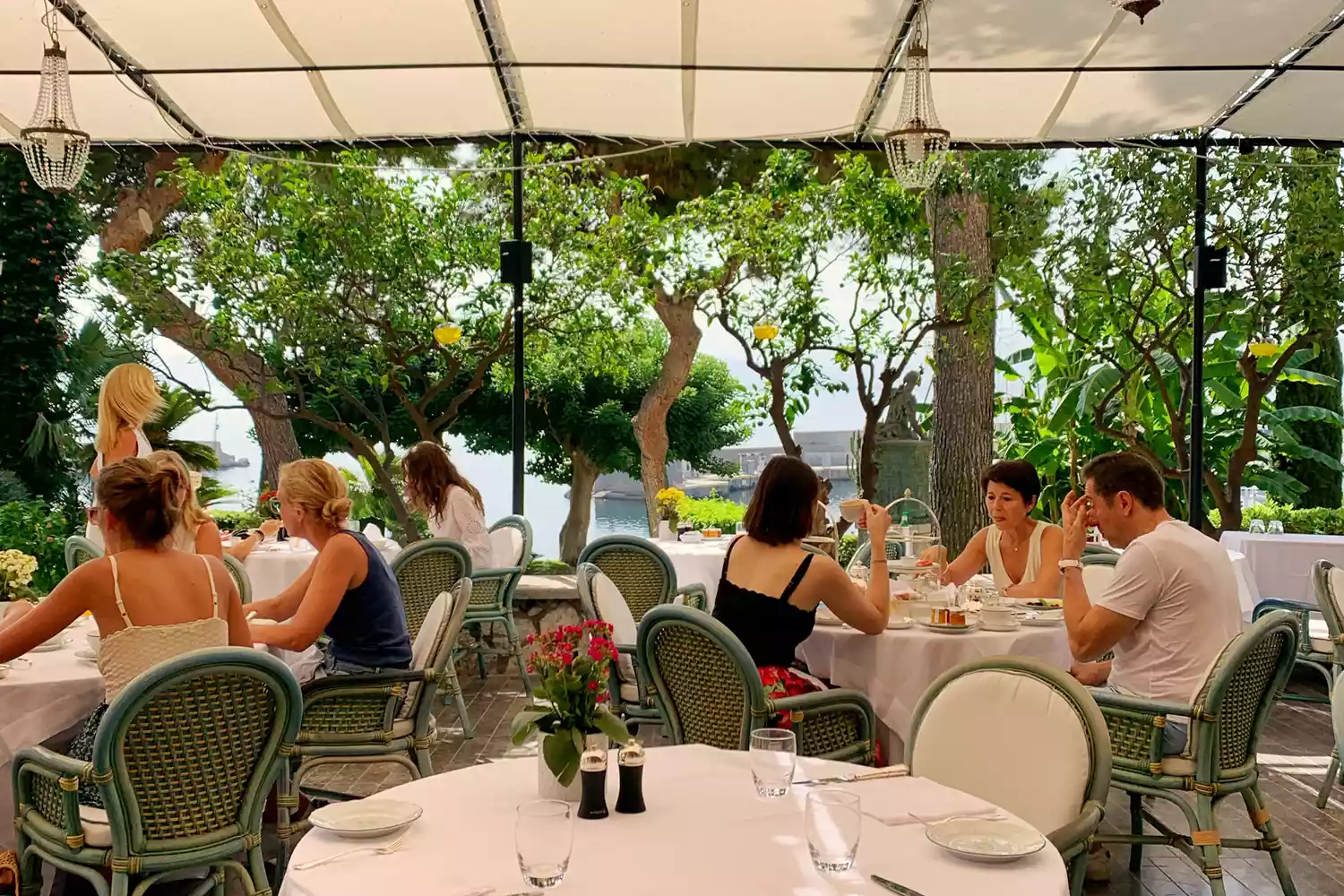
Pro-Tip: Never order a cappuccino after 11:00 AM if you want to blend in. Sicilians view milk after lunch as a digestive nightmare. Stick to a simple "caffè" (espresso) at the counter.
Logistical Survival: Safety, ZTL, and Transport
Addressing the elephant in the room: is palermo safe for foreign tourists in 2026? The answer is a resounding yes. While the city's past was marred by organized crime, today’s Palermo is vibrant and rejuvenated. Petty theft exists, as it does in any major European city, but violent crime against tourists is extremely rare. Standard urban vigilance in the Ballarò market culture is all that is required.
However, the real danger for travelers is the ZTL (Zona a Traffico Limitato). The historic center is strictly off-limits to unauthorized cars, and the cameras are unforgiving. A single accidental entry can result in a fine of €160. If you are driving, park your car in a secured garage outside the ZTL and walk.
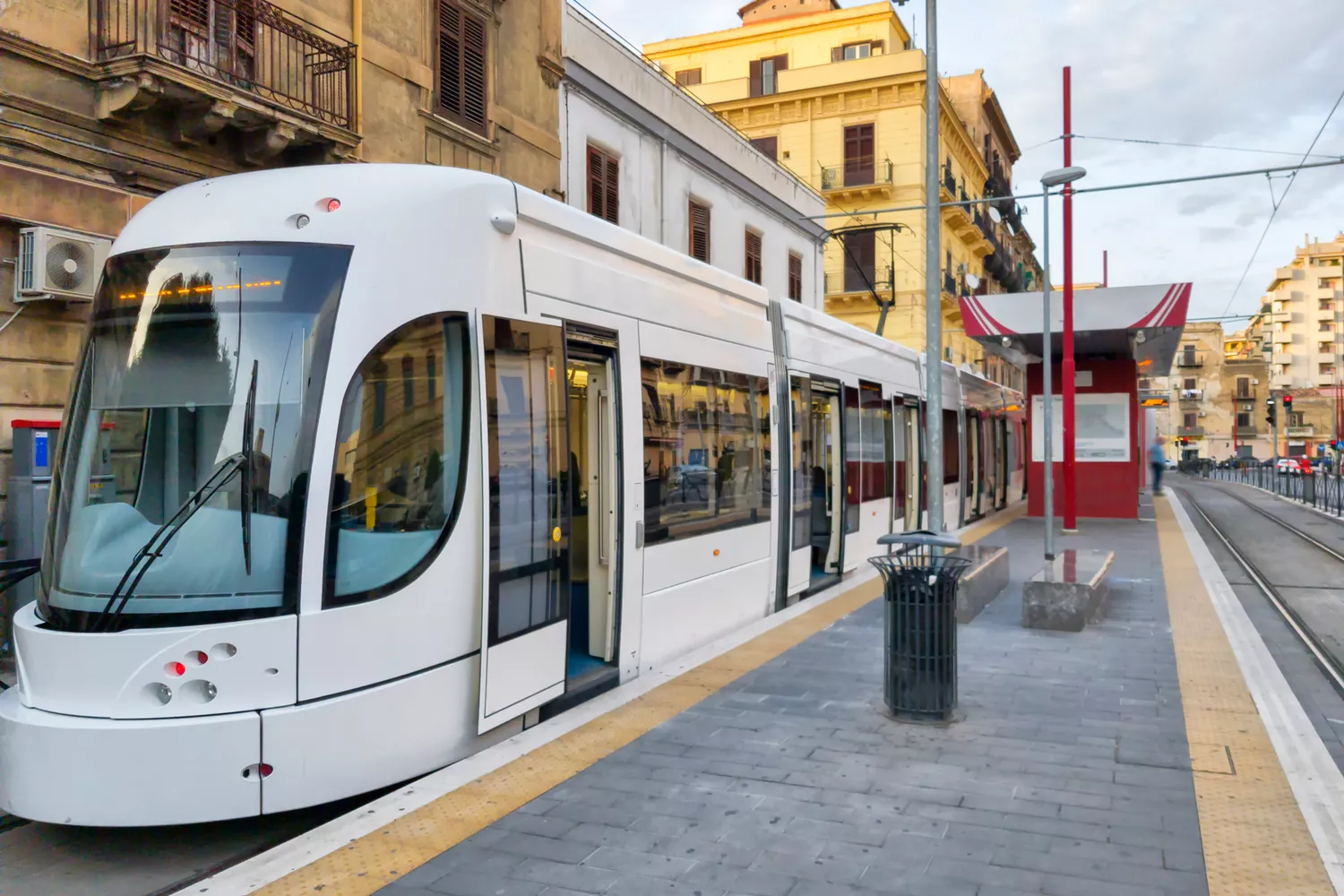
For public transport, the AMAT bus system and the modern tram are reliable enough, but the city center is so walkable that you will likely only need them to visit the outskirts or the beach. Transitioning from the airport is simple: the Trenitalia train runs every 30 minutes and takes you straight to the central station for the price of a coffee and a pastry.
FAQ
Is Palermo worth visiting?
Palermo is absolutely worth visiting for travelers who crave authenticity over curated tourist experiences. It offers a unique blend of Arab-Norman architecture, world-class street food, and a grit that feels honest and invigorating compared to more polished Italian cities.
How many days do you need in Palermo?
We recommend 3 to 4 days. This allows enough time to see the major UNESCO sites, explore the three main markets, take a day trip to the Mondello seaside, and enjoy several long, leisurely Sicilian dinners.
Is Palermo safe for tourists?
Yes, the city is very safe for foreign tourists. While the mafia remains a part of Sicily's history, it does not target tourists. The biggest concerns are occasional pickpocketing in crowded markets and the confusing ZTL driving fines.
What is the best month to visit Palermo?
May, June, September, and October offer the best balance of warm weather and manageable crowds. October is particularly special because of the Le Vie dei Tesori festival, when many private palaces and hidden gems open their doors to the public.
Where is the best area to stay in Palermo?
For history and atmosphere, stay in the Kalsa district. For luxury shopping and a more residential feel, Politeama is the best choice. If you want a beach focus, choose the Mondello area.
How do I get from Palermo airport to the city center?
The most efficient way is the Trenitalia train, which takes about 30-50 minutes and costs roughly €6. Alternatively, the Prestia e Comandè bus is a popular choice, or a taxi which has a fixed rate of approximately €50.
Palermo is a city that demands you pay attention. It is not a place for a passive vacation; it is a place for an immersion into the very heart of Mediterranean culture. Whether you are staring up at the Byzantine gold mosaics of a royal chapel or standing in the middle of a shouting market stall, you are participating in a story that has been being written for three thousand years. It is time to see Sicily’s capital for yourself.