Quick Facts
- World Ranking: Reykjavik is ranked the number one safest city for 2026 based on the Berkshire Hathaway Travel Protection report.
- Global Peace Index: Iceland has maintained its status as the most peaceful country on earth every year since 2008.
- Crime Statistics: The city boasts one of the lowest homicide rates globally, often seeing fewer than two incidents per year.
- Emergency Infrastructure: The 112 Iceland app and ICE-SAR provide world-class response coverage for both urban and rural safety.
- Walking Safety: Public spaces and neighborhoods are characterized by high levels of social trust, with night-time walking considered exceptionally secure.
- Inclusivity: Reykjavik ranks at the top for LGBTQIA+ safety and is widely cited as the premier choice for solo female travelers.
According to recent traveler data and safety metrics from Berkshire Hathaway Travel Protection, Reykjavik, Iceland, is ranked as the safest city in the world for 2026. This top ranking is driven by Iceland's high levels of social trust, a small population that fosters community connection, and a robust social safety net, making it an ideal destination for those seeking the safest travel destinations in Europe.
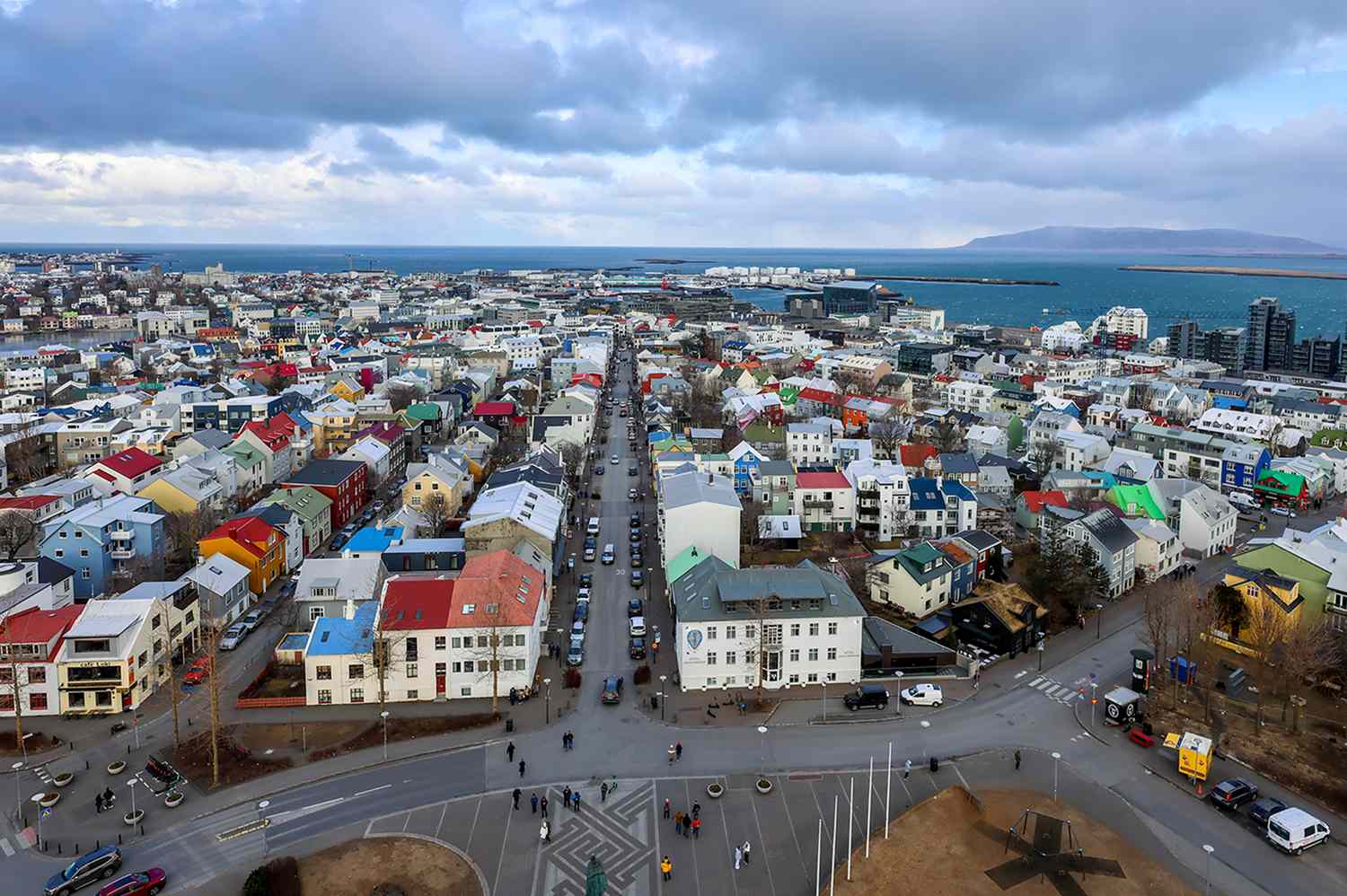
The Data Behind the Title: Why Reykjavik is No. 1
When we analyze the landscape of global security, we look for consistency over mere snapshots. Reykjavik’s ascent to the top of the 2026 rankings is not an anomaly but a return to form. After ranking third in 2024, Reykjavik was ranked as the world's safest city in Berkshire Hathaway Travel Protection's 2025 State of Travel Insurance report, reclaiming the top spot after previously ranking third in 2024. This shift reflects a post-pandemic resilience and a continued commitment to public order that few other capitals can match.
The statistical foundation of this ranking is anchored by the Global Peace Index (GPI). For those tracking international security trends, it is remarkable that Iceland is the most peaceful country in the world, a distinction it has held every consecutive year since 2008. This peace is not merely the absence of conflict but a proactive social environment. With a population of roughly 135,000 in the capital area, the city operates with an intimacy that discourages crime.
When comparing Reykjavik to other elite hubs like Singapore or Copenhagen, the difference often lies in the scale of violent crime. In many major urban centers, even those deemed safe, there is an underlying risk of robbery or assault in specific quarters. However, Iceland maintains one of the lowest crime rates globally, with its national murder rate typically ranging between 0 and 1.5 incidents per year. This data point alone separates it from nearly every other capital city in the Western world, placing it firmly at the top of the list of safest cities in the world with the lowest crime rates for travelers.
Urban Security: Reykjavik Safety for Tourists
For the modern traveler, safety is often synonymous with the freedom of movement. Reykjavik safety for tourists is defined by a lack of traditional urban hazards. You will not find the aggressive scams that plague the streets of Paris or Rome, nor the high-stress environments of North American transit systems. Instead, the city offers a transparent, navigable environment where the biggest risk is often just the unpredictable weather.
Walking and Public Transport
The safety of public transportation in Reykjavik for tourists is remarkably high. The Strætó bus system is clean, reliable, and populated by a cross-section of the local community. Because the city center is so compact, much of the tourist experience is pedestrian-based. Whether you are walking through the harbor or the shopping streets of Laugavegur, the sense of security is palpable.
Is Reykjavik safe for walking alone at night as a tourist? The answer is a resounding yes. Even in the early hours of the morning, the streets remain well-lit and occupied by locals. The city does not have "no-go zones" or neighborhoods where tourists need to hide their valuables. This makes it a standout among the safest travel destinations in Europe, where even high-ranking cities like London or Barcelona struggle with pickpocketing in crowded areas.
Secure Neighborhoods to Consider
When planning your stay, most visitors aim for the city center. Professional assessments from providers like GeoSure frequently give the following areas high ratings for security:
- Miðborg (District 101): The heart of the city. High visibility, plenty of foot traffic, and excellent night-time lighting make it one of the safest neighborhoods in Reykjavik for tourists to stay.
- Vesturbær (West Town): A quiet, residential area close to the university. It offers a peaceful atmosphere with almost zero crime reports involving visitors.
- Hlíðar: While slightly more residential, it remains a prime example of the safest neighborhoods in Reykjavik, offering easy access to the city center and high levels of public order.
Solo and Family Travel: A Safe Haven in 2026
The demographic most sensitive to safety shifts is often the solo traveler. Iceland has long been celebrated as one of the safest cities in the world for solo female travelers due to its progressive stance on gender equality. In Reykjavik, the social infrastructure is designed for inclusivity. Women can dine alone, walk between bars, or hike local trails without the heightened vigilance required in other parts of the world.
For families, the city provides a different kind of security. Icelandic culture places a high value on children, and it is common to see strollers left outside cafes while parents sit inside—a visual testament to the profound social trust that exists here. High health standards and clean public facilities further reduce the stress for parents traveling with young children.
When we look at the safest European travel destinations for families in 2026, Reykjavik consistently outperforms its peers because of its air quality, water purity, and the ease of accessing medical care if needed. The Landspítali University Hospital provides top-tier emergency response, ensuring that visitors are never more than a few minutes away from world-class healthcare.
Beyond Crime: Navigating Geological and Rural Safety
As a travel critic, I must emphasize that safety in Iceland is not just about crime—it is about the environment. While Reykjavik is free from the typical dangers of a metropolis, first-time visitors must be prepared for the natural elements. This is the core of any practical safety guide for planning a trip to Reykjavik.
Natural Hazards and Seismic Activity
Iceland is a land of tectonic activity. While volcanic eruptions often make global headlines, they rarely pose a direct threat to the city of Reykjavik itself. The city’s urban infrastructure is built to withstand significant seismic events. However, the weather can be a legitimate safety concern. High winds and sudden snowstorms can turn a simple walk into a challenge.
Local Safety Resources
To mitigate these natural risks, Iceland has developed one of the most sophisticated emergency systems in the world. Visitors should prioritize these Reykjavik safety tips for first-time visitors:
- Download the 112 Iceland App: This is the most crucial tool in your kit. It allows you to check in with your location and press a single button to alert emergency services with your GPS coordinates.
- Monitor Safetravel.is: This site provides real-time updates on road conditions and weather warnings across the country.
- Respect the Signs: In coastal areas like the nearby Reynisfjara beach (often visited as a day trip), "sneaker waves" are a genuine danger. Many of the injuries involving tourists in Iceland occur when warning signs are ignored.
Pro Tip: Water Safety You do not need to buy bottled water in Reykjavik. The tap water is some of the purest in the world, sourced directly from glacial springs. Avoid the tourist trap of expensive bottled beverages; just bring a reusable bottle and fill up anywhere.
The Global Context: Other Safe Contenders
While Reykjavik holds the top spot, it is part of a broader trend of Nordic and Western European stability. Travelers looking for the safest travel destinations in Europe have several excellent alternatives:
| City | Key Safety Advantage |
|---|---|
| Copenhagen | Exceptionally low bicycle-related accidents and high political stability. |
| Zurich | World-class healthcare and extremely low rates of petty theft. |
| Amsterdam | Highly regulated public spaces and safe public transport infrastructure. |
| Lisbon | One of the most inclusive cities in Southern Europe with a high Global Peace Index rating. |
These cities reflect a shared commitment to social trust and urban infrastructure, but Reykjavik’s unique combination of a small population and a secluded geographic position gives it the edge for 2026.
FAQ
What are the top 10 safest cities in the world?
Recent data from the 2026 Berkshire Hathaway Travel Protection report identifies Reykjavik as the leader. Other cities consistently appearing in the top ten include Copenhagen, Zurich, Singapore, Amsterdam, Seoul, Tokyo, Lisbon, Melbourne, and Sydney. These cities excel in categories such as low crime, health security, and digital safety.
What factors contribute to a city being ranked as safe?
Safety rankings are calculated using a blend of violent crime statistics, petty theft rates, health security (access to hospitals), transit safety, and digital security. Factors like political stability and the Global Peace Index also play a significant role. In Reykjavik's case, high social trust and a robust social safety net are the primary drivers.
What is the safest city for solo female travelers?
Reykjavik is widely considered the premier choice for solo female travelers. Iceland consistently ranks first on the World Economic Forum’s Gender Gap Index, fostering a culture of respect and equality. The high level of public order and the absence of street harassment make it a comfortable environment for women traveling alone.
How is the safety of a city measured?
Safety is measured through a combination of survey data from travelers and official statistics from organizations like the World Bank and the Institute for Economics and Peace. Tools like GeoSure also use AI to aggregate real-time data on neighborhoods, looking at factors like LGBTQIA+ safety, women’s safety, and theft risk to provide a comprehensive score.
Are major European cities generally safe to visit?
Yes, most major European cities are quite safe for international travelers, particularly when compared to other global metropolitan areas. While petty crimes like pickpocketing can occur in high-traffic tourist hubs like Paris or Rome, the risk of violent crime remains very low. Nordic and Central European cities like Zurich and Reykjavik offer the highest levels of security on the continent.