Quick Facts
- Visitor Rating: 4.884/5 (Ranked #1 in the United States)
- Total Acreage: 53,000 acres (Approximately twice the size of San Francisco)
- Old-Growth Area: 17,000 acres of ancient forest
- Primary Attraction: Avenue of the Giants (31.5-mile scenic highway)
- Trails: Over 100 miles of hiking, biking, and riding paths
- Entrance Fee: $8.00 Day Use fee for developed areas (The Avenue itself is free)
- Location: Humboldt County, roughly five hours north of San Francisco
Humboldt Redwoods State Park is currently ranked as the highest-rated state park in the United States, recognized for its massive old-growth coastal redwood forests and exceptional visitor reviews. Located along California's Redwood Coast, the park features the world-renowned Avenue of the Giants, a 31-mile scenic highway that allows travelers to experience ancient groves, some over 350 feet tall, directly from their vehicles.
The Statistics of Splendor: Why it Ranks #1
When we discuss the greatest natural wonders in North America, the conversation often gravitates toward the heavy hitters like Yosemite or Yellowstone. However, recent data suggests that a quieter, more ancient giant is capturing the hearts of travelers. In a comprehensive 2024 visitor review analysis, Humboldt Redwoods State Park emerged as the top-ranked state park in the country, boasting a remarkable 4.884-star rating out of 5. This TripAdvisor visitor ranking places it ahead of iconic coastal vistas and mountain retreats, and for those of us who have stood beneath its canopy, the reason is clear: scale.
The park is the third-largest park in the California State Park system, but its true value lies in its age. While many forests in the Pacific Northwest were heavily logged in the 19th and 20th centuries, this sanctuary preserves 17,000 acres of old-growth coast redwoods. To put that in perspective, this represents the largest remaining expanse of ancient redwoods on Earth. It is a living museum of Sequoia sempervirens, managed with a level of care that dates back to the founding of the Save the Redwoods League in 1921.
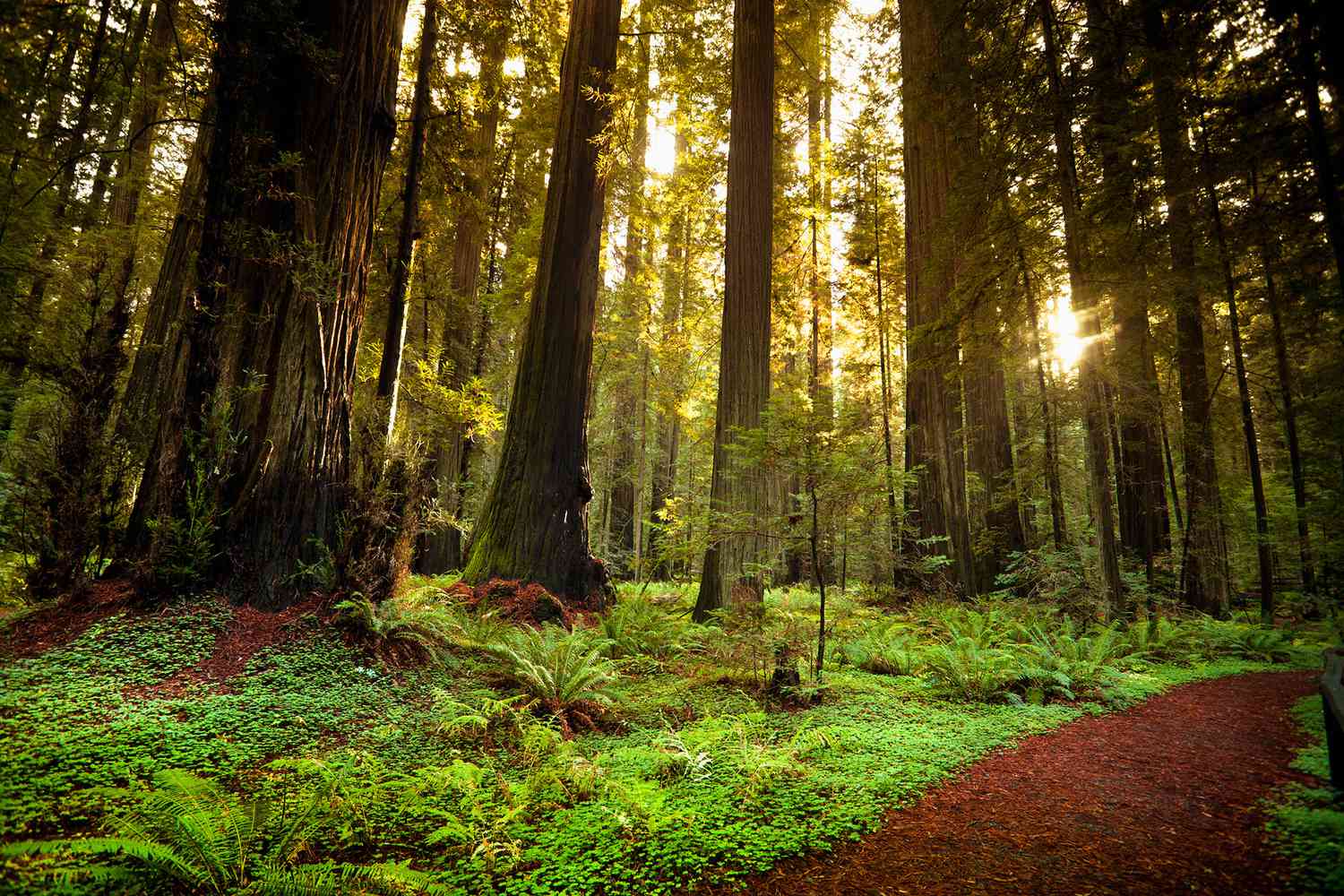
Standing in these groves feels less like a hike and more like a visit to a cathedral. The silence is heavy, dampened by centuries of fallen needles, creating an atmosphere that resonates with a 90% five-star rating among global travelers. It is the gold standard for what a preserved ecosystem should look like.
Driving the Avenue of the Giants: 32 Miles of Awe
For many visitors, the introduction to this prehistoric landscape comes via the Avenue of the Giants scenic drive. This stretch of State Route 254 runs parallel to Highway 101, but the two roads couldn't be more different. While the highway is built for speed, the Avenue is built for wonder. It winds through the heart of the forest, often so close to the trees that the bark seems within arm's reach of your side mirrors.
One of the most compelling Avenue of the Giants scenic drive highlights is its accessibility. You don’t need to be an elite backpacker to witness the majesty of the Redwood Coast. Families can pull over at numerous designated stops, walk twenty paces, and find themselves surrounded by 2,000-year-old giants.
For those looking for the classic "road trip" photo, the Shrine Drive Thru Tree visitor guide usually points travelers toward Myers Flat. This is a commercialized but undeniable piece of California history where you can drive your vehicle through a naturally split opening in a living tree. While the park’s natural groves are the main event, these quirky roadside attractions add a layer of mid-century Americana to the Northern California road trip experience.
The Deep Green: Rockefeller and Founders Groves
To truly understand why Humboldt Redwoods State Park is the highest rated, you must leave the pavement and step onto the alluvial flats. These are the fertile plains where the trees grow to their most staggering heights, fueled by the silt and water of the Eel River.
Rockefeller Forest
- ? Restrooms: Available at the trailhead
- ? Trail Length: 0.6-mile loop
- ? Highlight: Largest contiguous block of old-growth redwoods
The Rockefeller Forest old-growth hiking trails offer a sensory experience unlike any other. The Rockefeller Loop is a flat, easy-to-navigate path that showcases some of the most impressive specimens in the park. Here, the canopy is so dense that even on a bright summer afternoon, the light reaches the forest floor in soft, dappled shafts. This area serves as the cornerstone of the park’s conservation story, saved from industry by a large donation from John D. Rockefeller Jr. in the 1920s.
Founders Grove
- ? Restrooms: Located in the parking lot
- ? Trail Length: 0.5-mile loop
- ? Highlight: The Founders Tree and the Dyerville Giant
Founders Grove is perhaps the most visited spot in the park, and for good reason. It is home to the Dyerville Giant, a massive tree that fell in 1991. When it stood, it was estimated to be at least 362 feet tall. Today, it lies on the forest floor, allowing visitors to walk the length of its trunk and truly grasp the scale of these organisms. Seeing the uprooted root system—a wall of wood and earth nearly 30 feet high—is a humbling realization of the power of nature.
Traveler’s Logistics: Know Before You Go
A successful trip to this remote corner of Humboldt County requires a bit of foresight. Unlike more urbanized parks, the infrastructure here is designed to be minimal to protect the ancient groves.
Humboldt Redwoods State Park weather and layering tips
The microclimates of the Redwood Coast are notoriously fickle. While it might be 85°F in the open sun of the Eel River, the temperature can drop to 55°F the moment you step under the thick shade of the old-growth redwood forest. I recommend a moisture-wicking base layer topped with a light fleece or windbreaker. Even in the height of summer, the morning fog can be damp and chilly.
Navigation and Communications
One of the most important top things to do in Humboldt Redwoods State Park is to disconnect—partly because you won't have a choice. Cell service is virtually non-existent within the deep groves and along much of the Avenue of the Giants. Download your maps for offline use and pick up a physical brochure at the Visitor Center near Weott.
Food and Supplies
While there are picnic areas scattered throughout the park, actual food services are limited. The small towns along the Avenue, such as Myers Flat and Weott, have limited options. If you're planning a full day of hiking Rockefeller Forest old-growth hiking trails, pack a cooler in San Francisco or Garberville. There is nothing quite like a quiet lunch among the giants, but you’ll need to bring the sandwiches with you.
FAQ
Is Humboldt Redwoods State Park the same as Redwood National Park?
No, they are different entities located about an hour apart. Redwood National and State Parks is a complex of parks further north near Orick. Humboldt Redwoods State Park is a standalone state-managed park famous specifically for the Avenue of the Giants and the Rockefeller Forest.
What is the best time of year to visit Humboldt Redwoods State Park?
The summer months from June through September offer the most reliable weather for hiking and river activities. However, the shoulder seasons of May and October provide smaller crowds and a more ethereal atmosphere as the famous coastal fog drifts through the branches.
How long does it take to drive the Avenue of the Giants?
If you drive straight through without stopping, it takes about 45 to 60 minutes. However, most visitors should allow at least 3 to 4 hours to accommodate short walks in the groves, photo opportunities at the Dyerville Giant, and a stop at the Visitor Center.
Where are the biggest trees in Humboldt Redwoods State Park?
The largest concentrations of giant trees are found in the alluvial flats of the Rockefeller Forest and Founders Grove. These areas provide the deep, nutrient-rich soil necessary for coastal redwoods to reach heights exceeding 350 feet.
Is there cell service in Humboldt Redwoods State Park?
Cellular service is extremely spotty and often completely unavailable once you enter the dense forest areas. It is highly recommended to have offline maps and to let someone know your itinerary before you head into the park.
Is Humboldt Redwoods State Park worth visiting?
Absolutely. With its #1 ranking and unique access to the world’s largest remaining old-growth forest, it offers a more intimate and accessible experience than many other redwood parks. Whether you are doing a quick drive-thru or a weekend camping trip, it is a bucket-list destination for anyone visiting California.