Quick Facts
- The Golden Rule: Use the 5-7 outfit ratio for a 10-day trip to ensure your Europe packing list remains manageable.
- Footwear Limit: Strictly carry two pairs total—one on your feet and one in the bag—both must offer high cobblestone durability.
- Space Saver: Compression packing cubes are non-negotiable, reducing bulk by up to 40% for tighter carry-on strategy.
- Power Need: Upgrade to 65W GaN chargers as the new standard for 2026 to handle multiple devices with a single international travel adapter for European outlets guide.
- Safety: Prioritize crossbody bags or specialized phone straps as pickpocket deterrents in high-traffic city squares and metros.
- Budget Alert: In 2024, Ryanair generated more than €4.7 billion in revenue from ancillary services like baggage fees; don’t let your suitcase be their next profit margin.
Common Europe packing mistakes include choosing the wrong power adapter, bringing unsupportive shoes that fail on cobblestones, and neglecting security for mobile devices. Travelers often overlook the need for a portable power bank, versatile clothing layers for temperature shifts, and a packable raincoat to handle unpredictable weather while exploring cities.
I’ve spent the last decade dragging gear through the back alleys of Prague and across the wind-whipped highlands of Scotland. If there is a way to overpack, I have done it. If there is a way to ruin a pair of expensive boots on a 15th-century street, I’ve found it. After 80-plus flights a year, I’ve realized that a successful European adventure isn't about what you bring; it is about what you have the guts to leave behind.
Research into packing habits suggests that approximately 40% of travelers return from their trips with clothing that they never actually wore. That is dead weight you are hauling over bridges and up five-flight walk-ups. Let’s break down how to avoid the most common packing mistakes for Europe trip and refine your gear for a seamless expedition.
Mistake 1-3: Footwear Failures on Ancient Streets
The biggest trap I see travelers fall into is prioritizing fashion over physics. Your trendy thin-soled sneakers might look great in a downtown bistro, but they will betray you by noon on Day 3. European cities are built on stones that have been shifting for centuries. Common packing mistakes for Europe trip almost always start at the feet.
- Mistake 1: The Maiden Voyage: Never, under any circumstances, bring brand-new shoes. I don’t care if they are the top-rated walking shoes for European cobblestones; if they haven't been broken in for at least 30 miles at home, they are blister-makers.
- Mistake 2: The Shoe Buffet: You do not need four pairs of shoes. Follow the Two-Shoe Rule: one pair of supportive, technical sneakers or loafers for walking and one slightly elevated pair for dinner. The goal is a minimalist Europe packing list for 10 days, not a mobile closet.
- Mistake 3: Ignoring Sole Thickness: Thin soles allow the uneven pressure of cobblestones to reach your metatarsals. You need Cobblestone durability—meaning a thicker, cushioned midsole. Look for moisture-wicking layers in your socks to prevent the friction that leads to hotspots.
When you are hitting a 30,000-step baseline in cities like Copenhagen or Lisbon, that "Day 3 fatigue" is real. Switch between your two pairs daily to change the pressure points on your feet. It is one of the most effective packing tips for Europe I can give you.
Mistake 4-7: The Clothing and Style Trap
We’ve already established that 40% of your clothes will go unworn if you pack for "just-in-case" scenarios. European style is generally more "smart casual" than "technical hiker," but you need your wardrobe to perform.
- Mistake 4: The Overstuffed Suitcase: A 2024 travel survey revealed that 21% of vacationers have paid last-minute excess baggage fees at the airport. Use a capsule wardrobe strategy: every top must match every bottom. Stick to neutrals—navy, black, grey—and use accessories for a pop of color.
- Mistake 5: Ignoring Church Modesty Standards: You will be turned away from the Vatican or St. Mark’s Basilica if your shoulders or knees are showing. Always carry a lightweight scarf or ensure your minimalist Europe packing list for 10 days includes pieces that cover the basics.
- Mistake 6: Bulky Athletic Wear: Unless you are actually running a marathon in Berlin, leave the neon gym gear at home. High-contrast athletic wear screams "tourist," making you a more visible target for scams. Lean into moisture-wicking layers that look like everyday casual wear.
- Mistake 7: Forgetting the Raincoat: European weather is a fickle beast. A heavy umbrella is a burden; a packable, high-quality raincoat is a godsend. It doubles as a windbreaker during boat tours or evening walks.
Pro Tip: If you are worried about running out of fresh clothes, learn how to do laundry while traveling in Europe. Instead of finding a laundromat, bring laundry detergent sheets. They take up zero space and allow you to wash socks and shirts in your hotel sink, effectively halving the amount of clothing you need to pack.
Mistake 8-11: Tech and Security Chaos
In 2026, your tech gear is your lifeline. However, the wrong gear can either fry your electronics or leave you vulnerable to opportunistic theft in high-traffic areas.
- Mistake 8: The "One-Country" Adapter: Many travelers buy a cheap adapter for just the UK or just the EU. This is a hassle if your flight is diverted or you take a weekend trip. Invest in a high-quality international travel adapter for European outlets guide that includes multiple USB-C ports.
- Mistake 9: Overlooking Voltage Requirements: US devices run on 110V; Europe uses 230V. Most modern laptops and phone chargers are dual-voltage, but hair straighteners and kettles are notorious for melting when plugged into a simple adapter. Check the "Input" label on your device before you leave.
- Mistake 10: Poor Device Security: Pickpockets in Paris or Rome are professionals. A phone sitting in a back pocket or on a café table is gone in seconds. Use specialized phone straps or anti theft travel bags for Europe that feature locking zippers and slash-resistant straps.
- Mistake 11: Neglecting RFID Protection: While physical pickpocketing is common, electronic "skimming" is a rising concern in crowded metros. Ensure your wallet or bag has RFID protection to keep your credit card data secure while moving through transit hubs.
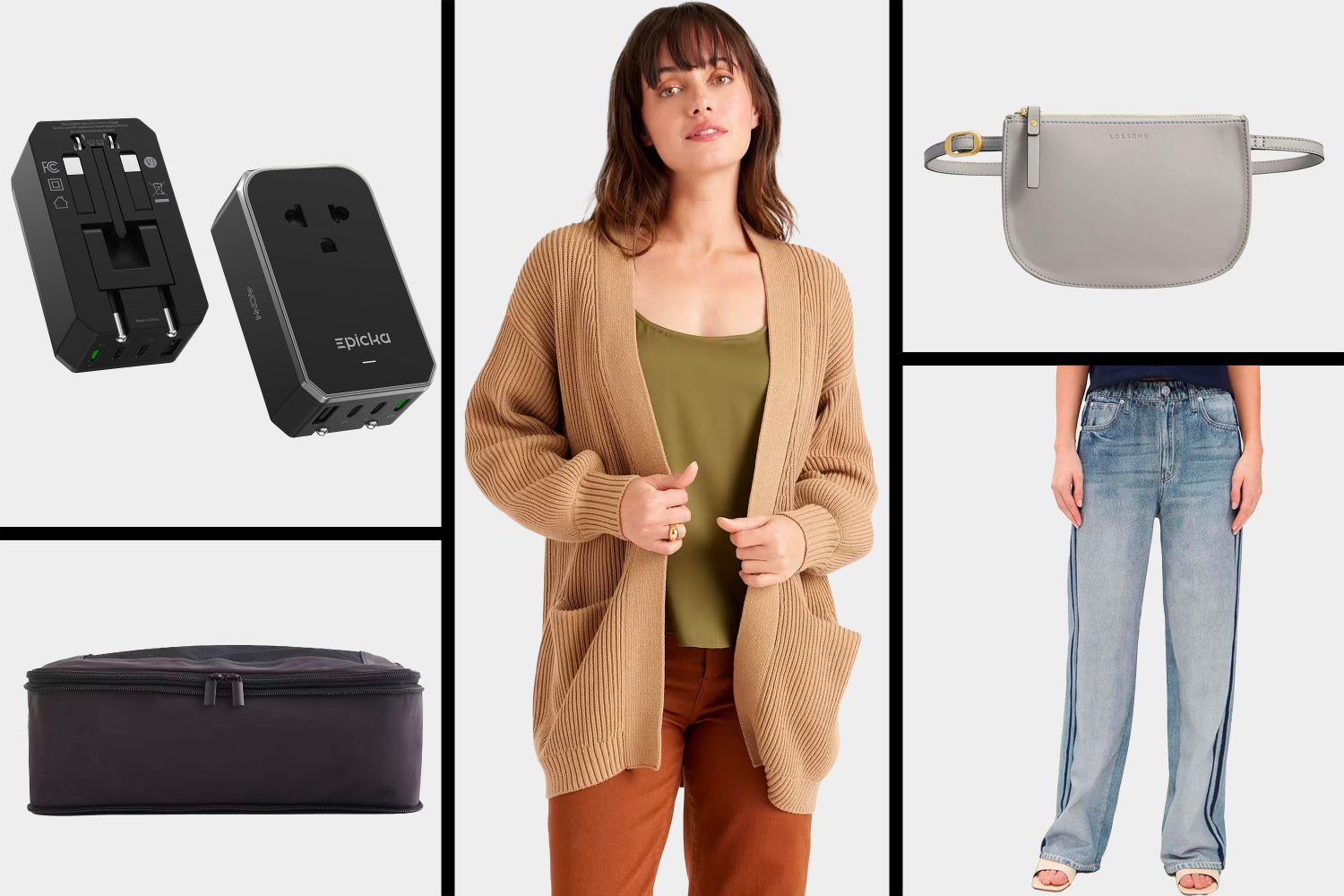
The best travel gear for Europe is the gear that stays attached to you. Transition-friendly bags that can be worn as a belt bag during the day and a shoulder bag at night offer the best versatility while keeping your essentials within your line of sight.
Mistake 12-14: The Logistical Blind Spots
Finally, let’s talk about the things that happen between the destinations. The logistics of European travel are vastly different from the US or Australia, particularly when it comes to budget airlines and personal care.
- Mistake 12: Luggage Size Oversights: European budget carriers are ruthless. The revenue of carriers like Ryanair from ancillary charges proves that they are betting on you failing the "sizer" test at the gate. Always check the specific dimensions for your airline; a standard US carry-on is often too large for an intra-Europe hop.
- Mistake 13: US Medicine Labels: If you are bringing prescription meds, keep them in their original containers with your name clearly visible. European pharmacies are excellent, but they may not recognize US brand names. Having a digital copy of your prescription is a vital part of European travel essentials.
- Mistake 14: Ignoring TSA Liquid Compliance: Even if you intend to check a bag, I always recommend maintaining TSA liquid compliance. If your luggage is lost or you decide to take a last-minute train where space is at a premium, having your toiletries in small, clear containers gives you the flexibility to pivot without stress.
| Feature | US Logistics | European Logistics |
|---|---|---|
| Carry-on Size | Usually larger (22 x 14 x 9 in) | Stricter (55 x 40 x 20 cm) |
| Baggage Fees | Often included on major carriers | Frequently charged per segment |
| Pharmacy Access | Large drugstores, 24/7 | Many small "Apoteek," limited hours |
| Power Outlet | Type A/B (110V) | Type C/E/F/G (230V) |
FAQ
How do I avoid overpacking for a European vacation?
The most effective way is to use the 5-7 outfit ratio and commit to doing laundry. Use compression packing cubes to organize your capsule wardrobe and strictly limit yourself to two pairs of shoes. If you can't wear an item at least three different ways, it doesn't belong in your Europe packing list.
Do I need a power adapter or a converter for Europe?
You definitely need an adapter to fit the plug shapes (Type C for most of Europe, Type G for the UK). You only need a voltage converter if you are bringing single-voltage appliances like old hair dryers. Most modern electronics are dual-voltage, but always check the label for 110V-240V compatibility.
What type of shoes are best for walking in European cities?
The best walking shoes for European cobblestones are those with thick, supportive midsoles and excellent traction. Look for brands that offer "hybrid" styles—shoes that look like leather loafers or clean white sneakers but have the cushioning technology of a running shoe.
What are the essentials for a trip to Europe?
Your European travel essentials must include a universal adapter with USB-C ports, a high-capacity power bank, a crossbody anti-theft bag, and a packable raincoat. Don't forget a digital copy of your passport and laundry detergent sheets for mid-trip refreshes.
What should I pack for Europe in the summer vs the winter?
For summer, focus on breathable linens and moisture-wicking layers to handle the Mediterranean heat. For winter, the key is a high-quality wool coat or down parka paired with thermal base layers. In both seasons, the footwear remains the same: prioritising support for those long days on your feet.
As you finalize your Europe packing list, remember the 21% of travelers who pay those last-minute baggage fees. Weigh your bag before you leave for the airport. If it's heavy now, it's going to feel twice as heavy after a mile of walking through the cobblestone streets of Rome. Pack light, stay secure, and focus on the experiences ahead rather than the gear behind you.