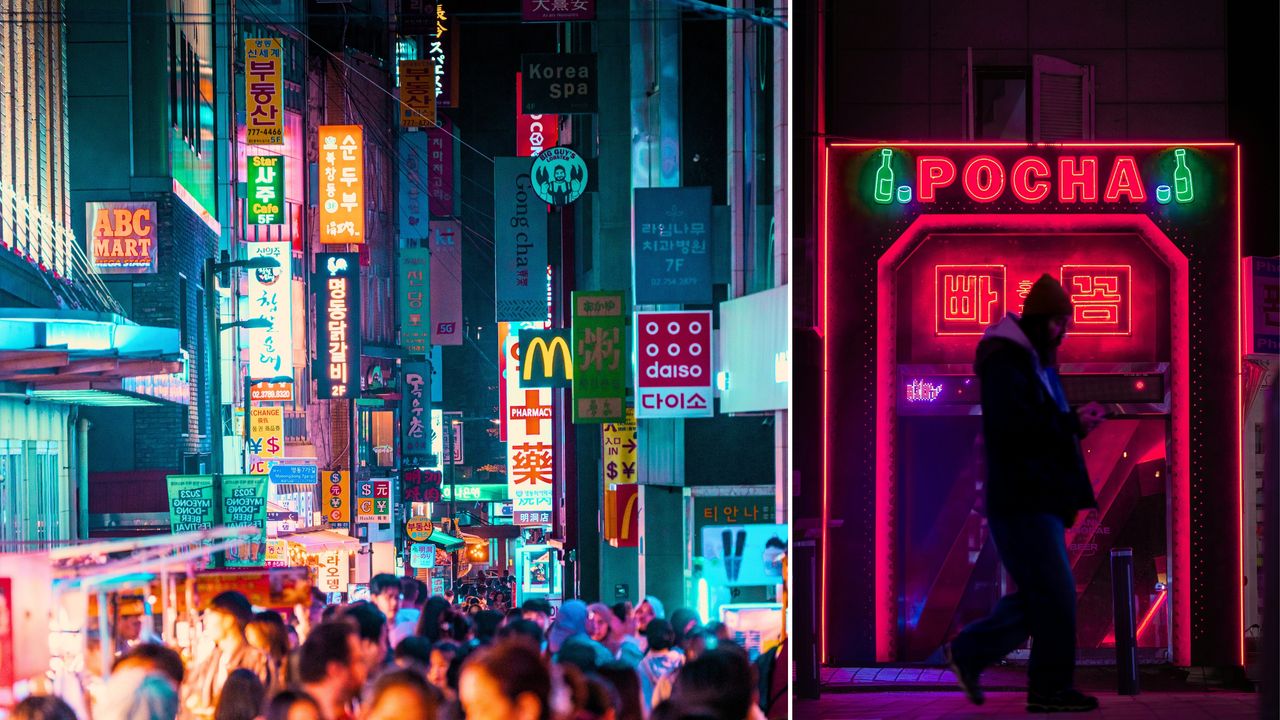
After twenty years of waking up to the rhythmic hum of the Yamanote line and the scent of morning dashi, I’ve learned that Tokyo is not a single city, but a kaleidoscope of small villages stitched together by light and rail. For many, searching for things to do in Tokyo leads to the same crowded tourist traps. However, as a 20-year resident, I believe the true soul of the city lies in the balance between Michelin-starred gastronomy and the gritty back-alleys of Shinjuku. In this local Tokyo travel guide, we will explore 15 unique Tokyo experiences designed for 2026 visitors, ranging from the historic Edo period heritage of Yanaka to the futuristic neon of Shibuya Sky.
Quick Facts
- Best Timing: March-April for Sakura or late October for fall colors.
- Must-Have: Welcome Suica or Pasmo PASSPORT (expires in 28 days).
- Top View: Tokyo Metropolitan Government Building (Free) or Shibuya Sky (Book 14 days early).
- Food Icon: Monjayaki in Tsukishima (80+ shops on one street).
- Booking Tip: Ghibli Museum tickets release the 10th of every month at 10:00 JST.
- Dining Data: Tokyo holds the world record for dining excellence, with 183 establishments receiving awards in the Michelin Guide Tokyo 2024.
For those seeking the best things to do in Tokyo, the ultimate experiences combine historic landmarks like Senso-ji with modern wonders like TeamLab Planets and authentic local culture in neighborhoods like Shimokitazawa or Yanaka. To see the city's historic side, wander the retro shitamachi neighborhoods of Yanaka and Ningyocho, visit major landmarks like Meiji Jingu Shrine and Senso-ji Temple, or participate in the communal lifestyle at a local sento public bath. Breathtaking views of the Tokyo skyline and Mount Fuji are best experienced from the Tokyo Metropolitan Government Building or luxury hotel lounges like Aman Tokyo. Food enthusiasts should visit Tsukishima to try monjayaki, explore the boundary-pushing Michelin-starred gastronomy of restaurants like Sézanne, or enjoy high-altitude afternoon tea with city views at the Mandarin Oriental.
Tokyo 101: Essential Logistics for 2026
Navigating Tokyo requires a blend of digital intuition and analog patience. In 2026, the transit landscape has shifted. While standard Suica and Pasmo cards remain in short supply for short-term visitors, the Welcome Suica and Pasmo PASSPORT are your golden tickets. These are obtainable at Narita or Haneda airports and remain valid for 28 days.
| Service | Cost | Duration | Resident Insight |
|---|---|---|---|
| Narita Express (NEX) | 2,990 yen | 60-80 mins | Use the Round Trip ticket (valid 14 days) to save significantly. |
| Taxi (Narita to Center) | 23,000+ yen | 90+ mins | Generally not worth it unless you have excessive luggage. |
| Limousine Bus | 3,200 yen | 90-120 mins | Great for door-to-door service to major hotels. |
When arriving at Tokyo Station, the exit you choose defines your first impression. Use the Marunouchi exit to encounter the iconic 1914 brick facade and historic views, or head toward the Yaesu side for high-density underground shopping. It is also important to note that the famous inner fish market auctions moved from Tsukiji to Toyosu; while Tsukiji Outer Market remains a street-food haven, Toyosu is the place for the early-morning tuna auction gallery.
Resident Pro-Tip: Buy a Welcome Suica at the airport immediately upon arrival, as they are often sold out in the city center kiosks. For the Ghibli Museum, mark your calendar for the 10th of the month at 10:00 AM JST.
The Old Town Heart: Shitamachi and Edo Tradition
To understand the Tokyo of today, one must walk the streets of the past. The shitamachi or low city areas offer a refreshing contrast to the skyscrapers. In neighborhoods like Yanaka and Ningyocho, the Edo period heritage is palpable in the slope of the roofs and the smell of toasted senbei crackers.
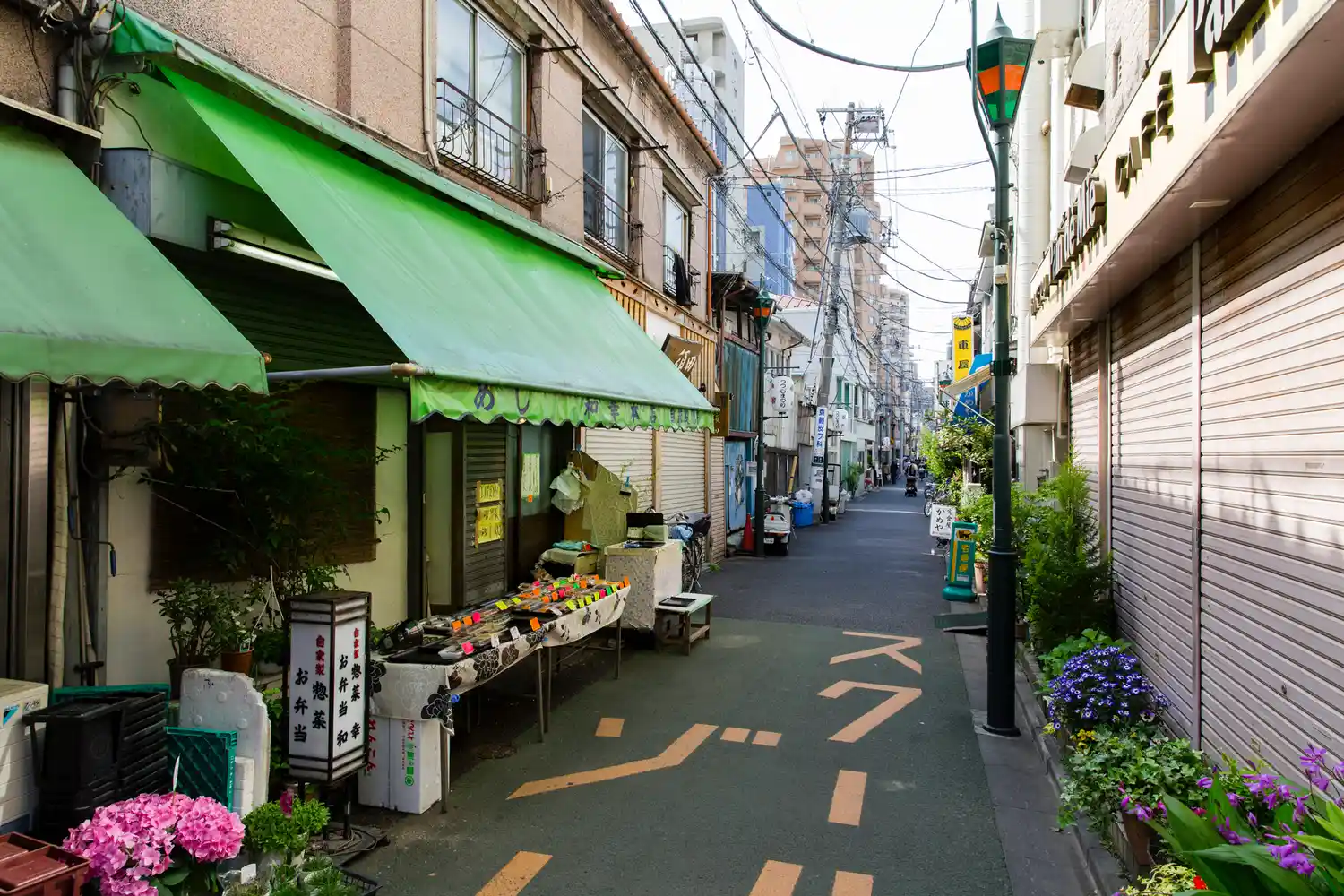
One of the most rewarding things to do in Tokyo is a neighborhood walking tour through Yanaka Ginza. Unlike the neon-soaked Ginza of the center, this is a retro shopping street where locals buy daily groceries. Nearby, Senso-ji in Asakusa stands as the city’s oldest temple. I recommend arriving at dawn to see the massive lanterns and Shinto traditions without the massive crowds. Afterward, wander into Ningyocho to see artisans crafting traditional dolls or wood-block carvings.
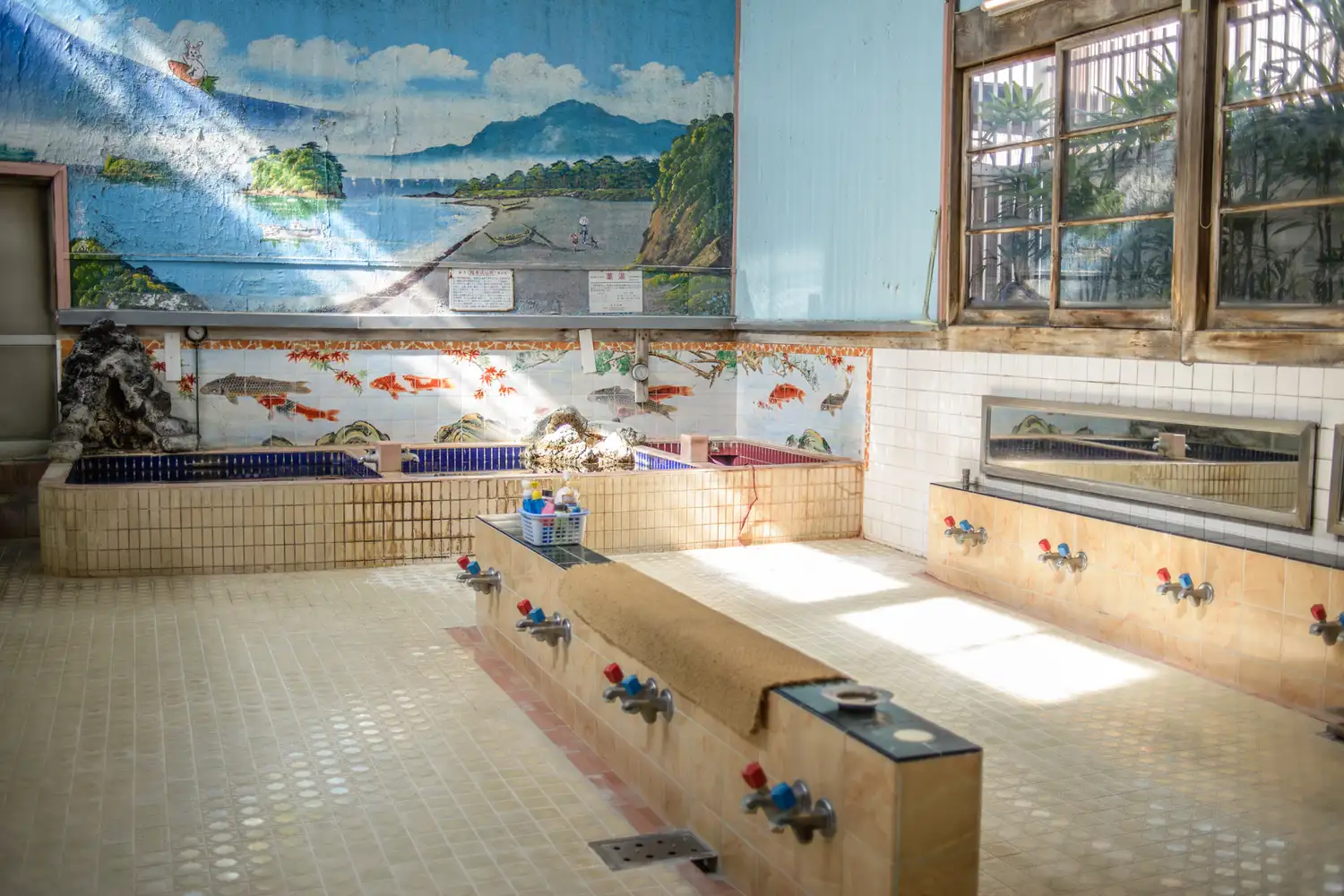
The communal sento lifestyle remains a cornerstone of residential life. While many hotels have private baths, planning a public bath visit in tokyo for tourists offers a genuine local connection. These bathhouses are where neighbors exchange gossip under murals of Mount Fuji. Look for traditional buildings with tall chimneys.
Resident Pro-Tip: Visit the small artisan shops in Ningyocho for authentic Edo-style crafts. Many of these shops have been run by the same families for over five generations.
Culinary Heights: From Michelin Stars to Monjayaki
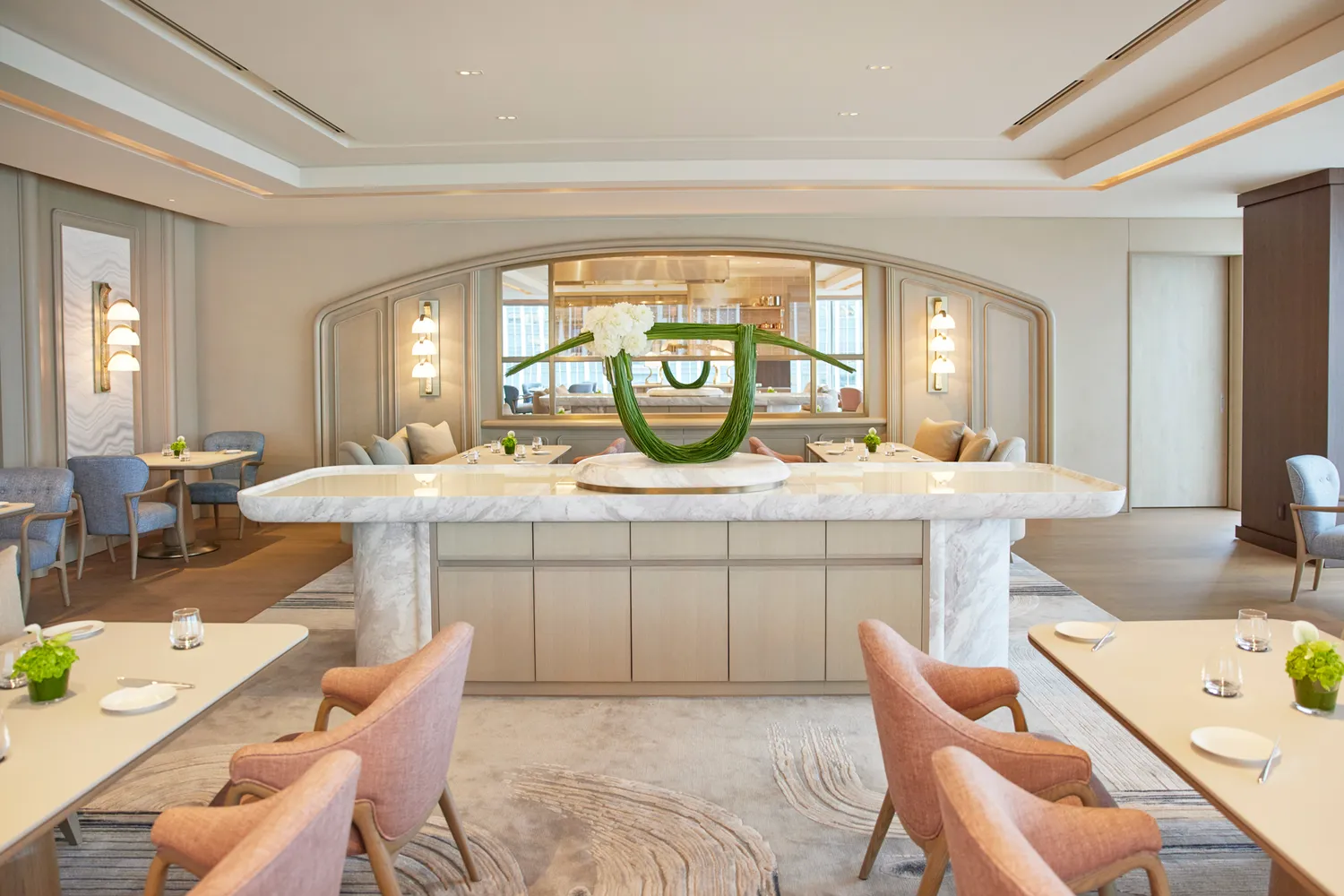
Tokyo is arguably the most exciting food city on the planet. According to the Michelin Guide, the city maintains its record as the culinary capital of the world. Experiencing Michelin-starred gastronomy here isn't just about white tablecloths; it's about the chef's obsession with a single ingredient. At Sézanne, located within the Four Seasons Marunouchi, French technique meets Japanese precision in a way that feels utterly modern.
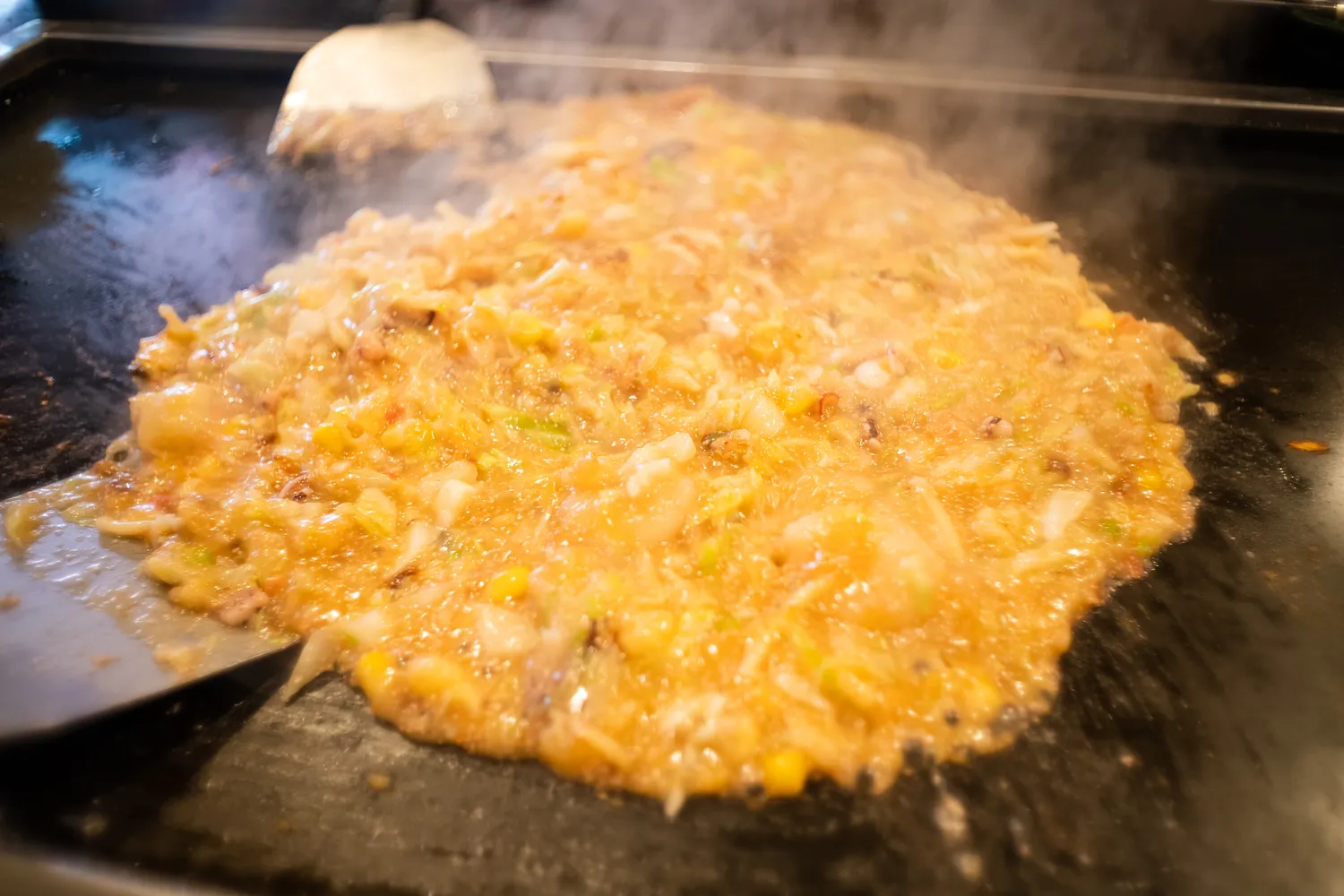
For a more boisterous experience, head to Tsukishima. This island in the bay is the holy land of monjayaki, a savory, runny pancake that is a true Shitamachi staple. You’ll find over 80 shops lining Monja Street, where you can cook your own meal on a hot griddle at your table. It is one of the most interactive unique Tokyo experiences.
Learning how to experience authentic izakaya culture in tokyo requires finding the right balance of grit and grace. In districts like Ginza and Shinjuku, these taverns range from high-end dens of Japanese cocktail artistry to smoky stalls under the train tracks. Order a highball or a local artisanal sake and ask the master for the omakase (chef's choice) small plates.
Resident Pro-Tip: Go to Tsukishima's Monja Street on a weekday to avoid the 2-hour weekend queues. Most shops are cash-only, so come prepared.
Subculture and Modern Vistas
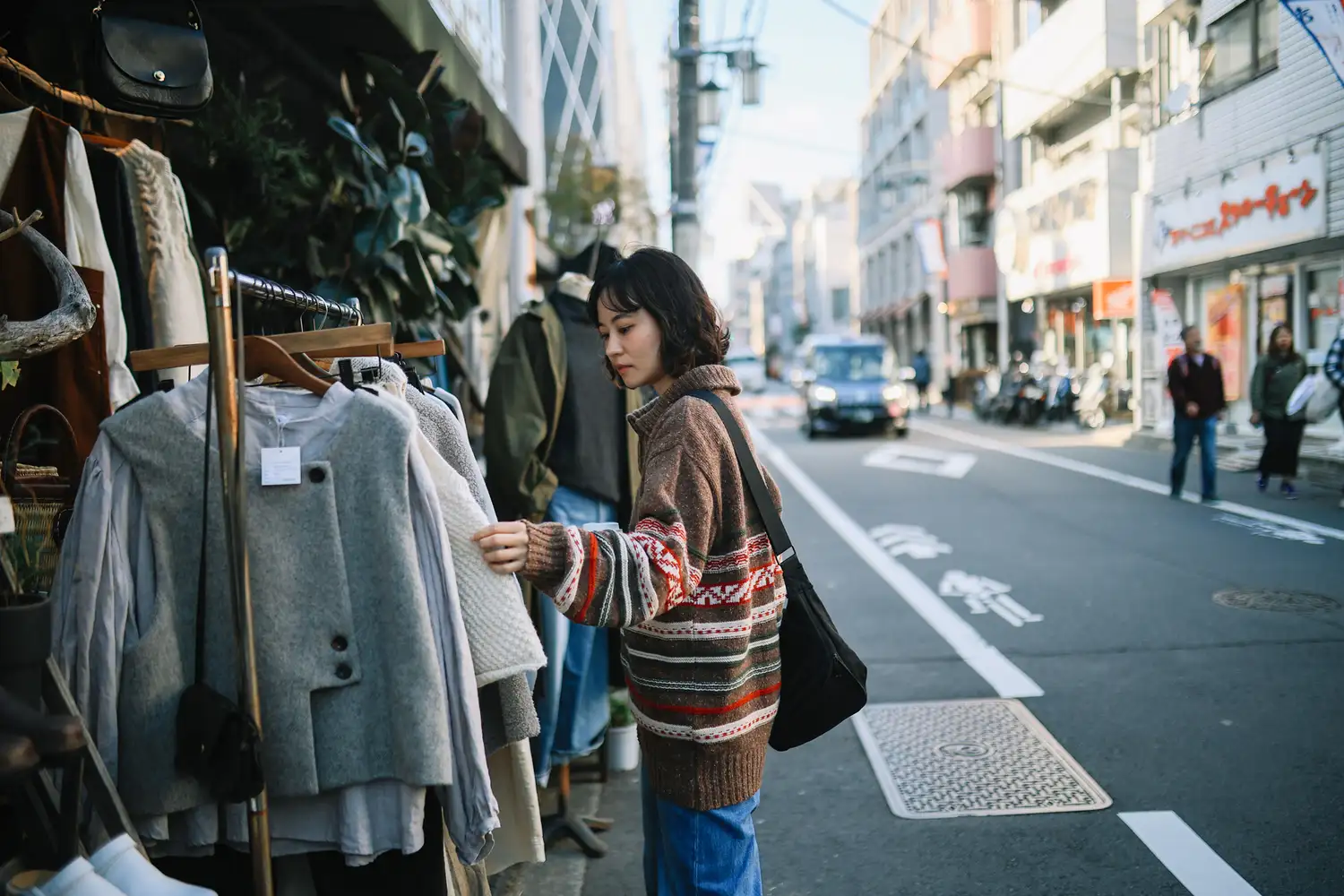
The city’s youthful energy is best captured in Shimokitazawa. Following a massive redevelopment of its rail lines, the neighborhood has blossomed into a pedestrian-friendly maze of vintage stores and indie theaters. Any thrift shopping guide for shimokitazawa tokyo will tell you to start at Toyo Department Store, a garage-like space filled with individual vendor stalls.
For the best perspective on the sprawl, seek out the city's observation decks. While Tokyo Skytree is the tallest, Shibuya Sky offers an open-air experience that makes you feel like you're floating above the famous crossing. If you’re looking for the best places to see mount fuji from tokyo city on a clear day, the Tokyo Metropolitan Government Building in Shinjuku provides a stunning, free vantage point. The Tokyo skyline vistas at sunset are particularly poetic as the neon lights flicker to life.
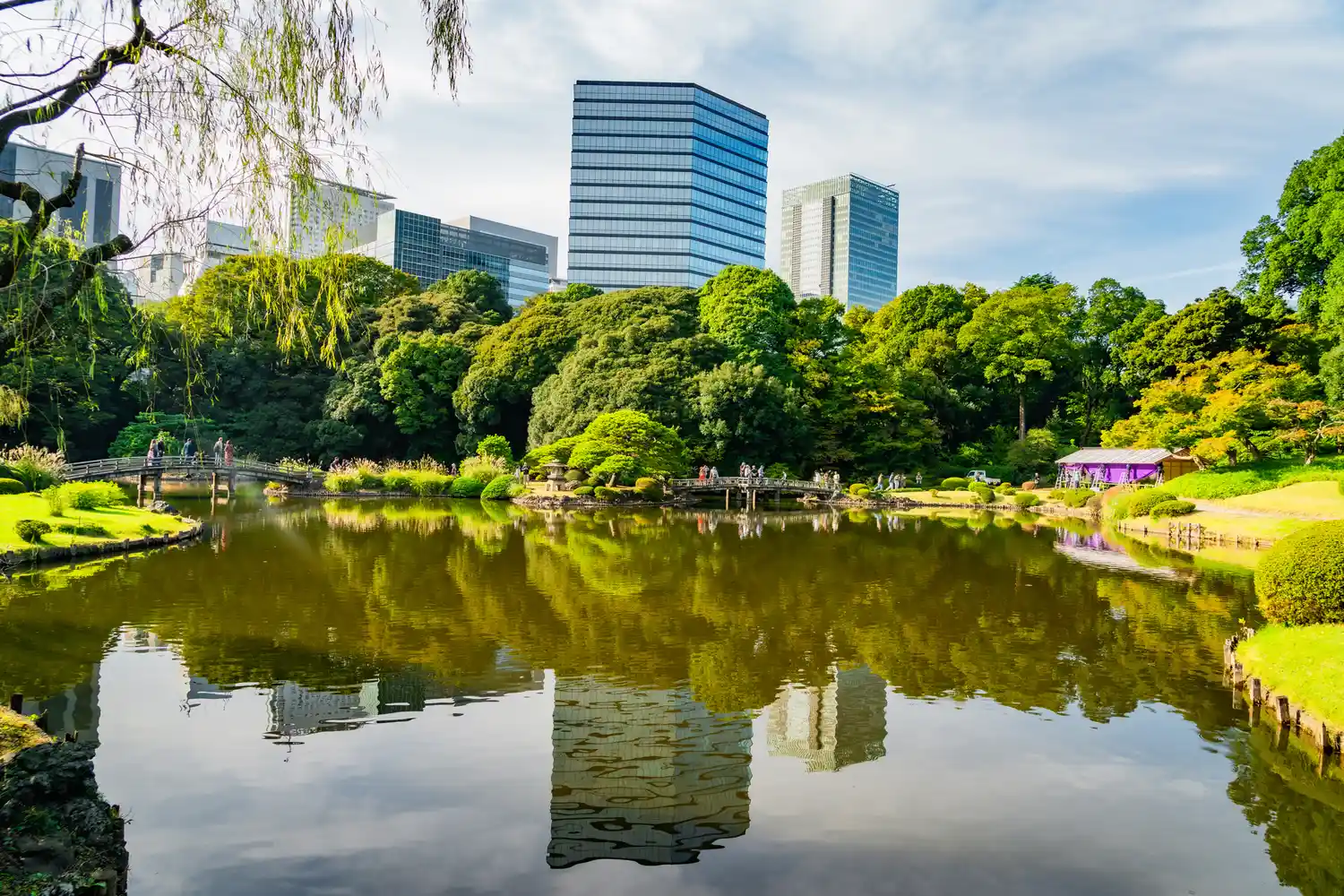
For those who want a quieter escape, the urban park retreats are essential. Shinjuku Gyoen is a masterclass in landscape design, blending English, French, and Japanese styles. It is the perfect spot for a quiet afternoon after exploring the tiny, vibrant bars of Shinjuku's Golden Gai.
FAQ
What are the top attractions for first-time visitors in Tokyo?
First-time visitors should prioritize the contrast between old and new. Essential stops include the Senso-ji Temple in Asakusa for its historic atmosphere and the Shibuya Crossing for its modern energy. A visit to the Meiji Jingu Shrine offers a peaceful forest retreat, while the observation decks at Shibuya Sky or the Tokyo Metropolitan Government Building provide the best places to visit in Tokyo for panoramic views.
What should I not miss when visiting Tokyo?
You should not miss the neighborhood culture hidden away from the main stations. Exploring the thrift shops of Shimokitazawa or the traditional craft shops of Ningyocho offers a deeper understanding of the city. Additionally, experiencing a communal sento or public bath is a unique Tokyo experiences that many tourists overlook but residents cherish.
What are the best things to do in Tokyo at night?
Tokyo comes alive after dark through its diverse nightlife. Explore the tiny, themed bars of Golden Gai in Shinjuku or book a private karaoke room in Shibuya for a classic experience. For foodies, wandering the atmospheric alleys (yokocho) for yakitori and beer, or visiting high-end bars for Japanese cocktail artistry in Ginza, are among the best things to do in Tokyo at night.
What is the best month to visit Tokyo?
The best months to visit are late March to early April for the world-famous cherry blossoms, or late October to November for the vibrant autumn foliage and pleasant temperatures. These seasons offer the most beautiful scenery for neighborhood walking tours and outdoor picnics in parks like Shinjuku Gyoen.
Is Tokyo safe for solo travelers?
Tokyo is consistently ranked as one of the safest cities in the world for solo travelers. The public transportation system is efficient and well-lit, and there is a high level of social respect. Whether you are dining at a counter-seating ramen shop or navigating the subway late at night, solo travelers generally feel secure and welcome throughout the city.