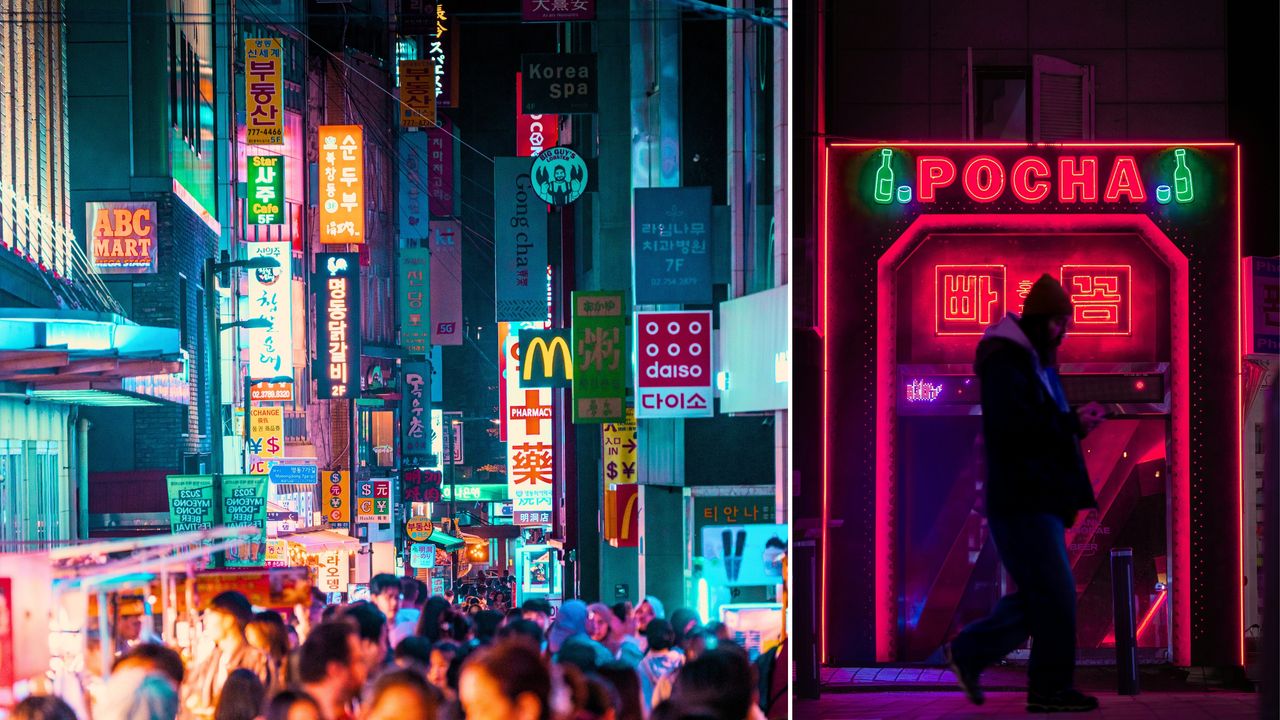
To step onto the pavement of Seoul is to participate in a grand, living experiment of time travel. Here, the hum of a hydrogen-powered bus fades into the rhythmic, wooden click of a temple gate, and the scent of sizzling high-grade hanwoo beef from a Michelin-starred grill drifts toward the ancient, tiled eaves of a nearby pavilion. As we look toward the 2026 evolution of this metropolis, the city has become more than just a destination; it is a global cultural heartbeat, a place where the pali-pali (hurry-hurry) speed of the digital age finds peace in the slow fermentation of traditional jang pastes.
Quick Facts
- Duration: 3-5 days for a foundational experience.
- Key Experience: Wearing a traditional hanbok for free entry to royal palaces.
- Best for Art: The 2026 Damien Hirst exhibition at MMCA and Frieze Seoul.
- Must-Try: Authentic gwangjang market street food, specifically bindaetteok.
- Essential Tech: Download Naver Maps and secure a high-speed eSIM before arrival.
- Stay: A heritage hanok in Bukchon for a quiet, historical perspective.
Seoul offers a dynamic blend of heritage and modern pop culture. This Seoul culture guide explores how visitors can bridge historical hanok stays in the historic Joseon Triangle with high-octane Hallyu tourist attractions for a complete 2026 experience that feels both ancient and cutting-edge.
The Joseon Soul: Historic Districts and Hanok Living
The heart of the city’s identity lies within the Joseon Triangle, an area encompassing the grand palaces and the clustered alleys of the historic districts. To understand Seoul, one must begin in Bukchon Hanok Village. This is a place of weathered wood and stone, where the architecture was designed to harmonize with the surrounding mountains rather than dominate them. In 2024, Bukchon recorded approximately 6.4 million visitors despite having a local resident population of only about 6,100. This stark contrast highlights the importance of the residential noise respect etiquette; the village remains a living neighborhood, and staying in a traditional hanok here requires a commitment to the quiet, dignified pace of the past.
When walking through these alleys, the sensory experience is profound. You hear the wind chimes of a tea house in Insa-dong and see the intricate geometric patterns of the hanok doors. For those seeking the best traditional hanok stays in bukchon village, look for guesthouses like Rakkojae, where the scent of pine wood and the warmth of the ondol (underfloor heating) provide a sanctuary from the urban rush.
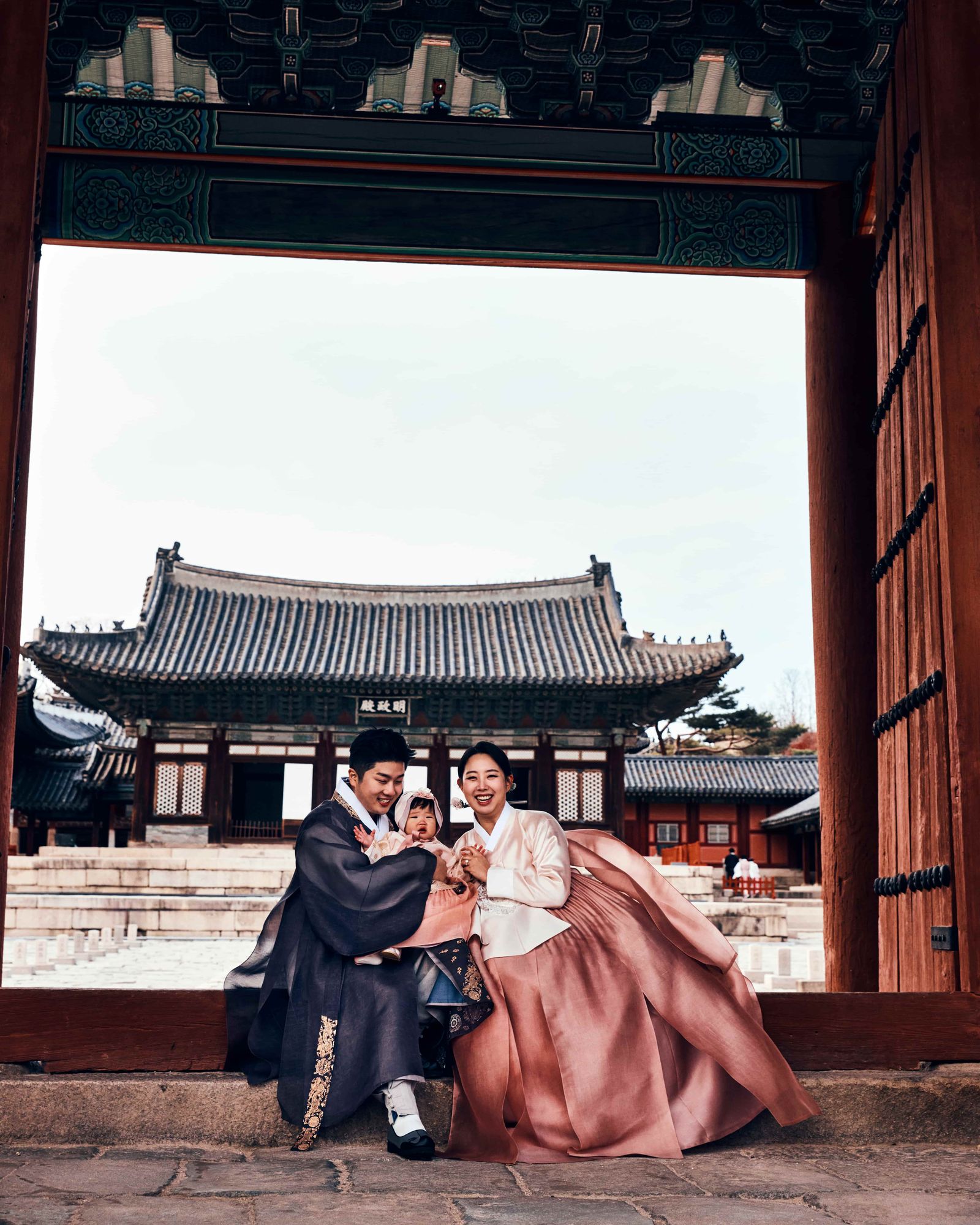
A hallyu and hanok walking tour itinerary should naturally transition from the quietude of Bukchon to the majesty of Gyeongbokgung. The royal palace architecture here is a masterclass in Joseon Dynasty heritage, featuring expansive courtyards and the iconic Gyeonghoeru Pavilion. To truly immerse yourself, participate in the local custom of Gyeongbokgung hanbok rental. Wearing these traditional garments is not merely a photo opportunity; it is a way to bridge the gap between historical preservation and modern travel, as those in hanbok are granted free entry to the royal palaces. It is a poetic gesture that turns the visitor into a temporary part of the landscape.
The Hallyu Pulse: From Industrial Renewal to Pop Idols
If the palaces represent the city's soul, then Hallyu is its electric pulse. The global reach of Korean culture has reached a fever pitch, with fandoms totaling approximately 225 million people across 119 countries. This cultural wave isn't just about music; it’s about a lifestyle that encompasses fashion, beauty, and urban design.
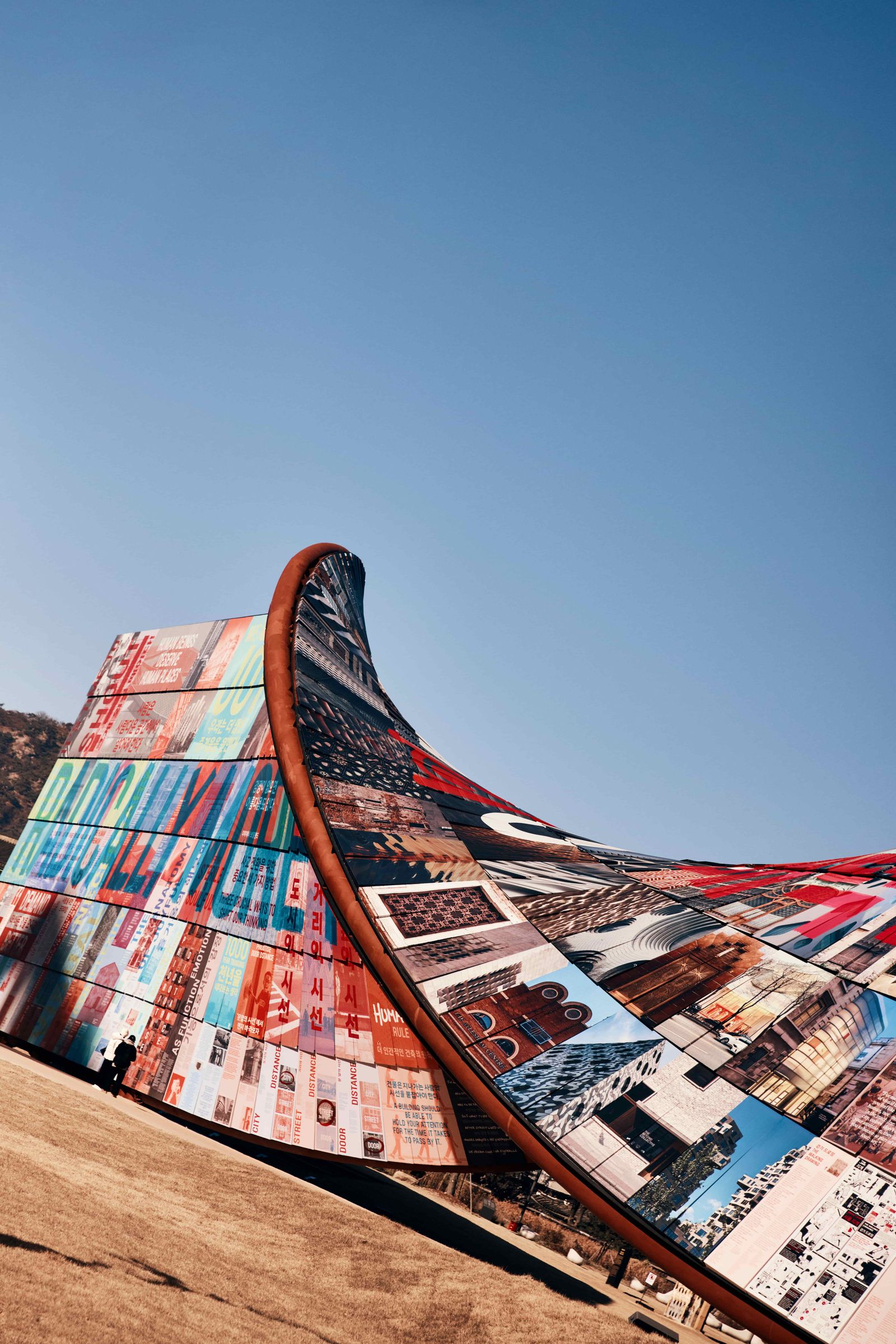
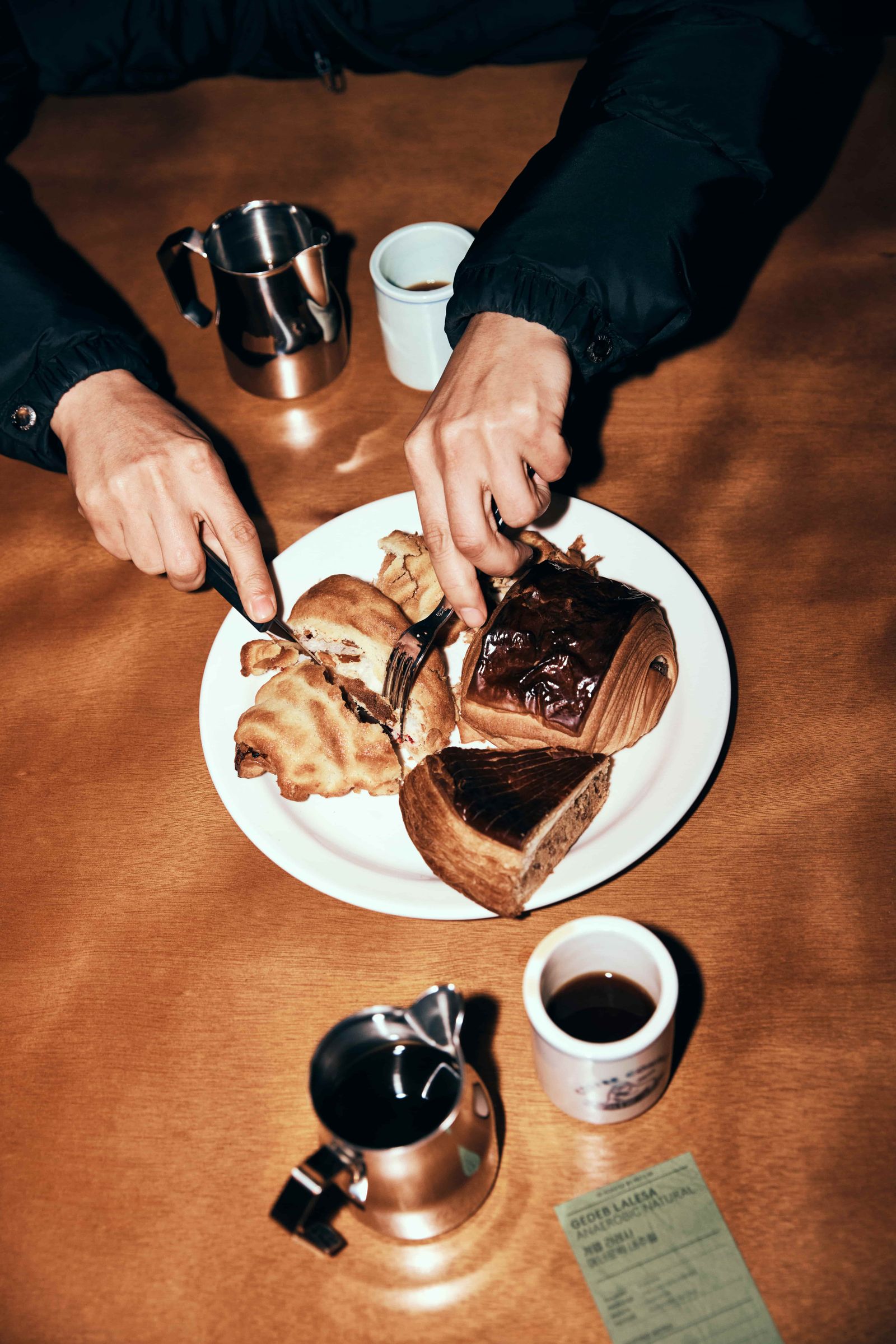
The most exciting manifestation of this in 2026 is Seongsu-dong. Once a gritty hub of shoe factories, it has undergone an industrial-to-creative urban renewal that has made it the "Brooklyn of Seoul." Here, industrial red-brick warehouses have been reimagined as high-concept galleries and cafes. Navigating a seongsu-dong trendy cafe and shop guide involves exploring spots like Cafe Onion, where the decaying concrete is juxtaposed against avant-garde pastry displays.
In the nearby districts of Gangnam and Myeongdong, K-beauty flagship experiential retail has transformed shopping into a multisensory journey. Brands are moving away from simple shelves toward interactive "playgrounds" where technology analyzes your skin tone and AI creates custom lip tints on the spot. This reflects the findings that 35.6 percent of foreign tourists in 2023 were aged 30 or younger, many of whom are driven by Hallyu tourist attractions to find the exact aesthetic seen in their favorite dramas.
2026 Art & Gastronomy: The Sophisticated Itinerary
As we look toward the seoul art exhibition schedule 2026 for tourists, the city is cementing its status as the art capital of Asia. The calendar is headlined by a major Damien Hirst exhibition at the MMCA (Museum of Modern Art and Contemporary Art), alongside a highly anticipated Do Ho Suh retrospective. The Leeum Museum of Art remains an essential stop, where contemporary installation art is displayed alongside priceless Korean porcelain and ceramics, creating a dialogue between centuries.
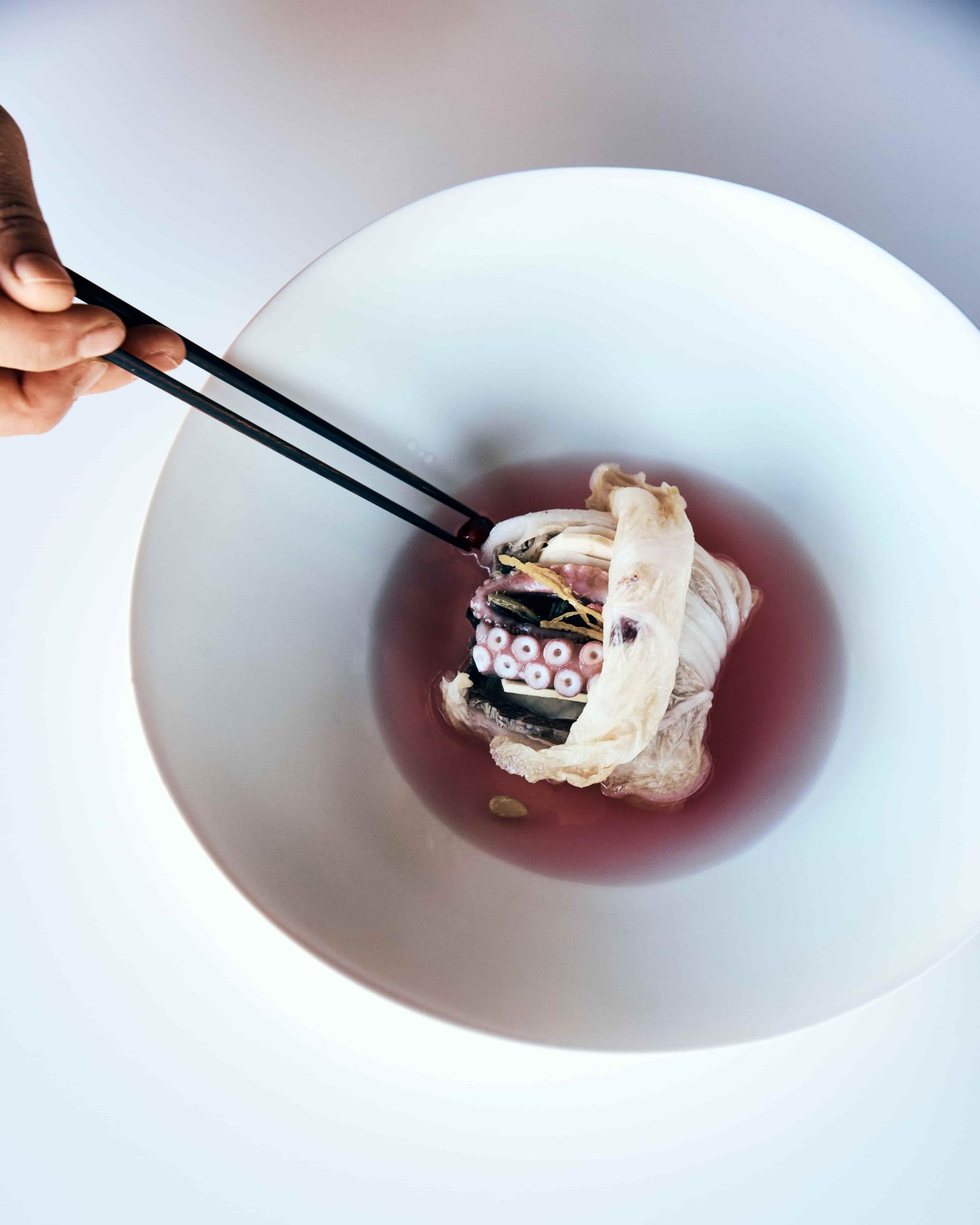
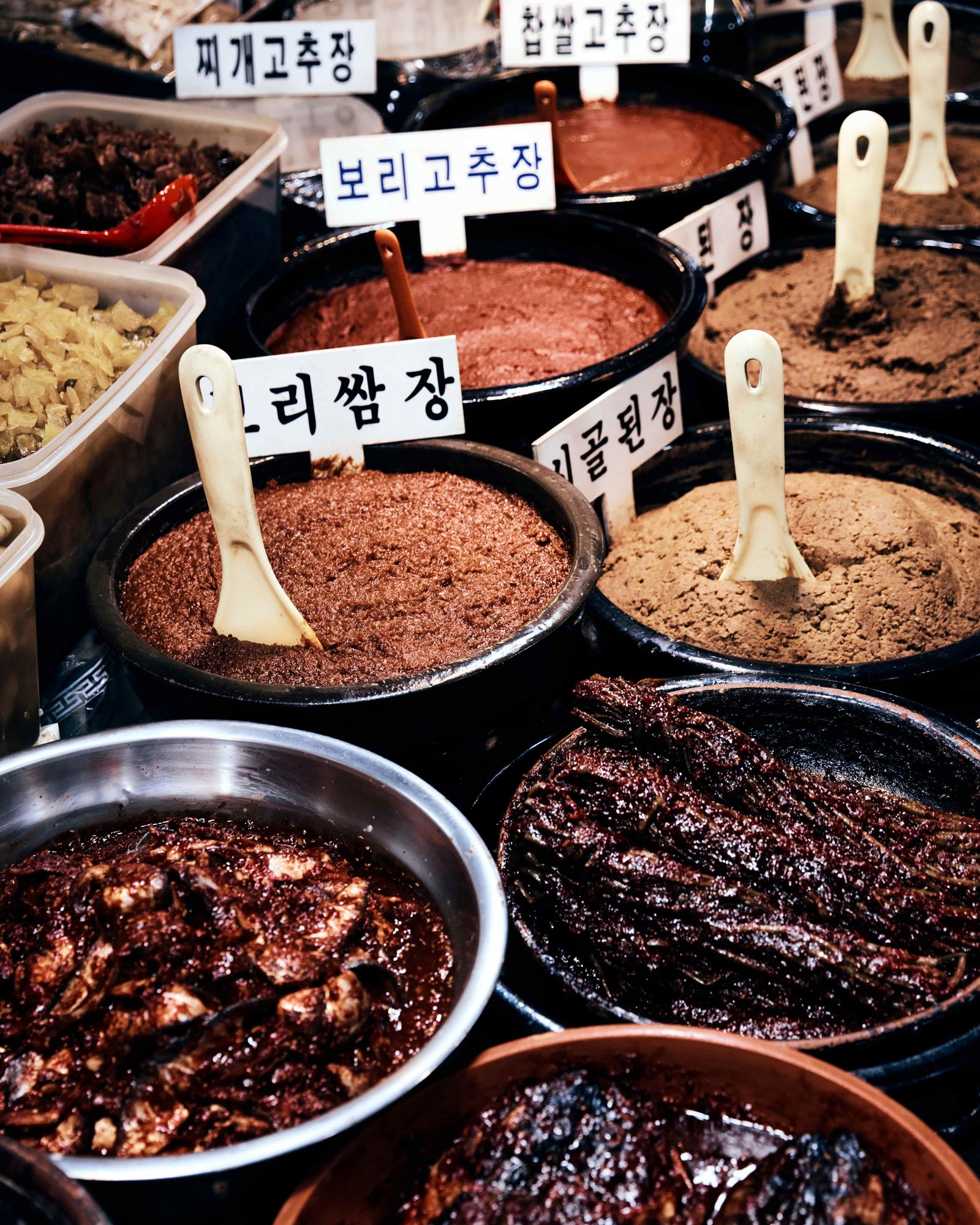
The culinary landscape has followed a similar path of sophisticated evolution. While many think of Korean BBQ as a casual affair, the Seoul fine dining and art itinerary in 2026 leads to the sleek streets of Gangnam. Here, Michelin-starred innovators are taking the earthy rhythm of traditional fermented jang pastes—soybean, chili, and salt—and refining them into sauces that accompany premium hanwoo beef gastronomy. This marbled, melt-in-your-mouth beef is the pinnacle of Korean luxury dining.
If you are planning your trip around Frieze Seoul 2026 visitor practical tips, remember that the most coveted tables are booked weeks in advance. Look for restaurants that specialize in sustainable craft mixology, where cocktails are infused with local herbs and traditional liquors like makgeolli or soju are reinvented for a modern palate.
Market Flavors and Metropolitan Relaxation
For a grounded contrast to the Michelin stars, one must head to the vibrant chaos of the markets. To find where to find authentic gwangjang market street food, simply follow the steam. This market is a cathedral of local life, where "Netflix-famous" stalls serve up mountains of kal-guksu (knife-cut noodles) and bindaetteok (mung bean pancakes). The atmosphere is thick with the scent of toasted sesame oil and the sound of merchants calling out their wares. It is here that you learn the social "Rounds" system—the tradition of moving from a heavy meal (il-cha) to a light snack (i-cha) and finally to a round of drinks (sam-cha).
After the high-octane energy of the markets, the city offers a unique form of metropolitan relaxation. While traditional public baths (jjimjilbangs) are a staple of local life, 2026 sees a rise in the best upscale jjimjilbang and spas in seoul. These modern sanctuaries, such as Cimer at Paradise City, offer themed saunas, infinity pools, and high-end wellness treatments that use Korean medicinal herbs. They provide the perfect bookend to a day spent navigating the bustling historic preservation districts and the neon-lit streets of the modern city.
FAQ
What should I know about dining etiquette in South Korea?
Respect for elders is paramount; wait for the oldest person at the table to lift their chopsticks before you begin eating. Unlike some other Asian cultures, it is generally considered polite to keep your rice bowl on the table rather than lifting it to your mouth. When pouring drinks for others, use two hands as a sign of respect, and if someone pours a drink for you, hold your glass with both hands.
Are there specific rules for visiting royal palaces in Seoul?
The most important practical tip is that wearing a full hanbok grants you free admission to the major palaces like Gyeongbokgung and Changdeokgung. While the atmosphere is welcoming, remember that these are historic sites; avoid loud behavior and stay on the designated paths. Some areas, like the Secret Garden at Changdeokgung, require a separate timed ticket and a guided tour, so booking in advance is highly recommended.
What are the basic Korean phrases every traveler should know?
Learning a few survival phrases will go a long way in building rapport with locals. Start with "Anyoung-haseyo" (Hello), "Kamsahamnida" (Thank you), and "Ol-ma-ye-yo?" (How much is it?). In restaurants, "Mul-ju-se-yo" (Please give me water) and "Ma-si-ssuh-yo" (It’s delicious) are always appreciated.
How do I dress appropriately for different occasions in Seoul?
Seoul is a very fashion-conscious city, and dressing well is a sign of respect. Casual wear is fine for daytime sightseeing, but avoid being overly revealing in religious or historic sites. For evening dining in Gangnam or visiting art galleries, aim for "smart casual" or "chic." If you plan to visit a upscale jjimjilbang or spa, remember that these are often gender-segregated and involve nudity in the bathing areas, though casual loungewear is provided for the common saunas.
Explore the Soul of Seoul
The evolution of Seoul is a masterclass in balance. It is a city that has managed to preserve its royal palace architecture and its quiet hanok alleys while simultaneously projecting a futuristic vision of pop culture and high art to the rest of the world. By following this Seoul culture guide, you are not just visiting a location; you are witnessing a culture that knows exactly where it came from and where it is going next. Whether you are tasting the traditional fermented jang pastes of a mountain temple or walking the industrial-to-creative streets of Seongsu, the soul of the city remains consistent: a vibrant, resilient, and endlessly creative spirit.