Quick Facts
- The Golden Rule: Use the 3-layer system of moisture-wicking base, insulating mid-layer, and waterproof outer shell.
- Rain Reality: Ketchikan averages more than 140 inches of rain annually, meaning water-resistant gear won't suffice.
- Glacier Logic: Expect temperatures to drop 10-15°F suddenly when your ship approaches a massive ice sheet for viewing.
- Footwear Tip: Break in your waterproof hiking boots or trail sneakers with at least 5 miles of walking before arrival.
- Optics Specs: Compact binoculars with 8x32 or 10x42 magnification offer the best balance for wildlife viewing.
- Cabin Hack: Most cabins are made of steel; use magnetic hooks to hang wet gear and organize your limited space.
Mastering your Alaska cruise packing list requires moving beyond bulky coats and focusing on a versatile Alaska cruise layering strategy for cold weather. By combining a moisture-wicking base like merino wool, a fleece mid-layer, and a waterproof shell, you can adapt to the Inside Passage's rapid temperature fluctuations ranging from 30°F to 70°F.
I’ve spent years scouting the rugged coastlines of the Last Frontier, and if there is one thing I’ve learned, it’s that the weather in the North doesn't care about your plans. Whether you are watching a humpback whale breach in the shimmering waters of the Inside Passage or trekking across a glacier near Juneau, your comfort depends entirely on what you have inside your suitcase. In 2024, the city of Juneau welcomed a record 1.73 million cruise passengers, and quite a few of them were likely shivering because they brought a single heavy parka rather than a technical system.
Mistake 1: Relying on a Single Heavy Winter Coat
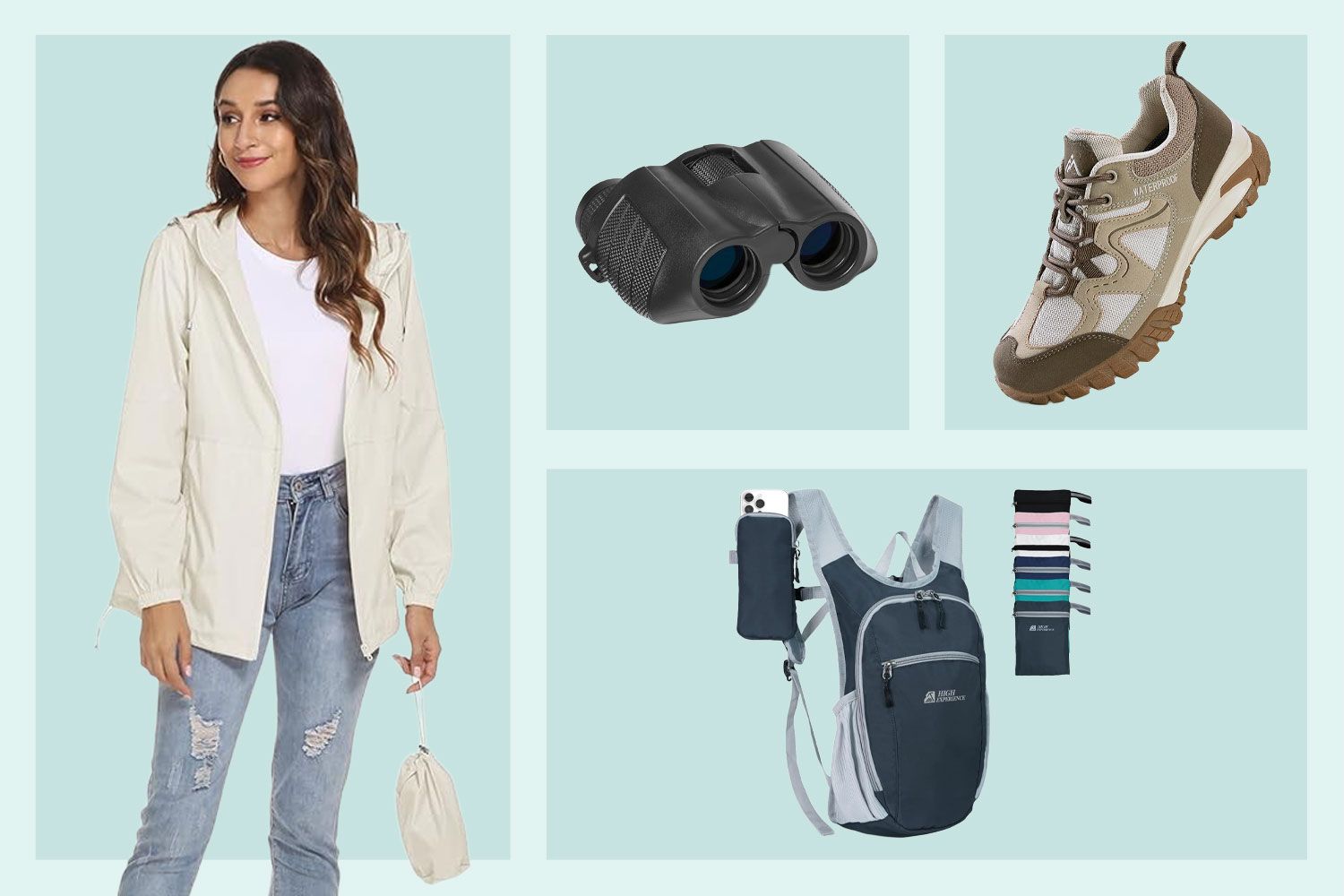
The biggest rookie mistake I see on every voyage is the "Big Parka Problem." Travelers pack a massive, heavy winter coat thinking they are heading to the North Pole. The reality is that daytime temperatures during the Alaska cruise season can fluctuate between 30 and 70 degrees Fahrenheit, necessitating a packing strategy focused on multiple lightweight layers to accommodate rapid weather shifts.
When you are standing on the deck for glacier calving viewing, a heavy coat feels great. But three hours later, when you’re walking through a sun-drenched street in Skagway, you’ll be sweating and lugging that five-pound coat around like a burden. Instead, follow the professional adventure editor’s blueprint:
| Layer | Material Recommendation | Purpose |
|---|---|---|
| Base Layer | Merino wool or synthetic polyester | Wicks sweat and moisture away from your skin. |
| Mid-Layer | Fleece jacket or a lightweight down puffer | Traps body heat for insulation without the bulk. |
| Outer Shell | High-quality waterproof (Gore-Tex or similar) | Blocks wind and keeps 100% of the rain out. |
A proper outer shell jacket should have a hood and be completely waterproof—not just "water-resistant." If you follow this strategy, you can easily shift into Alaska cruise packing list carry-on only tips by using packing cubes to compress these thinner, more versatile items.
Mistake 2: Bringing Standard Sneakers for Rainforest Shore Excursions
If your plan is to explore the misty trails around the Tongass National Forest, leave your white canvas sneakers at home. Ports like Ketchikan, a major port of call on Alaska cruise routes, average more than 140 inches of rain annually, making high-quality waterproof gear a more critical packing priority than bulky winter coats.
Standard sneakers focus on breathability, which in Alaska means they act like a sponge. Once your feet are wet, your day is ruined. I always recommend waterproof hiking boots for Alaska shore excursions because they provide the necessary ankle support for uneven glacial silt and the grip required for slick, moss-covered boardwalks.
If you prefer a lighter feel, trail sneakers with high-traction soles are a fantastic middle ground. Just ensure they feature a waterproof membrane. Dealing with damp docks and narrow mountain paths requires footwear that keeps you upright and dry. Remember the Marcus Rivera 5-mile rule: never bring brand-new boots on a cruise without breaking them in first, or you’ll spend your trip hunting for bandaids instead of watching whales.

Mistake 3: Leaving Binoculars to the Ship's Pros
While most cruise lines provide a few pairs of binoculars in public lounges or for specific whale watching excursions, they are often scratched, low-quality, or being used by someone else exactly when a bald eagle decides to land on a nearby spruce.
Alaska is a land of vast distances. That "little white speck" on the mountain is a mountain goat, and that "log" in the water is actually a group of sea otters. To really see the textures of the blue ice during glacier calving viewing, you need your own glass. I recommend compact binoculars for Alaska wildlife viewing with an 8x32 or 10x42 specification. These are light enough to hang around your neck all day without causing a strain but powerful enough to catch the spray of a blowhole from half a mile away.
Mistake 4: Overpacking Formal Wear and Ignoring 'Alaska Casual'
The days of needing a tuxedo for every dinner are largely over, especially in the 2026 Alaska cruise market. Most modern ships have pivoted toward "Alaska Casual." This means you can wear a nice pair of jeans and a high-quality sweater or flannel virtually anywhere on the vessel.
Formal wear takes up a massive amount of room in your suitcase. If you insist on bringing a suit or a gown, aim for one outfit that can be accessorized differently for two nights. Otherwise, use that space for your core Alaska cruise essentials like a lightweight daypack (10-15 liters) or extra wool socks. Your cabin organization will thank you when you’re not tripping over garment bags in a 170-square-foot room.
Mistake 5: Forgetting Season-Specific Comfort Items
There are a few small items that make a massive difference in your daily quality of life, yet they represent common Alaska cruise packing mistakes because they aren't "outdoor gear" in the traditional sense.
- Sleep Masks: If you are cruising in June or July, the Midnight Sun is real. It stays light well past 10 PM, and if your cabin has even a sliver of window light, you’ll struggle to sleep without a mask.
- Motion Sickness Remedies: The Inside Passage is generally calm, but moving between ports or heading toward the Gulf of Alaska can get choppy. Always pack motion sickness essentials for Alaska cruise waters, such as ginger lozenges, acupressure wristbands, or prescription patches.
- Polarized Sunglasses: Glacial glare is incredibly intense. Standard fashion sunglasses won't cut the reflection off the water and ice the way polarized lenses will. Protective eyewear is a must to prevent eye fatigue during long days on the water.
Mistake 6: Neglecting the Cabin Power and Laundry Logistics
Cruise ship cabins, particularly on older vessels, are notorious for having only one or two usable power outlets. In the age of cameras, drones, phones, and tablets, that's not enough. A pro tip is to bring a European power adapter; most ships have one US plug and one EU plug. By using an adapter, you effectively double your charging capacity without needing a bulky (and often banned) power strip.
For those attempting the Alaska cruise packing list carry-on only route, laundry becomes your secret weapon. Instead of packing 14 days of clothes, pack for 7 and use detergent sheets. They are flat, lightweight, and won't leak in your bag. You can wash your moisture-wicking base layers in the sink, and they’ll be dry by morning. Also, consider bringing magnetic hooks; since ship walls are steel, these hooks are perfect for drying wet gear or hanging your waterproof hiking boots off the floor.
Mistake 7: Failing to Test Gear Before Departure
This is the ultimate adventure editor's rule of thumb: never trust gear that hasn't been "field-tested." I have seen hikers arrive in Juneau with a brand-new outer shell jacket only to find that the "waterproof" coating was defective.
Take your jacket into the shower or stand in the backyard with a hose. If the water doesn't bead off instantly, you need a different jacket. Check the seals on your dry bag for cameras—you don’t want to find a leak after your $2,000 mirrorless setup gets splashed on a whale watching boat. Preparation is the difference between an expedition of a lifetime and an expensive lesson in dampness.
FAQ
What are the essentials for an Alaska cruise packing list?
The core essentials include a waterproof outer shell, a mid-layer like a fleece or puffer, a moisture-wicking base layer (merino wool), and waterproof footwear. Beyond clothing, you should prioritize compact binoculars, polarized sunglasses, and a lightweight daypack for shore excursions.
What kind of shoes should I wear on an Alaska cruise?
While on the ship, standard sneakers or casual shoes are fine. However, for shore excursions, you should wear waterproof hiking boots or trail sneakers with high-traction soles. The terrain in ports like Ketchikan and Juneau is often muddy, wet, and slippery.
How many layers of clothing do I need for Alaska?
You typically need three layers. A base layer to manage sweat, a mid-layer to provide insulation and trap heat, and an outer shell to protect you from wind and rain. This system allows you to adapt to temperature shifts between 30°F and 70°F.
Are binoculars necessary for an Alaska cruise?
Yes, binoculars are highly recommended. While you can see glaciers and mountains with the naked eye, a personal pair of optics allows you to see wildlife like eagles, whales, and bears that would otherwise be distant specks. 8x32 or 10x42 magnifications are ideal.
Do I need a swimsuit for an Alaska cruise?
Surprisingly, yes. Most ships have heated pools and hot tubs that are very popular when sailing through the chilly air near glaciers. Many ships also have world-class spas and saunas which are perfect for warming up after a rainy port day.
When you finish your final Alaska cruise packing list check, remember that the goal is flexibility. Alaska is a destination of extremes, and if you pack with the layers and gear I've mentioned, you’ll spend your time looking at the calving glaciers rather than looking for a heater. Safe travels into the wild north!