Quick Facts
- Primary Species: King (Chinook), Sockeye (Red), Coho (Silver), Pink (Humpy), and Chum (Dog).
- Peak Timing: June through August is the golden window; Sockeye peak in July, while Kings are best in June.
- Top Locations: Bristol Bay watershed for volume and the Kenai Peninsula for accessibility and size.
- Trip Costs: All-inclusive remote lodges typically range from $3,000 to $10,000 per person per week.
- Family Focus: Fly-in lodges in southwest Alaska provide the safest and most immersive multi-generational environments.
- Conservation: Guided trips emphasize catch-and-release to preserve the ecosystem for future generations.
Alaska salmon fishing is more than a sport; it is a pilgrimage. For those planning a multi-generational Alaska fishing trip, the journey usually begins in the Bristol Bay watershed or the Kenai Peninsula. The best time for Alaska salmon fishing is from June to August, with King salmon peaking in June and Sockeye runs dominating July in regions like Bristol Bay.
Landing in the Wild: Luxury Lodges and Logistics
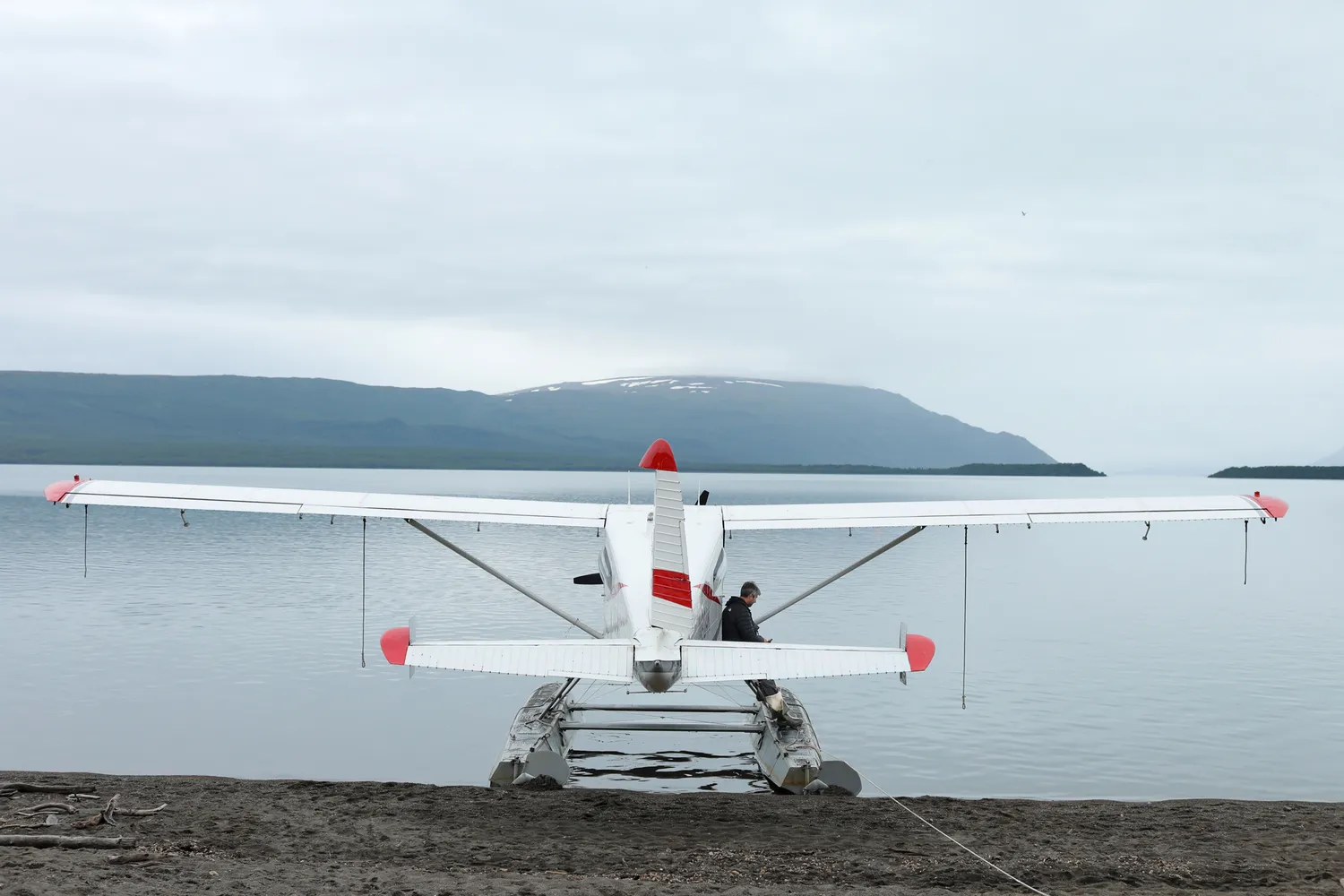
There is a specific sound that signals the start of a true Alaskan adventure: the rhythmic hum of a DeHavilland Beaver float plane. As a parent, I am always looking for that "reset" button—the moment when the iPads go dark and the focus shifts to the horizon. When you land on a remote lake in the Lake Iliamna region, the silence that follows the engine’s cut is profound.
Luxury fishing lodges in Alaska offer more than just high-thread-count sheets; they provide a vital base of operations in a roadless wilderness. For families, I always recommend choosing a lodge with home-river access. While many outposts rely on daily fly-outs, weather in Alaska can be fickle. Having a world-class river right at the foot of the lodge’s wader room ensures that even if the clouds move in, the fishing doesn’t stop.
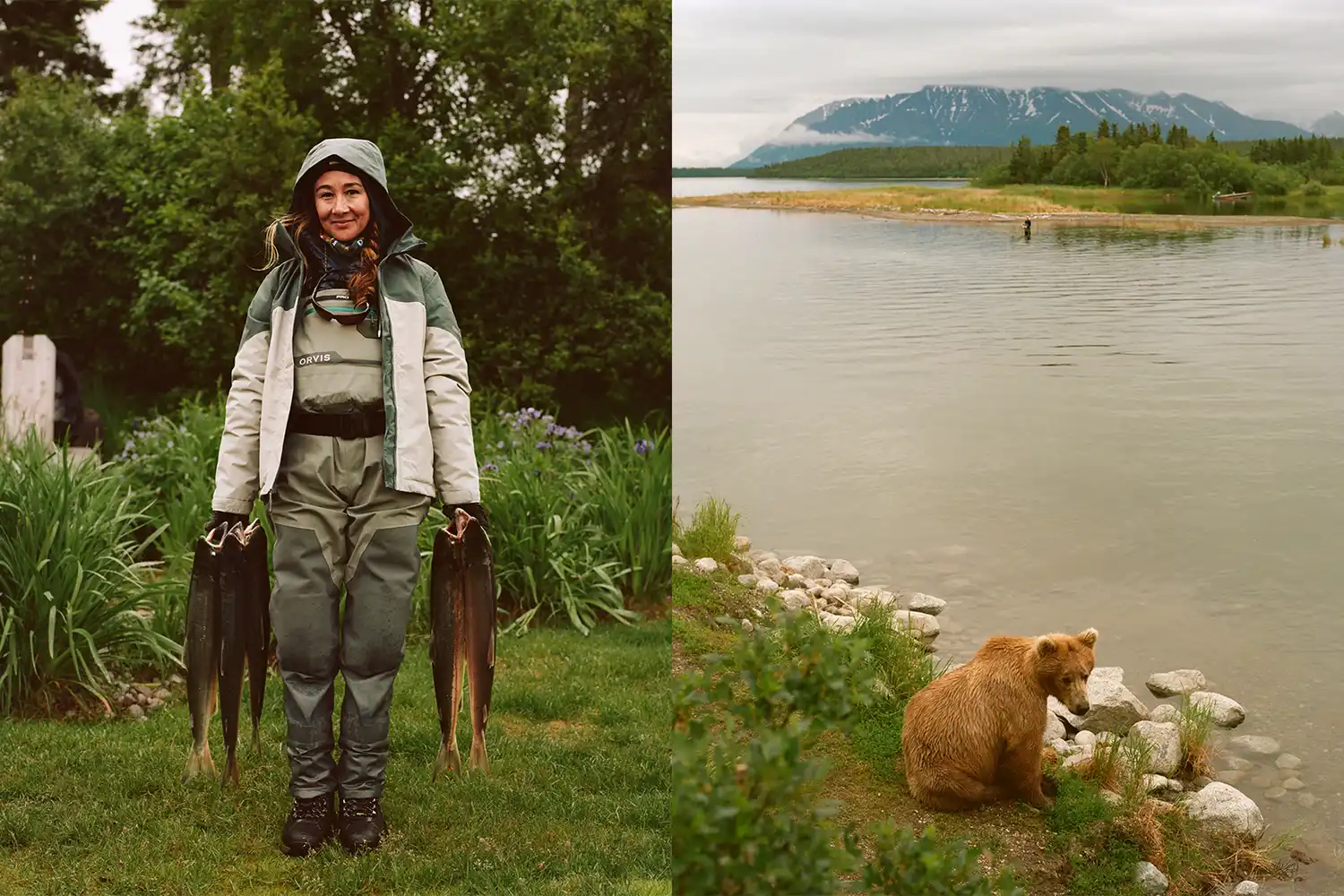
From a practical perspective, what to expect at a remote fly-in fishing lodge in Alaska is a blend of rugged outdoor discipline and communal warmth. You will spend your mornings in the wader room, a specialized mudroom where guides help your kids into Gore-Tex bibs and boots. Evenings are spent in the great room, sharing stories by a stone fireplace. These lodges serve as a bridge, making the intimidating Southwest Alaska wilderness feel like a safe, shared backyard.
Timing the Run: Kings versus Sockeye
Understanding the rhythm of the river is essential for a successful trip. The best time for Alaska salmon fishing varies by species and region, with peak runs typically occurring between June and August. If your heart is set on the giant Chinook salmon—the monarchs of the river—you need to time your visit for June and early July. King salmon often peak in June and July on rivers like the Nushagak and Kasilof. These fish are powerful, sometimes exceeding 50 pounds, and require patience and heavy tackle.
However, if you are traveling with younger children or beginners, sockeye salmon runs are the bread and butter of the Bristol Bay watershed from late June through July. Sockeye, also known as Reds, are celebrated for their incredible volume and acrobatic energy. Any Bristol Bay salmon fishing guide will tell you that a sockeye run is a spectacle of nature; the water literally turns red with thousands of fish pushing upstream.
Species Comparison for Families
- King Salmon (Chinook): The ultimate prize. They are the largest and strongest, but the daily catch limits are strict, and the "hook-up" rate can be lower. Best for older teens or parents looking for a trophy fight.
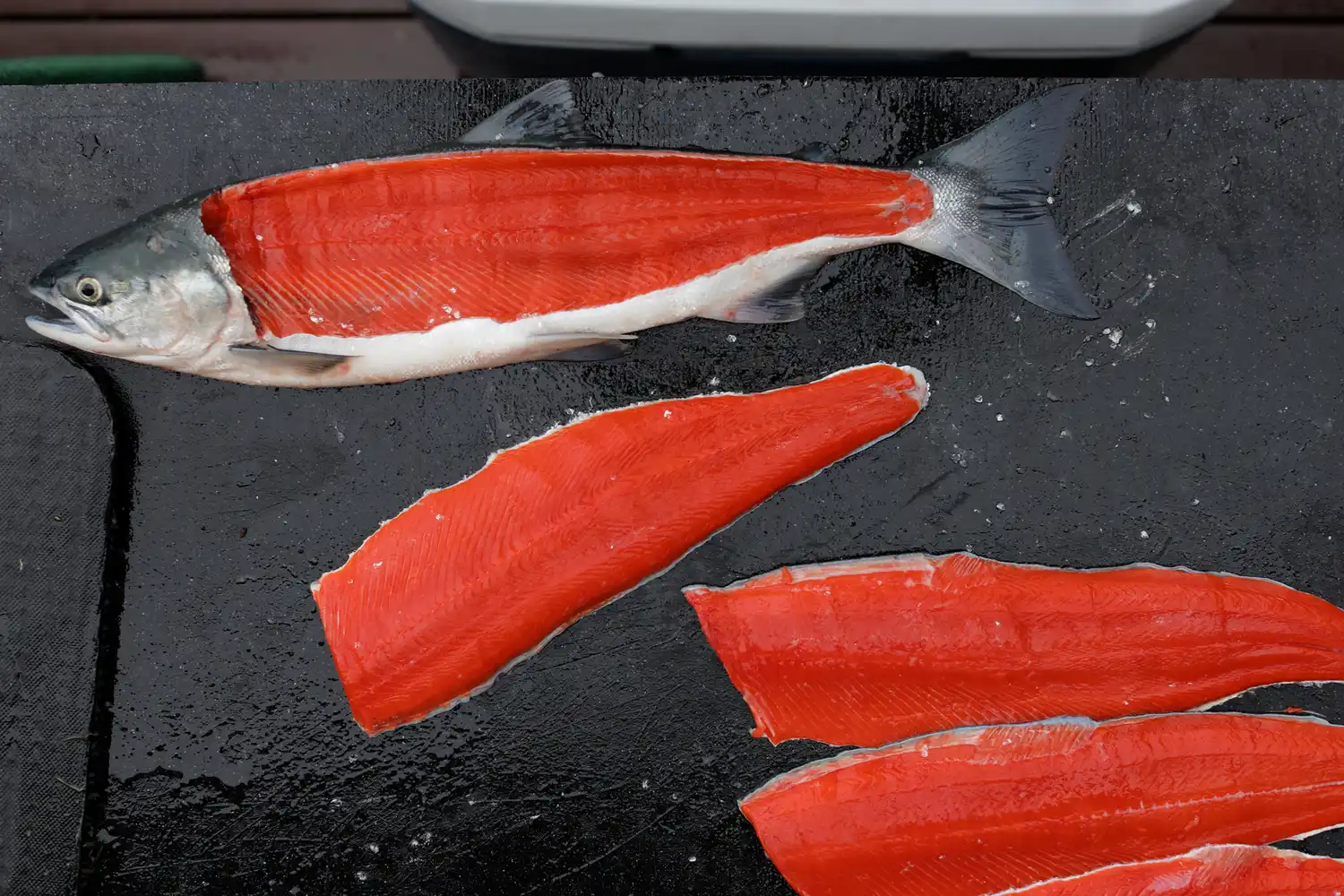
- Sockeye Salmon (Red): Offer high-volume opportunities for anglers of all skill levels. They are arguably the best-tasting salmon and provide constant action, which is perfect for keeping kids engaged.
- Coho Salmon (Silver): Arriving later in August and September, Silvers are known for their spectacular jumps and willingness to take a fly. They are the "fun" salmon of the late season.
The Technical Fight: From ‘Wrecking Balls’ to Light Tackle
Fishing in Alaska requires a shift in mindset. It isn’t just about casting; it’s about understanding the spawning run ecology. When you are targeting sockeye, your guide might teach you the "flossing" technique, often using a "wrecking ball" weight system to keep your line at the specific depth where the fish are traveling.
For those looking at how to catch sockeye vs king salmon in Alaska, the difference in gear is significant. King salmon require 10-class fly rods or heavy-duty baitcasting reels paired with high-test braided lines. You aren’t just fishing; you are in a tug-of-war with a creature that has spent years battling the currents of the North Pacific.
Essential Gear List for River Salmon Fishing
- Waders and Boots: Breathable chest-high waders are a must. Felt-soled boots are often restricted in certain areas to prevent invasive species spread, so check local regulations.
- Polarized Sunglasses: Essential for spotting fish in the varying light of the Alaskan sky and protecting eyes from errant hooks.
- Layered Clothing: Use synthetic or wool base layers. Even in July, the morning mist on a river like the Kvichack can be bone-chilling.
- Specialized Tackle: While lodges provide most gear, if you bring your own, focus on heavy-duty reels with sealed drag systems to withstand the silt and the strength of the fish.
If you find yourself on the Kasilof River, remember these Kasilof River salmon fishing tips for beginners: the current can be swifter than it looks. Always stay close to your guide, and focus on the "seams"—the areas where fast water meets slow water—as this is where tired salmon like to rest.
Legacy on the Water: Passing the Rod
As a parent, the most poignant part of the trip isn’t the number of fish in the net; it’s the realization of how fragile this industry is. During my last trip, I spoke with a guide about the sustainability of these runs. It’s a sobering reality that the average age of commercial fishing permit holders in Alaska has increased from 40 years old in 1980 to approximately 50 years old today. This demographic shift, often called the "graying of the fleet," highlights why recreational tourism and conservation are so important.
The statistics tell a story of regional change. Between 1975 and 2016, the percentage of rural local fishing permits in Alaska held by young fishermen aged 40 and under was nearly cut in half, falling from approximately 50% to roughly 25%. Furthermore, rural Alaskan communities have seen a 30% reduction in locally held commercial fishing permits since the state began limiting entry in 1975, reflecting a loss of local access to the industry across generations.
By planning a multi-generational Alaska fishing trip, we aren't just taking a vacation; we are investing in the value of these wild spaces. Teaching a child catch-and-release practices ensures they understand that the salmon’s journey home to spawn is more important than a photo on a phone. We are teaching them to let go—to value the resource more than the harvest.
Planning Your Expedition: Costs and Regulations
Planning an expedition of this magnitude requires lead time. I recommend booking at least 9 to 12 months in advance, especially for high-end outposts on the Kvichak River or near Lake Iliamna.
Budgeting for Your Trip
- Remote All-Inclusive Lodges: These range from $5,000 to $10,000 per person and typically include bush pilot services, gear, meals, and professional guides.
- Road-Accessible Trips: On the Kenai Peninsula, you can find more budget-friendly options starting around $300-$500 per day for guided river excursions, plus lodging.
- Licensing: You must navigate alaska salmon fishing regulations for non-residents before arriving. A non-resident 7-day fishing license is roughly $70, but if you are targeting King Salmon, you must purchase a separate King Salmon Stamp, which adds another $75.
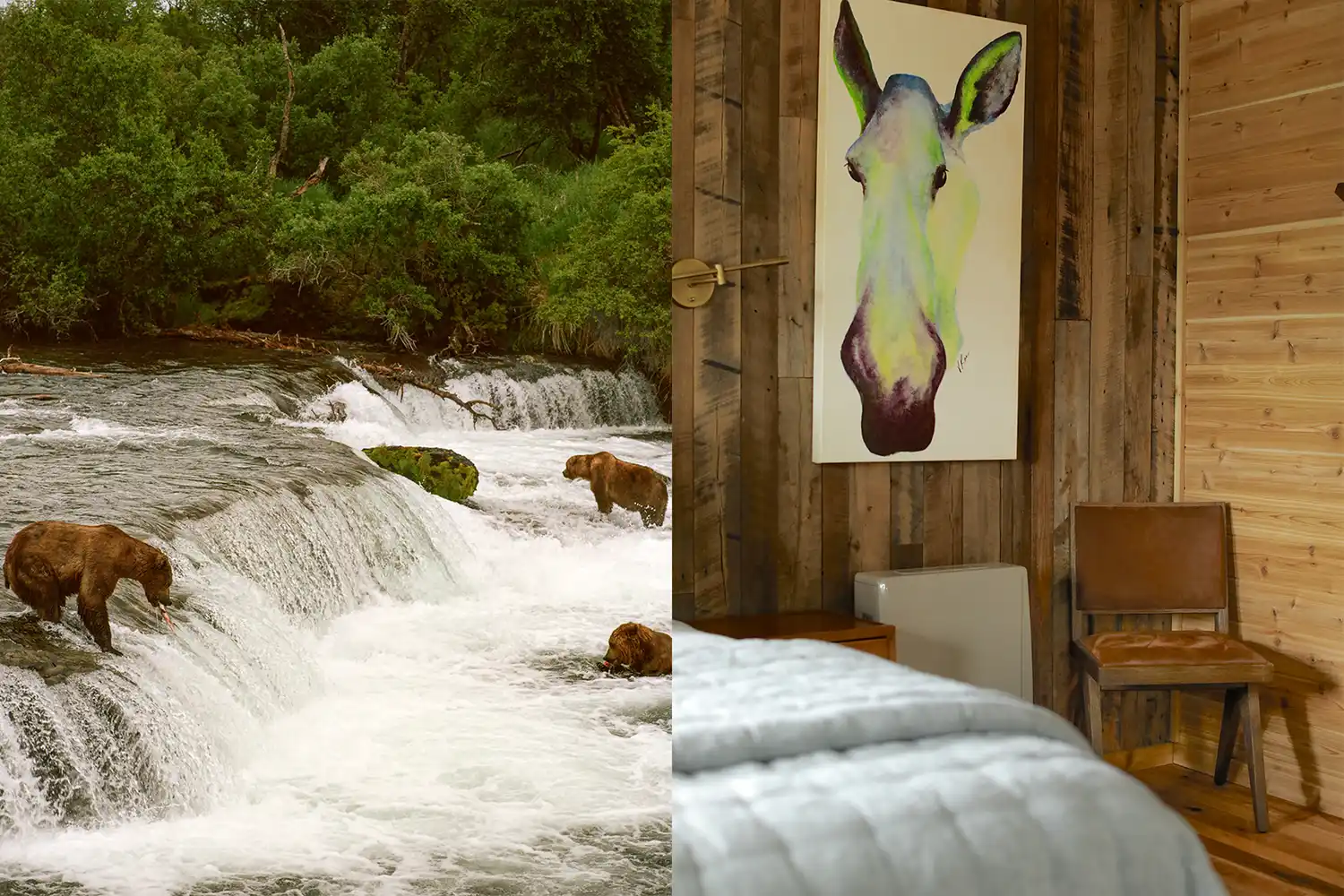
Utilizing a guided service is not just about finding fish; it is about safety and legality. Guides ensure compliance with strict river-specific regulations that can change mid-season based on fish counts. Many lodges also offer non-fishing excursions such as float plane tours and bear photography in nearby Katmai National Park, making the trip enjoyable for family members who might prefer a camera over a rod.
FAQ
When is the best time of year for salmon fishing in Alaska?
The peak season is from June through August. June and July are best for sockeye and king salmon, while August and September offer excellent action for silver (coho) salmon.
What month is best for King Salmon fishing in Alaska?
June is widely considered the best month to catch king salmon in Alaska. The "King Run" typically begins in late May and peaks between mid-June and early July across major river systems like the Kenai and Nushagak.
Where is the best place to go salmon fishing in Alaska?
The Bristol Bay watershed is world-renowned for sockeye salmon volume. For those seeking large king salmon, the Kenai Peninsula and the Kasilof River are iconic destinations. Remote fly-in fishing lodges in southwest Alaska provide the most pristine, "roadless" wilderness experience.
How much does an Alaska salmon fishing trip cost?
Costs vary significantly based on the level of luxury. A high-end, all-inclusive fly-in lodge typically costs between $6,000 and $10,000 per week. More accessible, road-based trips on the Kenai Peninsula can be done for $2,500 to $4,000 per person, including lodging and daily guides.
What are the five types of salmon in Alaska?
The five species of Pacific salmon found in Alaska are King (Chinook), Sockeye (Red), Coho (Silver), Pink (Humpy), and Chum (Dog). Each species has a unique timing for its spawning run and offers a different challenge for anglers.
Start Your Alaska Adventure
Alaska salmon fishing is a transformative experience for families. Whether you are standing in the middle of a rushing river in the Bristol Bay region or watching a float plane navigate the Alaskan skies, you are participating in a cycle as old as the mountains themselves.
If you are ready to begin, start by researching a Bristol Bay salmon fishing guide who specializes in family-style hospitality. These professionals don’t just put your kids on fish; they teach them about the delicate pulse of the northern wilderness. It is an investment in your family’s legacy—a story of adventure, connection, and the beautiful art of letting go.