Quick Facts
- Global Rank: 4th most enticing food destination (Condé Nast 2025)
- City Spotlight: Hanoi, World's Best Culinary City Destination 2024
- Daily Food Budget: $25-$30 USD for high-quality street food
- Recommended Duration: 11-12 days for a full North-to-South itinerary
- Key Experience: Scooter-based tours for navigating hidden neighborhood gems
- Transformative Factor: Dishes act as historical narratives of resourcefulness
Vietnam isn't just a destination; it’s a revelation. Recently ranked as the world’s fourth most enticing food destination in 2025, vietnam food tours offer more than just a meal—they offer a transformative immersion into history and culture. By exploring everything from Michelin-recognized northern recipes to the bustling street-side culinary immersion of the south, travelers connect with a 1,000-year history told through authentic family recipes.
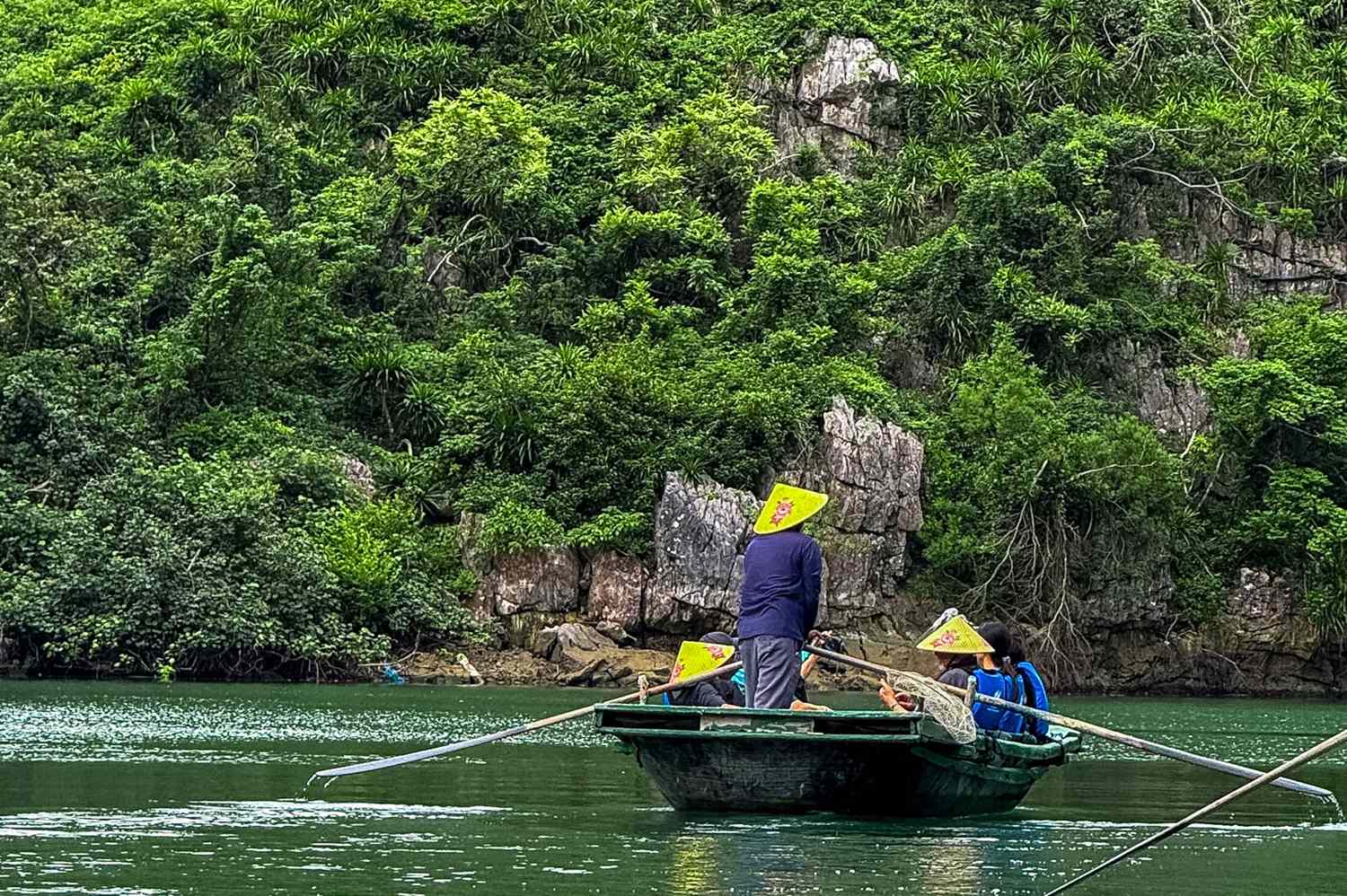
The Northern Soul: Tradition and Michelin Stars in Hanoi
To understand the culinary soul of this nation, one must begin in the mist-shrouded streets of the north. Hanoi, which was crowned as the World's Best Culinary City Destination 2024, serves as a living museum of flavor. Here, the gastronomy is characterized by a refined subtlety, a stark contrast to the bold spices of the center or the sweetness of the south.
In the Hanoi Old Quarter, the morning ritual begins not with a rush, but with the steady clink of a spoon against glass. This is the home of traditional egg coffee, a drink born in the 1940s during a dairy shortage. When fresh milk was a luxury few could afford, a bartender at the Sofitel Legend Metropole whisked egg yolks into a creamy meringue to top his coffee, creating a drink that tastes like liquid tiramisu. Joining food tours in hanoi vietnam often starts with this sip of history before diving into the labyrinthine wet market exploration where vendors trade in artisanal herbs that the locals treat as medicine.
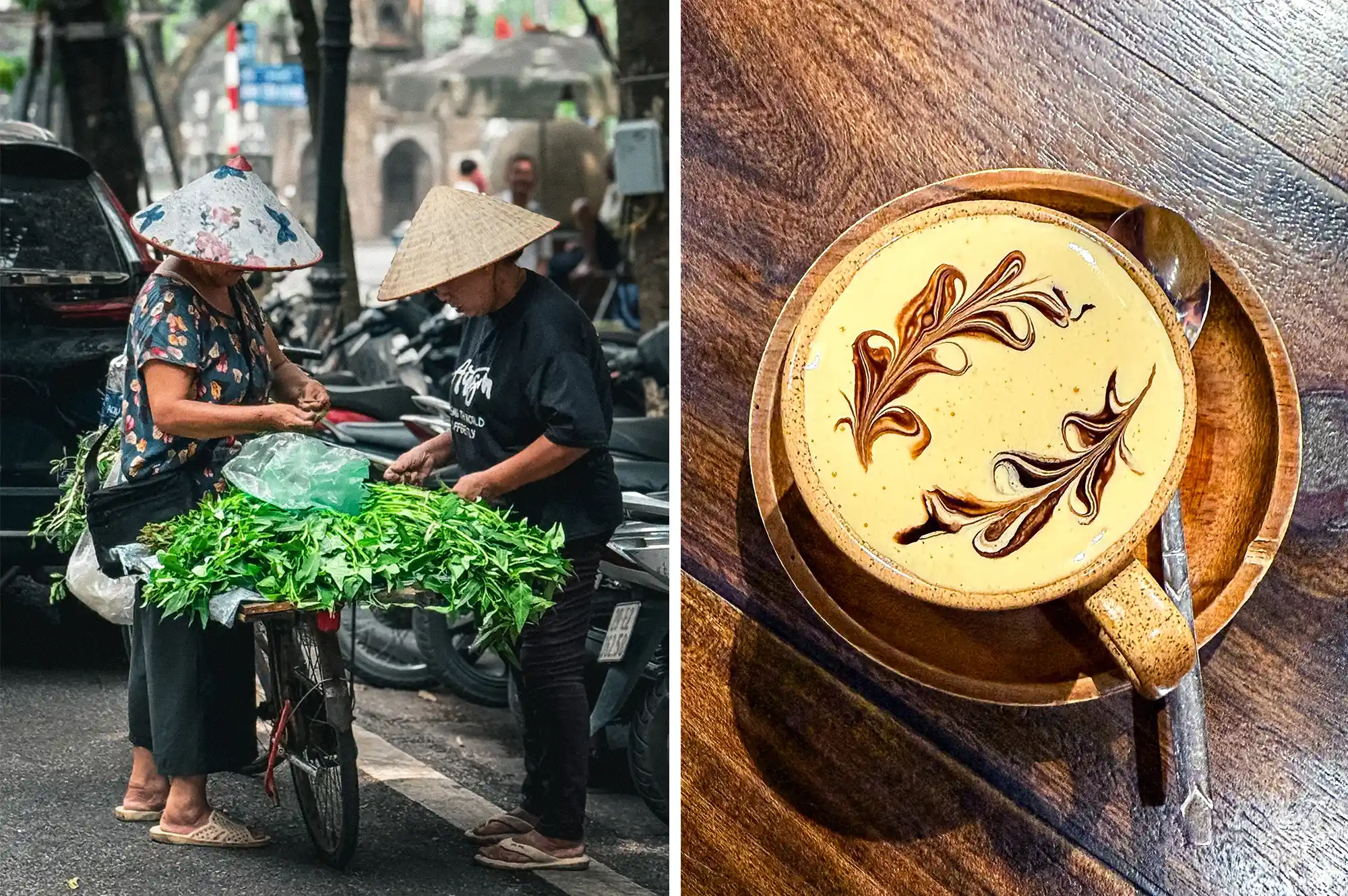
As you walk through the narrow "36 Streets," the scent of charred pork signals the presence of bún chả. While many flock to Bun Cha Huong Lien—famed for the "Obama combo"—savvy travelers on a vietnam food tour hanoi might seek out smaller, family-run stalls where the smoke from the charcoal grills has seasoned the walls for generations. For those who prefer a seated experience with a dash of prestige, the city has seen a surge in Michelin-recognized eateries. Tam Vi, for instance, offers a step back in time with its antique wooden furniture and a menu that honors the northern home-cooked meal, emphasizing seasonal vegetables and delicate freshwater fish.
Deep Dive: The Alchemy of Pho In the north, Pho is an exercise in restraint. The broth is clear, savory, and focused on the essence of beef and charred ginger, undisturbed by the mountains of herbs and sauces found in the south. It is a dish that demands patience, often simmered for over twelve hours to achieve its crystalline depth.
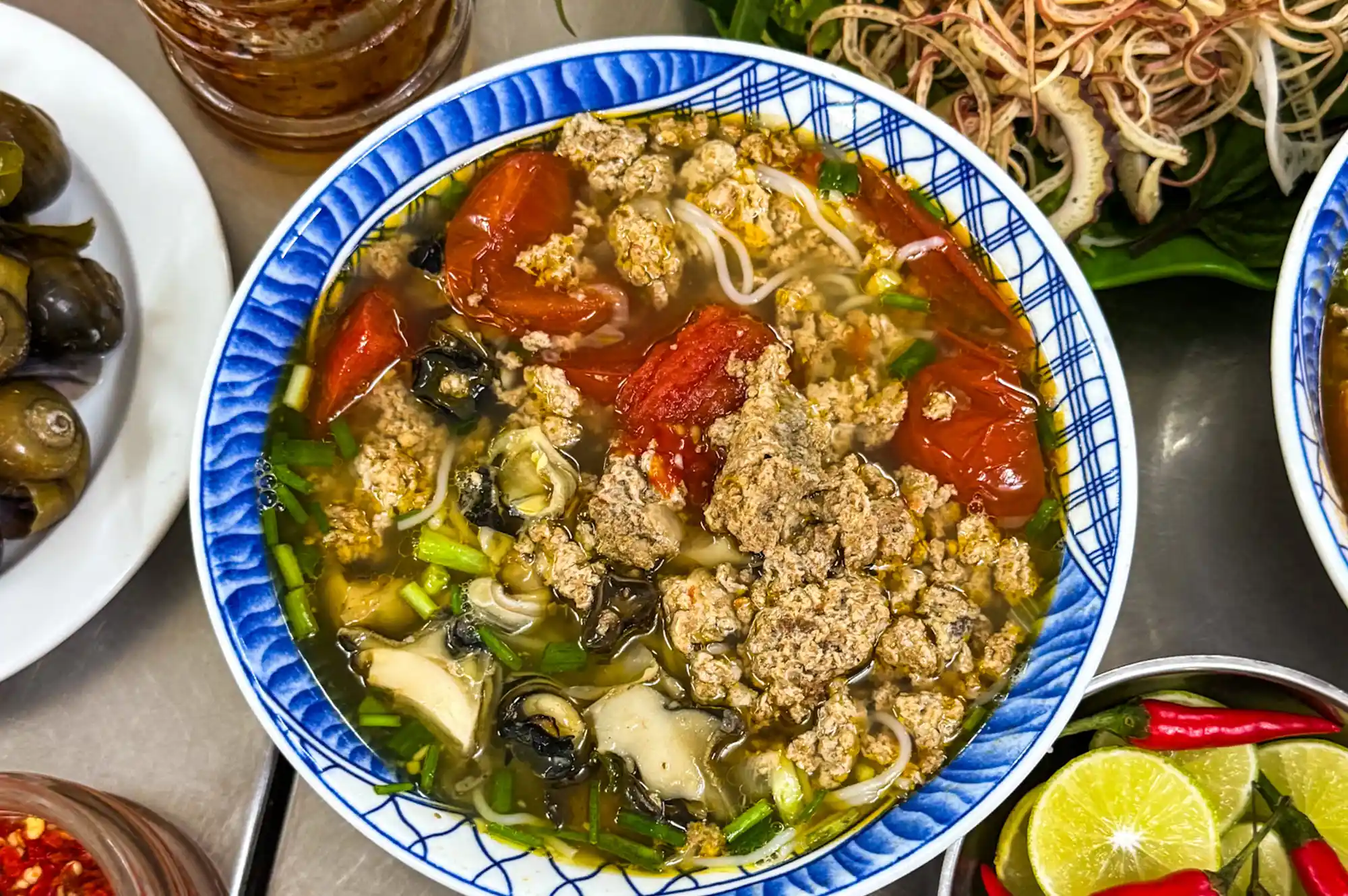
Central Heritage: Imperial Flavors and UNESCO Sites
Traveling southward, the landscape shifts from the stoic mountains of the north to the vibrant, lantern-lit coast of the center. This is the heart of gastronomic tourism in Vietnam, centered around the imperial city of Hue and the ancient port of Hoi An.
Hue’s cuisine is a legacy of the Nguyen Dynasty. The emperors were famously picky eaters, demanding dozens of small, aesthetically perfect dishes for every meal. This gave rise to the "royal cuisine" style, featuring spicy, complex flavors and intricate presentations. A culinary tour vietnam itinerary for foodies is incomplete without trying Bún Bò Huế, a lemongrass-forward beef noodle soup that carries a much heavier punch of chili and shrimp paste than its northern cousin.
Just a short drive away, the Hoi An Ancient Town offers a different kind of magic. This UNESCO heritage dining destination was once a bustling international port, and its food reflects this global heritage. Cao Lau, the town’s signature noodle dish, is a fascinating fusion of Japanese, Chinese, and Vietnamese influences. Legend says the noodles must be soaked in water from the ancient Ba Le well and mixed with ash from local wood to achieve their unique chewy texture.
For those wanting to take a piece of Vietnam home, small group culinary tours vietnam often include hands-on cooking classes at prestigious schools like Red Bridge. Here, you can learn the art of the rice paper roll and the delicate balance of the five elements (wood, fire, earth, metal, and water) that underpin every Vietnamese dish. Between bites, don't miss the modern trend of salt coffee, where the addition of sea salt enhances the cacao-like notes of Vietnamese robusta beans.
Southern Evolution: Scooter Culture and Delta Feasts
If Hanoi is the soul, then Ho Chi Minh City—still affectionately called Saigon by locals—is the heartbeat. The energy here is infectious, and the best vietnam food tours navigate this sprawling metropolis via the most authentic mode of transport: the scooter.
A saigon street food tour by scooter is an adrenaline-fueled journey through hidden alleys and vibrant District 4 apartment complexes. Behind the handlebars of a vintage Vespa or perched behind an Ao Dai-clad rider, you discover a city that never stops eating. This is where the French-Vietnamese fusion is most apparent, from the crusty baguette of a Banh Mi to the rich pâté that lines it. Saigon's palate leans toward the sweet and spicy, influenced by the tropical abundance of the nearby Mekong Delta.
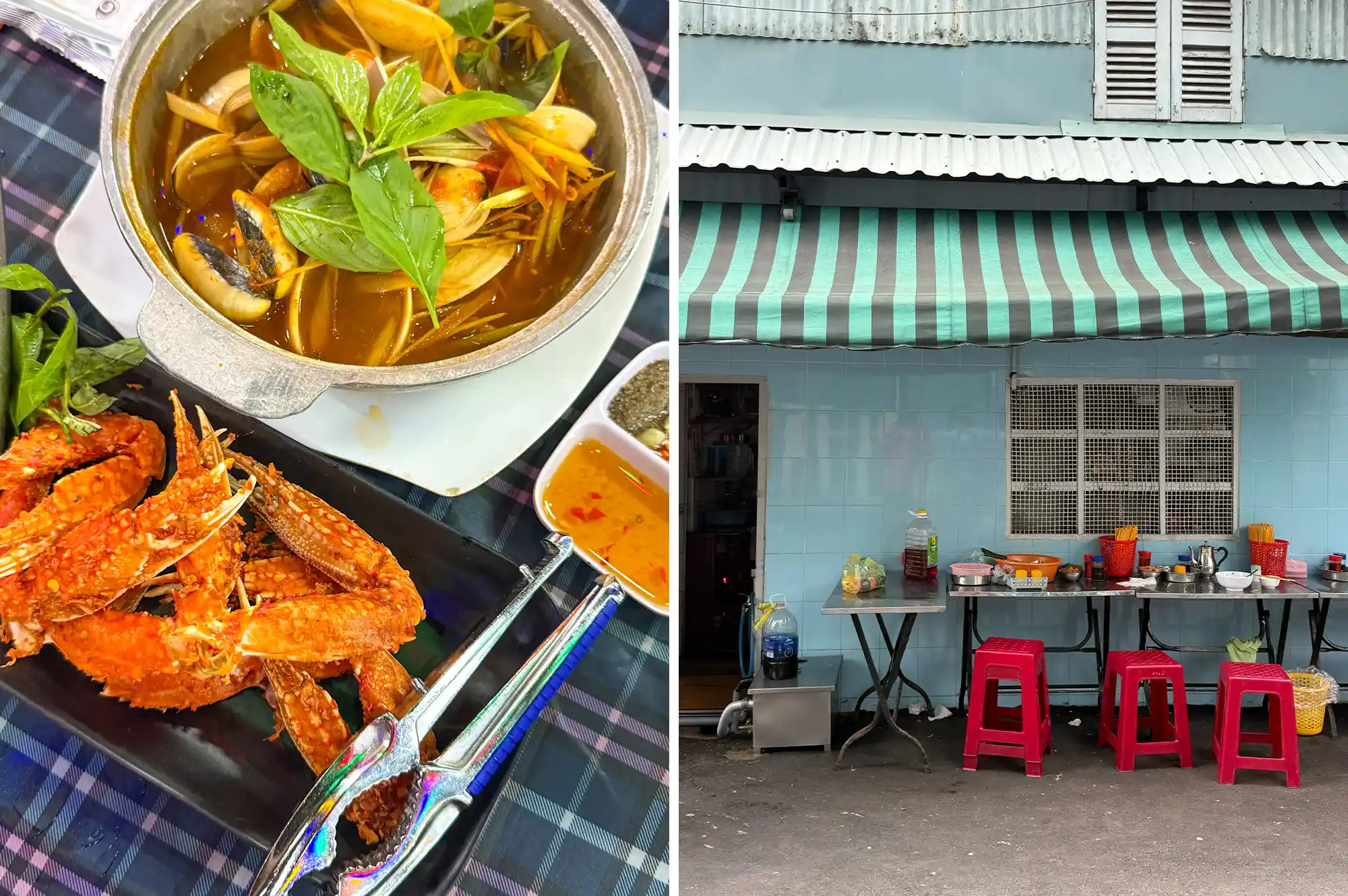
The southern agricultural landscape plays a massive role in the city's food scene. Known as the "rice bowl" of the country, the Mekong Delta contributes significantly to the national table. According to industry reports, food and beverage expenditures typically account for 25% to 35% of the total travel budget for international visitors, much of which is spent exploring these southern delights.
Interestingly, Saigon is also the hub for vietnam street food tours for vegetarians. Due to the deep roots of Buddhism, "An Chay" (eating vegetarian) is common, and the city offers innovative plant-based versions of every classic, from "Com Tam" (broken rice) to mushroom-based Pho. After the sun sets, the modern evolution continues in District 1, where contemporary craft breweries and stylish coffee shops put modern spins on classic Vietnamese flavors, such as hibiscus-infused ales or coconut-foam lattes.
Planing Your Gastronomic Journey: Logistics and Timing
Navigating the best food tours in vietnam requires a bit of foresight. While you can certainly wander into any street stall and find a delicious meal, a guided tour offers the "insider" access to family homes and secret recipes that you simply won't find on a map.
The cost of these experiences varies widely. A casual street food walk might start at $35, while luxury saigon food tours involving private chefs or multi-day culinary cruises through Halong Bay can reach several thousand dollars. Regardless of the price point, the value is immense; you are paying for the story as much as the sustenance.
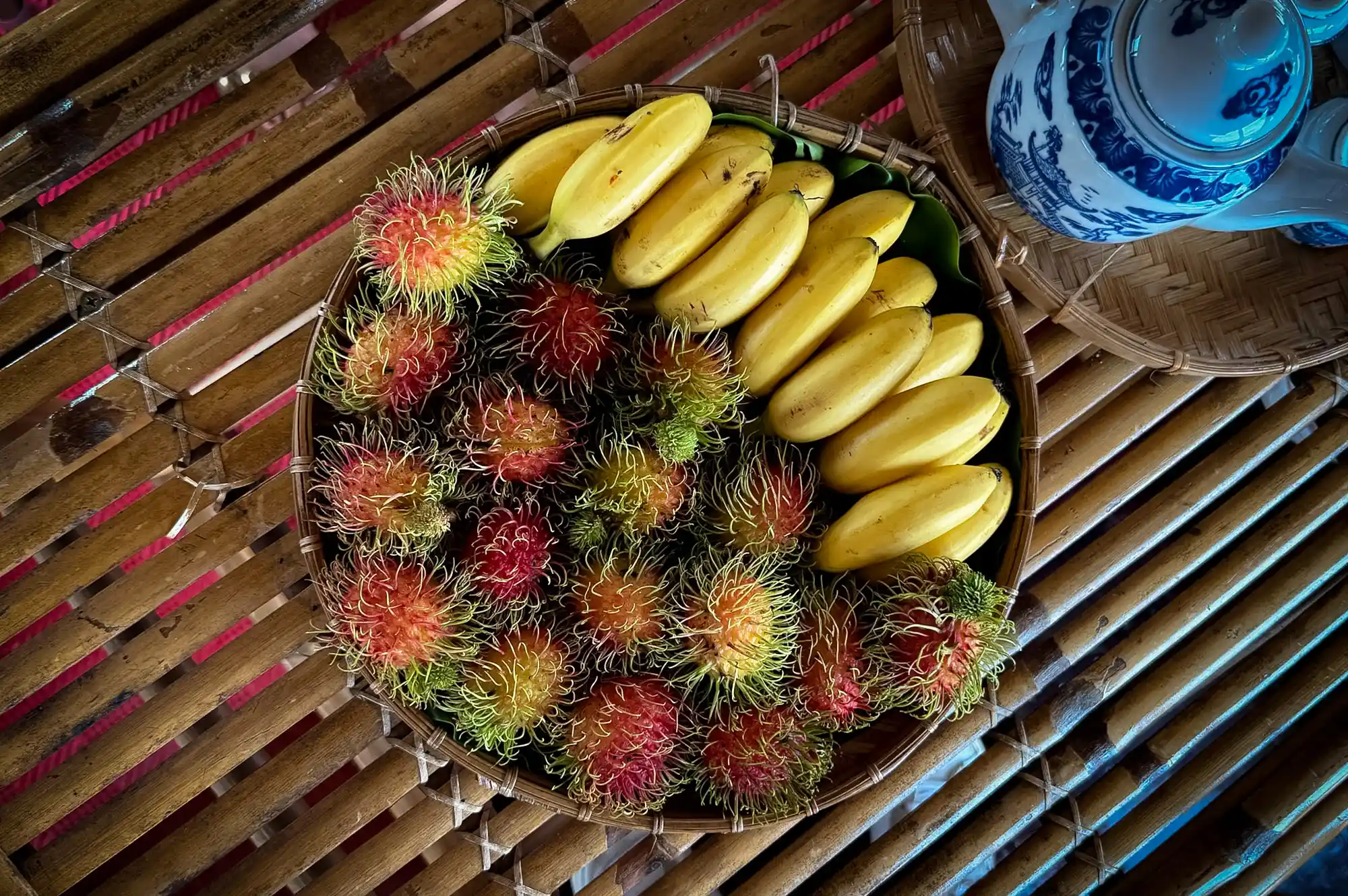
When it comes to timing, the best months to visit are typically from March to May or September to November. During these transitional seasons, the weather is relatively mild across the whole country, ensuring you can enjoy your street-side culinary immersion without the interruption of the monsoon or the oppressive summer heat. This is also when the harvests are most bountiful, bringing fresh tropical fruits like mangosteen and dragon fruit to the morning markets.
| Region | Must-Try Dish | Vibe |
|---|---|---|
| North (Hanoi) | Bún Chả, Egg Coffee | Sophisticated, Historical, Subtle |
| Central (Hue/Hoi An) | Cao Lầu, Bún Bò Huế | Spicy, Royal, Artistic |
| South (Saigon) | Bánh Mì, Cơm Tấm | Sweet, Bold, Fast-paced |
FAQ
Are food tours in Vietnam worth it?
Absolutely. While Vietnam is safe for solo food exploration, a guided food tour provides cultural context, history, and linguistic bridges that you cannot get on your own. Most importantly, guides know which stalls have the highest turnover and the freshest ingredients, which is the best way to ensure food safety while eating like a local.
Where is the best place in Vietnam for a food tour?
While it depends on your palate, Hanoi is widely considered the best place for a traditional food tour. It was ranked as the World's Best Culinary City Destination in 2024 and offers a high concentration of legendary dishes within the walkable Old Quarter. However, for sheer variety and energy, Ho Chi Minh City is a very close second.
What is the most famous food of Vietnam?
Pho is undoubtedly the most famous food exported from Vietnam, but within the country, dishes like Banh Mi and Bún Chả are equally iconic. Each region has its own hero dish, making "Vietnamese food" a collection of distinct regional cuisines rather than a single monolithic style.
What is the perfect month to visit Vietnam?
March and April are often considered the perfect months. The northern regions are coming out of winter and are pleasantly cool, while the south is not yet at its peak rainy season. This allows for comfortable outdoor dining and vibrant market visits in every city.
What mistakes should you avoid in Vietnam?
The biggest mistake is sticking only to restaurants with English menus. Some of the most transformative meals are served on low plastic stools on the sidewalk. Also, avoid being afraid of the ice in major cities; most commercial ice in tourist areas is made from purified water. Lastly, don't forget that the 25% to 35% F&B budget allocation is a suggestion—you can eat incredibly well on much less if you stick to street-side staples.