Quick Facts
- Walkability Score: 96/100
- 2026 Access Fee: €5 minimum for day-trippers on peak days
- Physical Geography: 118 islands connected by over 400 bridges
- Navigation Hack: Follow yellow directional signs for Rialto/San Marco instead of GPS
- Must-Use Transit: Vaporetto Line 2 for express Grand Canal travel
- Key Statistics: Pedestrian calli and squares comprise about 17 percent of the total land area
Venice is no longer just a romantic destination; it is a global benchmark for urban planning. In 2026, it remains the gold standard for travelers seeking the most walkable cities in the world. Venice is widely considered the premier pedestrian destination because its historic center is almost entirely car-free, forcing a reliance on the city's unique network of calli and bridges. Ranking as a top walkable city in 2026, it offers travelers an immersive experience through districts like Cannaregio and Dorsoduro. The lack of vehicular traffic makes navigating its landmark-dense lagoon sites second nature for every visitor.
The 2026 Global Walking Map: Where Venice Stands
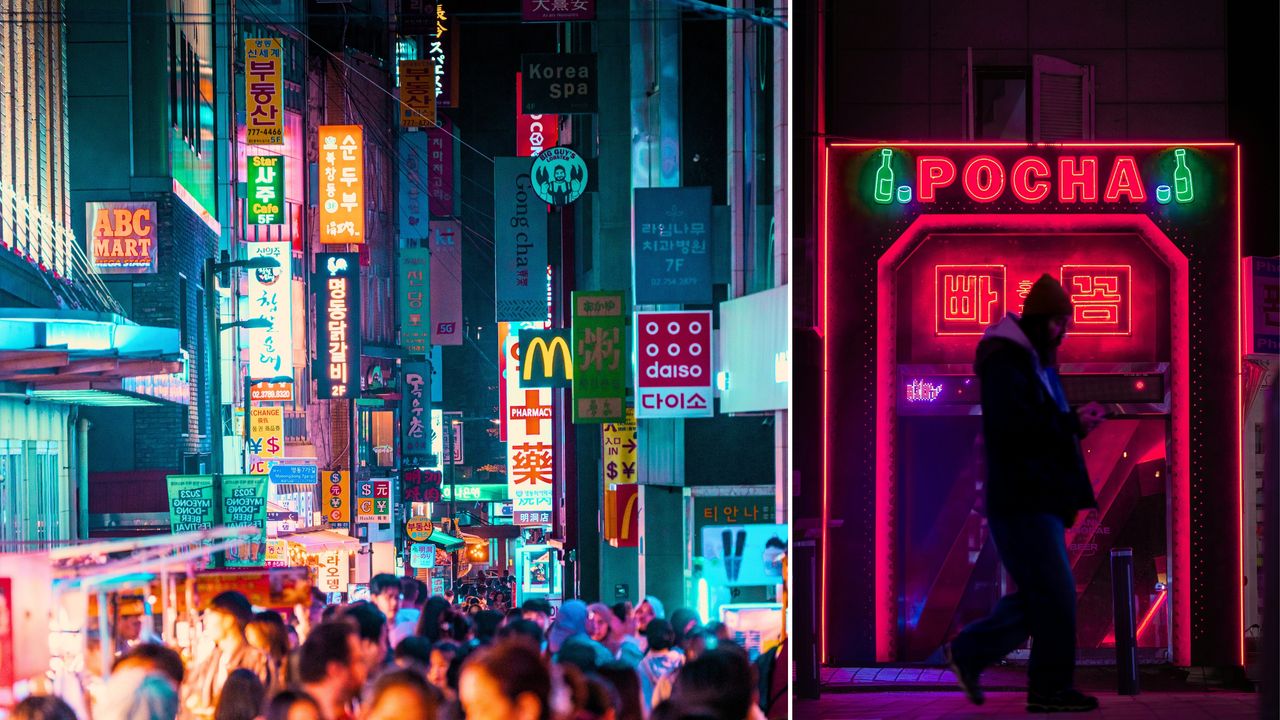
As we move through 2026, the global conversation around human-centric urbanism has intensified. Global rankings for the most walkable cities in the world in 2026 highlight a mix of European historic centers and Asian urban hubs. While Venice is noted for its car-free infrastructure and maritime heritage, cities like Seoul earn high marks for neighborhood safety and pedestrian-friendly density in areas such as Myeongdong. Other top-tier walking destinations include Madrid and Budapest, which are recognized for their wide boulevards and cultural accessibility.
However, Venice remains unique. While Madrid has expanded its pedestrian-only zones, Venice is the only major city where the absence of cars is not a policy, but a physical reality. For those looking for the most walkable cities in europe, Venice provides a template for what happens when ancient architecture dictates the pace of life.
Sustainable travel trends in 2026 emphasize human-centric urbanism where walking is the primary way to experience a city's culture. In Venice, the slow travel experience is facilitated by the density of landmarks such as St. Mark's Basilica and the Doge's Palace, all reachable via ancient pedestrian shortcuts. Pedestrian travelers prioritize these environments for their seamless blend of architectural history and efficient navigation without the need for cars.
The 2026 Access Fee Checklist
Tourism management in Venice has evolved. To maintain its status as one of the most walkable cities in the world 2026, the city has implemented a refined Access Fee system. Understanding these logistics is the first step in exploring venice on foot.
Traveler Alert: Access Fee Requirements
- Booking Lead Times: It is highly recommended to book your entry at least 4 days in advance to secure the base €5 fee. Last-minute bookings during peak weekends can escalate.
- Penalty Risks: Missing your QR code can result in fines up to €300. Inspectors are frequently stationed at the Santa Lucia train station and the Piazzale Roma.
- Exclusion Zones: If you are staying at a hotel within the historic center, you are generally exempt from the fee but must still register for an exemption code.
- Sustainable Travel Trends: The fee supports the maintenance of the delicate limestone paving stones and bridge repairs necessitated by heavy foot traffic.
Navigating the Calli: Distances vs. Bridge Fatigue
When you are exploring venice on foot guide in hand, the first thing you notice is that distance is measured not in miles, but in bridges. The historic center of Venice is a completely car-free environment featuring a network of more than 400 bridges that connect approximately 118 distinct islands. This creates a fascinating logistical challenge: the 10-bridges-per-kilometer ratio.
Venice's pedestrian infrastructure consists of more than 3,000 narrow alleys known as 'calli,' which span a total length of approximately 330 kilometers. For the pedestrian traveler, this means that a straight line is a rarity. The Venetian Lagoon environment also presents a unique challenge for modern technology. The narrow alleys and high stone walls of ancient architecture often create GPS drift zones, where your smartphone may place you two canals away from your actual location.
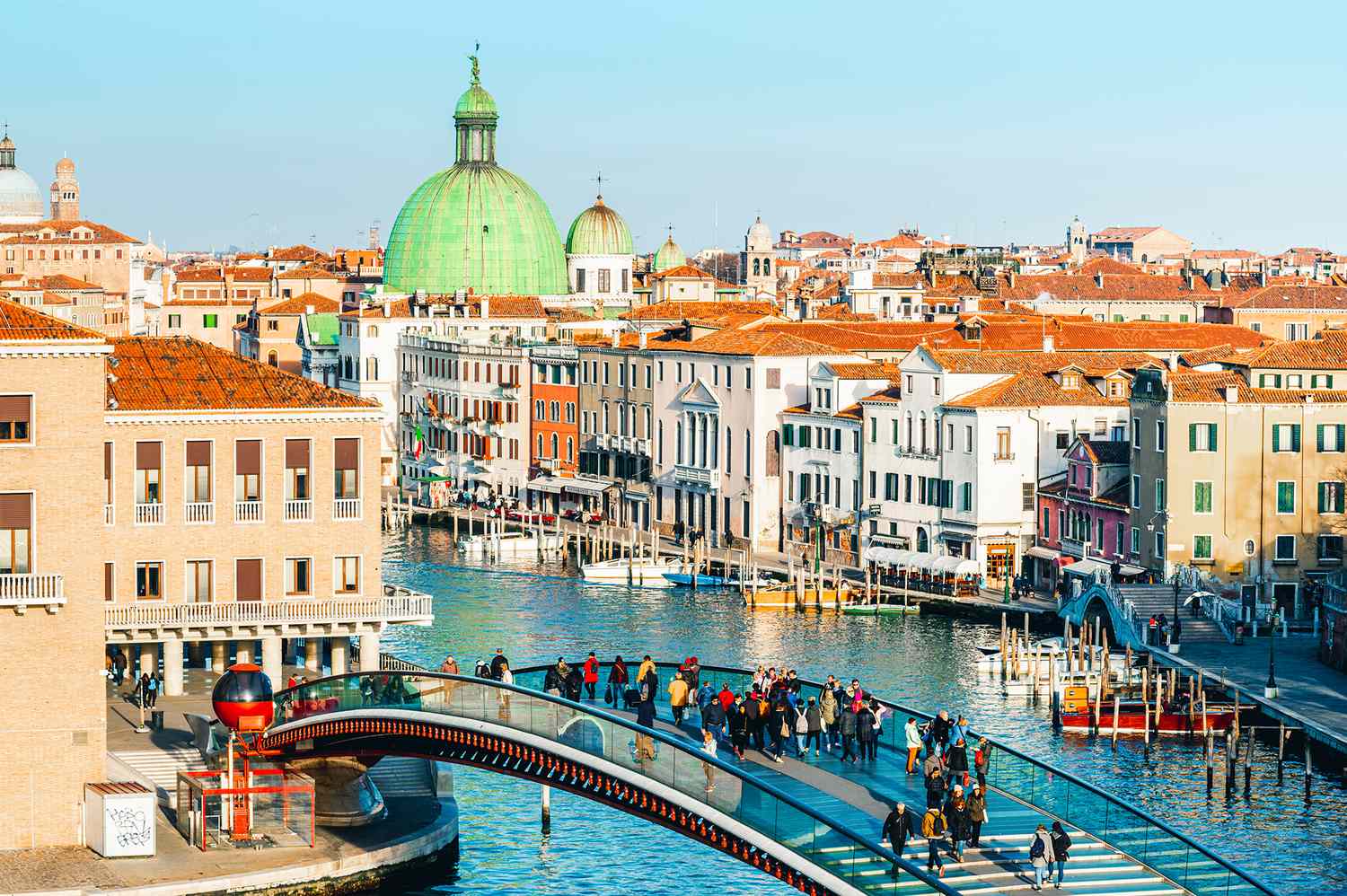
To master how to plan a walking tour of venice, one must learn the art of the detour. Pedestrian pathways and public squares account for approximately 17 percent of the 13 square kilometers of land area in the historic center of Venice. This density means that while you are never far from a landmark, you are often one bridge away from a completely different atmosphere. Grand Canal crossings are the key bottlenecks; if you aren't near the Rialto, Accademia, Scalzi, or Constitution bridges, look for the traghetto signs. These €2 standing gondola ferries are the local secret for crossing the canal without backtracking to a main bridge.
Comparative Walkability Metrics
| City | Car-Free Percentage | Primary Transit Mode | Unique Characteristic |
|---|---|---|---|
| Venice | ~99% | Walking/Vaporetto | 400+ Canal Bridges |
| Seoul | ~15% (Core) | Metro/Walking | Vertical Urbanism |
| Madrid | ~25% (Central) | Metro/Walking | Plaza-centric Layout |
| Budapest | ~20% (Core) | Tram/Walking | Riverwalk Accessibility |
Best Neighborhoods in Venice for Walking
Each district, or sestiere, offers a different flavor of pedestrian-friendly infrastructure. When considering the top 10 most walkable cities in the world, many urban planners look to these neighborhoods for inspiration on how to balance residency with tourism.
Cannaregio: The Morning Circuit For those seeking silence, Cannaregio is arguably one of the best neighborhoods in venice for walking, especially at dawn. The Strada Nova is a wide, rare straight path, but the true charm lies in the northern calli. The walking experience here is defined by wide fundamente (canalside paths) and fewer stairs, making it easier on the knees during a long day of exploring venice on foot.
Dorsoduro: The Art Trek Dorsoduro is a favorite for most walkable cities in the world for solo travelers because of its safety and vibrant student energy around Campo Santa Margherita. The walk from the Accademia Bridge to the Punta della Dogana offers some of the most spectacular sunset views in the city. The pavement here is generally well-maintained, utilizing the traditional masegni (volcanic stone blocks) that have defined the city’s streets for centuries.
San Marco and Castello: The Landmark Core While San Marco is the densest area for landmarks, it requires the most patience. The density of slow travel experience seekers here means that pedestrian flow can be tight. Moving east into Castello allows a traveler to see how ancient architecture transitions into lush green spaces like the Giardini, a rarity in the lagoon.
Inter-District Movement: Water Transport as a Pedestrian Aid
Even the most dedicated walking enthusiast needs a break. Part of why Venice leads the most walkable cities in europe is its integrated water-based transit system. The Vaporetto transit acts as the city's "subway," providing a rest for tired legs.
Managing luggage on cobblestone streets is the ultimate test of a pedestrian. The masegni are beautiful but unforgiving to small, plastic wheels. Savvy travelers utilize the Vaporetto Line 2 for express trips between the train station and the southern districts, saving their energy for the narrow Venetian calli where no boat can go.
When comparing car free cities in europe for travelers, Venice stands alone because its navigation is three-dimensional. You aren't just walking across a map; you are moving over and under the city's history. A simple walk from the Rialto Bridge to St. Mark's Square can involve navigating five different calli, three bridges, and a sotoportego (a tunnel-like passage under a building). This complexity is precisely why it is ranked among the top 10 walkable cities in the world to visit in 2026—every turn is a discovery.
FAQ
What is the most walkable city in the world 2026?
Venice continues to hold the title as the most walkable city in the world in 2026. This is primarily due to its unique geographical layout which excludes cars entirely from the historic center. While cities like Seoul, Madrid, and Copenhagen are making significant strides in pedestrian-friendly infrastructure, Venice is the only major global city where 100% of the interior transit is human-powered or water-based, offering a pure car-free experience.
What are the top 10 walkable cities?
The top 10 walkable cities in the world for 2026 include Venice, Seoul, Madrid, Budapest, Amsterdam, Florence, Copenhagen, Paris, Vancouver, and Bordeaux. These cities are selected based on their pedestrian-friendly infrastructure, the density of cultural landmarks within walking distance, safety for solo travelers, and the presence of significant car-free zones.
What is the world's most walkable city?
Venice is widely recognized as the world's most walkable city. Its historical center consists of 118 islands and 400 bridges, creating a dense, interconnected environment where walking is not just an option, but a necessity. The lack of engine noise and vehicular hazards allows for a unique sensory experience focused on ancient architecture and maritime history.
What city is #1 quality of life in the world?
While quality of life metrics vary by index (such as Mercer or EIU), Venice is often ranked #1 for pedestrian quality of life specifically. However, in broader categories including healthcare, economic stability, and housing, cities like Vienna, Zurich, and Vancouver often compete for the top spot. For travelers, Venice’s quality of life is found in its clean air, historical preservation, and human-centric urban design.
In 2026, the movement toward more walkable urban centers is stronger than ever. Venice serves as both a museum of the past and a blueprint for the future of sustainable travel. Whether you are crossing the Rialto Bridge at midnight or finding a quiet corner in the Jewish Ghetto, the city proves that the best way to see the world is still at a human pace.