Quick Facts
- Peak Altitude: 2,706m (Monte Cinto)
- Signature Hike: GR20 (180km, 16 stages)
- Best Secret: Aqua Rando (River Trekking)
- Optimal Season: June and September for mild weather and blooming flora
- Top Hubs: Corte for mountains, Porto-Vecchio for the south, Oletta for the north
- Landscape Diversity: 120 summits reaching altitudes of more than 2,000 meters within a single island
To plan a self-guided adventure in Corsica, target the island's diverse geography by starting in the north for cycling near Oletta before heading inland to Corte for central hiking access. Key logistics include booking rental cars for navigating narrow mountain roads and reserving GR20 mountain refuges through the PNRC several months in advance. Many travelers combine rugged activities like hiking the Alta Rocca massifs with luxury stays near Bonifacio to balance physical exertion with Mediterranean comfort. This comprehensive Corsica adventure guide ensures you experience the raw beauty of the interior while respecting the island's challenging terrain.
I’ve spent my career chasing horizons from the Andes to the Himalayas, but nothing quite prepared me for the sensory overload of Corsica. They call it the Mountain in the Sea, and the nickname isn't just marketing fluff. When you step off the ferry or out of a small prop plane, the first thing that hits you isn’t the salt air—it’s the scent. It’s the Mediterranean scrub scent of the maquis shrubland, a thick, aromatic tangle of myrtle, lavender, and wild thyme that covers the island like a woolly green blanket.
If you are like me and prefer your vacations with a side of adrenaline and a dash of grit, Corsica is the holy grail. While most of Europe’s coastlines have been softened by resorts, the rugged island interior remains defiant. The Regional Natural Park of Corsica covers approximately 360,000 hectares, which is roughly 40% of the island's entire landmass. This is a place where you can be shivering on a glacial ridge in the morning and washing the dust off in a turquoise cove by sunset.
The Peaks: Alta Rocca Hiking Guide and the GR20 Challenge
Whenever I talk to fellow trekkers about high-altitude trekking, the conversation eventually turns to the GR20. It is legendary, and for good reason. My first attempt taught me humility. This trail across the island’s spine is considered the toughest long-distance trek in Europe, and the numbers back it up: it spans 180 kilometers with a total elevation gain of approximately 12,000 meters. This is not a casual stroll. You are scrambling over granite massifs, navigating high-altitude glacial basins, and clinging to chains bolted into the rock.
For those who want the drama without the two-week commitment, I always point people toward an Alta Rocca hiking guide. The southern interior is home to the Aiguilles de Bavella, or the Needles of Bavella. These jagged spires of red and grey granite pierce the sky like cathedral shards. A day hike guide for the Alta Rocca and Bavella Needles usually includes the Trou de la Bombe, a natural circular hole in the rock that offers views stretching all the way to the coast.
Expert Tip: If you are planning to tackle the GR20, mountain refuge bookings are mandatory and fill up fast. The PNRC (Regional Natural Park) opens reservations online months in advance. Don’t expect luxury; these are functional shelters designed for recovery, though the camaraderie over a shared meal is worth every drop of sweat.
While trekking, pay attention to your essential packing list for a Corsican adventure trip. You need sturdy boots with serious grip for the granite, but also a lightweight shell. The weather in the high peaks is notoriously fickle—it can transition from scorching sun to a lightning-heavy afternoon storm in the time it takes to eat a sandwich.
Beyond the Beach: Aqua Rando and Canyoning in the Travo River
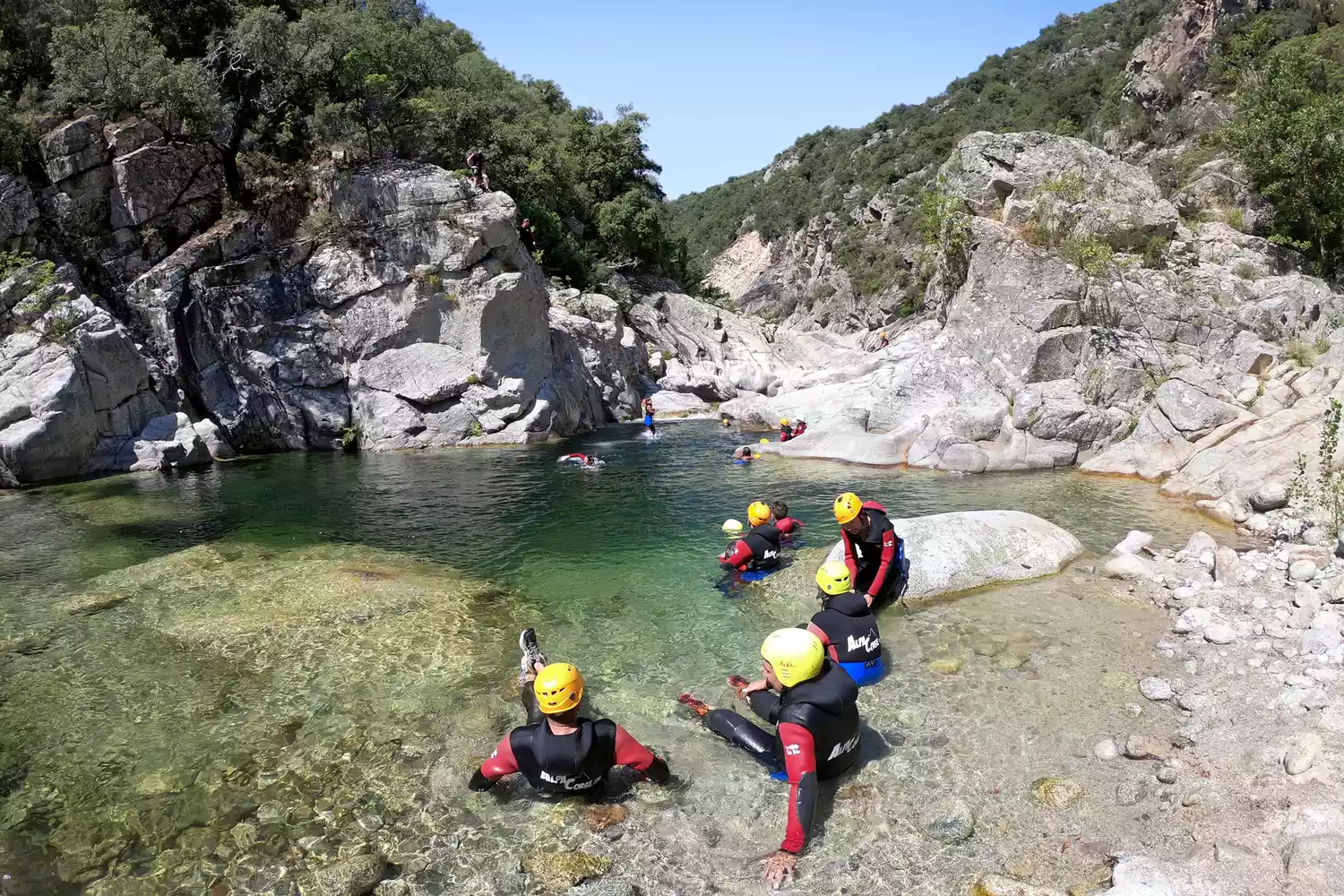
If you want a truly sauvage experience, you have to get into the water—but not the sea. I first discovered the concept of aqua rando near the tiny village of Chisà. Imagine a hybrid of hiking, swimming, and natural water-sliding. Unlike technical canyoning, which involves ropes and harnesses, aqua rando focuses on traversing the river bed using the water's natural flow.
The Travo River near Chisà is the gold standard for this. When I went, we spent four hours wading through crystal-clear pools and sliding down smooth granite chutes. It feels like a natural water park, but with the silence of the mountains surrounding you. A beginner guide to aqua rando on the Travo River usually suggests wearing a wetsuit and a helmet, as those granite boulders can be slick.
| Activity Detail | Travo River Aqua Rando |
|---|---|
| Location | Near Chisà (Eastern Corsica) |
| Best For | Families and beginners |
| Key Gear | Neoprene boots, helmet, shorty wetsuit |
| Vibe | Jungle-book style river exploration |
While you can technically explore some river sections on your own, I highly recommend guided canyoning excursions. Local guides know exactly which pools are deep enough for jumps and which waterfalls are safe for slides. It’s the ultimate way to escape the mid-day heat of the maquis. The water is crisp, clear, and carries the faint mineral tang of the high-altitude peaks it flowed from just hours before. This aqua rando Travo River experience remains one of my top three outdoor memories on the island.
Two Wheels on the Maquis: Cycling Routes in Oletta and Saint-Florent
If you prefer your vertical elevation gain on two wheels, the northern part of the island is your playground. The region around Oletta and Saint-Florent offers a mix of heart-pumping climbs and rewarding coastal descents. This isn't flat-land cruising; the roads here are a series of switchbacks carved into the side of limestone cliffs.
I spent a few days exploring cycling routes in Oletta, using the village’s hilltop position to launch into the Nebbio region. One of my favorite scenic cycling routes near Oletta and Saint-Florent takes you through the Desert des Agriates. Don't let the name fool you; it’s not a sandy Sahara style desert, but a vast, uninhabited protected area of Mediterranean scrub. The roads are narrow and the gradients often hover between 4% and 7%, providing a steady burn for the legs.
For the truly ambitious, the GT20 (Grande Traversée) is the cycling answer to the GR20 hiking trail. It’s a route that takes you from the northern tip of Cap Corse all the way down to Bonifacio. Even if you only do sections of it, the diversity of the landscape is staggering. You’ll ride through off-the-beaten-path hamlets where the only traffic is a stray pig or a herd of goats crossing the road.
Survival and Luxury: Navigating Mountain Roads and Logistics
Planning a self-guided adventure tour in Corsica requires a different mindset than a typical European road trip. First and foremost, you need a car. Public transport exists, but it won't get you to the trailheads of the Alta Rocca or the hidden put-ins for the Travo River. However, navigating mountain roads in Corsica for adventure travelers is an adventure in itself.
The roads are categorized as 'T' (Territorial) or 'D' (Departmental). The T routes are the main arteries, but the D roads are where the magic—and the terror—happens. These are often single-track lanes with sheer drops on one side and no guardrails. My advice? Take it slow. You aren't just watching for other cars; you’re watching for the "Corsican speed bumps"—wild boars, cows, and goats that treat the asphalt as their personal lounge.
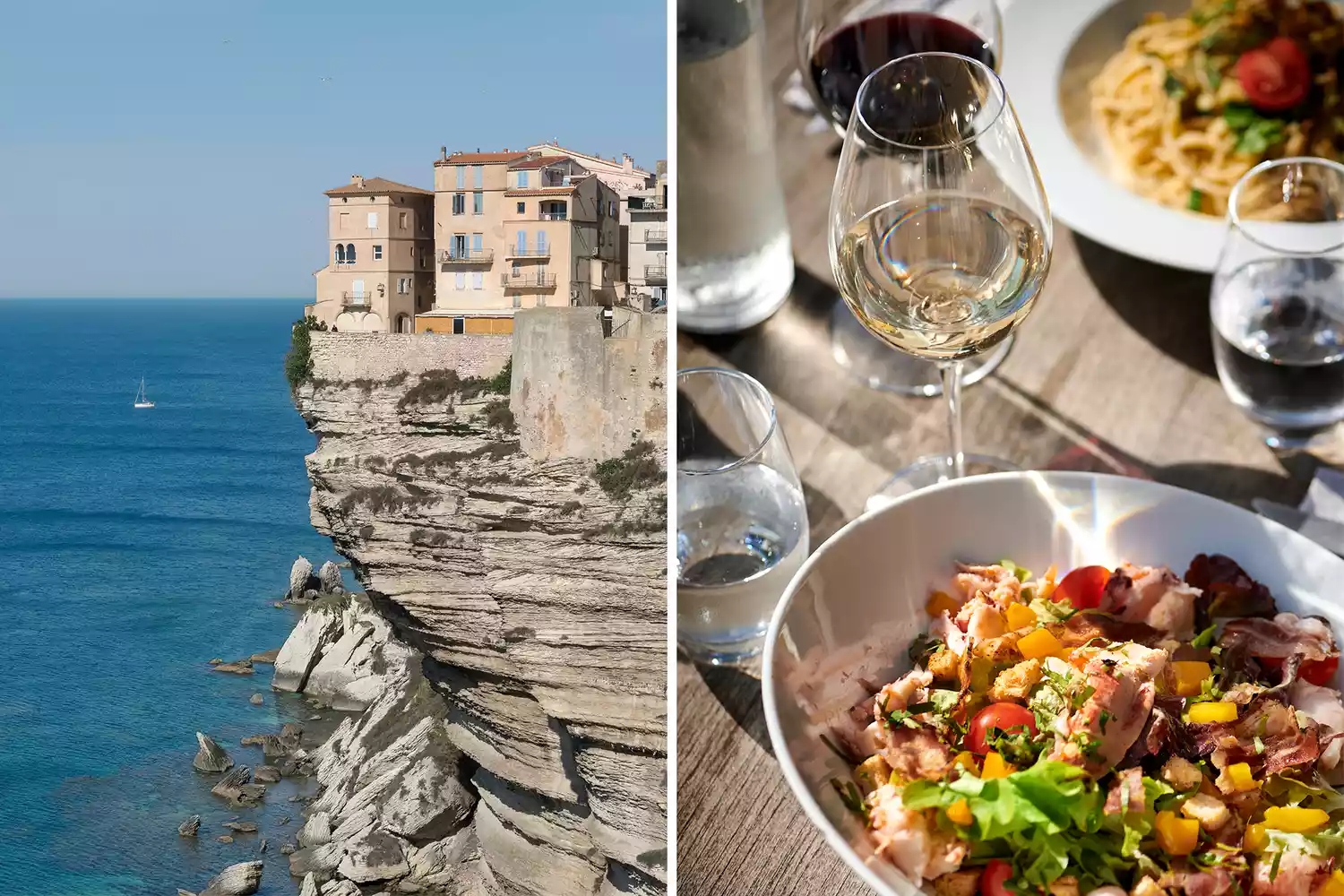
After a few days of roughing it in the mountains, you owe it to yourself to experience the luxury of Corsican recovery. The island is famous for its Corsican charcuterie and cheeses, specifically the Brocciu cheese and Figatellu sausage. There is something deeply satisfying about sitting in a village square after a thirty-mile ride, eating local ham and crusty bread.
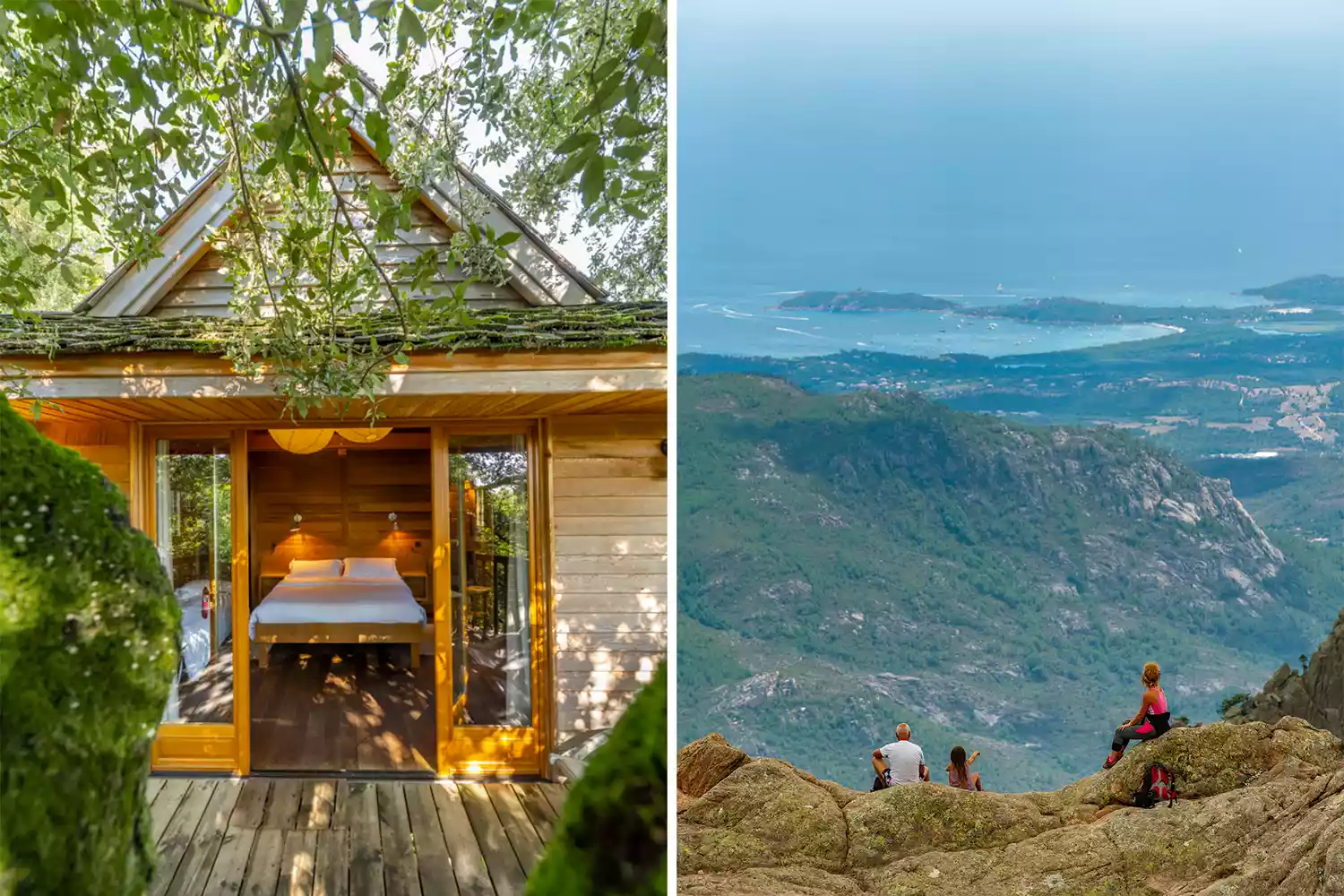
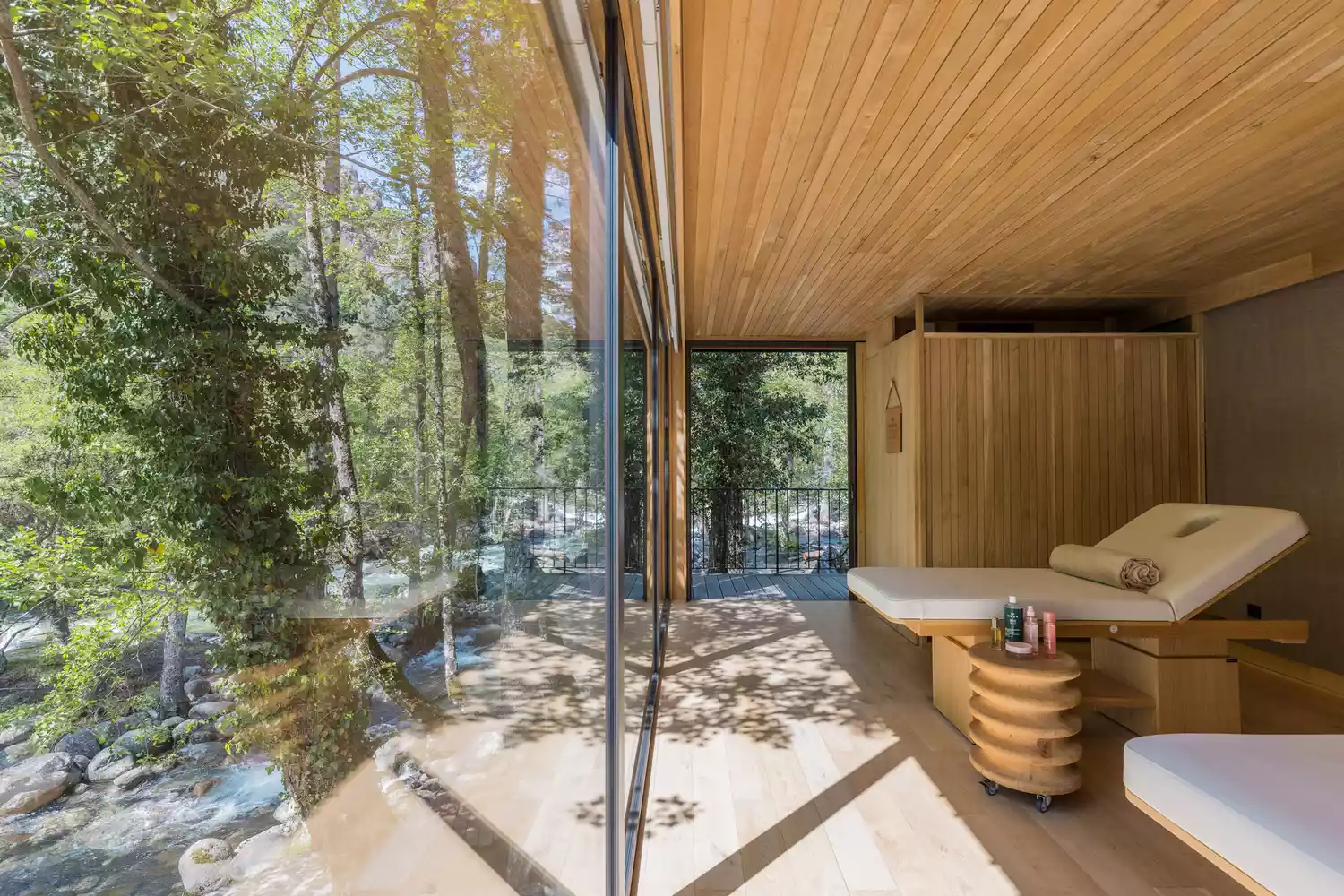
I always recommend finding a balance. Spend your days in the rugged island interior, but book a night or two in a stone-built hamlet converted into a boutique hotel. It softens the edges of the physical exertion and gives you a chance to appreciate the cultural side of the island. Being an adventure seeker doesn't mean you have to suffer 24/7.
FAQ
Is Corsica a good destination for adventure travel?
Absolutely. Corsica offers a rare combination of extreme mountain terrain and pristine coastal environments. With 120 peaks over 2,000 meters and a rugged interior protected by a massive regional park, it provides world-class trekking, canyoning, and cycling within a relatively small geographic area.
What are the best outdoor activities in Corsica?
The signature activities include trekking the legendary GR20 trail, aqua rando in the mountain rivers like the Travo, and technical canyoning. Road cycling is also world-class, particularly on the GT20 route. For those who love the water, the limestone sea caves near Bonifacio offer incredible kayaking and paddleboarding opportunities.
How difficult is the GR20 trail in Corsica?
The GR20 is widely regarded as the most difficult long-distance hike in Europe. It spans 180 kilometers with 12,000 meters of elevation gain and involves significant rock scrambling and steep, technical ascents. It requires a high level of physical fitness and prior mountain experience.
When is the best time of year to visit Corsica for hiking?
June and September are the ideal months. In June, the snow has usually melted from the high passes, the maquis is in full bloom, and the days are long. September offers stable weather and warmer water temperatures for river activities, without the intense heat and crowds of July and August.
Do you need a car to explore the mountains of Corsica?
Yes, a rental car is almost essential for adventure travelers. While there is a scenic train (U Trinichellu) connecting main towns, most trailheads for the Alta Rocca, canyoning spots, and remote villages are only accessible via narrow mountain roads that are not serviced by regular public transport.
The more I visit, the more I’m convinced that Corsica isn't just an island; it’s a continent in miniature. Whether you are battling the granite massifs of the GR20 or coasting through the scent-heavy air of the northern hills, it stays with you. It’s Europe’s rugged secret, and it’s waiting for those willing to do the work.