Quick Facts
- Entry Fee: $15 for adults; $2 for children (ages 6 to 12)
- Hours: 9:00 AM – 5:00 PM (Strict last entry at 3:00 PM)
- Location: Westpunt Region, approximately 50 minutes from Willemstad
- Top Highlights: Boka Pistol blowhole, Boka Tabla cavern, and Boka Wandomi natural bridge
- Primary Activity: Sightseeing, hiking, and photography (Swimming strictly prohibited)
- Best Time to Visit: 9:00 AM to beat the mid-day heat and humidity
Shete Boka National Park is a rugged masterpiece located on Curasao’s northern coast. Famous for the Boka Pistol blowhole and the Boka Tabla underground cavern, it offers a stark contrast to the island’s calm beaches and is a must-see for anyone wanting to witness the raw power of the Caribbean Sea.
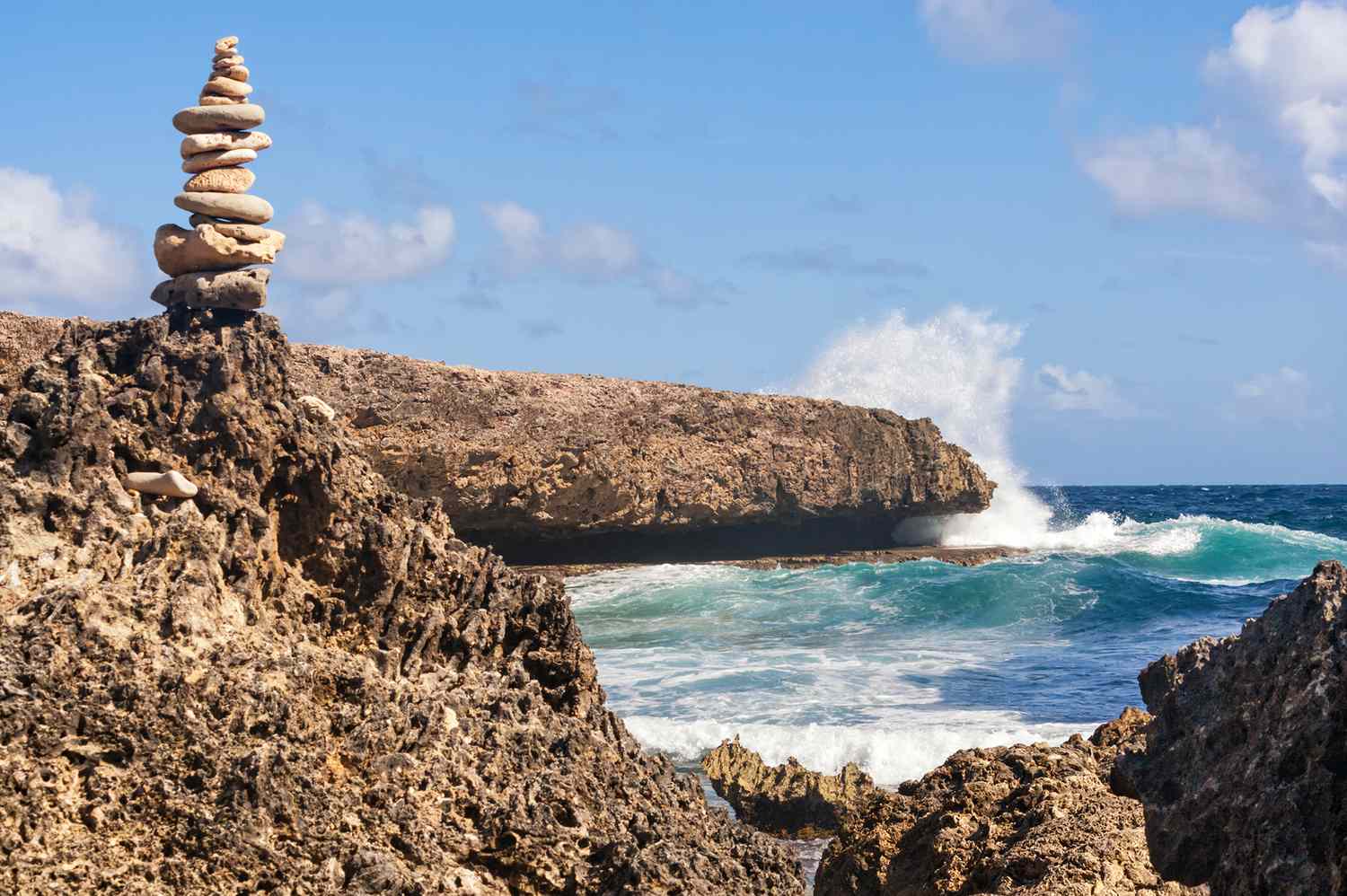
Boka Pistol: The Park’s Most Dramatic Highlight
If there is one spot that defines the energy of this park, it is Boka Pistol Curaçao. I have stood on many coastlines, but the first time I saw this blowhole in action, it actually made me jump. The name is no exaggeration; as the massive Caribbean swells roll into a narrow, restricted inlet, the pressure builds until the water is forced upward in a violent, vertical explosion.
The sound is what hits you first—a deep, resonant "boom" that you feel in your chest. Then comes the ocean spray, which can reach several meters into the air. If you are looking for Boka Pistol Curaçao blowhole tips, my best advice is to be patient with your camera. Set your shutter speed high to freeze the droplets, or try a slow-motion video to capture the sheer scale of the eruption.
When I visited, I noticed most photographers huddled right at the wooden viewing platform. While that is a great spot, try walking a few yards back along the limestone bluffs to get a wide-angle shot that includes the jagged coral rock formations in the foreground. It adds a sense of scale and drama that a close-up just can't match. This is the highest priority stop in the park for a reason—it’s nature at its most aggressive and beautiful.
Boka Tabla and Boka Wandomi: Caverns and Bridges
Just a short distance from the park entrance is Boka Tabla, home to the famous Boka Tabla underground cavern. This was one of the highlights of my expedition because it allows you to get down to sea level—safely tucked inside the earth—while the waves crash just feet away.
Regarding Boka Tabla underground cavern accessibility, it is a relatively short three-minute walk from the parking area, but the descent into the cave requires some agility. The steps are carved into the rock and can be quite slick from the constant mist. Once inside, you can watch the waves roll into the dark mouth of the cave. It is damp, loud, and incredibly atmospheric. I recommend bringing a small flashlight or using your phone light to navigate the uneven floor inside.
From Boka Tabla, you can take a scenic walk or a quick drive over to Boka Wandomi. This area features a massive natural rock bridge carved by centuries of erosion. If you follow the Boka Wandomi natural bridge hike guide provided on the park maps, you will traverse a series of elevated wooden walkways that protect the fragile landscape while offering a perfect vantage point of the bridge. Standing atop the bridge, looking out over the arid landscape and the churning inlets and bays, you really feel the isolation of the Westpunt region.
Planning Your Visit: Driving vs. Hiking Routes
There are two primary ways to experience this park, and choosing the right one depends entirely on your fitness level and how much time you have. During my last trip, I tried both to see which offered the better experience for a family travel guide to Shete Boka National Park.
| Feature | The Driver’s Route | The Hiker’s Route |
|---|---|---|
| Duration | 1 - 1.5 Hours | 2.5 - 3.5 Hours |
| Terrain | Dirt roads (accessible by most cars) | Sharp coral rock & limestone trails |
| Effort | Low - hop out at major bokas | High - full sun exposure |
| Best For | Families, limited time, or high heat | Photography enthusiasts & hikers |
If you choose to drive, the park has a network of dirt tracks that connect the main bokas. Most standard rental cars can handle these roads if you drive slowly, though a vehicle with higher clearance is always a plus. For those coming from the capital, follow the driving directions from Willemstad to Shete Boka by heading northwest on the main road toward Westpunt; it is a straight shot and well-signposted.
However, if you have the stamina, the coastal hiking trails are spectacular. You’ll walk right along the edge of the limestone bluffs, feeling the salt air on your face the entire time. Many people enjoy visiting Shete Boka and Christoffel Park together on the same day since they are right across the street from one another. If you do this, I suggest hitting Christoffel for a sunrise hike and then cooling off (relatively speaking) with the ocean breeze at Shete Boka in the late morning.
Survival Guide: What to Wear and Bring
I cannot stress this enough: this is not a "flip-flop" park. The ground here is comprised of ancient, razor-sharp coral rock formations that will shred a pair of thin sandals in minutes. Finding the best footwear for Shete Boka rocky trails means opting for sturdy, closed-toe hiking shoes or at the very least, high-quality sneakers with good grip.
Safety Warning: Heat & Hydration There is virtually no shade once you leave the Boka Tabla cavern. The sun in the Westpunt region is relentless. Carry double the water you think you will need. There are no vendors selling drinks once you pass the main gate.
The arid landscape reflects the heat, making it feel several degrees hotter than it actually is. I always pack a wide-brimmed hat and wear a lightweight, long-sleeved sun shirt to protect my shoulders. If you are visiting with kids, remember that the wind can be quite strong near the edges of the cliffs; keep them a safe distance from the drop-offs, as there are no railings in most areas.
Wildlife and Conservation: The Turtle Sanctuary
Beyond the dramatic views, this park serves a vital ecological purpose. Established in 1994, Shete Boka National Park protects approximately 10 kilometers of Curaçao's rugged northern coastline against the force of the Caribbean Sea. This protected status is crucial because the park encompasses 10 distinct inlets that serve as critical nesting grounds for sea turtles.
During the sea turtle nesting season Shete Boka Curaçao, which typically runs from May through December, various species return to these quiet pockets of sand. You might encounter:
- Hawksbill sea turtles: Known for their beautiful shells and pointed beaks.
- Green sea turtles: The most common nesters in the area.
- Loggerhead turtles: Occasionally spotted in the deeper waters or nesting on tucked-away beaches.
While you are walking between the inlets, keep an eye out for green iguanas basking on the rocks. They blend in perfectly with the gray and brown limestone, but they are everywhere. Remember to respect the wildlife; keep your distance and never leave any trash behind, as this is one of the island's most important conservation zones. The park is a specialized geological formation including Boka Pistol, but it is also a living, breathing habitat that requires our protection.
FAQ
Is Shete Boka National Park worth visiting?
Absolutely. While Curaçao is famous for its turquoise swimming coves, Shete Boka provides the necessary "yin" to that "yang." It is the best place on the island to see the raw, unbridled power of the ocean and the unique geological structures formed by the northern trade winds.
What is the entrance fee for Shete Boka National Park?
The Shete Boka entrance fee and hours are standard throughout the year. For adults, the cost is $15 per person. For children between the ages of 6 and 12, the fee is $2. This revenue goes directly into the conservation and maintenance of the park’s trails and facilities.
How long does it take to tour Shete Boka National Park?
If you are driving between the main bokas, you can see the highlights in about 60 to 90 minutes. However, if you plan to walk the coastal hiking trails and spend time photographing Boka Pistol and the cavern, you should budget at least 3 hours.
Can you swim at Shete Boka National Park?
No, swimming is strictly prohibited within the park boundaries. The currents on the north coast are incredibly powerful, and the waves crash against sharp coral rock with immense force. Even the strongest swimmers would be in immediate danger here. Save the swimming for the calm beaches on the south side of Westpunt.
What should I wear to Shete Boka National Park?
The most important item is sturdy, closed-toe footwear. Runners or hiking shoes are a must for navigating the sharp coral rock. Additionally, wear high-SPF sunblock, a hat, and breathable clothing. Bringing a reusable water bottle is essential as there is no shade or water available on the trails.
What are the opening hours for Shete Boka National Park?
The park is open daily from 9:00 AM to 5:00 PM. However, the last entry is strictly enforced at 3:00 PM to ensure all visitors have enough time to exit the park before the gates close at dusk.
If you are looking for a true adventure that takes you away from the lounge chairs and into the wild heart of the Caribbean, get to Shete Boka early. Experience the Boka Pistol blowhole before the crowds arrive, feel the spray of the sea, and then head down the coast for a well-earned dip in the calmer waters of Grote Knip. It’s the perfect Curaçao day.