Quick Facts
- Ticket Types: Two tiers are available: Temple Ground (base access) and Temple Structure (climb to the top).
- Visitor Quota: Strictly limited to 1200 visitors per day to preserve the stone.
- Price Point: Approximately IDR 455,000 for international adults for the structure access.
- Transport: A private chauffeur is highly recommended for multi-gen groups to handle the 34km trip from Yogyakarta.
- Footwear: Mandatory Upanat sandals are provided for those climbing the structure to protect the monument.
- Accessibility: Senior travelers should opt for Temple Ground tickets if steep steps are a concern.
Visiting Java's cultural heart with three generations requires a delicate balance of pace and planning. As of 2026, navigating the world's largest Buddhist temple involves new quotas and ticket tiers. This guide simplifies Java family travel, focusing on Borobudur accessibility for seniors and hands-on fun for kids. Successful Java family travel depends on prioritizing private transportation and inclusive planning to accommodate both aging parents and energetic children.
Visiting Borobudur with senior travelers requires navigating two distinct ticket types: Temple Ground and Temple Structure. The ground-level permits provide accessible views of the monument from flat paths, while the structure ticket involves climbing steep, uneven stone steps and wearing mandatory Upanat sandals. For those with mobility issues, private guides can tailor the pace and focus on the monument's history from the base to avoid physical strain.
Ground vs. Structure: Choosing Your Borobudur Experience
When you are planning a trip for three generations, the most critical decision you will make isn't which hotel to book, but which ticket to buy. Since 2023, the Indonesian government has implemented strict regulations to protect this 9th-century marvel. Borobudur is officially recognized as the world's largest Buddhist temple, featuring a square base of 123 by 123 meters and decorated with 2,672 relief panels and 504 Buddha statues.
For families with elderly parents or very young toddlers, I often recommend the Temple Ground ticket. It allows you to walk the massive perimeter and admire the intricate carvings from below. However, if your group is physically able, the Temple Structure ticket offers the iconic experience of standing among the perforated stupas.
| Feature | Temple Ground Ticket | Temple Structure Ticket |
|---|---|---|
| Mobility Level | Easy; flat gravel and paved paths | Strenuous; steep, narrow stone steps |
| Mandatory Gear | None (comfortable walking shoes) | Special Upanat sandals (included) |
| Access Area | Park grounds and temple base | All levels up to the central stupa |
| Best For | Senior mobility aids, strollers, quick visits | History buffs, photographers, active teens |
The climb is no small feat. A complete pilgrimage walk through the temple's nine stacked platforms involves traversing a total distance of approximately 5 kilometers (3 miles) to reach the central stupa at the summit. For grandparents, these steps can be daunting. If you choose the structure climb, ensure you pack senior mobility aids like collapsible hiking poles, which are generally permitted if they have rubber tips.
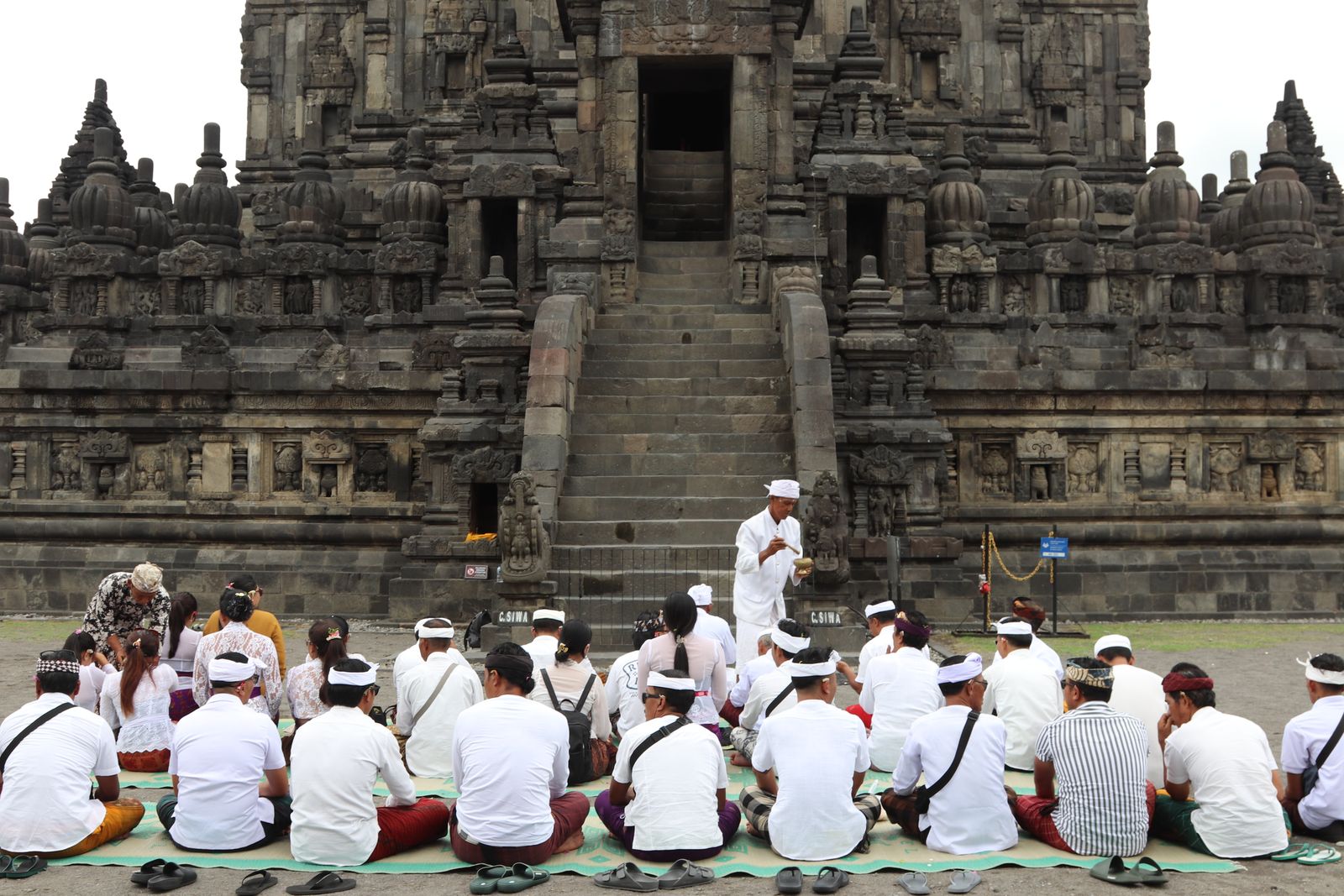
The Javanese sun is unforgiving, so regardless of your ticket choice, the early morning session is non-negotiable for multi-generational travel Indonesia adventures. We found that the 7:30 AM slot provides the best light for photos without the peak midday heat that can lead to exhaustion for both the youngest and oldest travelers.
The Ultimate 5-Day Yogyakarta Family Itinerary
Crafting a Yogyakarta family itinerary requires a "slow travel" philosophy. Java's heat and humidity can drain energy levels quickly, so we aim for one major activity in the morning followed by a relaxed afternoon. Designated a UNESCO World Heritage site in 1991, the temple complex attracted approximately 1.44 million domestic visitors in 2022, proving that while it is popular, you need a plan to beat the crowds.
- Day 1: Arrival and Villa Settling: Arrive at Yogyakarta International Airport (YIA). Use a pre-arranged private chauffeur to head straight to your resort near Borobudur. Spend the afternoon in the pool to shake off the jet lag.
- Day 2: The Magnificent Borobudur: Start with an early morning visit to the temple. By 11:00 AM, head back to the hotel for a long lunch. In the late afternoon, take a gentle horse and carriage ride through the local Wanurejo village to see traditional Javanese life.
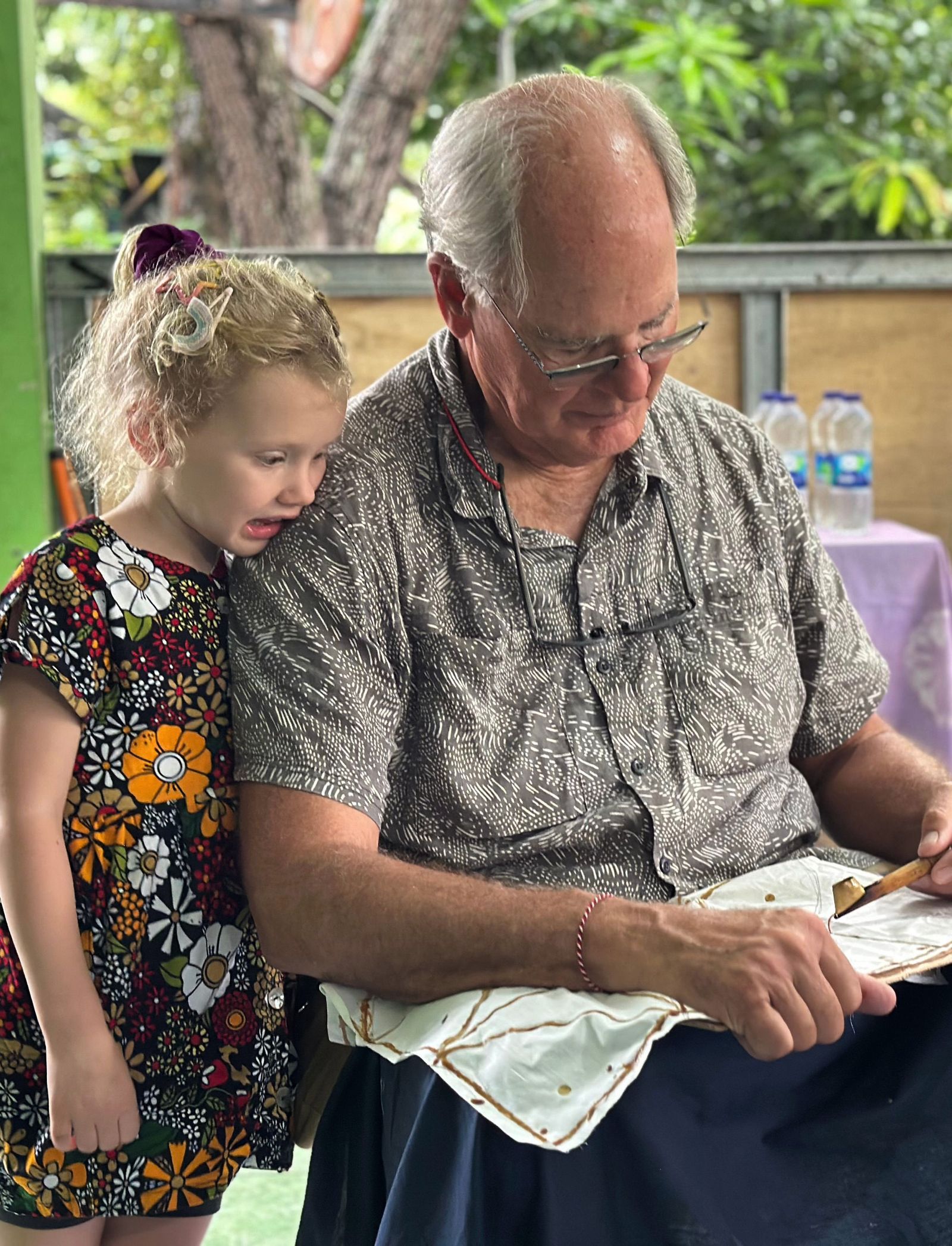
- Day 3: Hands-on Cultural Immersion: Engage in a family-friendly batik workshop. This is a wonderful multi-generational activity where grandparents and grandkids can sit together and learn the art of wax-resist dyeing.
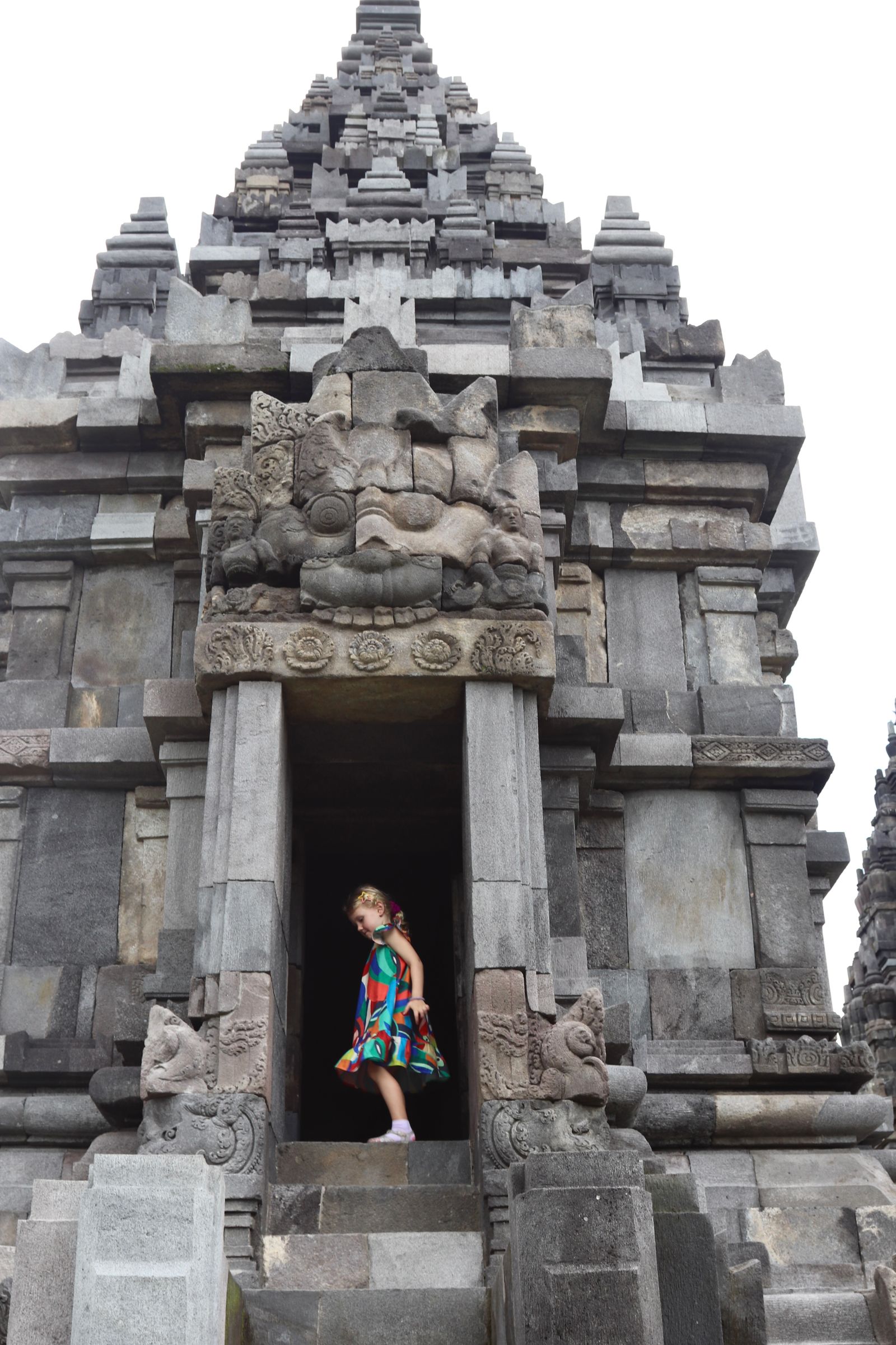
- Day 4: Prambanan and the Ramayana: Head back toward the city to visit the 9th-century Hindu temples at Prambanan. In the evening, watch the Ramayana Ballet, an open-air performance that captivates children with its fire dances and monkeys.
- Day 5: Royal Palace and Food Exploration: Visit the Kraton (Sultan’s Palace) in the morning. For lunch, try Gudeg, a local jackfruit stew that is sweet and mild enough for picky eaters. Wrap up with some souvenir shopping on Malioboro Street before departure.
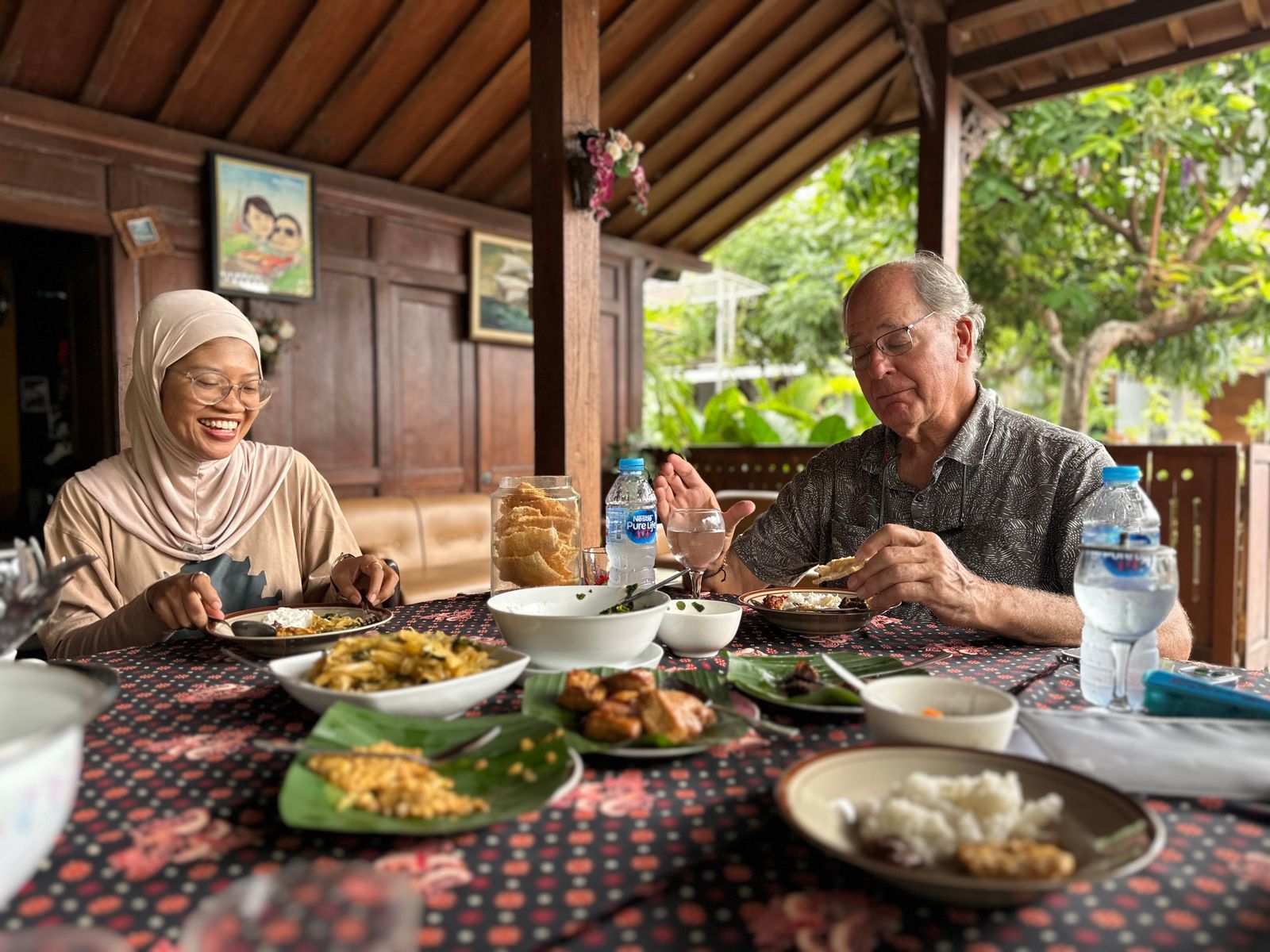
When exploring local food, look for restaurants formatted as "Joglos"—traditional wooden houses. They offer plenty of space for children to move around and usually offer a calm, shaded environment for seniors to rest while the family eats.
Logistics: Private Drivers and Luxury Bases
In many destinations, I’m a fan of public transit, but for a Yogyakarta multi-generational travel itinerary 5 days or longer, a Java private driver for multi-generational group travel is absolutely essential. Renting a large, air-conditioned van with a dedicated driver allows you to keep the family together without the stress of navigating chaotic traffic or waiting for ride-share apps in remote areas.
A private chauffeur act as more than just a driver; they often serve as an informal cultural bridge, helping you translate at markets or suggesting the best rest stops with clean facilities—a must for both seniors and kids.
When it comes to where to stay, selecting Borobudur as your base for the first few nights is a smart move. High-end boutique lodging like Amanjiwo or Plataran Borobudur offers an "oasis" feel. These resorts are designed with inclusive travel services in mind, providing wide paths, buggies for transport within the grounds, and on-site dining that caters to international palates.
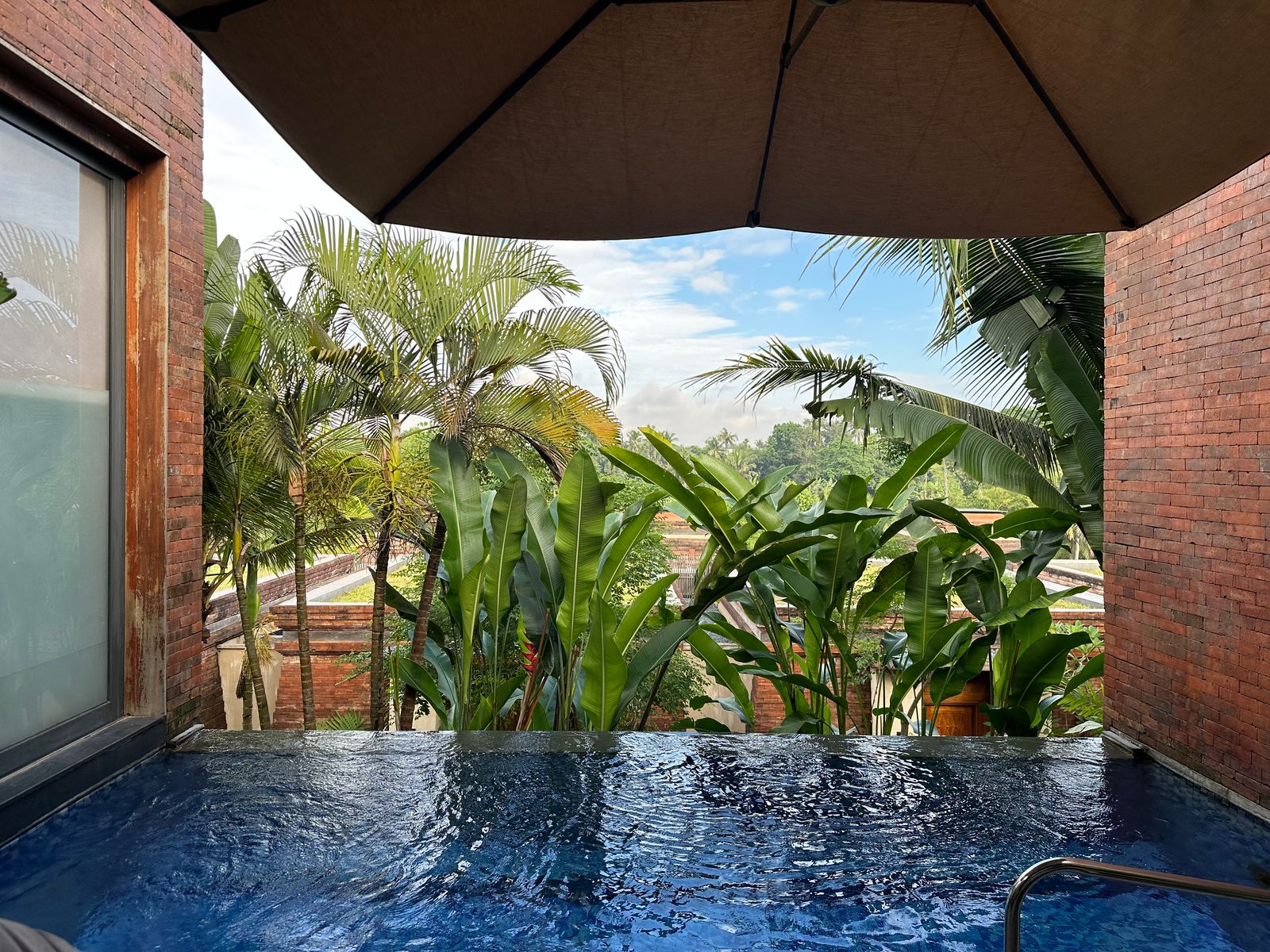
Staying near the temple minimizes the early morning drive time, allowing grandparents a few extra minutes of sleep and giving parents a head start on packing the diaper bag. Many of these luxury villas offer two or three-bedroom configurations, allowing for a "together but separate" model where everyone has their own space to decompress.
Engagement Beyond the Temple: Kids and Seniors Together
One of the highlights of Java family travel is seeing the intergenerational bonding that happens during cultural activities. While the temples are the "draw," the smaller moments often become the most cherished memories. Traditional Javanese blessings or village tours provide meaningful intergenerational connections that don't require the physical stamina of climbing stone monuments.
Interactive workshops provide a cooler, indoor alternative to temple climbing where kids and seniors can create together. We spent an afternoon at a local silver-making shop in Kota Gede and another morning learning Wayang Kulit (shadow puppetry). These activities bridge the age gap perfectly; children are fascinated by the puppets, while grandparents appreciate the intricate craftsmanship.
Managing the climate is your most important task for the health of your group. These equatorial climate tips can save your trip:
- Hydration: Always carry bottled water; Javanese humidity is deceptive.
- Cooling Aids: Personal neck fans or cooling towels are lifesavers for seniors during outdoor temple walks.
- The "Midday Retreat": Never schedule outdoor activities between 12:00 PM and 3:00 PM. This is prime nap time or pool time.
- Dress: Wear light, breathable linen or cotton. Remember that shoulders and knees must be covered for temple entry, so light sarongs are very useful.
By focusing on accessible tourism infrastructure and choosing a slow pace Java travel tips for grandparents and kids, you transform a potentially stressful logistical challenge into a seamless family pilgrimage.
FAQ
Is Java suitable for a family vacation?
Yes, Java is remarkably family-friendly due to its deep-rooted cultural respect for elders and children. While the infrastructure in rural areas can be challenging, the abundance of private transport, affordable luxury villas, and engaging hands-on activities like batik making make it an excellent choice for a robust cultural experience.
What are the best things to do in Java with kids?
Beyond visiting Borobudur, children often enjoy the Ramayana Ballet for its vibrant costumes and fire, taking a Jeep safari at Mount Merapi, and participating in local craft workshops. The Water Castle (Taman Sari) in Yogyakarta is also a hit with kids who love exploring "secret" underground tunnels and pools.
How do you travel around Java with children?
The most efficient and comfortable way to travel is by hiring a private car and driver. This allows you to maintain a flexible schedule, carry necessary supplies like snacks and extra clothes, and ensures children are in a climate-controlled environment between destinations. For longer distances, the executive-class trains are a scenic and comfortable option.
What is the best time of year to visit Java with family?
The dry season, from May to September, is the ideal time to visit. The weather is more predictable, which is crucial for outdoor activities like visiting Borobudur and Prambanan. If you travel during the shoulder months of April or October, you may encounter fewer crowds but should be prepared for afternoon rain showers.
How many days are enough for a family trip to Java?
For a multi-generational trip focusing on Central Java, 5 to 7 days is the sweet spot. This allows for a slow pace that accommodates rest days while covering the major historical sites in Yogyakarta and the rural beauty of the Borobudur area. If you wish to include East Java for the volcanoes, you should plan for at least 10 to 12 days.