Quick Facts
- Capital: Wellington
- Peak Season: December–February for summer sunshine; June–August for skiing
- Must-Do: Tongariro Alpine Crossing (19.4 km)
- Flight Access: Direct 17-hour flight from NYC to Auckland; new Perth-Christchurch route launching 2026
- Diversity Stat: More than 30% of its total land area is designated as protected national parks
- Top Experience: Stargazing within the Aoraki Mackenzie International Dark Sky Reserve
New Zealand remains the crown jewel of Oceania, offering a geographical and cultural diversity that feels like a world in one country. Whether you are trekking through the Southern Alps mountain ranges or immersing yourself in Māori cultural experiences, this New Zealand travel guide provides the essential data for your 2026 adventure. From the volcanic peaks of the North to the glacial fjords of the South, we help you navigate the ultimate choice: North Island vs South Island New Zealand for first time travelers.
Why New Zealand is Oceania's Most Diverse Destination
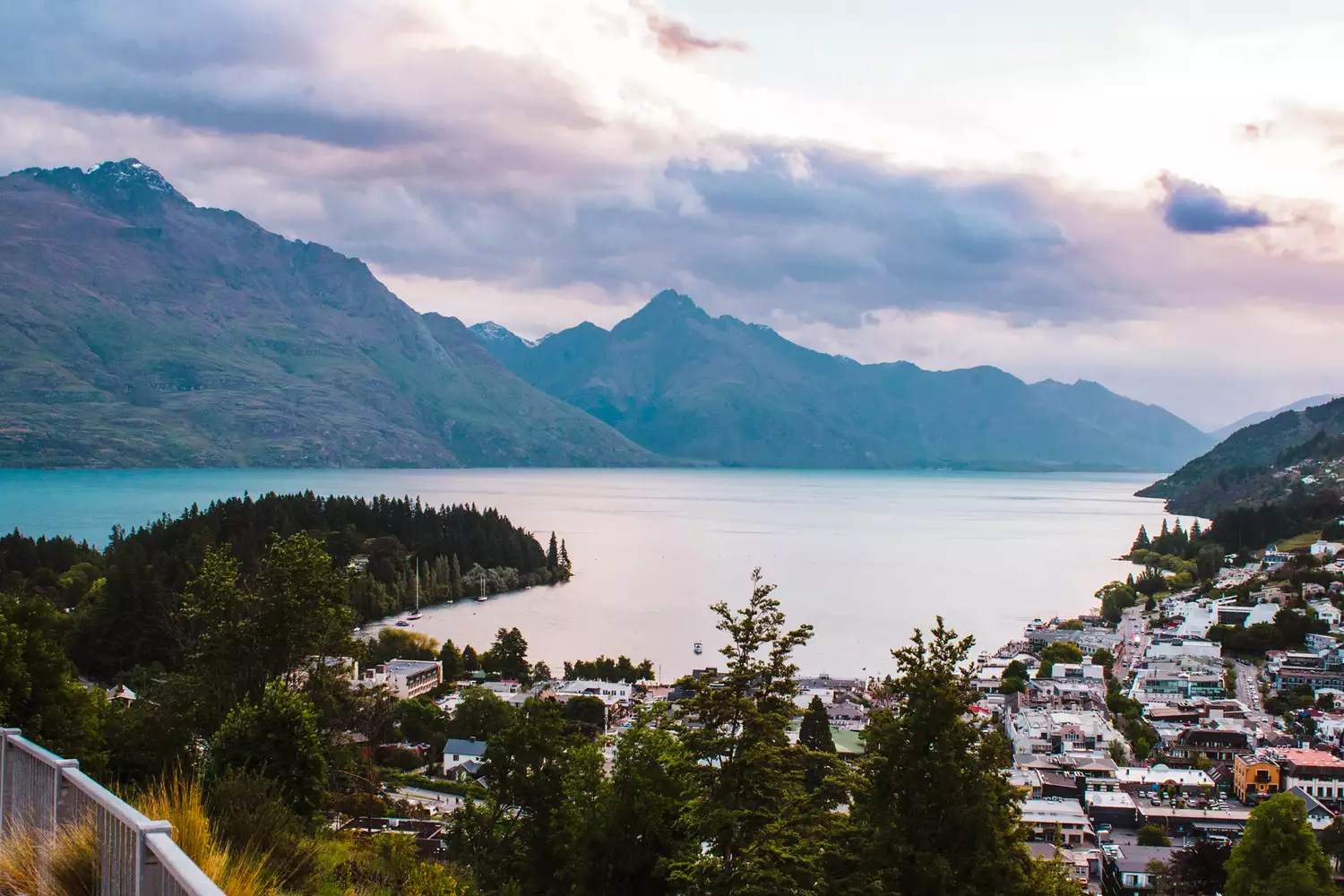
In my years of exploring the Pacific, I have found that travelers often mistake New Zealand for a singular experience. In reality, it is a dual identity forged by fire and ice. The nation's biological isolation has created an environment where 80% of New Zealand’s native vascular plants and 71% of its bird species are endemic, meaning you are walking through a landscape that exists nowhere else on Earth.
This New Zealand travel guide explores why the country is unmatched in Oceania, offering a blend of Polynesian Māori cultural experiences and alpine environments. New Zealand's diversity is quantified by its unique flora and the startling proximity of subtropical beaches to glacial valleys. It is a destination where you can visit a geothermal geyser in the morning and a world-class vineyard by afternoon. While other regional neighbors might offer great beaches or rugged outbacks, New Zealand packs three UNESCO World Heritage Sites and twelve distinct microclimates into a space roughly the size of Colorado.
The cultural fabric is equally rich. To understand New Zealand is to understand Te Ao Māori (the Māori world). Unlike many destinations where indigenous culture is relegated to museums, here it is a living, breathing part of the national identity, from the Haka performed on the rugby field to the profound concept of Kaitiakitanga, or guardianship of the land.
North Island: Volcanic Wonders and Māori Heritage
The North Island is characterized by its sub-tropical climate, pristine beaches, and vibrant urban centers like Auckland and Wellington. It serves as a hub for Māori cultural experiences and geothermal wonders in Rotorua. For travelers who enjoy a mix of cosmopolitan energy and ancient history, this island is the perfect starting point.
Auckland, the City of Sails, is home to over a million people and offers a sophisticated entry point into the country. However, the true heart of the North lies within the volcanic plateau. In Rotorua, the air carries the scent of sulphur as geothermal geysers Rotorua erupt beside bubbling mud pools. Just a short drive away, you can descend into the earth at the Waitomo Glowworm Caves, where for approximately $75 NZD, you can float silently beneath thousands of bioluminescent insects.
For fans of cinema, the Hobbiton movie set in Matamata remains one of the best places to visit in New Zealand, offering a meticulously maintained slice of Middle-earth. Yet, the most profound experiences are found at the Waitangi Treaty Grounds, where the nation’s founding document was signed. Because 85% of the Māori population resides on the North Island, the opportunities for authentic cultural exchange—ranging from traditional Hangi feasts to weaving workshops—reach their peak here.
Key Destinations in the North Island
- Auckland: The primary international gateway with world-class dining and harbor views.
- Rotorua: The center of geothermal activity and Māori performing arts.
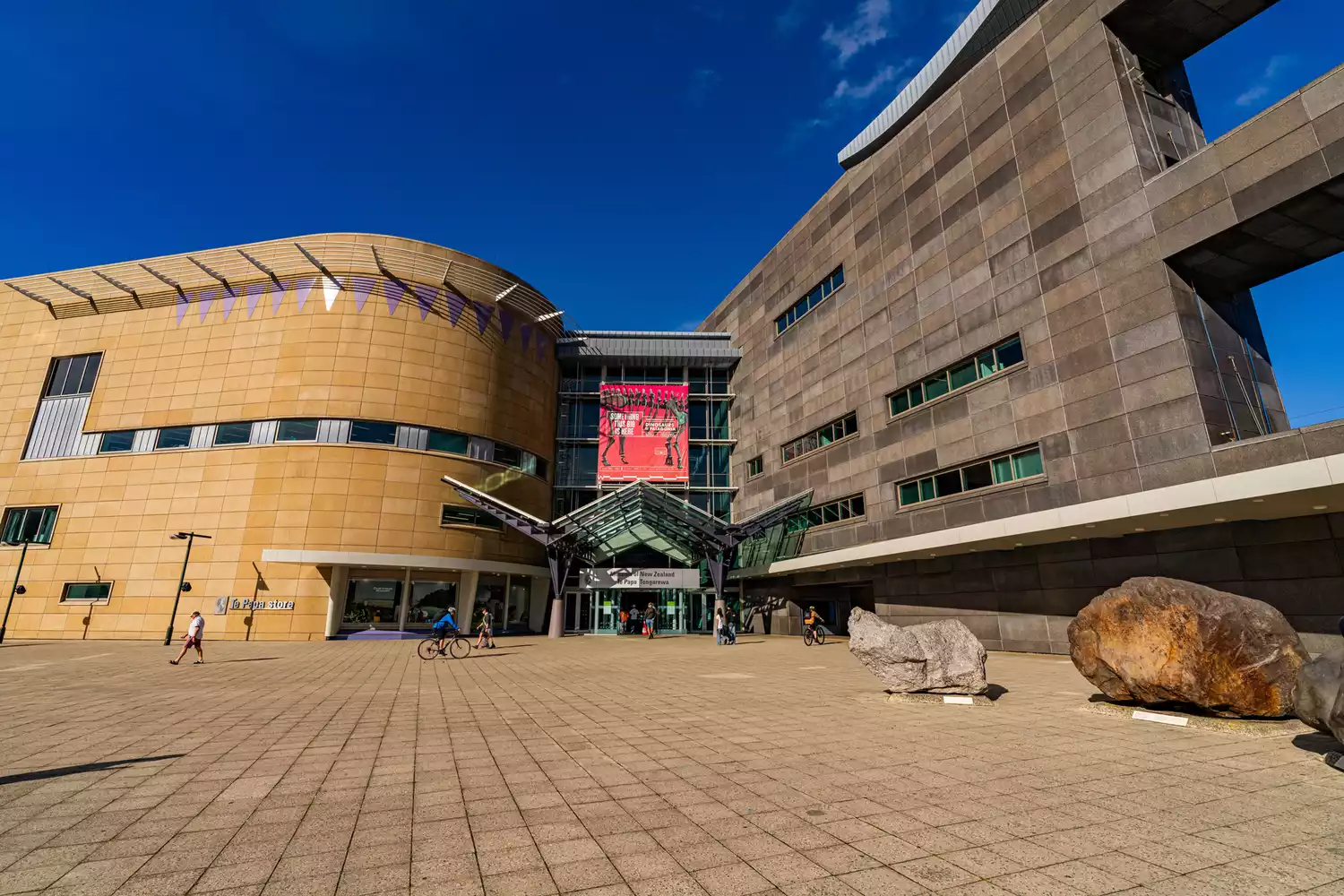
- Wellington: The nation's capital, home to the innovative Te Papa Tongarewa museum.
- Bay of Islands: A sub-tropical paradise perfect for sailing and spotting dolphins.
South Island: Alpine Majesty and the Adventure Capital
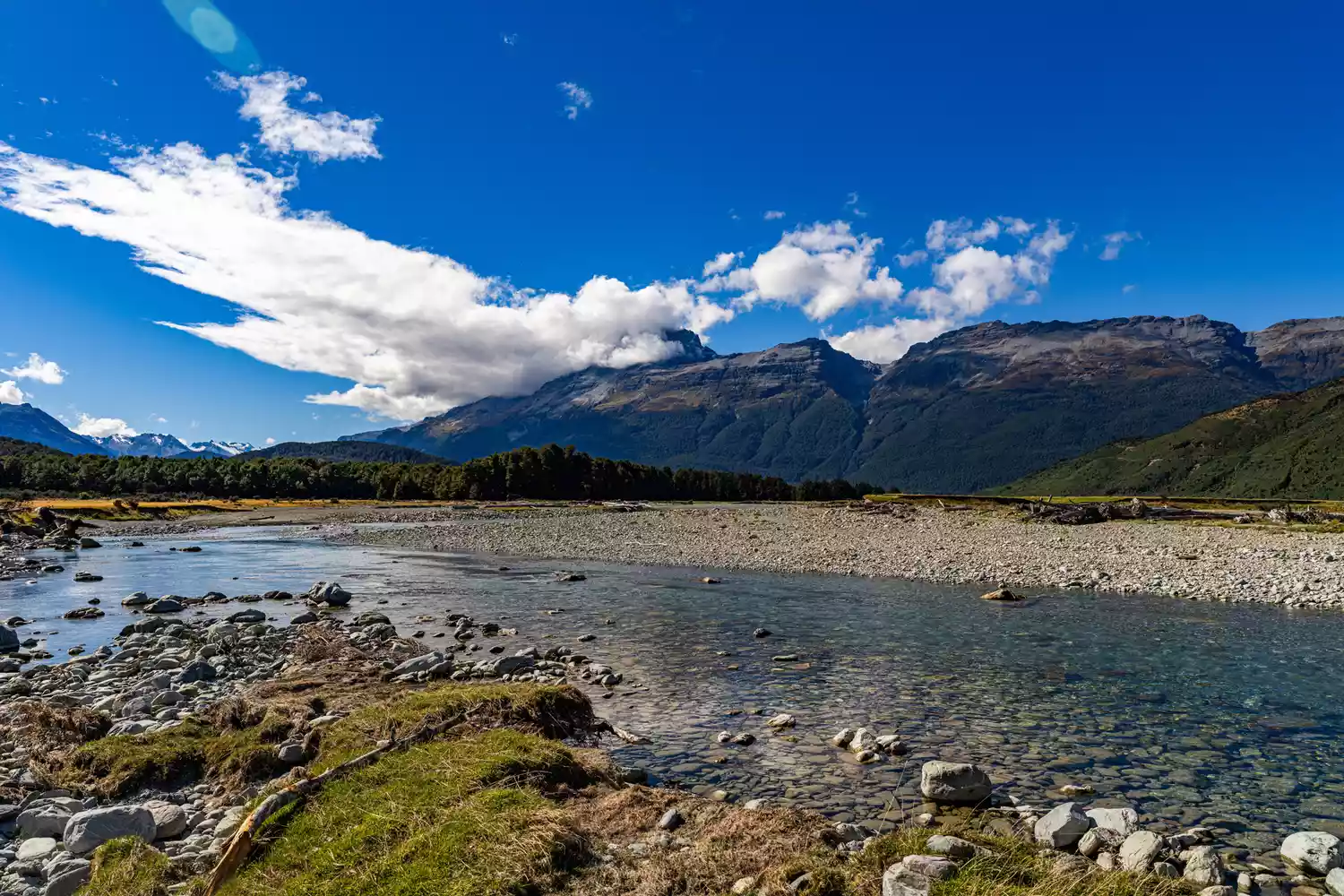
In contrast, the South Island features dramatic alpine landscapes, including the Southern Alps and Fiordland National Park. It is widely considered the center for adventure sports in Queenstown and offers world-class stargazing at the Dark Sky Reserve. While the North Island is about the connection between people and the land, the South Island is about the sheer, unbridled power of nature.
With only 23% of the country's population, the South Island feels vast and untouched. The Southern Alps mountain ranges run like a spine down the island, creating a rain shadow that results in the gold-hued plains of Canterbury and the lush rainforests of the West Coast. Fiordland National Park is the crown jewel here, where Milford Sound offers vertical cliffs and cascading waterfalls that look as though they were painted by a titan.
Queenstown has earned its reputation as the adventure capital of the world. Whether you are bungee jumping over the Kawarau River or taking a jet boat through narrow canyons, the adrenaline is high. For those who prefer a slower pace, the Marlborough Sauvignon Blanc produced at the top of the island is world-renowned. Sitting on a terrace overlooking the vines is one of the top food and wine destinations in New Zealand.
North Island vs South Island Comparison
| Feature | North Island | South Island |
|---|---|---|
| Primary Landscape | Volcanic plateaus, beaches, rolling hills | Alpine peaks, fjords, glaciers |
| Climate | Sub-tropical, humid | Temperate/Alpine, drier East |
| Best For | Culture, history, city life, warmer water | Adventure, photography, hiking, solitude |
| Major Hubs | Auckland, Wellington, Rotorua | Christchurch, Queenstown, Nelson |
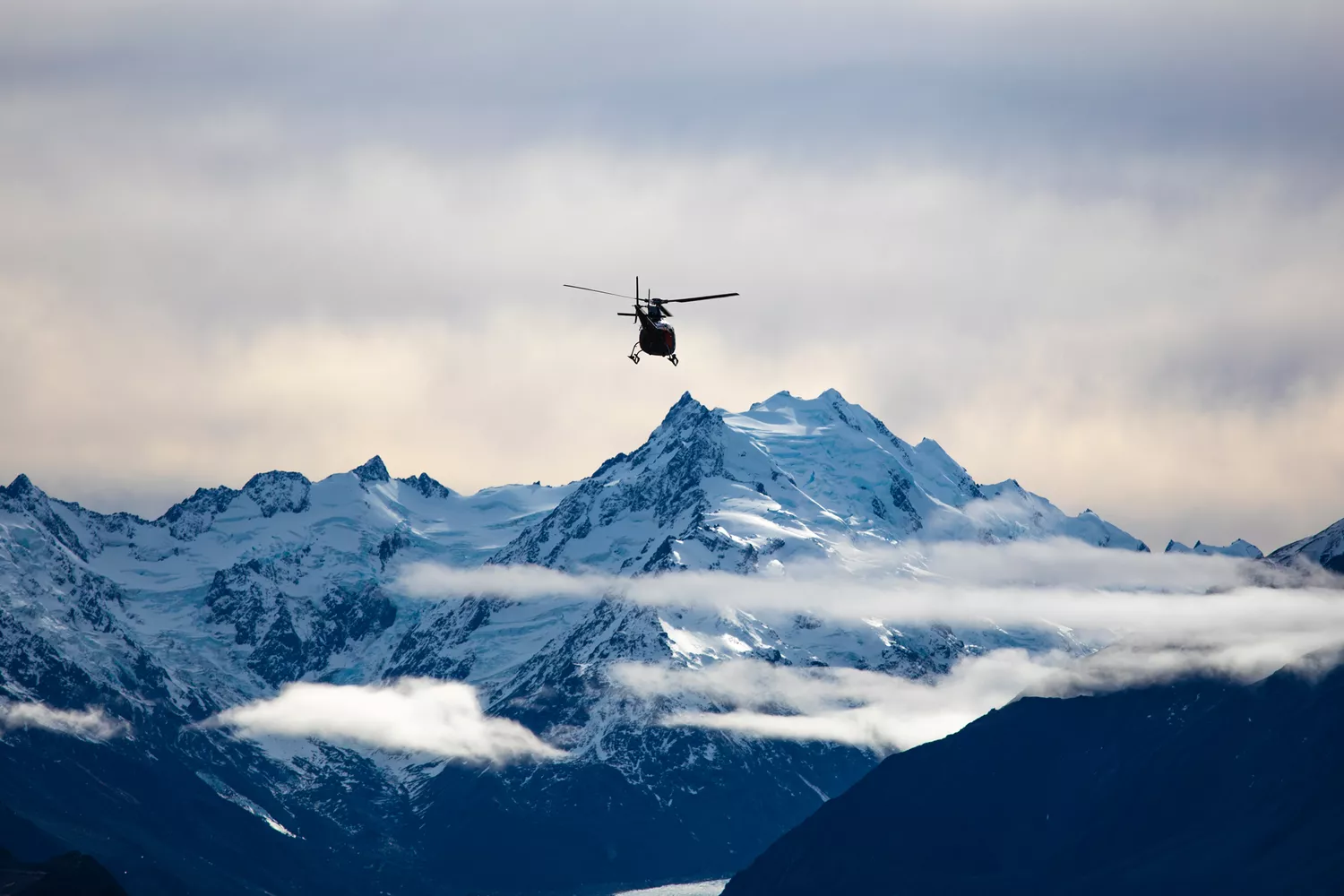
| Iconic Activity | Geothermal geysers and Māori villages | Helicopter flights and Great Walks |
Where Nature Meets Comfort: New Zealand Luxury Lodges
New Zealand is home to several world-renowned luxury lodges that offer exclusive experiences in remote settings. These are not merely hotels; they are strategically located hubs designed for regional exploration. Rosewood Kauri Cliffs in the North Island provides high-end golf and spa facilities with sweeping views of the Pacific, while Rosewood Cape Kidnappers is set on 6,000 acres of pasture-land with ocean views.
In the South Island, Matakauri Lodge in Queenstown offers premium lakeside accommodations with views of the Remarkables, and Blanket Bay in Glenorchy serves as a secluded retreat for travelers seeking privacy and high-end outdoor adventure. These luxury lodges and boutique hotels in New Zealand often provide private helicopter access to the Great Walks hiking tracks, allowing guests to experience the Kepler or Milford tracks without the crowds.
As we look toward 2026, accessibility to these remote corners is improving. The new flight paths, such as the direct route from Perth to Christchurch, are opening up the South Island wilderness to a new generation of luxury travelers.
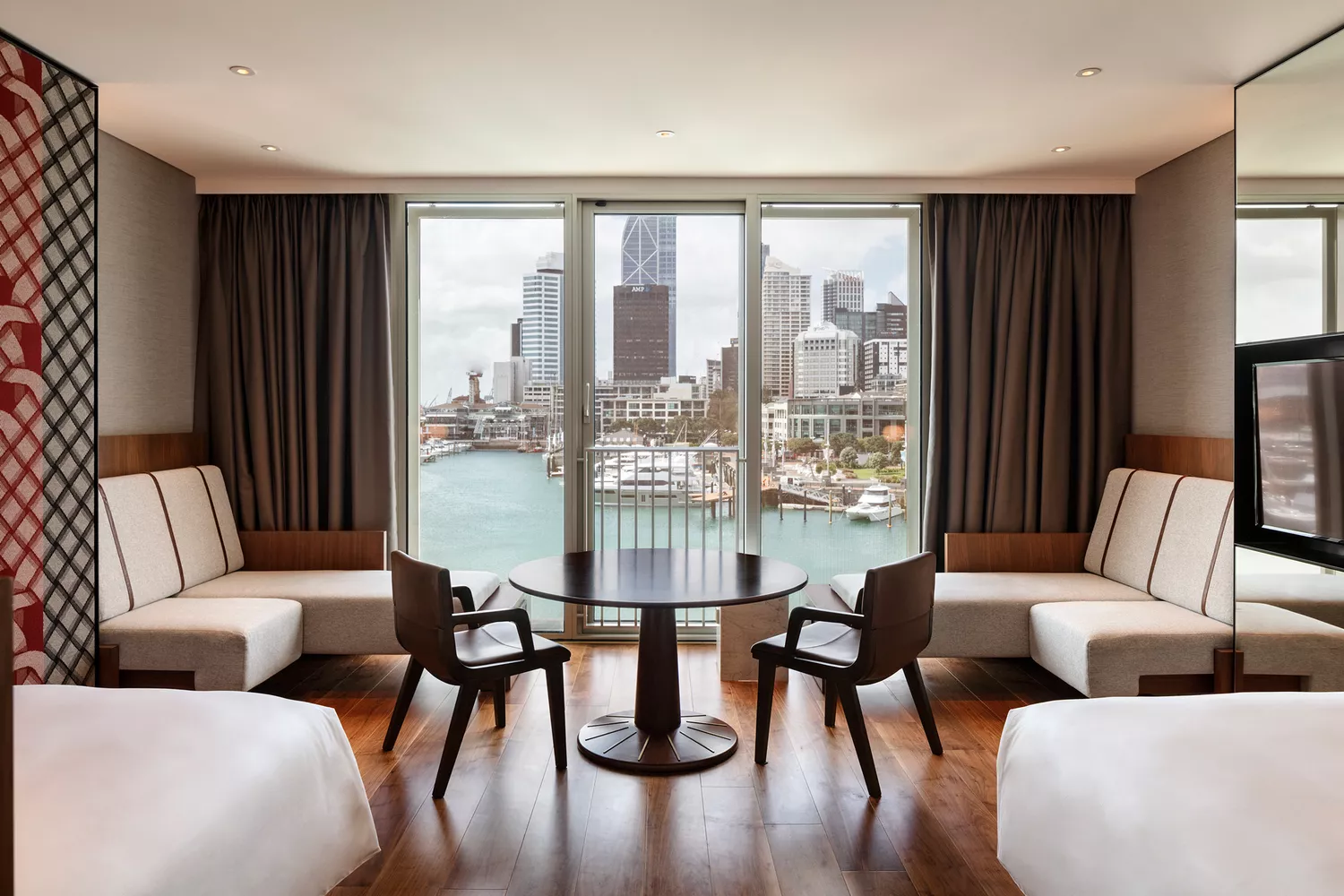
Luxury Lodge Amenities Comparison
| Lodge | Best For | Standout Amenity |
|---|---|---|
| Rosewood Kauri Cliffs | Golf & Ocean Views | World-class par 72 championship golf course |
| Matakauri Lodge | Romance & Views | Private balconies overlooking Lake Wakatipu |
| Blanket Bay | Alpine Privacy | Great Room with 30-foot stone fireplace |
| The Lindis | Stargazing | Mirrored glass pods in the Ahuriri Valley |
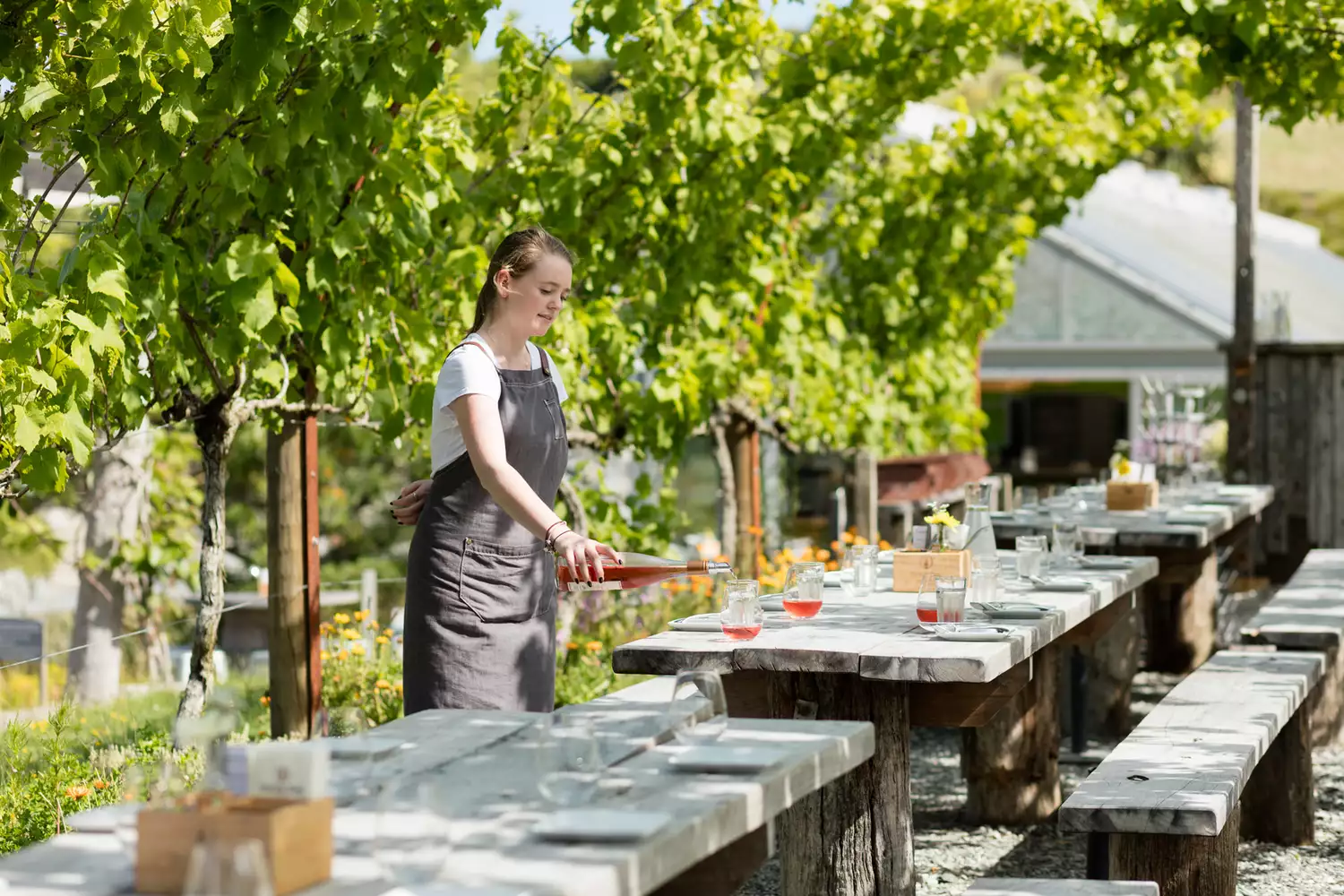
Visualizing Your Trip: The Ultimate 2026 Itinerary
Planning a best 2 week New Zealand travel itinerary requires a strategic balance between the two islands. While you could spend a month on either, fourteen days allows for a comprehensive overview of the highlights.
- Days 1–3: Auckland and the North: Start with urban exploration and a ferry to Waiheke Island for wine tasting. Visit the Te Papa Tongarewa museum if you fly through Wellington.
- Days 4–6: Rotorua and Taupo: Witness the geothermal geysers Rotorua and take on the challenge of the Tongariro Alpine Crossing.
- Days 7–10: Queenstown and Fiordland: Fly south to Queenstown. Spend a day in the adventure activities in Queenstown New Zealand guide and another on a cruise through Milford Sound.
- Days 11–14: Wanaka and Tekapo: Drive north through the Southern Alps mountain ranges. End your trip with Dark Sky Reserve stargazing at Lake Tekapo and a visit to the Marlborough Sauvignon Blanc vineyards.
The best time of year to visit New Zealand for summer weather and hiking is between December and early April. During these months, you will enjoy warm temperatures and long days, perfect for the Great Walks. Conversely, the winter ski season runs from June to October, making it the ideal time for travelers visiting the ski resorts of Queenstown and Wanaka.
When it comes to logistics, remember that New Zealanders drive on the left. Roads can be narrow and winding, so always allow extra time for travel between destinations. The ferry between the North and South Islands is an experience in itself, crossing the Cook Strait with stunning views of the Marlborough Sounds.
FAQ
Which island is better to visit, the North or South Island?
There is no single winner as both islands offer distinct experiences. The North Island is superior for those interested in Māori cultural experiences, geothermal activity, and warmer coastal weather. The South Island is the better choice for dramatic alpine scenery, ice-carved fjords, and high-intensity adventure sports. For first-time travelers, a split of 40% North and 60% South is often recommended.
What is the best month to visit New Zealand?
For warm weather, long hiking days, and beach conditions, February is often considered the best month. The summer crowds begin to thin, but the weather remains stable. If you are interested in winter sports, August offers the most reliable snow cover for the Southern Alps and the volcanic plateau.
How many days do I need for a trip to New Zealand?
To see both the North and South Islands without feeling rushed, a minimum of 14 days is required. If you only have 7 to 10 days, it is highly recommended to stick to one island to minimize transit time and maximize your immersion in the local environment.
What are the top must-see attractions in New Zealand?
The top attractions include the Hobbiton movie set, the geothermal geysers in Rotorua, the 19.4 km Tongariro Alpine Crossing, and the breathtaking Milford Sound in Fiordland National Park. For a unique experience, the Waitomo Glowworn Caves and stargazing at the Dark Sky Reserve are essential.
Is it difficult for tourists to drive in New Zealand?
Driving in New Zealand can be challenging for those used to multi-lane highways. Roads are often two lanes, winding, and steep. You must drive on the left side of the road. While the scenery is beautiful, it is important to stay focused and take regular breaks, as travel times are usually longer than GPS estimates suggest.