Quick Facts
- Primary Logic: Escape the commercial centers to focus on neighborhood immersion and artisanal depth in areas like Nakameguro and Kuramae.
- Top Culinary Pick: The inventive lime and fig soba at Suba VS, a masterclass in modern Japanese culinary hybridity.
- Key Craft Stop: Bingoya in Shinjuku-ku for rare finds like hand-pressed washi and traditional textiles.
- Cultural Landmark: The Japan Folk Craft Museum (Mingei-kan), the spiritual home of the Mingei movement.
- Global Standing: Tokyo recently secured its place as the number one destination in the 'Best Big Cities' category in the 2025 Readers' Choice Awards.
- Travel Context: As international visitor arrivals reached a record-breaking 36.9 million in 2024, seeking hidden gems has become essential for a sophisticated experience.
A sophisticated Tokyo 3-day itinerary is entirely possible by focusing on curated neighborhoods like Nakameguro, Kuramae, and the folk-art heritage of the Mingei movement rather than mainstream tourist tracks. This unhurried approach allows travelers to transition from mere tourists to local guests, discovering the city’s soul through its quiet boutiques and historical architecture.
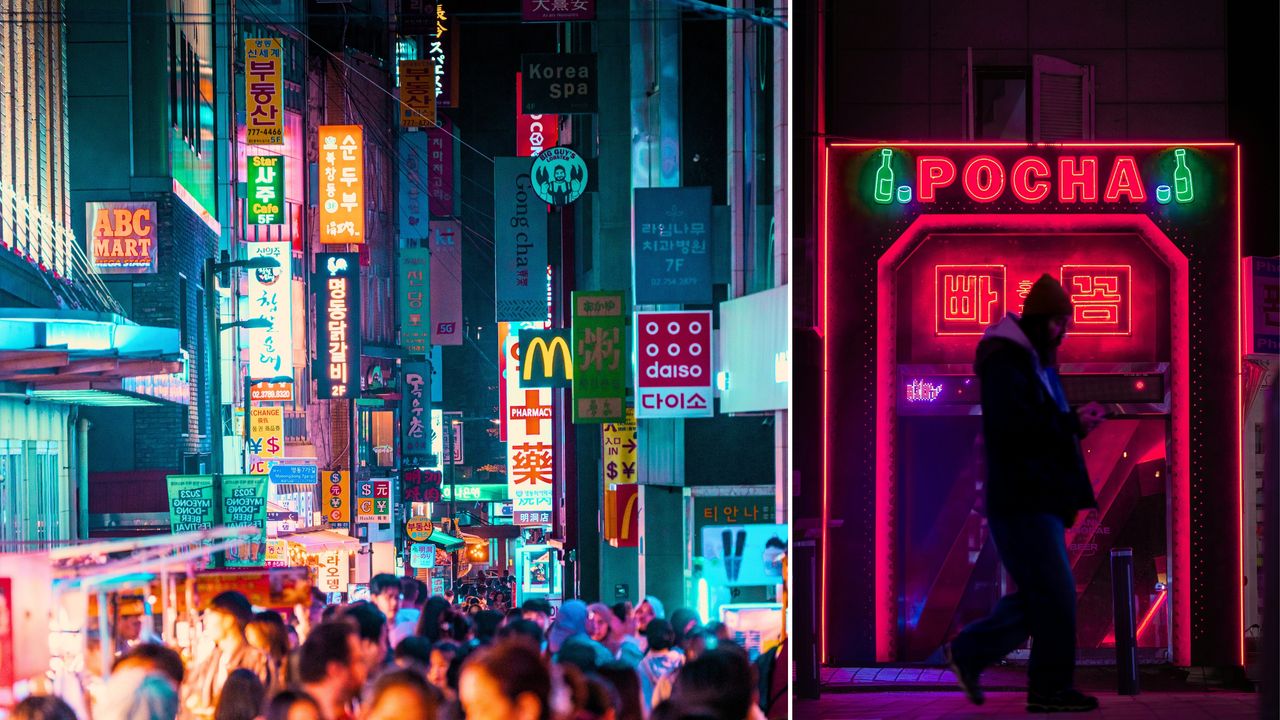
Tokyo is a city of layers, a palimpsest where the neon gloss of the present never quite obscures the weathered wood of the past. To visit for seventy-two hours is not about checking boxes at a frantic pace; it is about choosing a rhythm. Nicolas Chalmeau, the Thai-French creative force behind the brand Sillage, understands this better than most. Since moving to the city, his eye for volume, texture, and cultural preservation has defined a new way of seeing the megalopolis. This guide is a tribute to that slow travel mindset—a Tokyo 3-day itinerary designed for those who find more beauty in a hand-pressed washi sheet than a skyscraper view.
Day 1: Design Aesthetics and Hidden Boutiques in West Tokyo
Our journey begins away from the glittering skyscrapers, moving instead toward the residential soul of the west. To understand the future of Tokyo design, one must first look at its bones. A morning trip to the Edo-Tokyo Open-Air Museum provides the necessary context. Here, Showa-period architecture is preserved with stunning clarity, offering a tactile history of how Tokyoites lived before the concrete boom. Walking through these relocated buildings feels like stepping into a film set where the scent of aged cedar still lingers.
By afternoon, the focus shifts to Nakameguro. While many know it for the cherry blossoms along the Meguro River, the real magic lies in its side streets. This is a non touristy 3 day Tokyo trip essential. Avoid the mainstream cafes and head straight for Galerie 21. Curated with a sharp eye for objects that balance form and function, it is the perfect place to discover the aesthetic intentionality that defines modern Japanese lifestyle. The shops here offer a sophisticated 3 day tokyo itinerary for craft lovers, focusing on items that tell a story of provenance.
As evening falls, the culinary experience must match the day’s visual rigor. Menya Jojo offers a signature order that challenges the standard ramen narrative: the duck tsukemen. The broth is rich, clinging to thick noodles with a savory depth that feels both rustic and refined. It is a neighborhood favorite, providing a taste of local life far removed from the queues of Shinjuku.
Signature Order: Day 1
- Culture: Edo-Tokyo Open-Air Museum (focus on the Takahashi Korekiyo residence).
- Shopping: Galerie 21 for curated ceramics and home goods.
- Dinner: Duck tsukemen at Menya Jojo, followed by natural wine at Takarabune.
Day 2: The Soul of the Mingei Movement and Folk Art
On the second day, we delve into the philosophy of the ordinary: the Mingei movement. Founded by Yanagi Soetsu, this movement celebrates the beauty in everyday utilitarian objects made by nameless craftsmen. The Japan Folk Craft Museum, or Mingei-kan, in Komaba is a sanctuary of quietude. The architecture itself—a traditional wing connected to a stone hall—is a masterpiece of artisanal heritage. Inside, the collection of textiles, woodwork, and pottery reminds us that true luxury lies in durability and honest craftsmanship.
Lunch should be an exercise in culinary hybridity at Suba VS. This standing soba shop has gained a cult following for its inventive pairings. Order the lime and fig soba; the citrus brightness and the jammy sweetness of the fruit transform the humble buckwheat noodle into a revelation. It is a bright, modern contrast to the historical weight of the morning.
For the afternoon, lean into the intellectual side of the city. Tokyo is a haven for those seeking niche publications. Spend time in independent bookstores near Shibuya and Komaba that specialize in art and photography. These are not just shops; they are cultural hubs curated by people who value the physical feel of paper. If you are looking for where to find authentic handmade souvenirs in tokyo, make the trek to Casica in Shin Kiba after your bookstore wanderings. Housed in a renovated timber warehouse, Casica stocks everything from folkloric items to vintage furniture, perfectly encapsulating the city’s love for cultural preservation.

Signature Order: Day 2
- Museum: Japan Folk Craft Museum (Mingei-kan).
- Lunch: Lime and fig soba at Suba VS.
- Souvenirs: Casica for large-scale folkloric finds or independent photo zines.
Day 3: Shitamachi Heritage and The New Social Centers
The final day of this Tokyo 3-day itinerary turns toward the east, to Kuramae. Often called the 'Brooklyn of Tokyo', this neighborhood belongs to the Shitamachi (low city) tradition but has been revitalized by young artisans. Here, the non touristy sights in nakameguro and kuramae come to life through leather workshops and specialty coffee roasters. It is a place where you can watch a craftsman hand-stitch a wallet while sipping a meticulously brewed pour-over.
For those on a 3 day tokyo plan for repeat visitors seeking hidden gems, Bingoya is the ultimate destination. Located in Shinjuku-ku but feeling worlds away, this multi-story treasure trove is dedicated entirely to folk art. It is one of the few places where you can still find hand-pressed washi and traditional indigo-dyed textiles from various prefectures across Japan. It is a tokyo itinerary for historical architecture and folk art condensed into a single building.
Close the journey by acknowledging Tokyo’s ever-evolving skyline at Azabudai Hills. While it is a modern landmark, the architecture integrates lush greenery and art installations, reflecting a high-end social center that prioritizes human experience. For a final meal, secure a table at AC House for a seasonal omakase. The menu is an unhurried dialogue between Japanese ingredients and global techniques, providing a sensory food description of the city’s current culinary peak.
Signature Order: Day 3
- Morning: Leather and paper craft wandering in Kuramae.
- Mid-Day: Bingoya for textiles and paper heritage.
- Dinner: Seasonal omakase at AC House (reservations essential).
Essential Tokyo Logistics for 2026
With international interest in Japan showing a 16% increase over the previous high in 2019, navigating the city requires more than just a map; it requires a strategy. Tokyo’s transport system is legendary, but it can be daunting. Using a digital Suica or Pasmo on your phone is the most frictionless way to handle transit.
The complexity of major hubs like Shinjuku Station—which boasts over 200 exits—means you should always check which specific exit is closest to your destination before emerging from the underground. For those with dietary preferences, Shibuya Parco’s basement and the residential streets of Setagaya offer excellent vegan and vegetarian omakase paths that don't sacrifice the authentic Tokyo food and craft guide experience.
Local Etiquette Tip: When visiting independent boutiques or craft museums, always ask before taking photographs. Many artisans view their shops as private workspaces, and a respectful inquiry goes a long way in establishing rapport.
FAQ
Is 3 days in Tokyo enough?
While you cannot see everything, a Tokyo 3-day itinerary is perfectly sufficient if you focus on specific themes like craft or neighborhood immersion. By avoiding the largest tourist crowds and concentrating on areas like Nakameguro or Kuramae, you gain a deeper, more meaningful connection to the city's character.
What is the best area to stay in Tokyo for a 3-day trip?
For a sophisticated experience, consider staying in Nakameguro or Daikanyama. These areas offer a local atmosphere with high-end boutiques and excellent dining, while still being well-connected to major transit lines. They allow you to start and end your day in a residential setting rather than a commercial zone.
What are the top must-visit spots in Tokyo for a short trip?
If you are seeking authenticity, the Japan Folk Craft Museum and the Edo-Tokyo Open-Air Museum are essential. For shopping, Bingoya and the curated shops of Kuramae offer unique items. Culinary must-visits include Suba VS for innovative soba and neighborhood gems like Menya Jojo.
Can you see the main parts of Tokyo in 3 days?
You can visit the major architectural landmarks and iconic neighborhoods, but the "main" parts of Tokyo are often the hidden side streets. This guide prioritizes those authentic experiences over the typical Shibuya Crossing or Tokyo Tower circuit to ensure a more memorable visit for repeat guests.
Is it worth visiting Tokyo for only 3 days?
Absolutely. Tokyo is a city designed for efficiency and discovery. Even a short trip can be transformative if you follow a curated tokyo guide for art and photography book collectors or craft enthusiasts. The key is to choose quality of experience over quantity of locations visited.