Quick Facts
- 2026 Composite Ticket: ₹1,000 for foreigners / ₹400 for Indians (covers 6 major monuments including Amber Fort and Jantar Mantar).
- Best Visiting Window: October to March, with temperatures averaging between 15°C and 25°C.
- Essential Sites: Amber Fort, City Palace, and the celestial Juntar Mantar.
- Hidden Gem: The symmetrical Panna Meena Ka Kund stepwell.
- Transport: Full-day private drivers typically cost between ₹1,500 and ₹2,200 depending on vehicle class.
- Global Standing: Jaipur was ranked as the 5th best city in the world for travelers in the 2025 Travel + Leisure World's Best Awards.
Jaipur, the capital of Rajasthan and a cornerstone of the Golden Triangle circuit, remains India’s most vibrant destination. First-time visitors should prioritize things to do in Jaipur that cover the UNESCO World Heritage site designations, including the honeycomb-facade of Hawa Mahal and the royal City Palace. A 2-to-3-day itinerary is ideal for exploring this historic gem, allowing enough time to balance the major monuments with the city’s legendary craft bazaars and emerging wildlife scenes.
The Amer Cluster: Forts and Hidden Steps
Most travelers begin their journey in the northern hills, where the Rajput architecture reaches its most grand and defensive heights. The crown jewel of this area is the Amber Fort. To experience this site without the overwhelming crowds, I recommend visiting Amber Fort at sunrise tips: arrive at the base by 7:45 AM. As the first light hits the yellow sandstone, the fort appears to glow, reflecting beautifully in Maota Lake below.
Inside the fort, the Sheesh Mahal (Mirror Palace) is a marvel of 17th-century craftsmanship. Thousands of tiny convex mirrors are embedded into the walls and ceilings, designed so that a single candle could illuminate the entire hall. Beyond the mirrors, explore the zenana (women's quarters) and the intricate Ganesh Pol gate.
Just a short drive or walk from the fort exit is Panna Meena Ka Kund. This ancient stepwell is one of the best photo spots in Jaipur Pink City due to its perfectly symmetrical yellow stairways. While security no longer allows tourists to walk down the steps for safety reasons, the view from the top provides a stunning geometric perspective often missed by those who stay on the main tourist paths.
For those interested in military history, Jaigarh Fort stands on the hill above Amber. It houses the Jaivana, which was once the world's largest cannon on wheels. The fort offers unparalleled views of the Aravalli Hills and was designed as a secure retreat for the royal family. Finish your northern exploration at Nahargarh Fort, especially as the sun sets. The view of the city lights sprawling below provides one of the most romantic things to do in Jaipur at night.
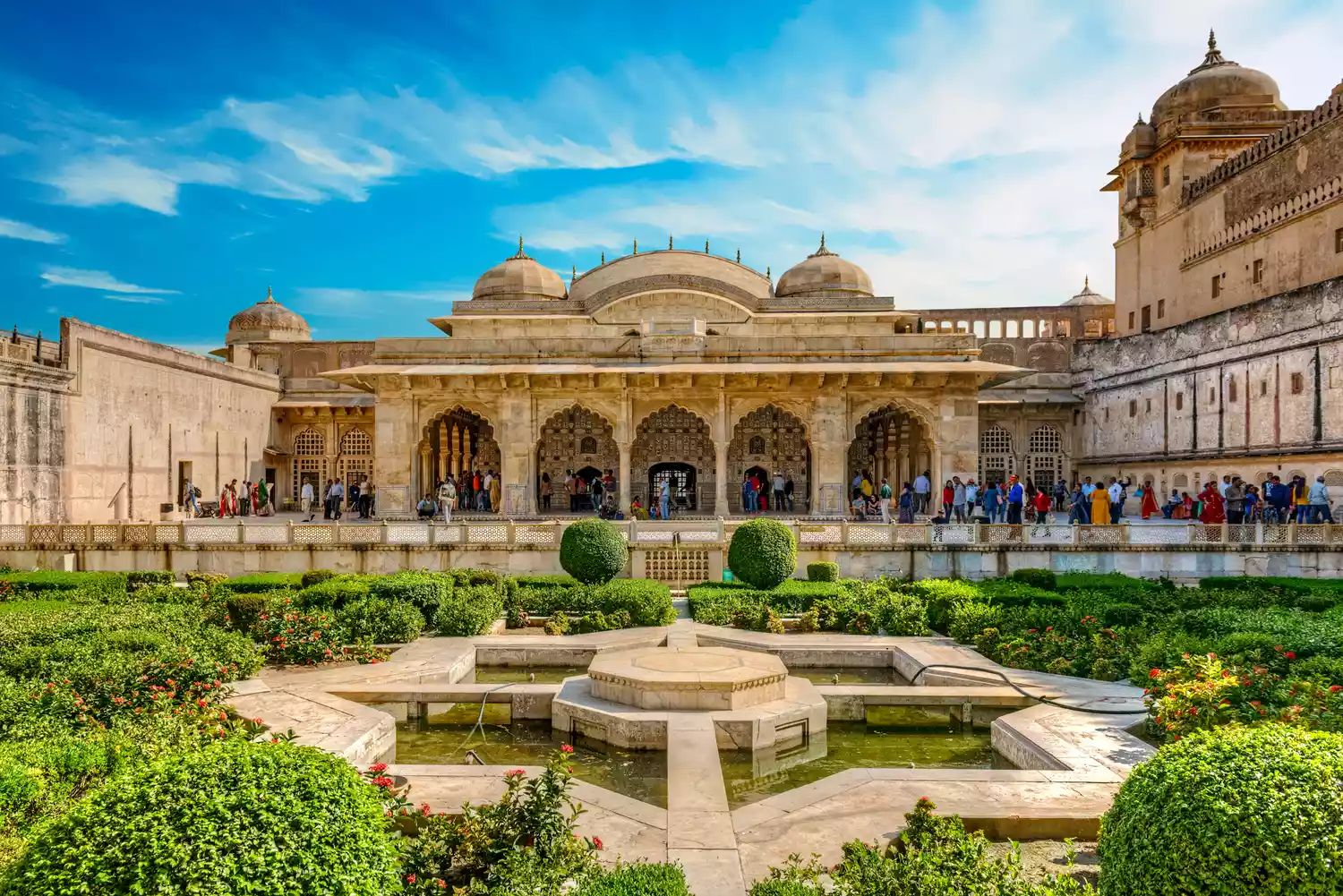
Pro Timing Tip: Visit the Amber Fort at 8 AM sharp. Most large tour groups do not arrive until 10 AM, giving you a two-hour window of relative quiet to explore the Sheesh Mahal and the upper courtyearrds.
The Pink City Core: Palaces and Observatories
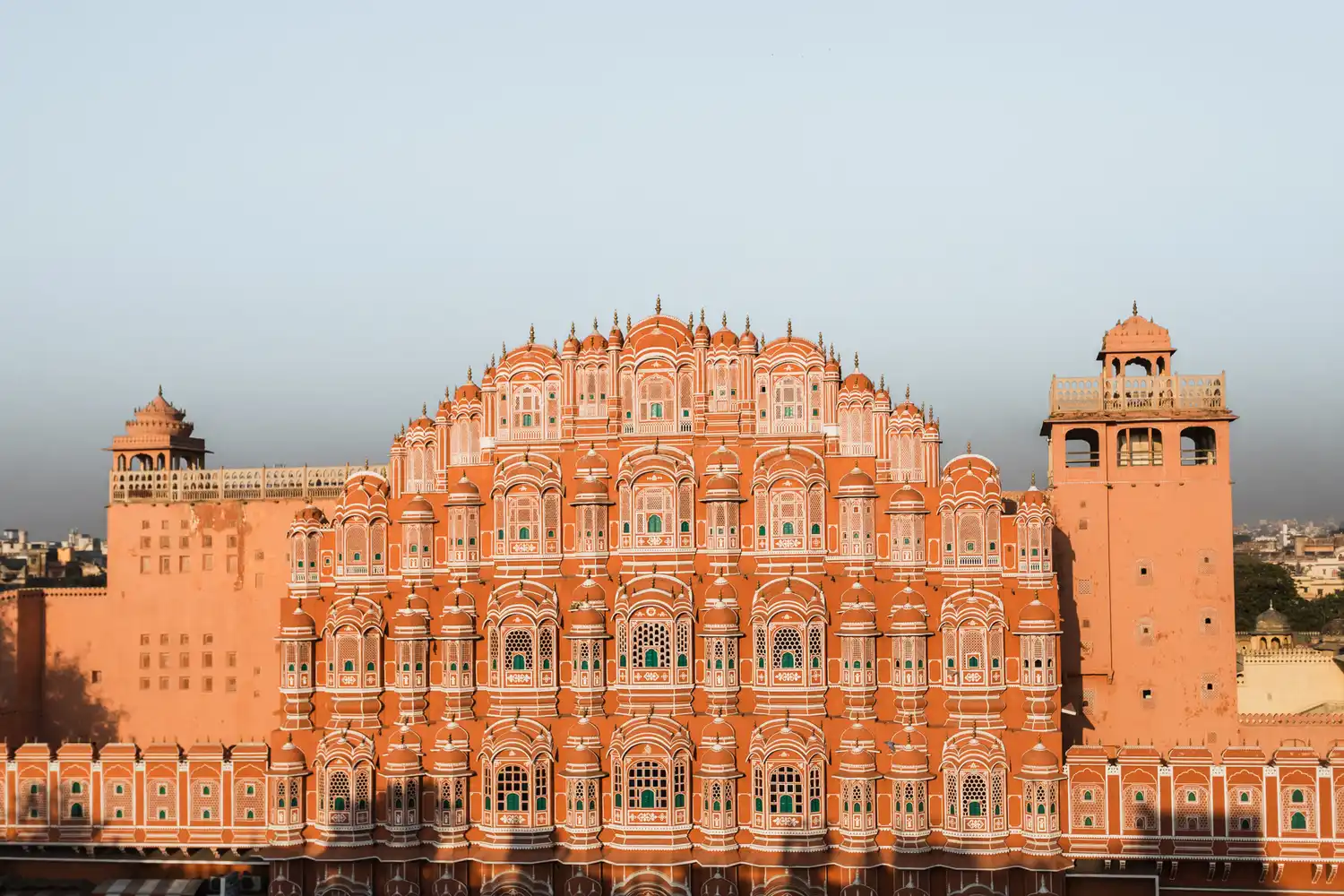
Descending from the hills into the walled city, you enter the historic heart colored in "terracotta pink"—a tradition dating back to 1876. The Hawa Mahal, with its 953 small windows (jharokhas), is a masterpiece designed to allow royal ladies to observe street life without being seen. While the interior is worth a quick walk through, the most iconic views are found at the rooftop cafes directly across from the facade, such as Wind View Cafe or Tattoo Cafe.
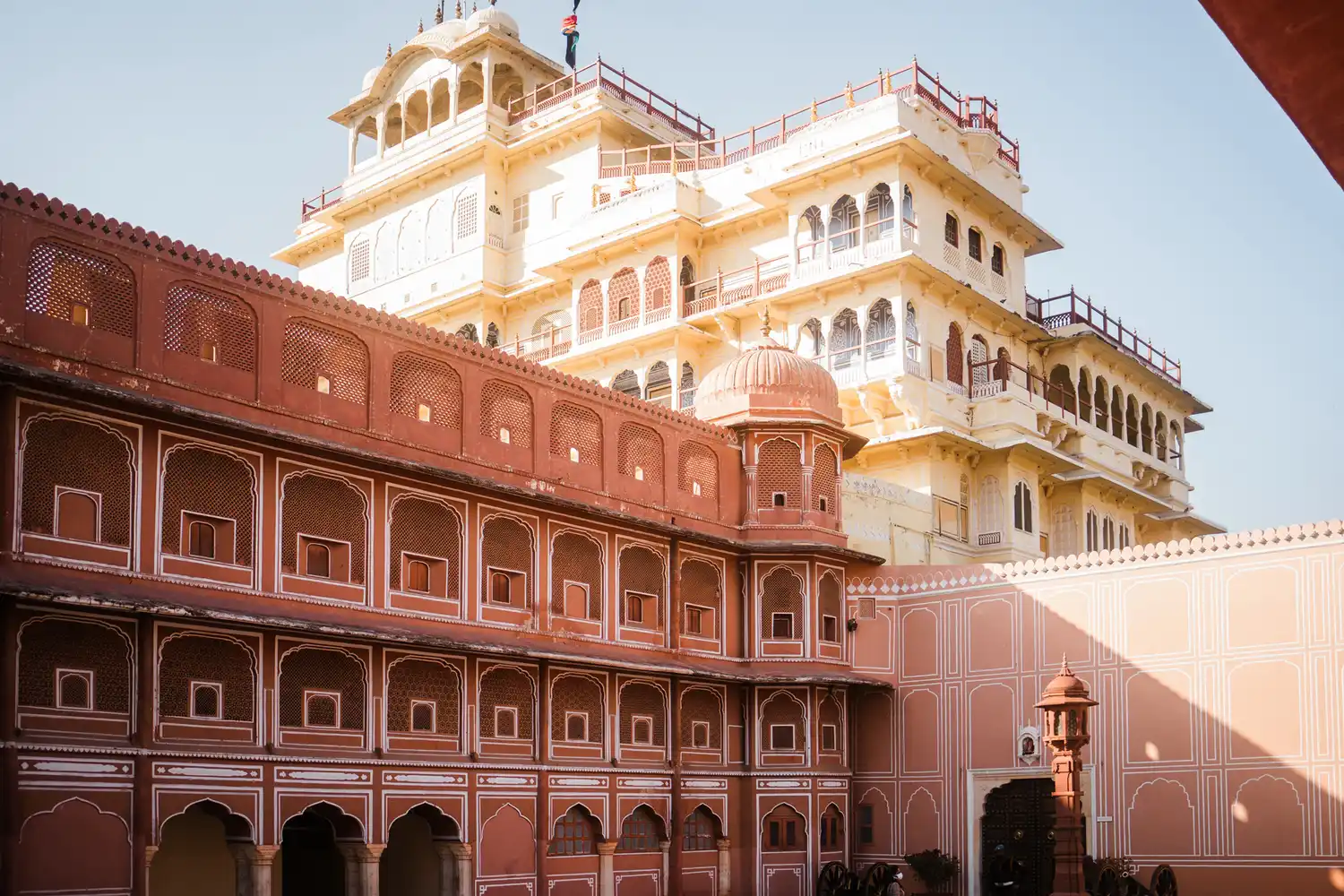
A few minutes away lies the City Palace, a sprawling complex that still serves as a residence for the royal family of Jaipur. While a standard ticket grants access to the museums and public courtyards, I suggest opting for the "Royal Grandeur" tour. This allows access to the Chandra Mahal, the private chambers of the Maharaja, where the blue-and-white frescoes provide a sophisticated contrast to the city's pink exterior.
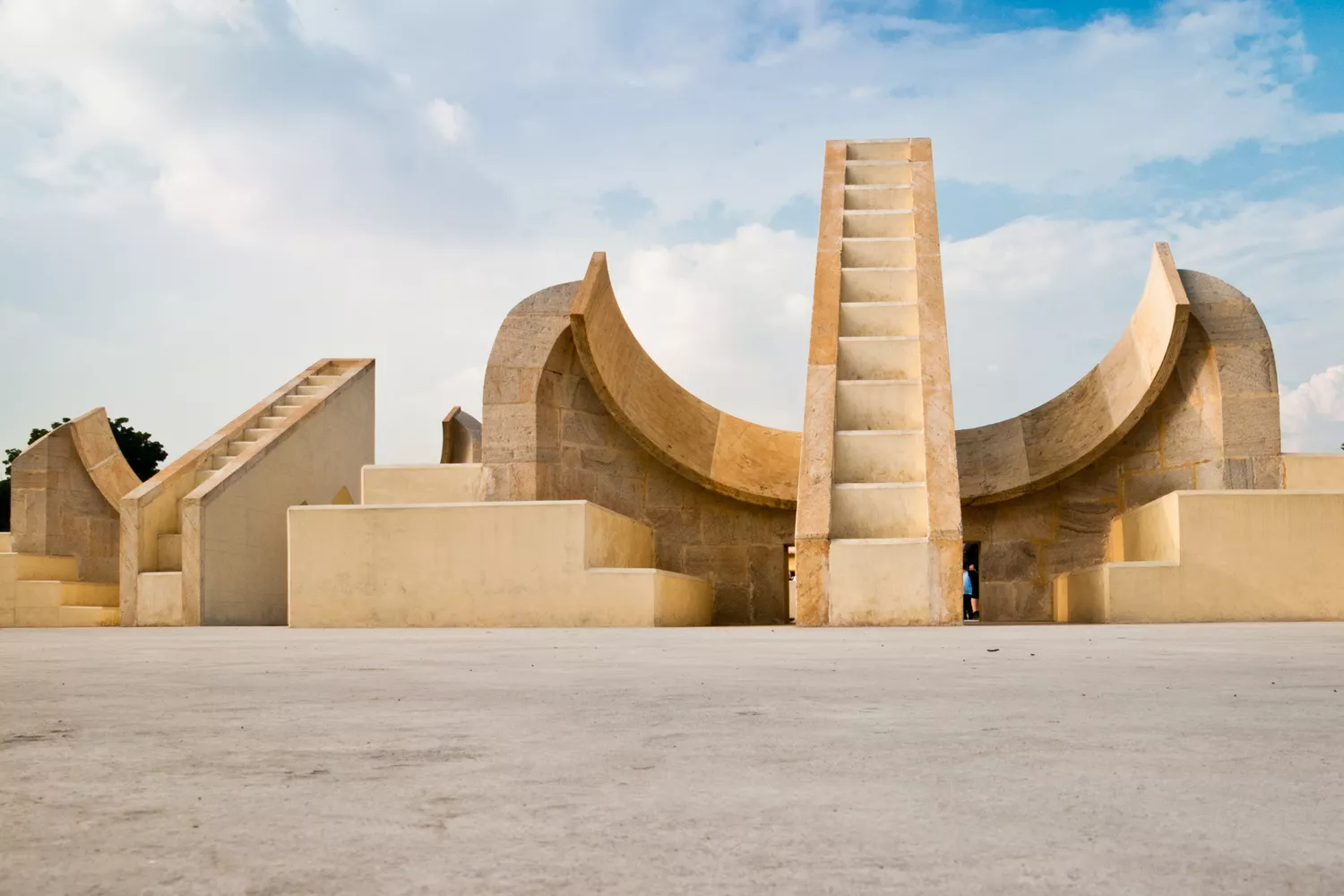
Next to the palace is Jantar Mantar, a UNESCO World Heritage site that houses the world's largest stone sundial. Built by Maharaja Sawai Jai Singh II, this astronomical observatory contains instruments that can still measure time to an accuracy of two-seconds. It is a profound example of the scientific advancement of the Rajput dynasty during the 18th century.
Shopping in this area is a sensory experience. In the Janpath market and the surrounding bazaars, you can find authentic Blue pottery. This craft is unique because it is made from ground quartz and glass rather than clay, resulting in a fragile but vibrant finish. If you are looking for textiles, the Johari and Tripolia bazaars are the pulse of the city's trade.
Beyond the Monuments: Wildlife and Street Flavors
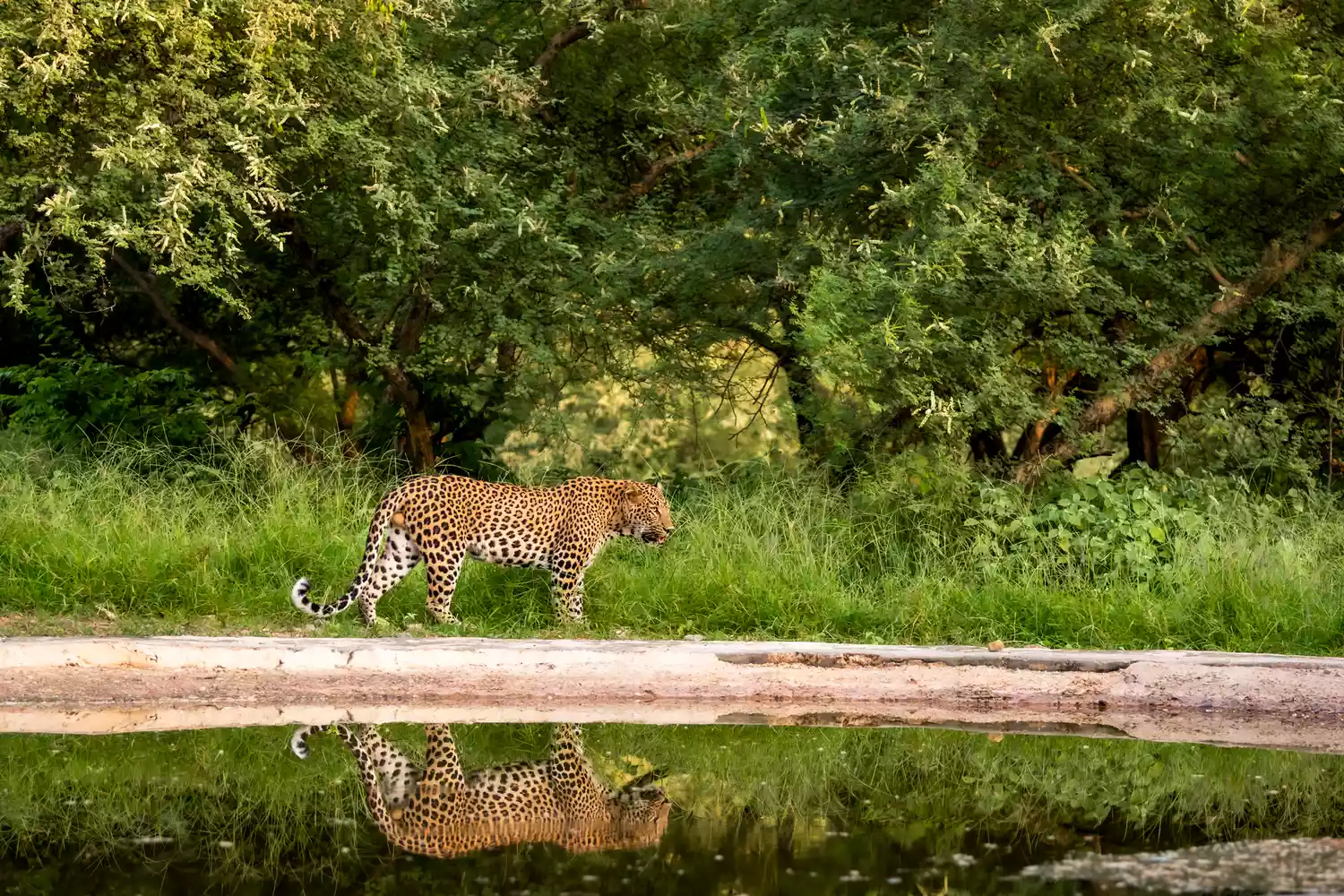
While the palaces are essential, a modern Jaipur sightseeing guide must include the city's natural and culinary evolution. Jaipur is one of the few places in the world where you can track leopards within minutes of the city center. Following a Jhalana Leopard Safari park guide allows you to enter a 20-square-kilometer reserve that supports a high density of these elusive big cats. It is a startlingly quiet contrast to the honking rickshaws just outside the park gates.
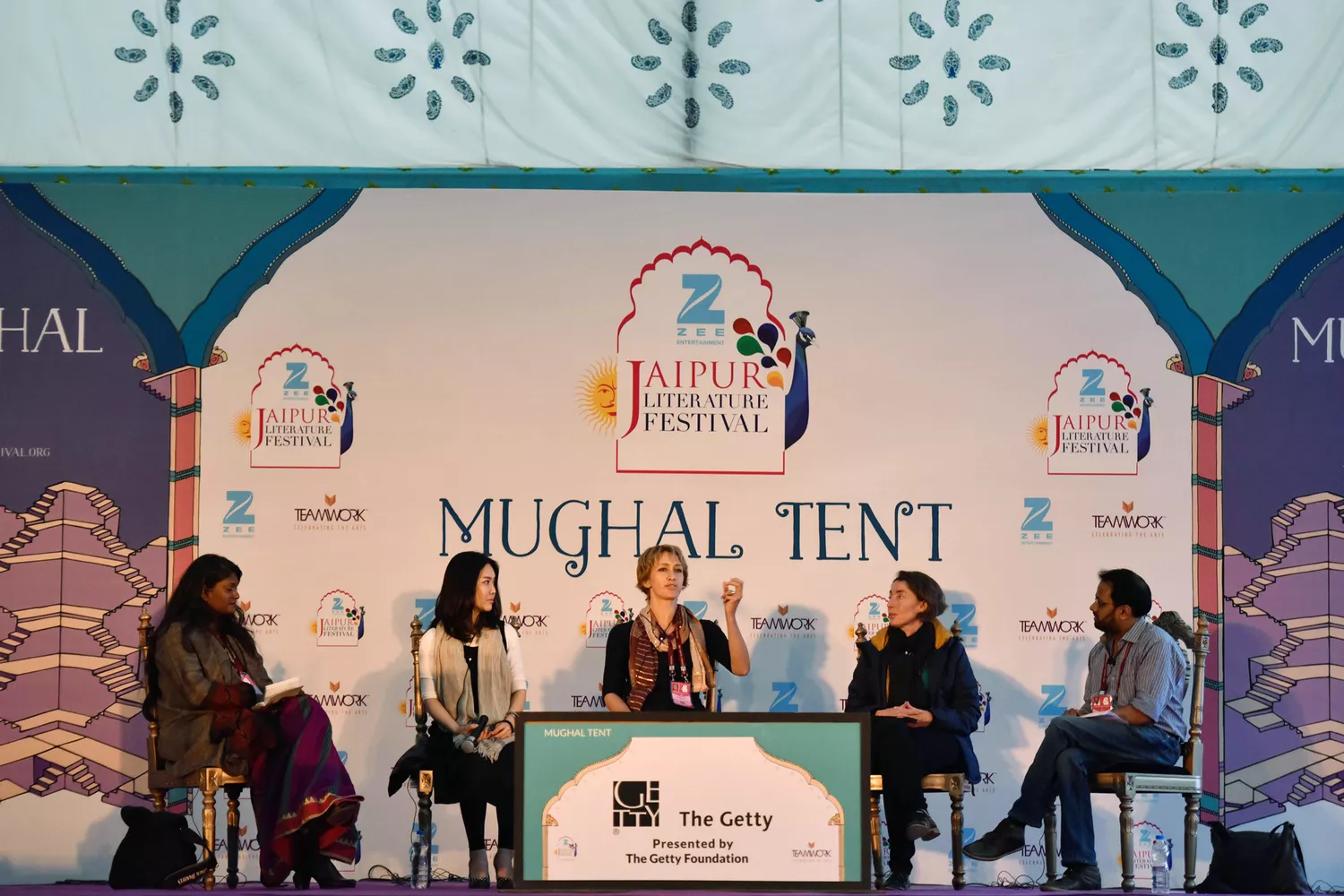
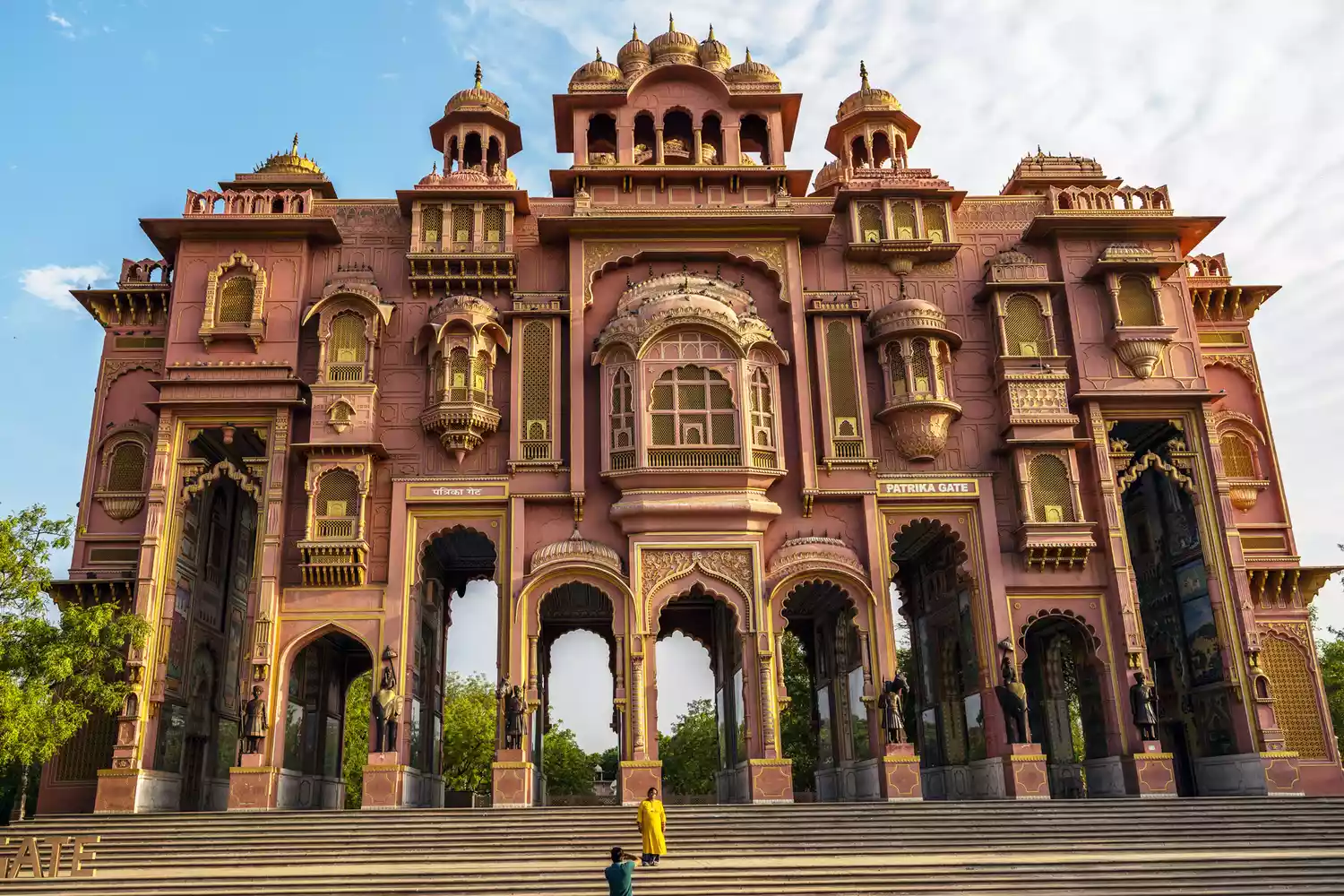
Culturally, Jaipur has become a global hub for the arts. If your visit coincides with January, the Jaipur Literature Festival is a must-see Jaipur attractions event that brings together Nobel laureates and Booker Prize winners in the palace gardens. Throughout the rest of the year, modern landmarks like the Patrika Gate at Jawahar Circle provide a fresh perspective on the city's aesthetic. Each archway of the gate features intricate colorful paintings that depict different regions of Rajasthan.
No visit is complete without indulging in the must-try street food in Jaipur. The quintessential Rajasthani meal is Dal Baati Churma—hard wheat rolls served with lentil curry and a sweet crumbled garnish. For a quick snack, head to the legendary Pandit Kulfi near the Hawa Mahal. They have been serving authentic Indian ice cream since 1965, and their malai kulfi is the perfect antidote to a hot afternoon of sightseeing.
2026 Logistics: Budgeting and Safety
Jaipur is more popular than ever, with 623,000 international visitors recorded in 2024. This represents nearly a third of all foreign tourists visiting the state of Rajasthan. Navigating this volume requires a bit of planning, especially regarding costs and logistics in 2026.
2026 Daily Budget Comparison
| Expense Category | Budget Traveler | Mid-Range Traveler | Luxury Traveler |
|---|---|---|---|
| Accommodation | ₹1,500 (Hostels/Guesthouses) | ₹8,000 (Boutique Haveli) | ₹45,000+ (Heritage Palace) |
| Meals | ₹600 (Street food/Dhabas) | ₹2,500 (Sit-down cafes) | ₹7,000+ (Fine dining/Bars) |
| Transport | ₹400 (Rickshaws/Metro) | ₹2,000 (Private Driver) | ₹6,000 (Luxury Car Service) |
| Tickets/Misc | ₹1,200 | ₹2,000 | ₹5,000 (Private Guides) |
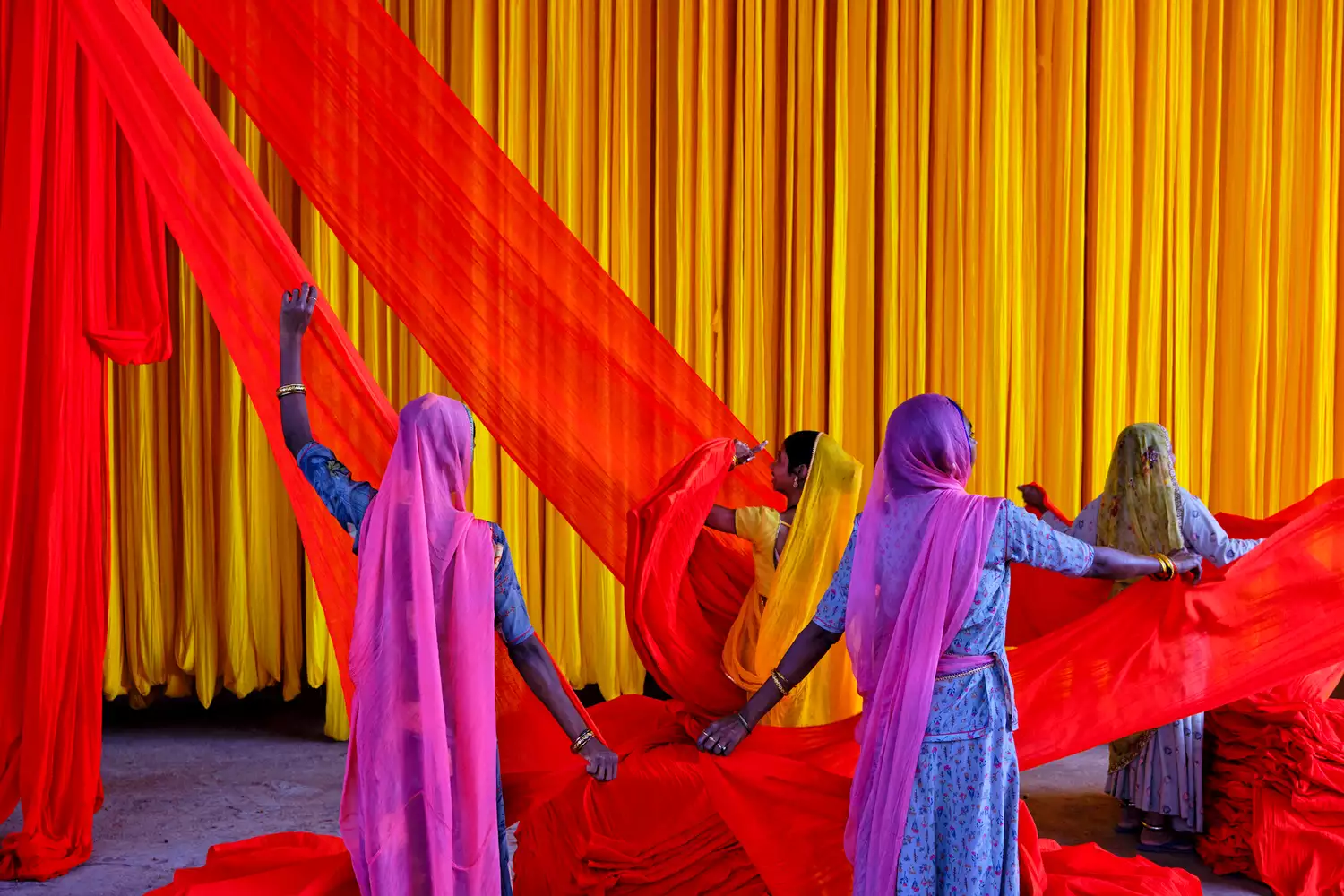
Managing expectations around your Jaipur market shopping guide for textiles is key. Always look for the GI (Geographical Indication) tag on hand-blocked fabrics to ensure you are getting authentic Rajasthani craft rather than cheap machine prints. Common scams involve "gemstone tours" or "carpet factories" that your driver might insist on visiting; politely decline these unless you have researched the specific shop yourself.
For those planning a 2-day Jaipur itinerary for first-timers, I recommend grouping your sights geographically. Day one should focus on the Old City core (City Palace, Juntar Mantar, and Hawa Mahal), while day two is best spent exploration the hill forts of Amer and Nahargarh. This minimizes time spent in the city's notorious traffic and maximizes your immersion in the royal history of the region.
Pro Timing Tip: The Hawa Mahal illumination starts shortly after sunset. Grab a seat at a rooftop bar by 6:00 PM to watch the building undergo its nightly transformation from dusty pink to a glowing amber jewel.
FAQ
How many days are needed to see Jaipur?
A duration of 2 to 3 days is ideal for most travelers. This allows you to explore the three major forts, the primary palaces in the Old City, and still have a half-day dedicated to shopping for textiles or pottery. If you wish to include a day trip to the Abhaneri stepwell or a leopard safari, 4 days would be more comfortable.
What is the best time to visit Jaipur?
The prime window is between October and March. The weather during these winter months is pleasant for outdoor sightseeing, with sunny days and cool evenings. April through June can be extremely hot, with temperatures often exceeding 40°C, making midday exploration difficult.
What are the top must-visit attractions in Jaipur?
The essential stops include the Amber Fort for its Rajput architecture, the Hawa Mahal for its iconic facade, and the City Palace complex. Additionally, the Jantar Mantar observatory is a must-see for those interested in history and science, while the Patrika Gate has become a top destination for photography enthusiasts.
What are the best things to buy while shopping in Jaipur?
Jaipur is world-famous for its block-printed textiles, handmade Blue pottery, and intricate Kundan jewelry. Leather mojari (traditional shoes) and marble carvings are also popular. For high-quality fabrics, look for stores that specialize in natural dyes and traditional hand-carved blocks.
What can you do in Jaipur at night?
Evenings in Jaipur offer several unique experiences, such as watching the sunset from Nahargarh Fort or seeing the Water Palace (Jal Mahal) illuminated. You can also enjoy a sound and light show at Amber Fort, explore the vibrant night markets in the walled city, or visit upscale rooftop bars like Bar Palladio for a more cosmopolitan vibe.