Quick Facts
- Top Neighborhoods: Sultanahmet for ancient sites, Karaköy for boutique luxury, and Kadıköy for authentic local culture.
- Must-See Markets: Grand Bazaar (antiques/jewelry), Spice Bazaar (food/saffron), and Arasta Bazaar (tranquil textile shopping).
- 2026 Logistics: Use the new M11 metro line from the airport; buy an IstanbulKart for 130 TL to access all public transport.
- Entry Fees: Tourists now pay 25 euro to enter the Hagia Sophia and must adhere to a modest dress code.
- Tourism Stats: Istanbul saw approximately 18.6 million international tourists in 2024, making it a global magnet for cultural explorers.
- Best Time to Visit: April to May or September to October offers the most pleasant temperatures for walking the seven hills.
To find the soul of the city in 2026, your Istanbul travel guide starts with a choice of perspective. The best neighborhoods to stay in Istanbul depend on your priorities: Sultanahmet is the hub for history lovers near the Hagia Sophia, while Beyoğlu and Karaköy offer trendy boutique hotels and vibrant nightlife. For a creative, local vibe on the Asian side, Kadıköy is top-rated. Luxury seekers should look to the Bosphorus shores, where icons like the Çırağan Palace Kempinski and The Peninsula Istanbul provide world-class service and waterfront views.
The Historic Heart: Staying in Sultanahmet
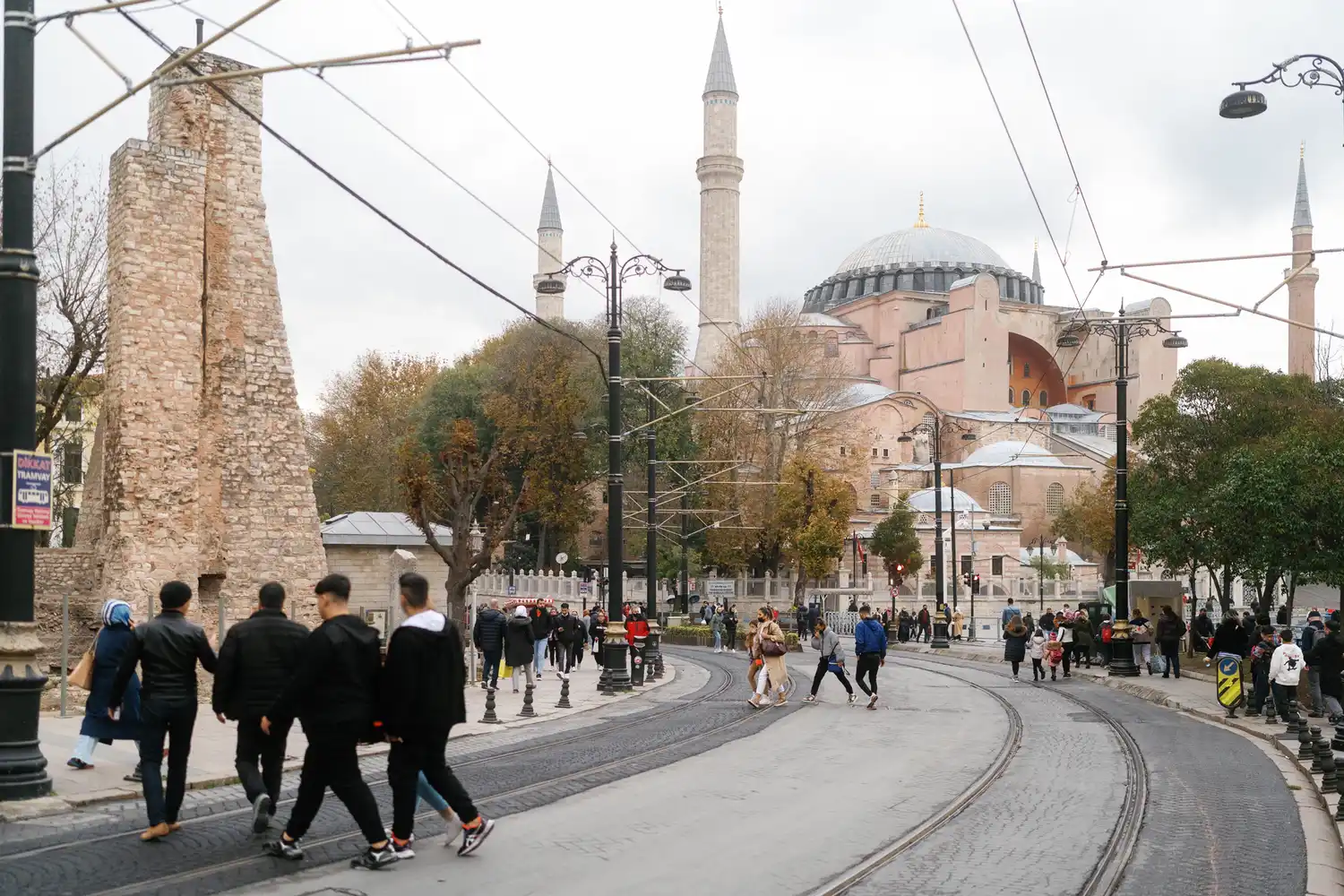
Walking through Sultanahmet at dawn is a literary experience. As the morning mist lifts off the Marmara Sea, the silhouettes of minarets emerge like ink strokes against a pale sky. This is the Istanbul of the Sultans and Caesars, where every cobblestone seems to whisper stories of Byzantine intrigue and Ottoman grandeur. If it is your first time in the city, staying here allows you to wake up within walking distance of the most significant monuments in the world.
The charm of Sultanahmet lies in its adaptive reuse architecture. Many of the finest boutique guest houses here were once Ottoman mansions or even, in one famous case, a late-Ottoman jail transformed into a world-class hotel. These buildings retain their thick stone walls and intricate Ottoman architecture while offering modern comforts. For those seeking the best value hotels in sultanahmet with rooftop views, look toward the area near the Cankurtaran district. Here, places like the Agora Boutique Hotel provide terraces where you can enjoy a Turkish breakfast while watching seagulls circle the Blue Mosque.
Pros and Cons of Sultanahmet
- Pros: Exceptional walkability; home to the Istanbul Museum Pass sites; quiet evenings away from the clubbing crowds.
- Cons: Can feel overly touristy; higher prices for basic dining; very quiet after 10 PM.
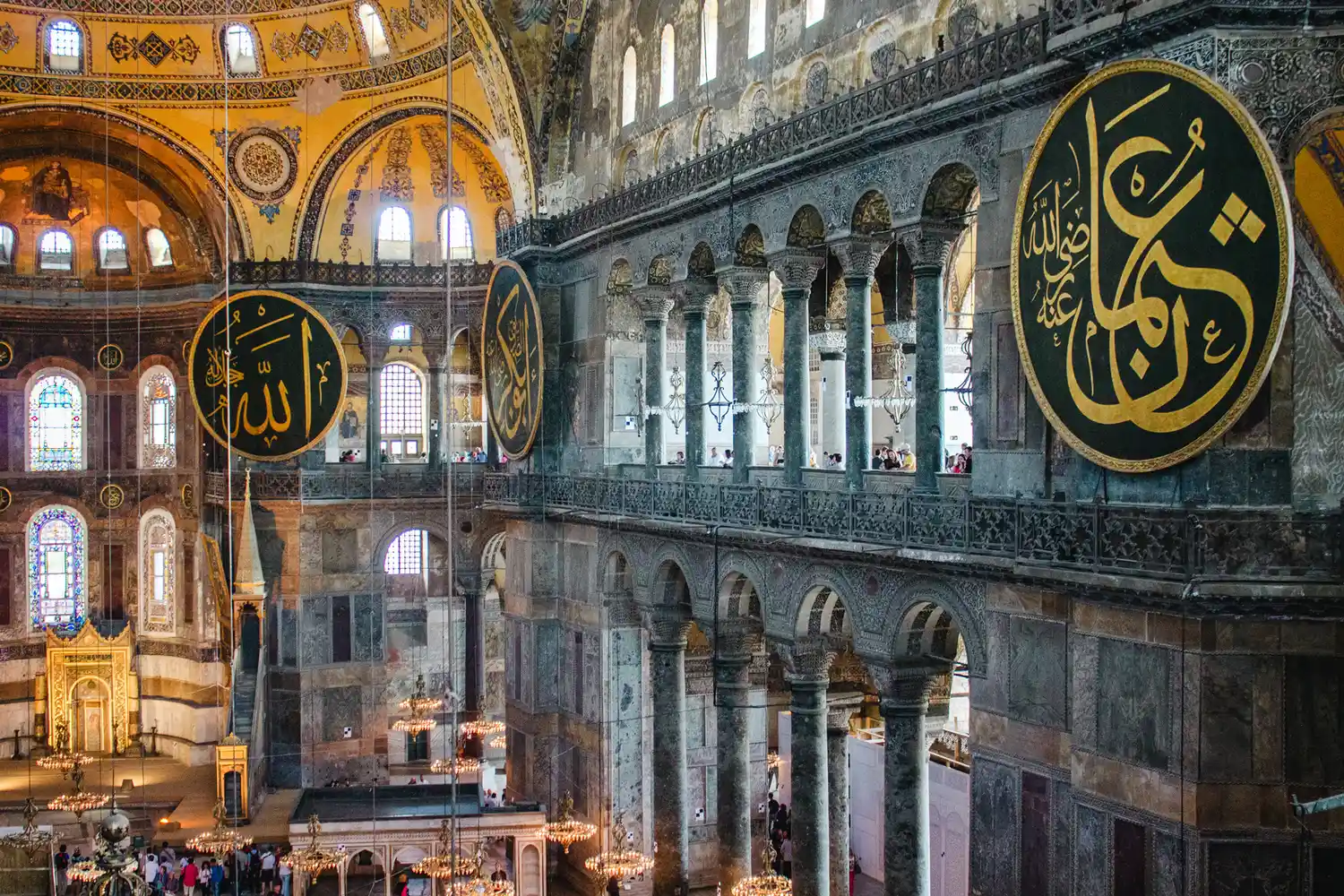
When navigating this district, remember that tips for visiting hagia sophia for tourists in 2026 involve more than just showing up. Since its transition back to a mosque, the upper gallery is reserved for tourists with a 25 euro entrance fee. To respect the sanctity of the space, ensure your shoulders and knees are covered. The experience remains breathtaking as sunlight filters through the dome, illuminating centuries of golden mosaics.
Price Anchor: Sultanahmet Accommodations
- Luxury: Four Seasons at Sultanahmet (historically a prison) — Starting from 1,200 euro/night.
- Boutique: White House Hotel Istanbul — Starting from 220 euro/night.
- Value: Agora Boutique Hotel — Starting from 95 euro/night.
The Chic Waterfront: Karaköy & Beyoğlu
Across the Golden Horn lies the pulse of modern Istanbul. If Sultanahmet is the city's memory, Karaköy and Beyoğlu are its heartbeat. Karaköy has undergone a massive transformation with the opening of Galata Port, turning the former industrial waterfront into a promenade of sleek cafes and high-end retail. This area is the perfect marriage of Old World Levant and 21st-century sophistication.
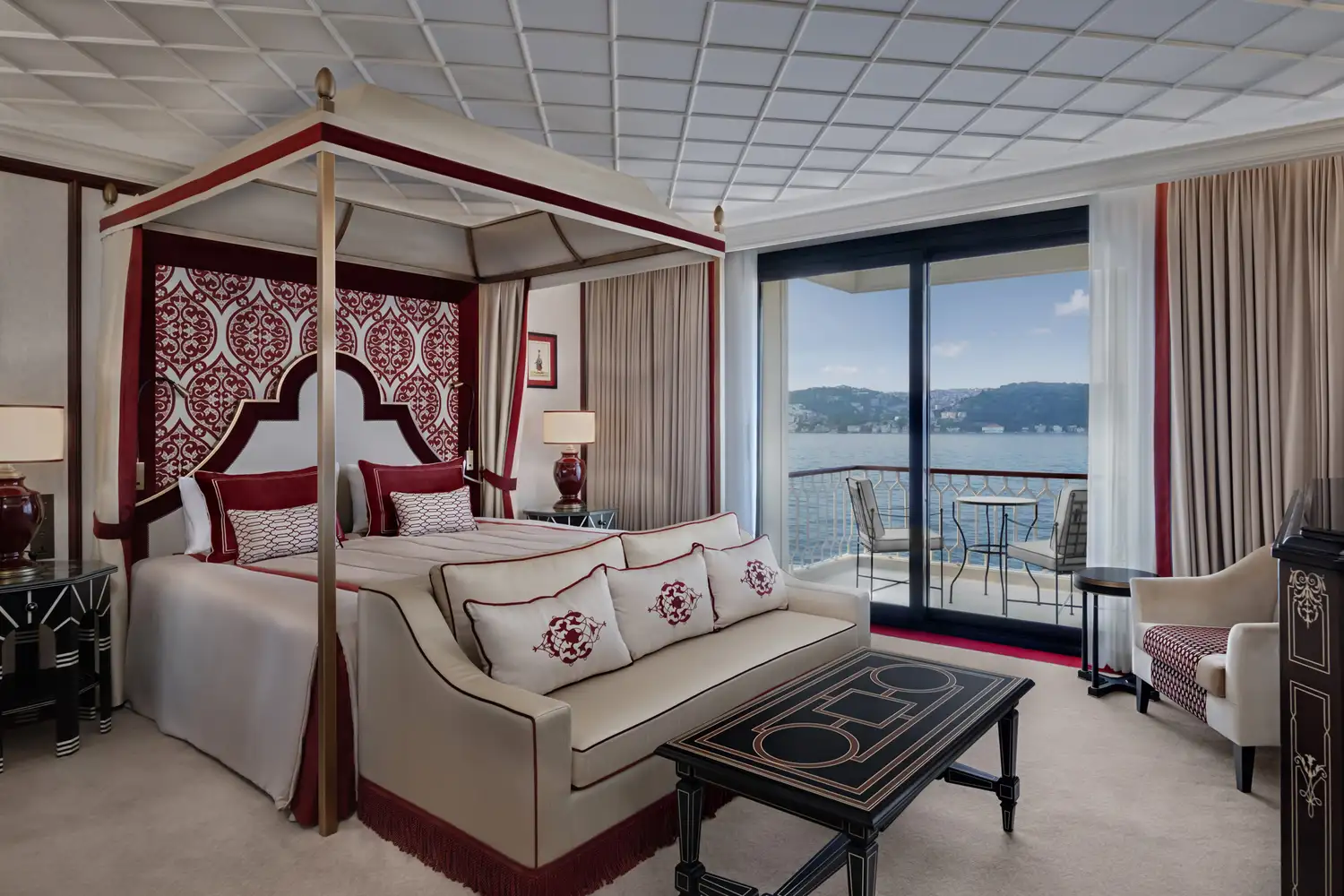
Staying here offers a different sensory palette. Instead of the call to prayer echoing through ancient ruins, you hear the clatter of the historic tram and the hum of the city's creative class. The luxury hotels in istanbul with bosphorus views are concentrated along this coastline. The Peninsula Istanbul and the Sanasaryan Han (a restored 19th-century building) represent the pinnacle of Turkish hospitality, blending Mimar Sinan designs with contemporary luxury.
When staying in kadikoy vs beyoglu neighborhoods, travelers often choose Beyoğlu for its proximity to Istiklal Avenue and the Galata Tower. It is the center of the city’s nightlife, filled with hidden meyhanes where you can enjoy mezes and rakı. The streets are steep and winding, lined with art galleries and vintage boutiques that reflect the neighborhood’s bohemian spirit.
Neighborhood Highlights
- Galata Port: A must-visit for fine dining and Bosphorus views.
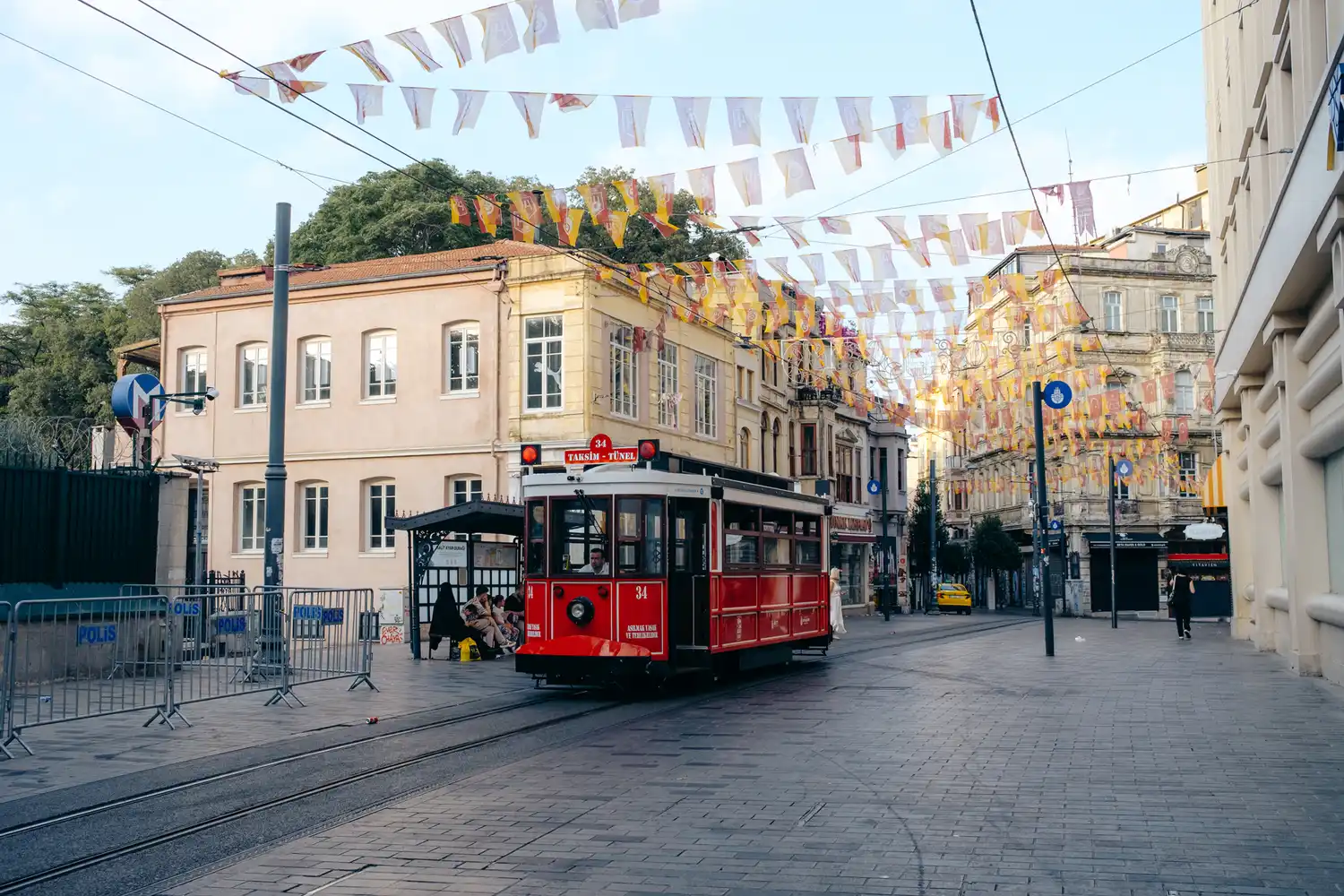
- Istiklal Avenue: The city's main pedestrian artery, best explored via the red nostalgic tram.
- Street food culture: Do not miss the midye dolma (stuffed mussels) sold along the Karaköy piers.
Across the Continent: The Local Soul of Kadıköy
To truly understand Istanbul in 2026, one must board a ferry. Passing from Europe to Asia is not just a geographical crossing; it is a ritual. The Asian side, particularly Kadıköy, has become the creative sanctuary of the city. While the European side dazzles with its history, Kadıköy seduces with its authenticity and "mahalle" (neighborhood) vibe.
The ferry ride itself is a highlight of any Istanbul travel guide. Using the ferry is a lifestyle choice; locals sit on the deck with a cup of tea, tossing simit to the following seagulls. You can learn how to use an istanbulkart for ferries and trams easily at any pier. The card is your golden ticket to the city, and the transcontinental ferries are undoubtedly the most scenic public transport in the world.
In Kadıköy, the street food culture thrives alongside traditional coffee shops. The Kadıköy Produce Market is a riot of color, featuring seasonal fruits, fresh honeycombs, and the bracing aroma of Turkish coffee culture. This is where you find the best Turkish breakfast—a spread of olives, cheeses, eggs with sujuk, and endless tea that can last for hours.
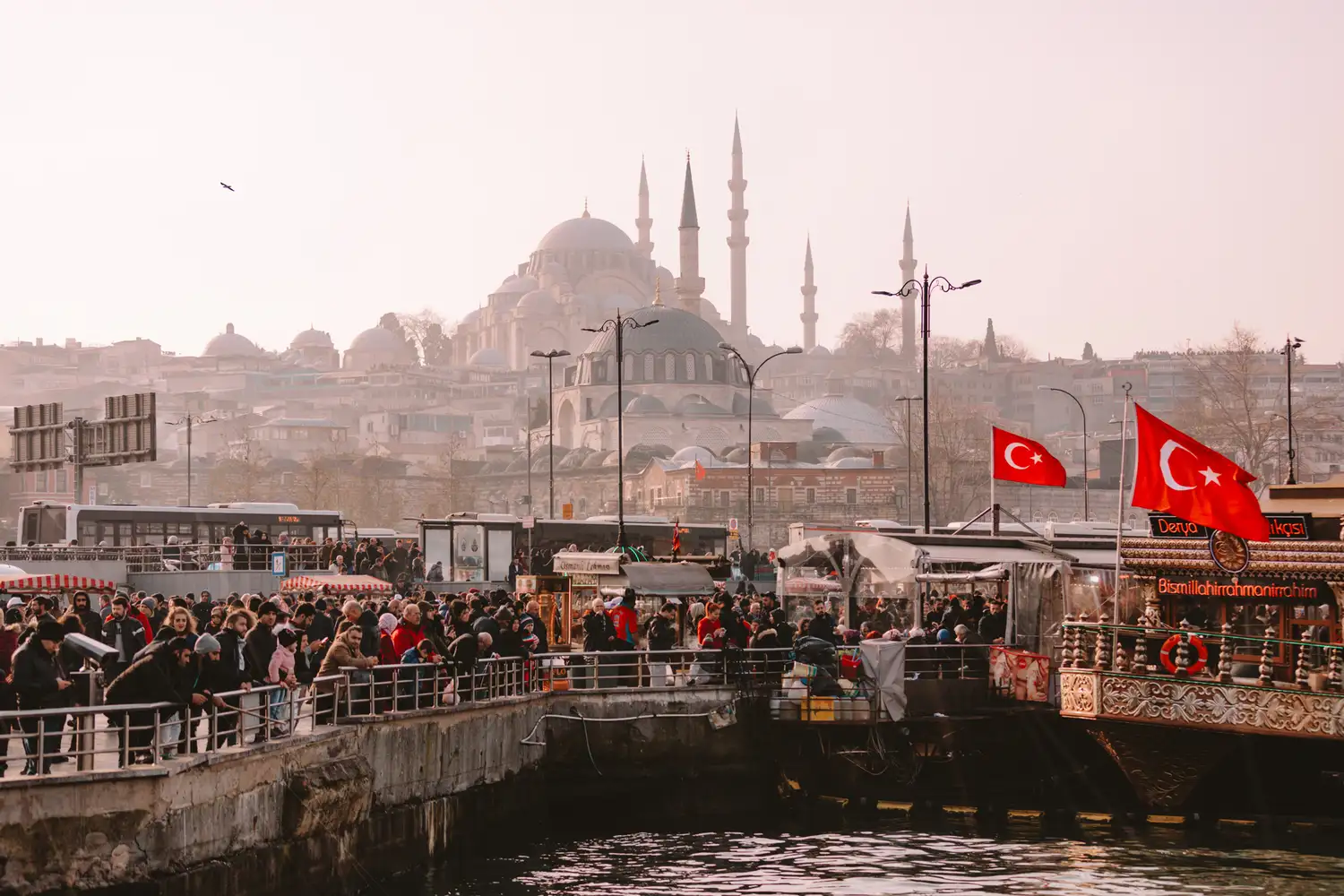
Getting to Kadıköy Use the Şehir Hatları ferries from Eminönü or Karaköy. The journey takes about 20 minutes and costs roughly 25-30 TL on your IstanbulKart.
Master the Bazaars: Grand, Spice, and Arasta
Visiting Istanbul bazaars is a lesson in the art of the deal. The Grand Bazaar is a labyrinth of over 4,000 shops. In 2022, this behemoth hosted nearly 40 million visitors, proving its enduring allure. It is a place for high-quality carpets, gold jewelry, and lanterns that glow like jewels.
However, the experience can be overwhelming. To navigate it, you must learn how to haggle like a local at the grand bazaar. Haggling is not a fight; it is a social dance. It almost always begins with a glass of tea. Never accept the first price. Offer half, and expect to meet somewhere in the middle. If the price isn't right, a polite "Teşekkür ederim" (Thank you) as you walk away often brings the vendor back with their final, best offer.
For a more sensory experience, the Spice Bazaar (Egyptian Bazaar) in Eminönü is unmatched. The air here is thick with the scent of roasted nuts, dried hibiscus, and premium saffron.
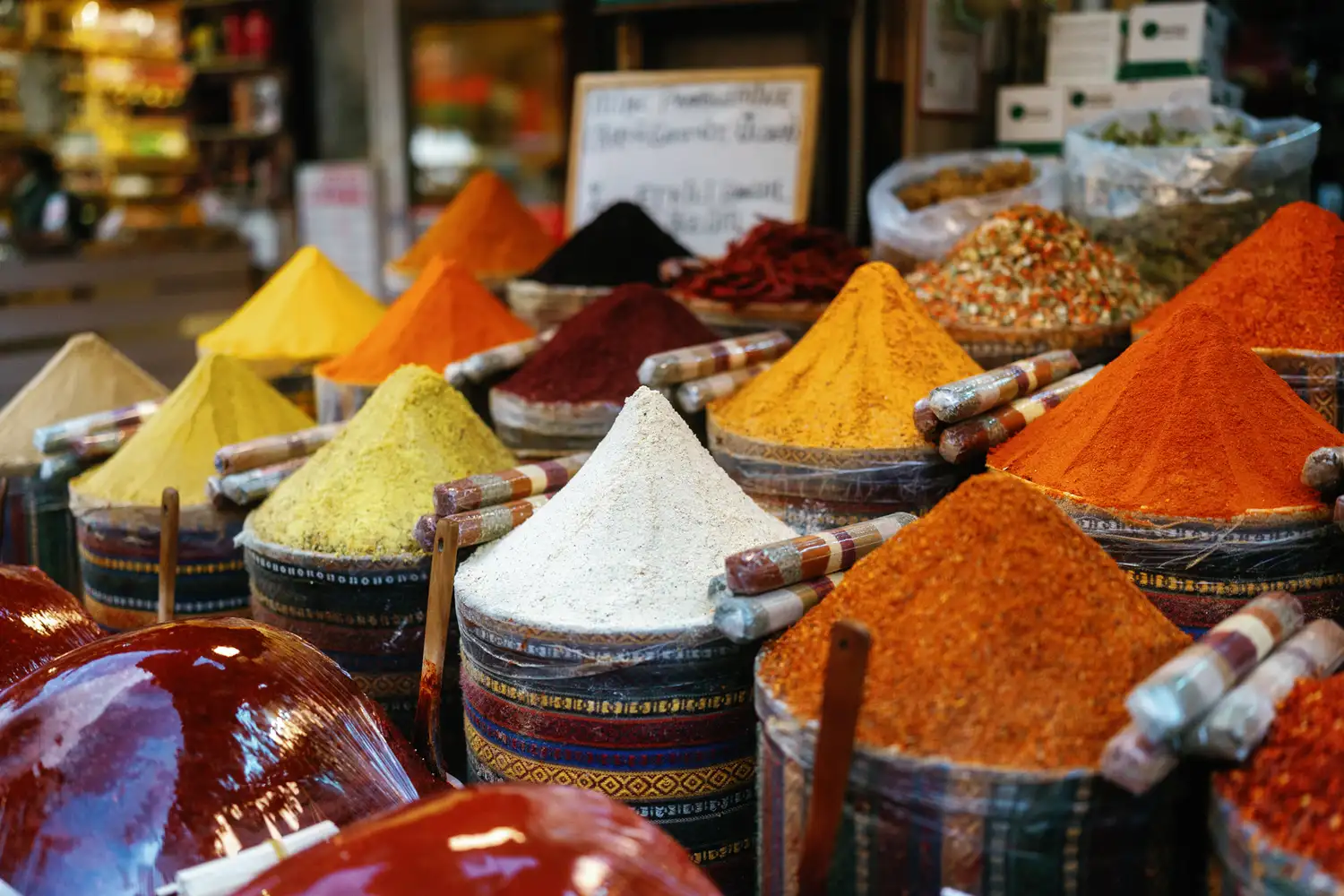
If the crowds of the major bazaars are too much, I always recommend the Arasta Bazaar. Tucked behind the Blue Mosque, it offers a tranquil shopping experience with high-end ceramic craftsmanship and Turkish bath textiles without the chaos.
Quick Market Comparison
| Market | Best For | Vibe |
|---|---|---|
| Grand Bazaar | Jewelry, Carpets, Antiques | Chaotic, Historic, Vast |
| Spice Bazaar | Saffron, Turkish Delight, Tea | Aromatic, Food-focused |
| Arasta Bazaar | Textiles, Ceramics, Iznik Tiles | Quiet, Sophisticated, Curated |
Modern Logistics: Mastering 2026 Infrastructure
Istanbul’s infrastructure has leaped forward. The M11 metro line now connects the New Airport to the city center in record time, making the transition from landing to check-in seamless. While the city still loves its cash for small bazaar purchases, 2026 has seen a massive rise in mobile payment adoption.
To move efficiently, mastering Istanbul public transport tips is essential. The IstanbulKart is your primary tool. You can top it up at yellow "Biletmatik" machines or via a mobile app. In a city where accommodation occupancy rates hit 45.85% in early 2024, travel is constant, so avoid taxis during rush hour (8 AM - 10 AM and 5 PM - 8 PM). Instead, use the metro or the historic tram.
For a touch of local wellness, schedule one of the Turkish hammam rituals at the Kılıç Ali Paşa Hamamı. It is a cleansing process for both the body and soul, involving a vigorous scrub and soap massage under a soaring marble dome. It is the perfect way to conclude a long day of exploring the seven hills.
FAQ
Which part of Istanbul is best to stay in for tourists?
If you are visiting for the first time and want to see the major historical sites, Sultanahmet is the best choice. For shoppers, foodies, and those who enjoy nightlife, Beyoğlu and Karaköy provide a more vibrant atmosphere. If you want a more "local" and less touristy experience with great cafes and markets, Kadıköy on the Asian side is highly recommended.
How do I use public transport in Istanbul?
Public transport is easily navigated with an IstanbulKart, which can be used on buses, trams, metros, and ferries. You can purchase and top up the card at major transit hubs and kiosks. For airport transfers, the M11 metro is the fastest option into the city center.
Is it better to stay on the European or Asian side of Istanbul?
It depends on your travel style. The European side is home to the most famous landmarks and luxury hotels, making it convenient for sightseeing. The Asian side, particularly Kadıköy, offers a more relaxed, authentic atmosphere with lower prices and a younger, creative vibe. Many travelers choose to split their stay between both for a complete experience.
What should I wear when visiting mosques in Istanbul?
Visitors must dress modestly. Both men and women should ensure their shoulders and knees are covered. Women are also required to cover their hair with a scarf before entering the prayer hall. Most major mosques, like the Blue Mosque and Hagia Sophia, provide robes or scarves for visitors who are unprepared.
How many days are enough to see Istanbul?
To see the main highlights of Sultanahmet, cross the Bosphorus, explore the major bazaars, and enjoy the food scene, a minimum of 3 to 4 days is recommended. However, given that the average visitor stay is only 2.21 days, many people find themselves rushing through the city's vast offerings. To truly soak in the culture, a week is ideal.