Quick Facts
- The System: A 3-layer clothing method (Base, Mid, and Shell) is the foundation of comfort.
- Core Fabrics: Prioritize moisture-wicking materials like Merino wool while avoiding cotton completely.
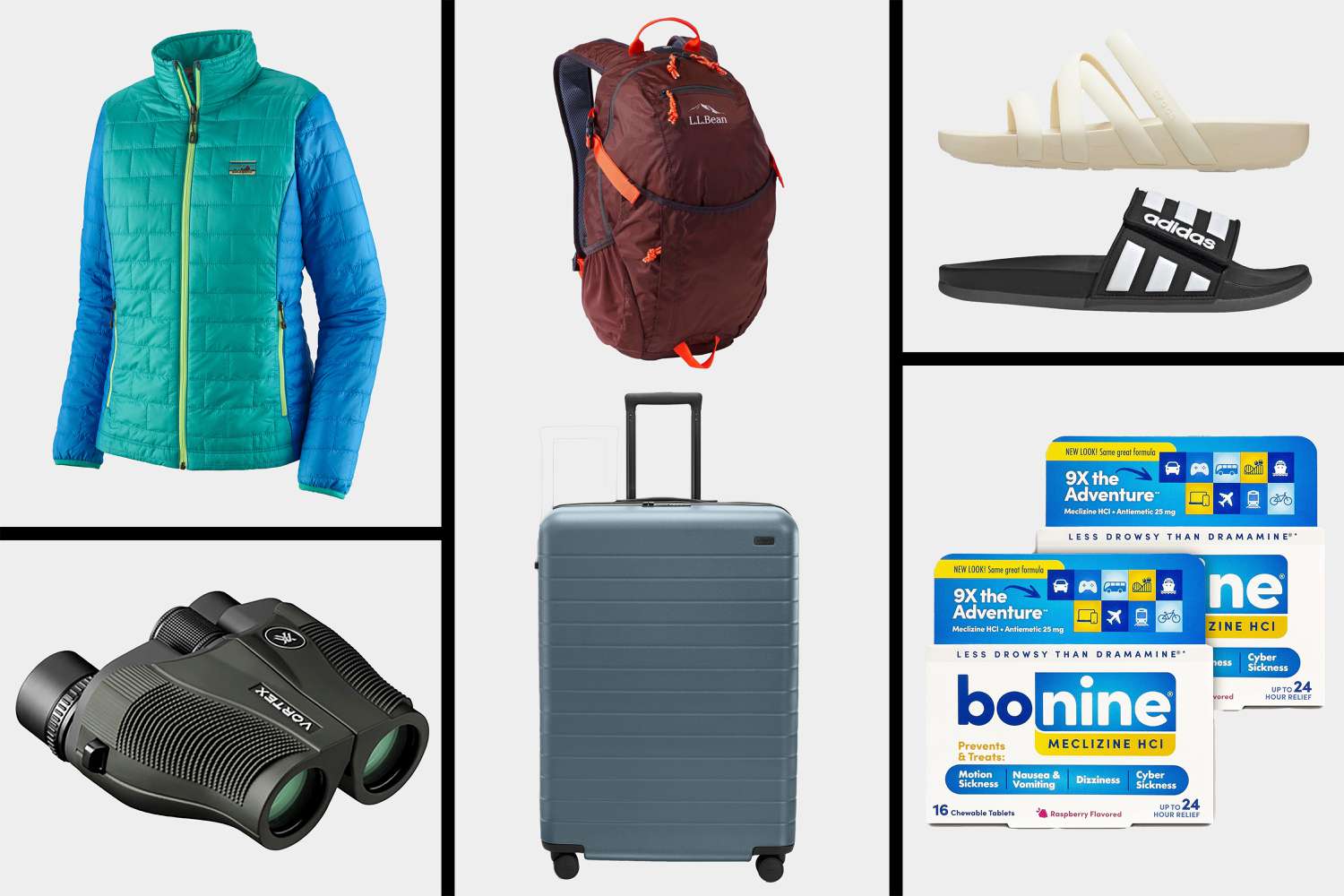
- Footwear: A "three-shoe rule" consisting of waterproof hikers, ship sneakers, and pool slides.
- Tech Essentials: High-quality 8x26 or 10x42 binoculars are mandatory for wildlife spotting.
- Climate Fact: Ketchikan, a top port, receives 141 inches of rain annually and sees rain on most days.
- Stateroom Hack: Use magnetic cabin hooks to maximize space and dry wet gear in small cabins.
A successful Alaska cruise packing list revolves around a functional 3-layer system—moisture-wicking base layers, insulating fleece, and a waterproof outer shell—to navigate the unpredictable microclimates of the Inside Passage where temperatures fluctuate between 45°F and 65°F. This strategy ensures you remain dry during heavy rain in ports like Ketchikan and warm while viewing glaciers from the deck, where the wind chill can make it feel 15 degrees colder than the official forecast.
The Core: Alaskan Cruise Layering Guide
After years of leading expeditions through the backcountry, I’ve learned that the secret to enjoying the wild isn't a heavy parka—it's the ability to adapt. An Alaskan cruise layering guide is essentially a strategy for your wardrobe that allows you to add or subtract insulation as the day evolves. We’ve seen mornings start in a misty 45°F fog and turn into a glorious 65°F sunny afternoon by the time we hit the Hubbard Glacier.
The Foundation: Moisture-Wicking Base Layers
Your first layer should always be a high-quality base. I highly recommend a Merino wool 200 weight long-sleeve top. Unlike synthetic fabrics that can hold onto odors after a day of hiking, Merino wool is naturally antimicrobial and breathes beautifully. The primary goal here is moisture-wicking; you want to pull sweat away from your skin so you don't get a chill when you stop moving. Whatever you do, leave the cotton t-shirts in your suitcase for ship-board life only. Cotton absorbs water and holds it against your skin, which is a recipe for hypothermia in a damp environment.
The Insulation: Mid-Layer Fleece
The second layer is your heat trap. A mid-weight fleece insulation or a packable synthetic down "puffer" jacket works best. This layer should fit comfortably over your base without being too bulky. Fleece is excellent because it maintains its insulating properties even if it gets a little damp. On those early morning arrivals into the Glacier Bay National Park, you will be thankful for this extra buffer of warmth.
The Shield: Breathable Waterproof Shell
The final piece of the puzzle is a high-performance, breathable outer shell. This is the most crucial part of staying dry on a rainy Alaska cruise day. Look for jackets with Gore-Tex or similar proprietary waterproof membranes. A simple "water-resistant" windbreaker will fail you within twenty minutes of a typical Ketchikan downpour. Ensure your shell has a sturdy hood and adjustable cuffs to keep the water from creeping up your sleeves during a boat tour.
Port-Specific Gear: Staying Dry on a Rainy Alaska Cruise Day
Every port in Alaska has its own personality, and its own weather patterns. If you are heading to Ketchikan, you are entering one of the wettest inhabited places on Earth. Our data shows that this region experiences measurable precipitation on two-thirds of the days every year. You aren't just looking for waterproof gear for Alaska cruise adventures; you are looking for total rain protection.
When you are out on the water for Whale watching or participating in a rugged expedition, a 10L dry bags is a lifesaver for your camera, phone, and spare socks. I’ve seen too many expensive DSLRs ruined by a sudden squall in the middle of a fjord.
For those planning what to wear for zodiac tours in Alaska, remember that being close to the water means constant spray and a significant temperature drop. In these scenarios, I often suggest a pair of waterproof rain pants to wear over your hiking trousers. They might not be a fashion statement, but they are the difference between a miserable two-hour boat ride and the experience of a lifetime. The best waterproof gear for Glacier Bay excursions is gear that seals you in like a dry suit, especially when the ship nears the ice. During July, average high temperatures of 64°F are common in town, but on the ship's deck near a glacier, it feels significantly colder.
Footwear Strategy: Best Shoes for Alaska Excursions
If you pack the wrong shoes, your cruise will be defined by blisters and soggy toes. I follow a strict three-shoe rule for every Alaskan expedition.
The most important investment you will make is a pair of waterproof hiking boots. You need something with solid ankle support and a lugged sole for traction on muddy trails or slippery glacier surfaces. Many travelers ask about essential Alaska cruise shoes for muddy terrain; the answer is always a boot with a waterproof membrane. Make sure you break these boots in at least a month before your 2026 departure. A brand-new boot on a five-mile hike to the Mendenhall Glacier is a disaster waiting to happen.
For day-to-day life on the ship, a pair of lightweight sneakers is perfectly fine. These are the best shoes for Alaska excursions that take place on paved surfaces, like a walking tour of the Sitka historic district. Finally, don't forget a pair of non-slip slides or flip-flops. These are essential for the walk from your cabin to the hot tub or the spa area.
Stateroom Survival & Tech Accessories
Alaskan cruise cabins, while comfortable, are notoriously compact. When you return from a rainy day in Skagway with dripping jackets and muddy boots, the space feels even smaller. This is where professional organizers use Magnetic cabin hooks. Most cabin walls are made of metal, so you can stick these hooks anywhere to create hanging space for your gear. It keeps your wet shell off the furniture and allows air to circulate for faster drying.
In terms of must-have accessories for wildlife spotting in Alaska, skip the cheap binoculars sold in the gift shop. You want specialized optics, such as 8x26 or 10x42 power, which offer a wide field of view and excellent light transmission. This is critical for spotting a bald eagle in a dark Sitka spruce tree or a humpback whale breaching in the distance.
I also recommend bringing a high-capacity 20,000mAh power bank. Between the cold weather draining your phone battery and the hundreds of photos you’ll be taking, you don't want to be tethered to a wall outlet in the observation lounge when a pod of orcas appears. Compression cubes are another favorite of mine; they allow you to fit those bulky fleece layers into a carry-on with ease.
Seasonal Shifts: Packing for June vs September
The time of year you sail determines the "weight" of your packing list. While the 3-layer system remains the same, the accessories change.
| Feature | June | September |
|---|---|---|
| Rain Frequency | Moderate | High (Wettest month) |
| Avg. Rainfall (Ketchikan) | ~6.5 Inches | 14.3 inches |
| Pests | Mosquitoes are active | Virtually no bugs |
| Daylight | Up to 18-20 hours | 12-14 hours |
| Wildlife | Whale watching, Bears emerging | Salmon run, Northern Lights potential |
| Clothing Shift | Focus on bug spray & sun protection | Focus on heavy insulation & max waterproof shells |
When packing for Alaska cruise in June vs September, remember that June is surprisingly bright. You will need high-SPF sunscreen and polarized sunglasses to combat the glare off the water and ice. Conversely, September travelers need to prepare for the rainiest conditions. September often sees a sharp increase in storms, so your waterproof gear must be top-tier.
Regardless of the month, most ships maintain a Smart casual dress code for dinner. This usually means a nice pair of dark jeans or chinos and a sweater. You don't need a tuxedo, but having one or two polished outfits for the formal nights is part of the fun.
FAQ
How many layers of clothing do I need for an Alaska cruise?
You should always operate on a three-tier system: a base layer to wick moisture, a middle layer to provide insulation, and an outer shell to block wind and rain. This allows you to vent heat when you are hiking or zip up when the wind picks up on the ship's deck.
Do I need waterproof shoes for Alaska cruise excursions?
Yes, they are highly recommended. While you can get by with sneakers in the towns, any excursion involving trails, boats, or glaciers will likely involve water and mud. A waterproof hiking boot or shoe with good traction is the best way to ensure your feet stay dry and comfortable.
Are binoculars really necessary for an Alaska cruise?
I consider them essential. Much of the best wildlife viewing happens at a distance from the ship. High-quality binoculars like an 8x26 allow you to see the details of a bear on the shoreline or the tail flukes of a whale in a way that the naked eye simply cannot.
What essentials should I pack for Alaska shore excursions?
Beyond your layers, you should carry a small daypack containing a 10L dry bag for electronics, a reusable water bottle, some high-energy snacks, and any necessary medications like motion sickness relief. If you are traveling in early summer, a small bottle of insect repellent is also a wise addition.
Should I bring formal wear for dinners on an Alaska cruise?
This depends on your specific cruise line, but most modern ships have moved toward a smart casual approach. While "Formal Night" still exists, it usually only requires a suit or a cocktail dress. Check your itinerary, but generally, one or two nicer outfits are sufficient for the entire week.
Final Departure Checklist
Before you zip up your suitcase for your 2026 adventure, run through this final list to ensure you haven't missed a beat:
- Travel Documents: Passport, cruise boarding pass, and printed excursion confirmations.
- The Layering Trio: At least two Merino wool base layers, one fleece or puffer, and one high-quality waterproof shell.
- Footwear: Waterproof boots (broken in!), sneakers, and non-slip slides.
- The "Small Stuff": Magnetic cabin hooks, meclizine for motion sickness, and a polarized pair of sunglasses.
- Electronics: Binoculars, a 20,000mAh power bank, and extra memory cards for your camera.
- Health: Sunscreen (even in the cold) and a small first-aid kit for blisters.
Mastering the Alaska cruise packing list is about more than just filling a bag; it is about preparing yourself to embrace the elements. When you have the right gear, the rain becomes part of the atmosphere and the cold is just a reason to grab another hot cocoa. See you on the deck!