Quick Facts
- Asia Ranking: Ranked #1 Most Walkable City in 2026
- Global Standing: Currently 6th most walkable city worldwide
- Review Metric: Over 467,000 verified reviews analyzed for the latest index
- Transit Density: 280+ interconnected subway stations serving as pedestrian hubs
- Value Factor: ¥600 24-hour subway pass allows for easy district hopping
- Safety Rating: Consistently top-tier for solo travelers navigating at night
Tokyo's 2026 ranking as Asia's most walkable city stems from its unique blend of traditional Shinto shrines and futuristic skyscrapers that travelers can easily explore on foot. According to GuruWalk data, Walkable Tokyo offers high-rated experiences where walkers discover hidden Zen gardens and vibrant districts without feeling overwhelmed by its massive population. The city's urban infrastructure, combined with expert-led tours in areas like Shinjuku and Tsukiji, provides a high-quality pedestrian experience that balances modern connectivity with cultural heritage.
The 2026 Surge: Why Tokyo Topped Asia's Rankings
The recent travel data reveals a significant shift in urban exploration. In a 2024 analysis of global pedestrian-friendliness by Compare the Market, Tokyo was ranked as the most walkable city in Asia and the sixth most walkable city worldwide, serving as the only non-European entry in the top ten. Fast-forward to 2026, and the city has solidified its regional dominance, jumping 16 places in global review aggregates.
What triggered this ascent? It is a combination of massive infrastructure investment and a shift in traveler behavior. Reviewers points to the 467,000 verified surveys that emphasize the high density of small-scale attractions. Unlike the sprawling car-centric layouts of North American cities or the narrow, sometimes confusing congestion of regional rivals like Hanoi, Tokyo has mastered the art of high-volume pedestrian flow. While Kyoto offers historical intimacy, it lacks the multi-modal transit connectivity that makes Walkable Tokyo so accessible to visitors who want to see four different neighborhoods in a single day.
| City | 2026 Asia Ranking | Global Ranking | Navigation Ease (1-10) | Transit Integration |
|---|---|---|---|---|
| Tokyo | #1 | #6 | 9.5 | Excellent |
| Kyoto | #2 | #18 | 8.0 | Moderate |
| Hanoi | #3 | #24 | 6.5 | Developing |
| NYC | N/A | #12 | 8.5 | High |
The ‘Station Village’ Model: Engineering Pedestrian Ease
To understand why exploring Tokyo on foot is so efficient, one must look at the station village model. Urban planners in Japan have designed the city as a collection of high-density nodes. With more than 280 stations in the central metropolitan area alone, you are never more than a ten-minute walk from a major rail hub. This creates hyper-localized walkability where each station acts as the heart of its own miniature city.
The urban infrastructure is designed to prioritize the walker. Elevators, clear wayfinding signage in multiple languages, and subterranean passages mean that even in inclement weather, the city remains navigable. These transit hubs are not just for trains; they are pedestrian-friendly streets elevated or buried to maximize space. This connectivity ensures that public transit accessibility remains the backbone of the tourist experience, allowing for seamless transition between walking tours and rapid transport.
Top Walking Districts by Vibe: Historical vs. Futuristic
When planning a Tokyo walking tour guide for a first-time visitor, I recommend splitting your time between the city’s two distinct personalities. The contrast between cultural heritage preservation and modern skyscrapers is where the city’s charm truly lies.
The Historian’s Route: Yanaka and Asakusa
For those seeking the spirit of old Japan, Yanaka is an essential stop. Known as part of the Shitamachi (lower town), it survived the bombings of WWII, leaving its historical layouts intact. Walking through Yanaka Ginza feels like stepping back 70 years. The streets are narrow, the buildings are low-rise, and the pace of life slows down significantly. Similarly, Asakusa offers a grander scale of history with Senso-ji Temple.
Logistics Snapshot: The Old Town Loop
- Start Time: 8:00 AM (to beat the crowds at Senso-ji)
- Nearest Exit: Asakusa Station, Exit 1
- Cost: Free (Temple entry); ¥500 - ¥1,500 for street snacks
- Walking Distance: 4.5 km
The Futurist’s Route: Shibuya and Shinjuku
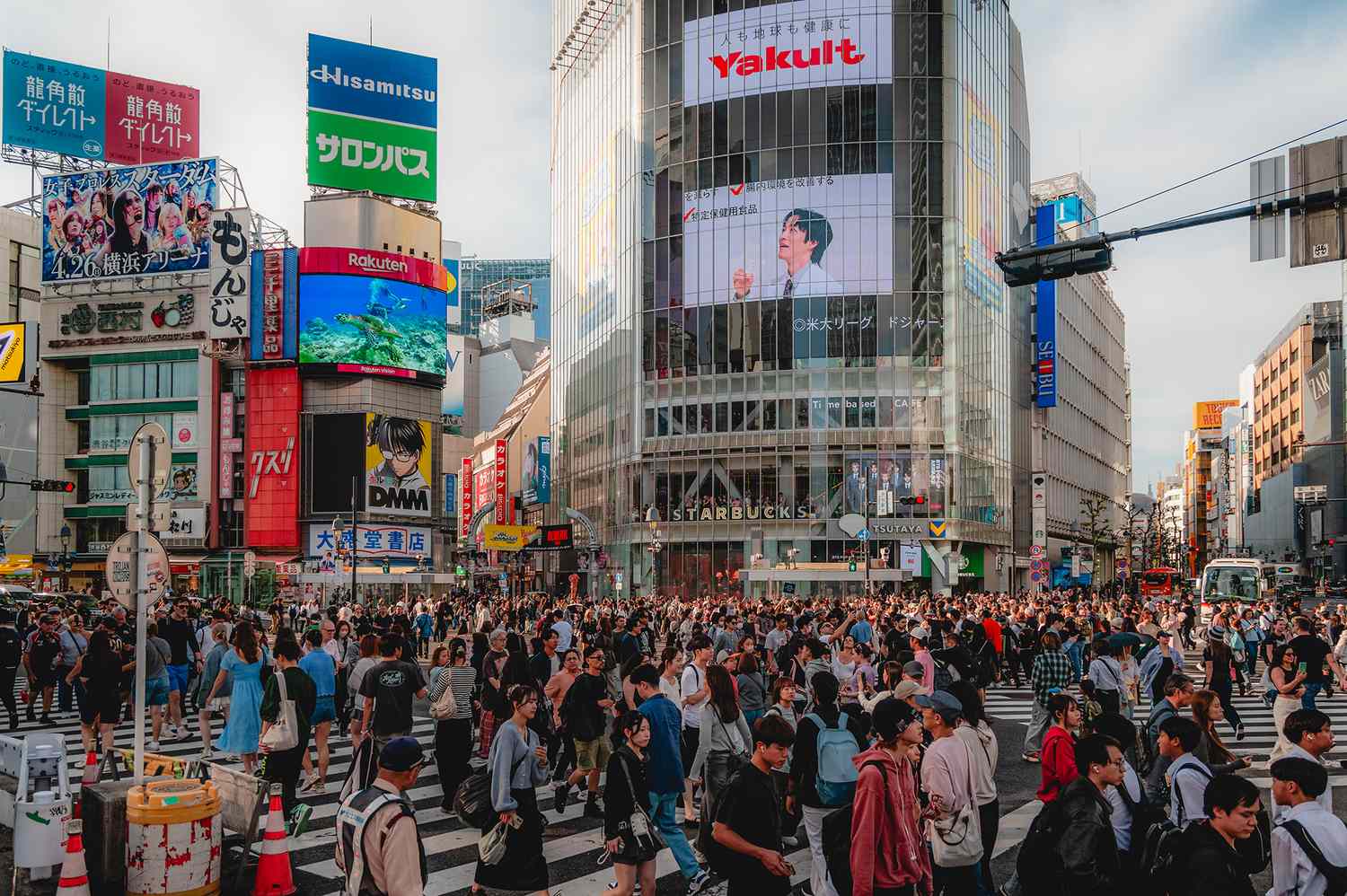
In contrast, modern hubs like Shibuya and Harajuku offer a structured grid pattern that is perfect for exploring shopping landmarks. Walking from the iconic Shibuya Crossing through the backstreets of Ura-Harajuku allows you to see the cutting edge of global fashion and architecture. This area is a masterclass in modern urban exploration, where wayfinding signage is ubiquitous, and the energy is palpable.
Logistics Snapshot: The Neon Pulse
- Start Time: 10:30 AM (when shops begin to open)
- Nearest Exit: Shibuya Station, Hachiko Exit
- Cost: ¥2,300 for Shibuya Sky observation deck (optional)
- Walking Distance: 3.2 km
Culinary Footsteps: Street Food & Night Walks
A significant part of the Walkable Tokyo experience is the sensory journey. For the best walkable districts in Tokyo for local street food experiences, the Tsukiji Outer Market remains unparalleled. While the inner wholesale market has moved to Toyosu, the outer market is a pedestrian paradise of grilled scallops, tamagoyaki, and fresh sushi. Navigating these narrow alleys on foot is the only way to truly appreciate the craftsmanship of the local vendors.
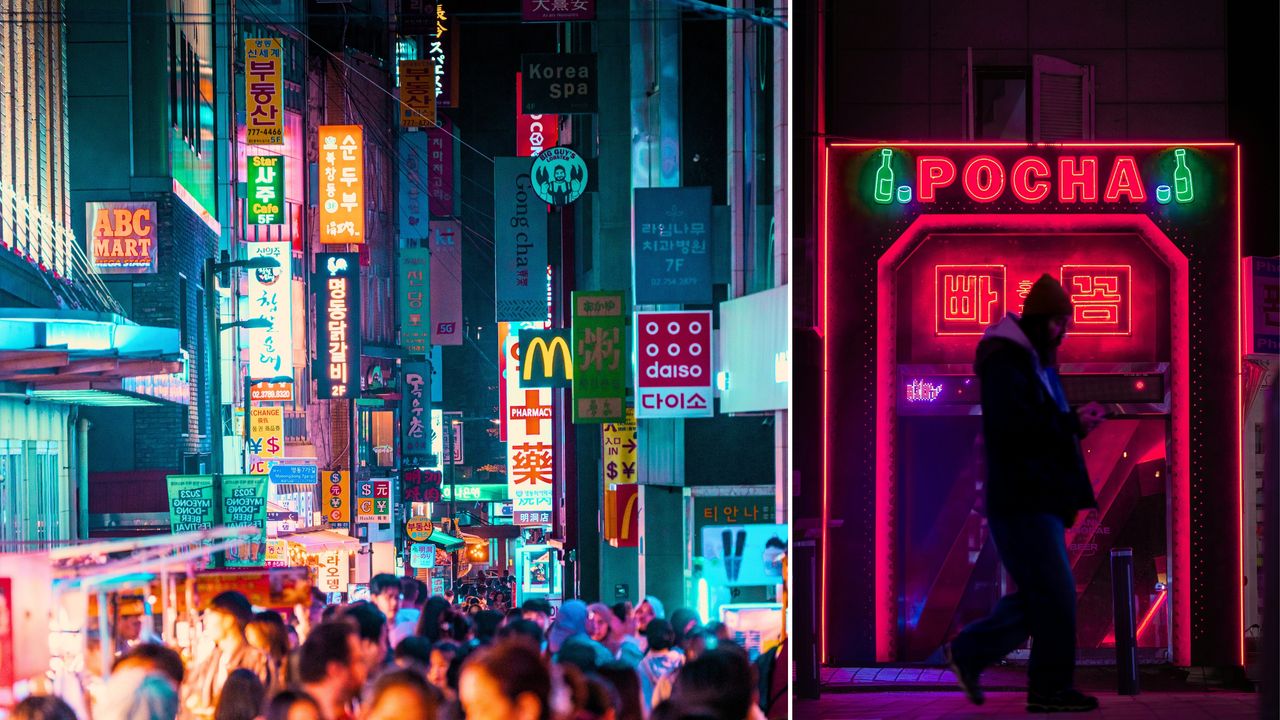
As the sun sets, the city transforms. The best time of day for night walking tours in Shinjuku and Shibuya is the blue hour, just as the neon signs begin to flicker to life. The city safety rankings are a major factor here; Tokyo is remarkably safe for late-night strolls. Exploring the tiny Golden Gai alleys in Shinjuku or the illuminated Omoide Yokocho provides a photographic experience that feels both busy and intimate. This controlled chaos is a hallmark of the Tokyo night, where pedestrian-friendly streets ensure that even the most crowded areas feel navigable and secure.
Practical Logistics for the 2026 Walker
Essential tips for planning a full-day walking itinerary in Tokyo focus on digital and physical preparation. While wayfinding signage has improved drastically for the 2026 season, smartphone navigation is still vital for navigating the smaller side streets that lack English labels.
- Tech Needs: Rent a Pocket WiFi (approx. ¥900-1,200 per day) or secure an eSIM. Google Maps remains the gold standard for turn-by-turn walking directions.
- Cost of Movement: Prepaid IC cards (Suica or Pasmo) facilitate quick entry into the metro system. Fares typically range between ¥170 and ¥240 for short hops between districts.
- Seasonal Survival: Tokyo's summer humidity can be punishing. If you are exploring Tokyo on foot in July or August, plan your outdoor walks for early morning or after 6:00 PM, utilizing the climate-controlled department stores and underground malls during the midday heat.
- Footwear: This may seem obvious, but with the average traveler walking 15,000 to 20,000 steps a day in Tokyo, professional-grade walking shoes are non-negotiable.
FAQ
Is Tokyo a walkable city?
Yes, Tokyo is exceptionally walkable. Despite its massive size, the city is organized into a series of interconnected neighborhoods, each centered around a railway station. This urban infrastructure ensures that pedestrians can navigate easily between cultural sites, shopping districts, and parks without needing a car.
What are the best neighborhoods for walking in Tokyo?
The best neighborhoods for walking depend on your interests. For historical charm, Yanaka and Asakusa are top choices. For modern culture and fashion, Shibuya and Harajuku offer vibrant, grid-like streets. For a blend of nature and city, the areas surrounding the Imperial Palace and Meiji Jingu provide beautiful scenic walking routes.
Is it easy to get around Tokyo on foot?
It is very easy to get around Tokyo on foot because of the dense network of subway stations and clear wayfinding signage. Most major districts are designed with pedestrians in mind, featuring wide sidewalks, pedestrian crossings, and underground passages. However, using a navigation app is recommended for finding specific hidden alleys or small restaurants.
Is it safe to walk in Tokyo at night?
Tokyo is widely considered one of the safest major cities in the world for nighttime exploration. High city safety rankings mean that solo travelers and families can comfortably walk through districts like Shinjuku, Ginza, or Roppongi well into the night. Well-lit streets and a constant presence of local foot traffic contribute to a secure environment.
Are there scenic walking routes in Tokyo?
Yes, there are many scenic walking routes in Tokyo. Popular options include the 5-kilometer loop around the Imperial Palace, the forested paths of Meiji Jingu, and the waterfront promenades in Odaiba. During the spring, the Meguro River and Chidorigafuchi offer world-class cherry blossom walking paths.
Walkable Tokyo is no longer just a convenience; it is a global gold standard. Whether you are seeking 2026 Tokyo walking tour recommendations for first-time visitors or planning self-guided Tokyo walking routes in traditional neighborhoods like Yanaka, the city’s engineering and culture combine to create a pedestrian experience that is unmatched in Asia.